
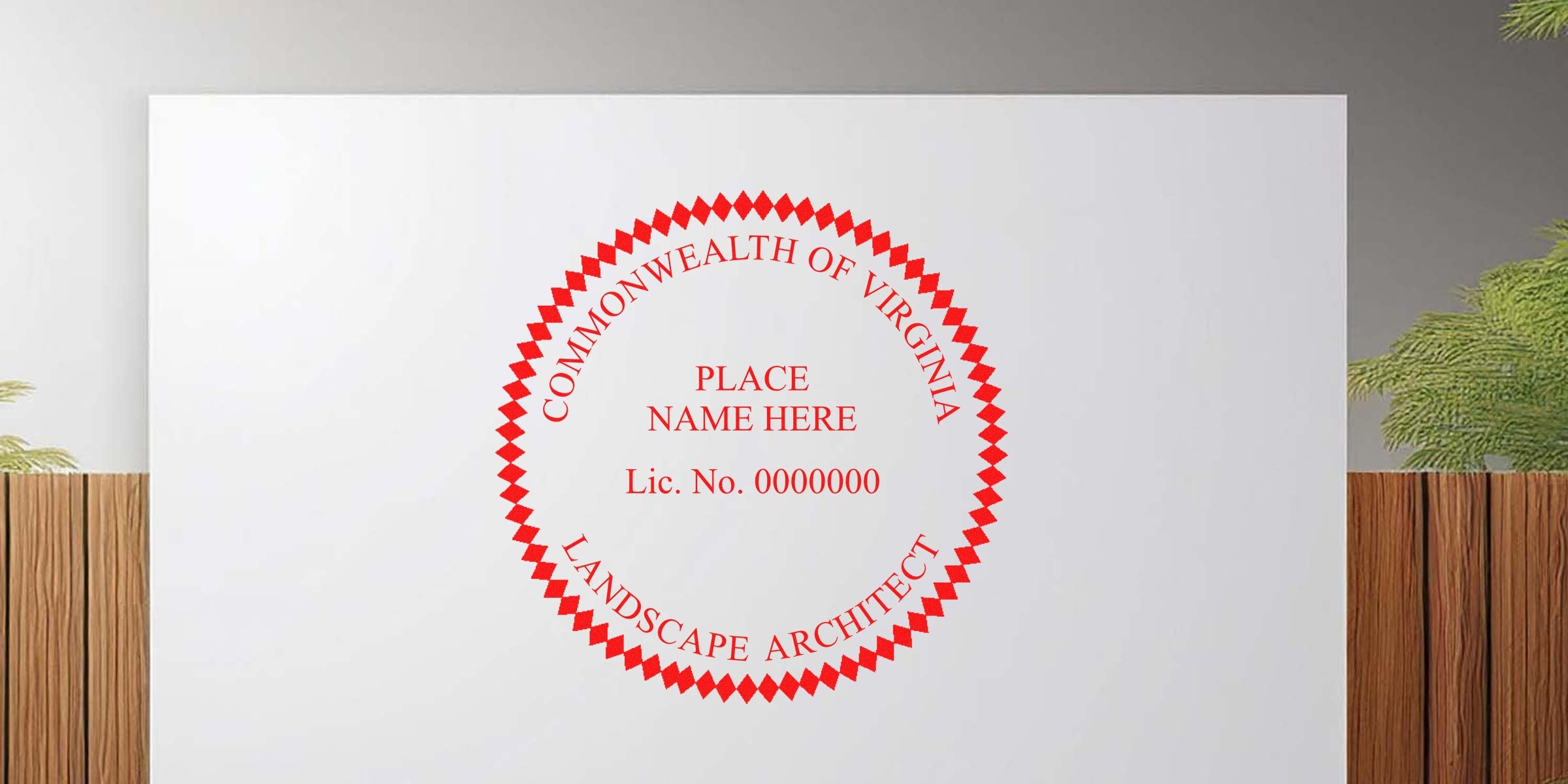
When you begin your Virginia Landscape Architect Stamp application, you might feel both excited and a little overwhelmed. After all, you’ve worked hard to meet the state’s licensing requirements, and you want each detail of your stamp or seal to be spot on. In Virginia, the right landscape architect stamp does more than simply certify your professional status, it also helps you protect the public and maintain the highest industry standards. But mistakes can crop up faster than you think, especially if you don’t check the fine print or rush through the paperwork.
In this guide, you’ll learn how to avoid common pitfalls with your Virginia Landscape Architect Stamp and Seal. We’ll cover state regulations, application oversights, and best practices for choosing reliable vendors. Since you’re aiming to design a stamp that complies with Virginia’s regulations, each step matters. Let’s explore how to do this carefully so you can keep your license intact and your reputation strong.
Understand Virginia Requirements
One of the first steps is understanding the exact guidelines set by the Virginia Board for Architects, Professional Engineers, Land Surveyors, Certified Interior Designers, and Landscape Architects (commonly referred to as the APELSCIDLA Board). These state rules outline everything from how your stamp should look to when and where it must be used.
You’ll usually find requirements on the board’s official website, including regulations about your name formatting, license number, and specific wording. Before you order or design your stamp, check these guidelines to confirm you’re on the right track. If your current stamp doesn’t reflect the latest rules, you may need to update it before submitting any designs or documents in an official capacity.
- Look for any mandatory text, such as “Licensed Landscape Architect,” that must appear on the seal.
- Check whether your full name is required, including initials or suffixes.
- Make sure to note the board’s size specifications (dimensions can matter).
If you accidentally include extra words or miss phrases the board requires, you risk having to replace your stamp and restart the submission process. Beyond the paperwork, that can delay project approvals. Taking time to do your due diligence now will save you a headache later.
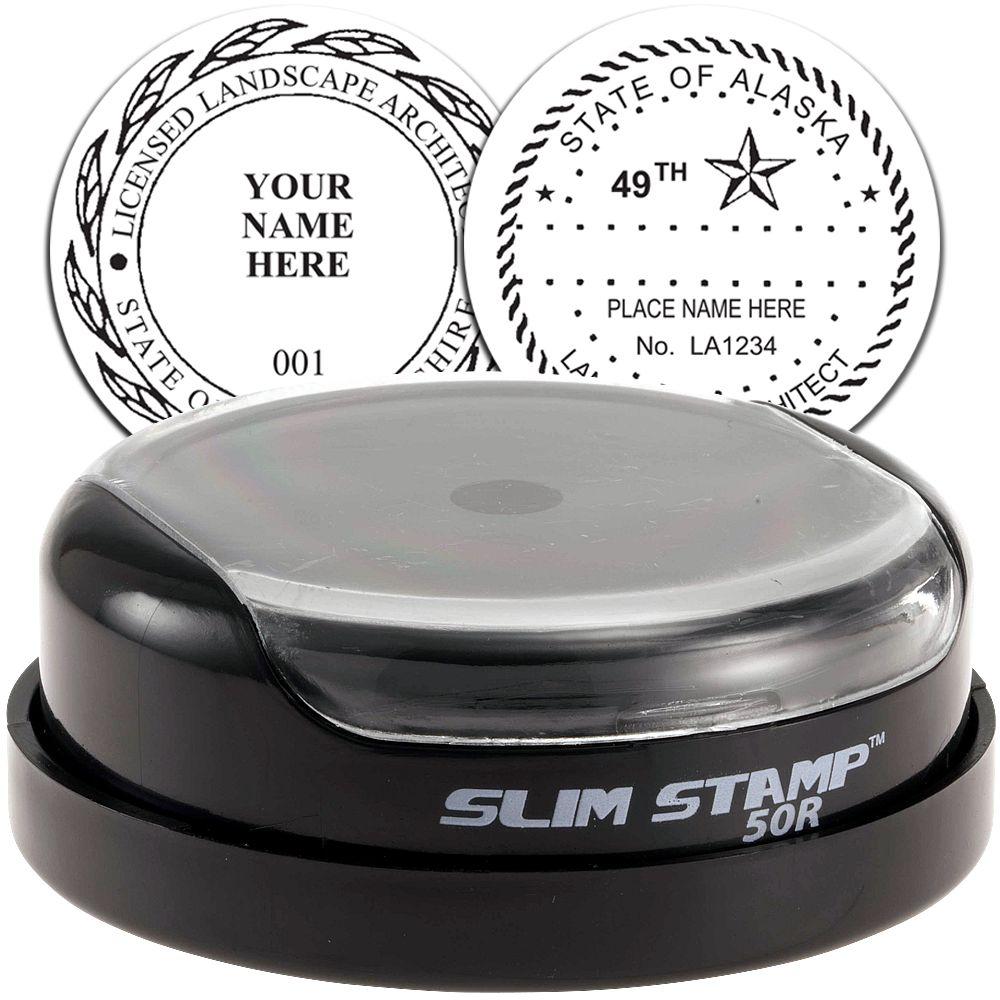
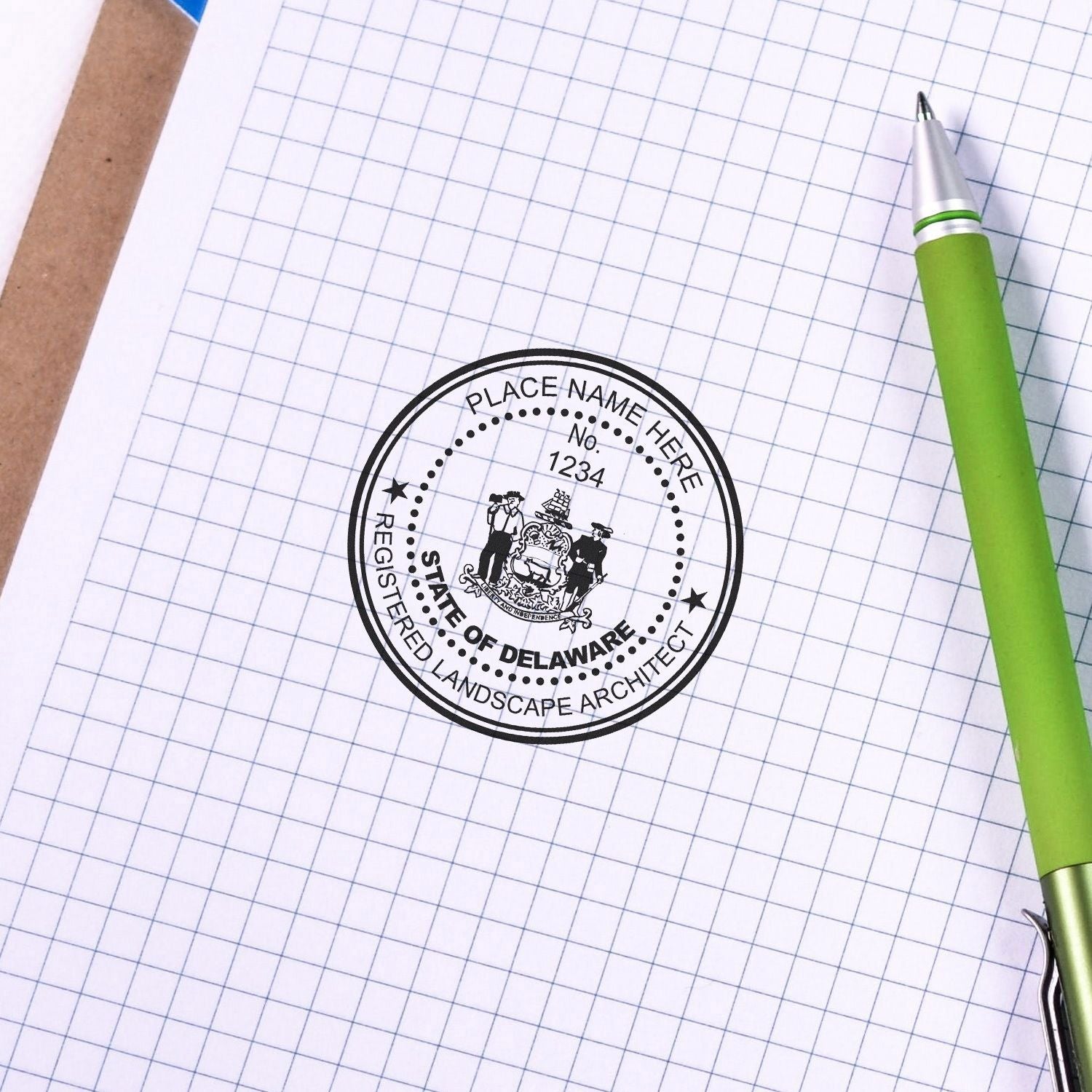
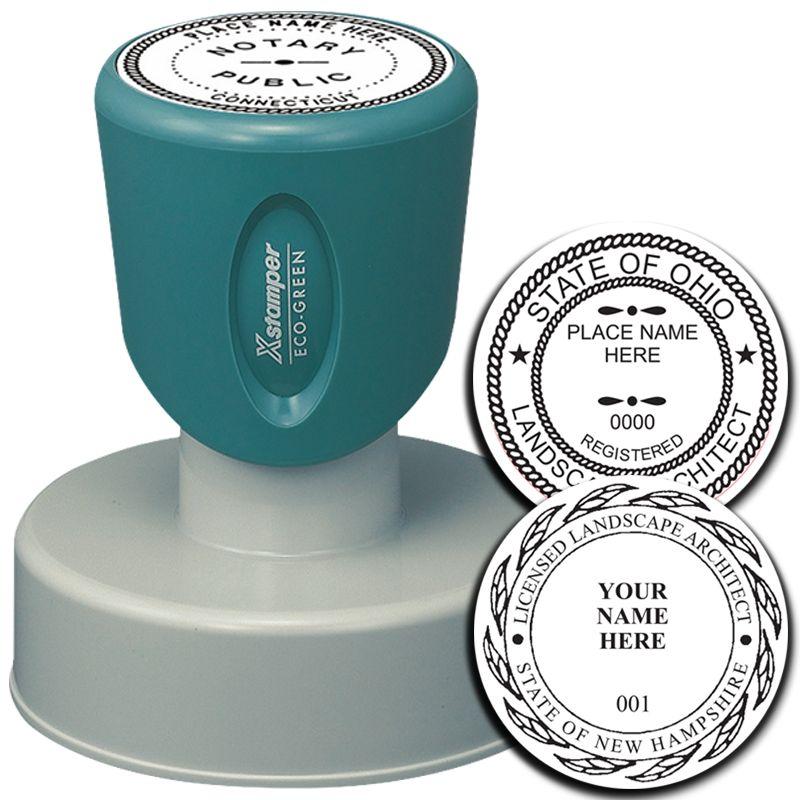



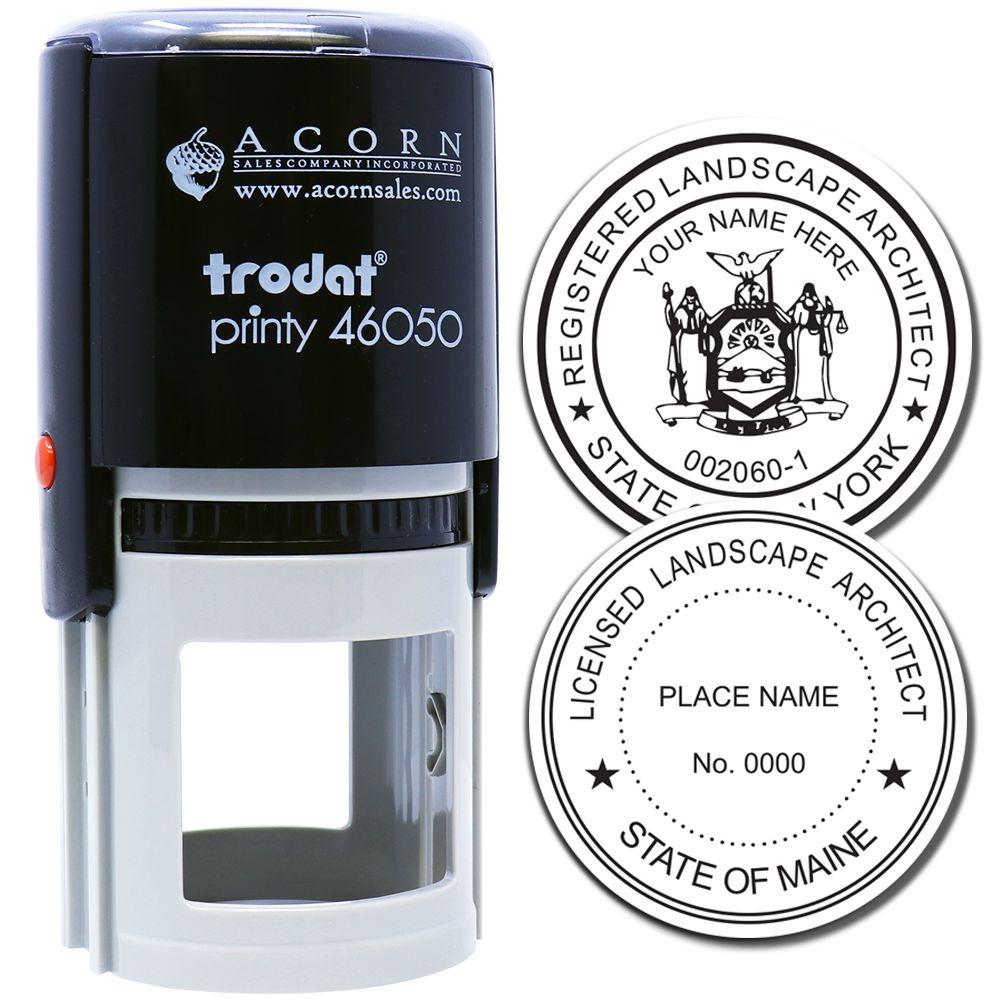
Verify Your Stamp Format
Once you know the required text, spelling, and numbering, the next step is to double-check your stamp’s format. That includes:
Correct Dimensions
Some states allow only certain diameter sizes or outer ring measurements for the stamp. Even if your design looks professional, being off by just a fraction of an inch could get you in trouble.Legible Font Style
Script fonts might look stylish, but clarity rules here. Select a font that’s easy to read and that provides enough contrast for scanning or photocopying. If the design is too fancy, reviewers and stakeholders might not recognize your official seal at first glance.Consistent Layout
Make sure each element is arranged in the right order. If your license number belongs in the center, don’t accidentally push it to the outer ring. Small details like spacing or border style can cause confusion if they’re incorrect.
Virginia officials take the accuracy of your stamp seriously. Imagine you’re reviewing a stamp application yourself, and you come across text that’s slightly off-center or so small it’s almost unreadable. You’d question its legitimacy, right? By verifying the format in advance, you’ll keep your submission professional and compliant.
Avoid Common Artwork Errors
If you’re creating artwork for your seal, triple-check the design details. Sometimes, the smallest errors can lead to big setbacks. For instance, including an outdated state seal symbol, incorrect license classification, or a misspelling of the word “Architect” can derail the entire process. Double-check everything, from your full name to the mandatory wording required by the APELSCIDLA Board.
You can also benefit from mocking up a test print of your seal. Print it on standard paper, then see how it looks in different sizes. If it’s blurry when scaled down or if the text blends together, you’ll know adjustments are needed. Don’t forget to look for any stray lines or poorly aligned borders. The final seal should be crisp, clear, and free of clutter.
Here’s a quick list of red flags to watch for:
- Spelling mistakes in “Landscape Architect”
- Incorrect or missing license number
- Extra words not approved by the board
- Overly ornate or script fonts that blur at smaller sizes
- Misaligned rings or text that cuts off around the edges
You want your Virginia Landscape Architect Stamp to look good on official documents, so think about how it will appear when scanned or photocopied. A tidy design signals authority, while a cluttered or smudged look can raise doubts about your professionalism.
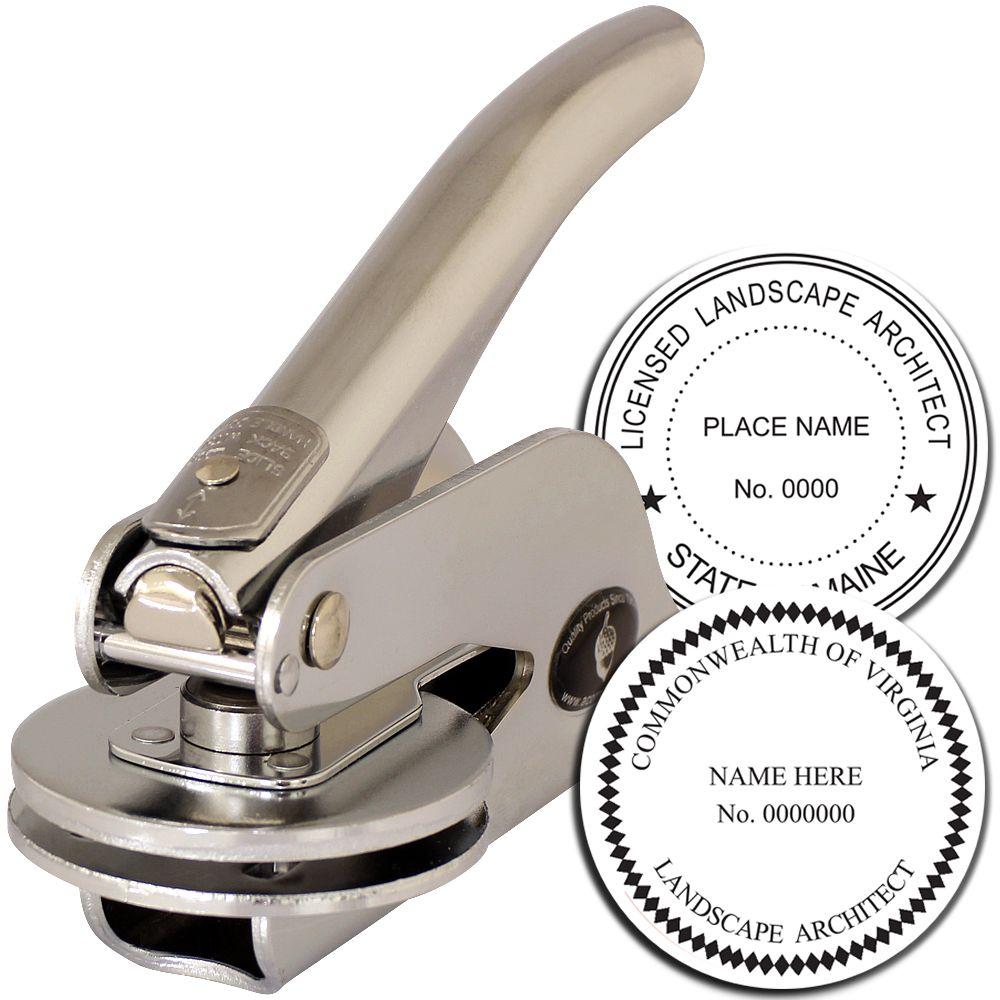
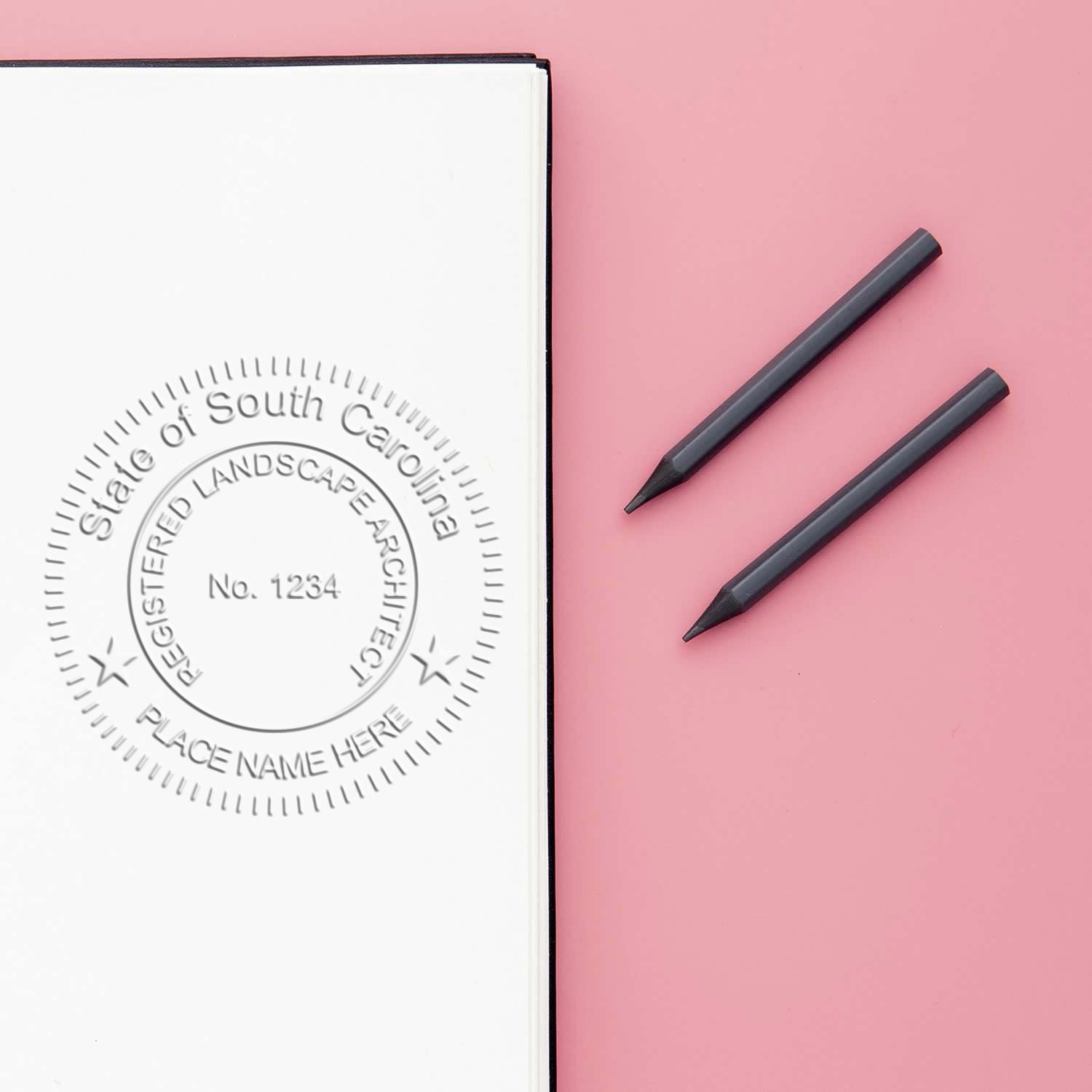
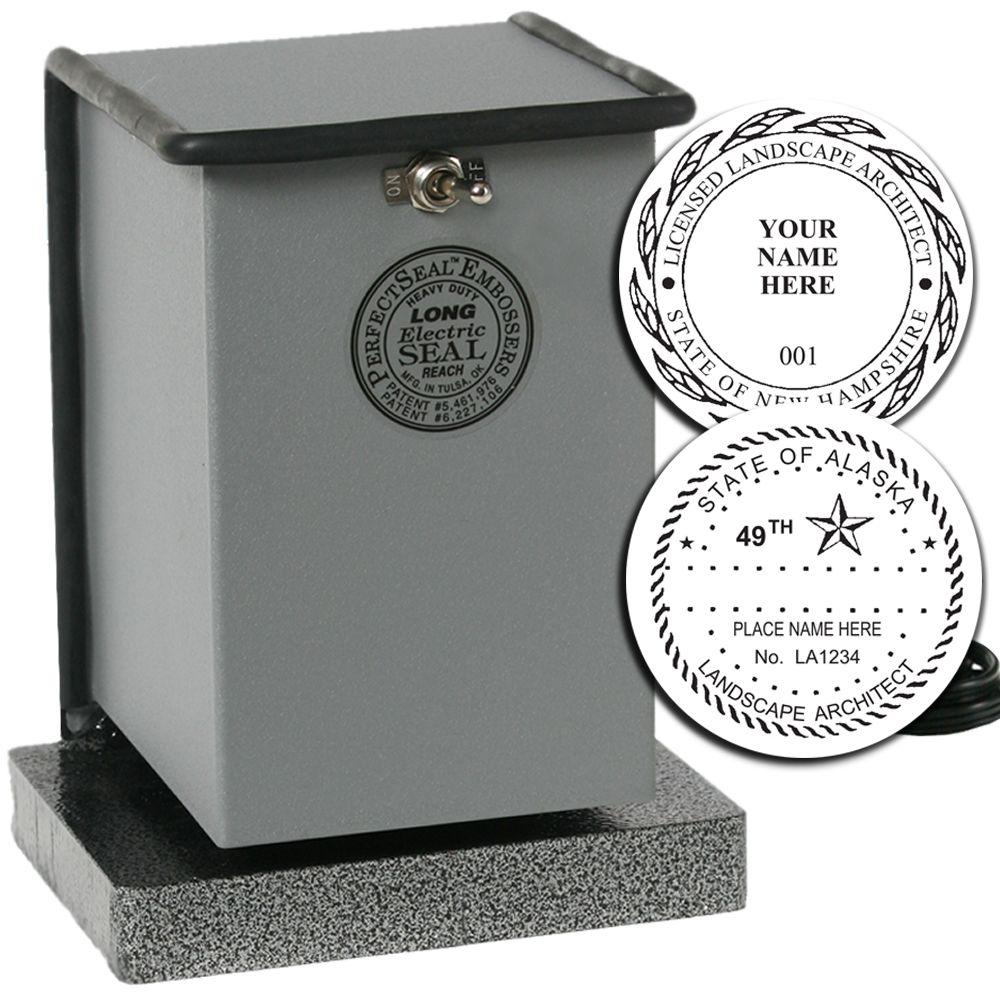

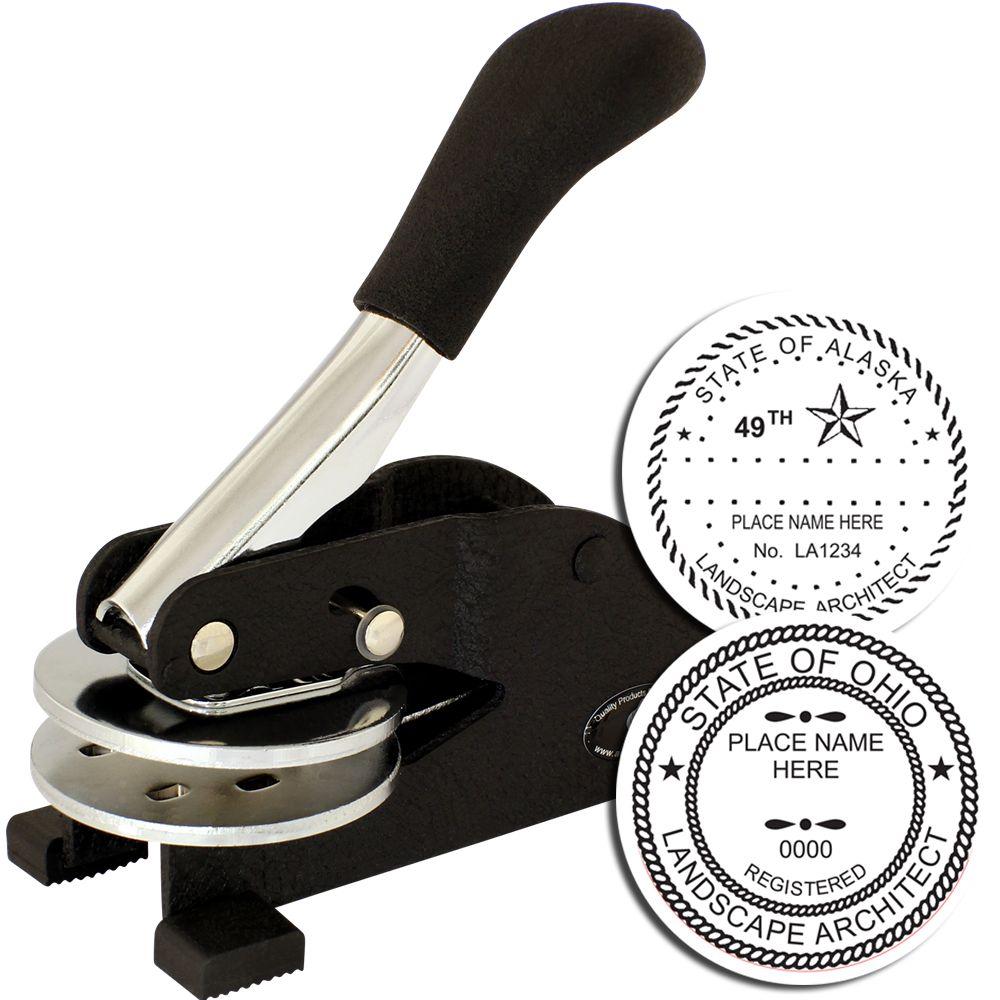

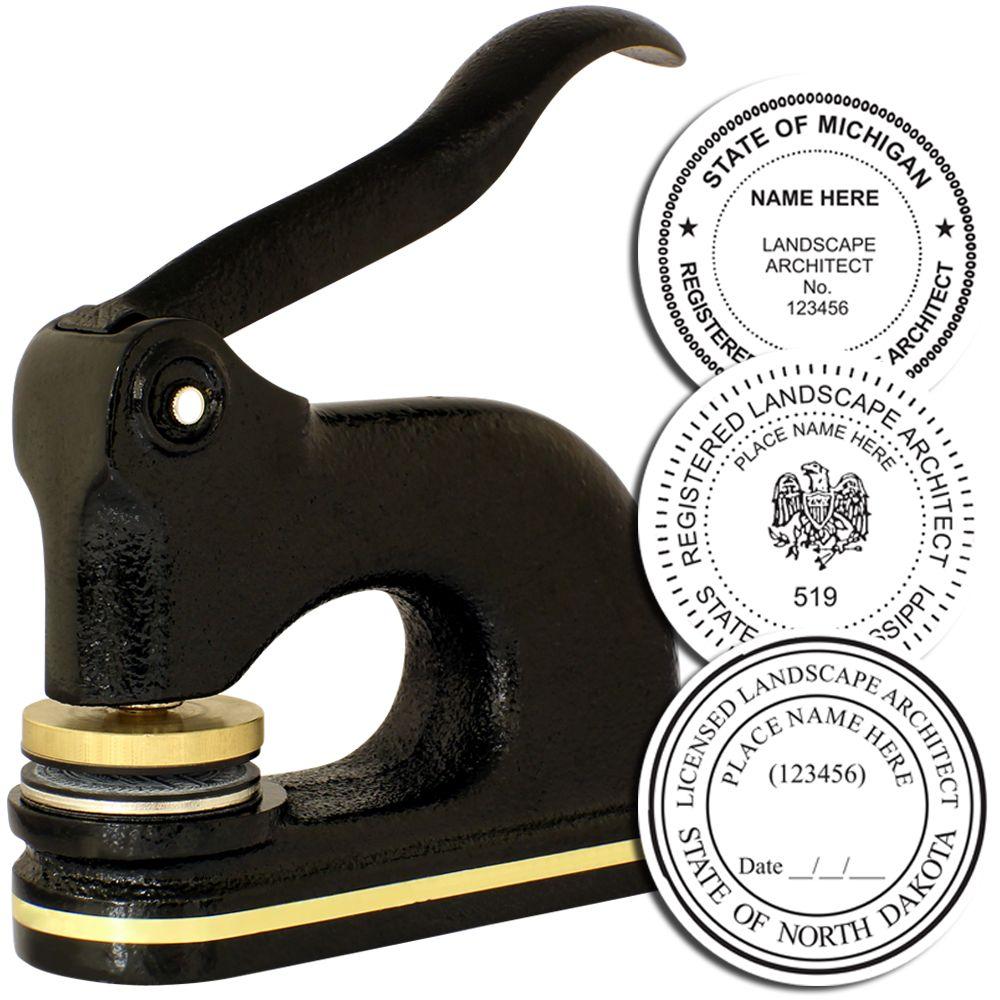
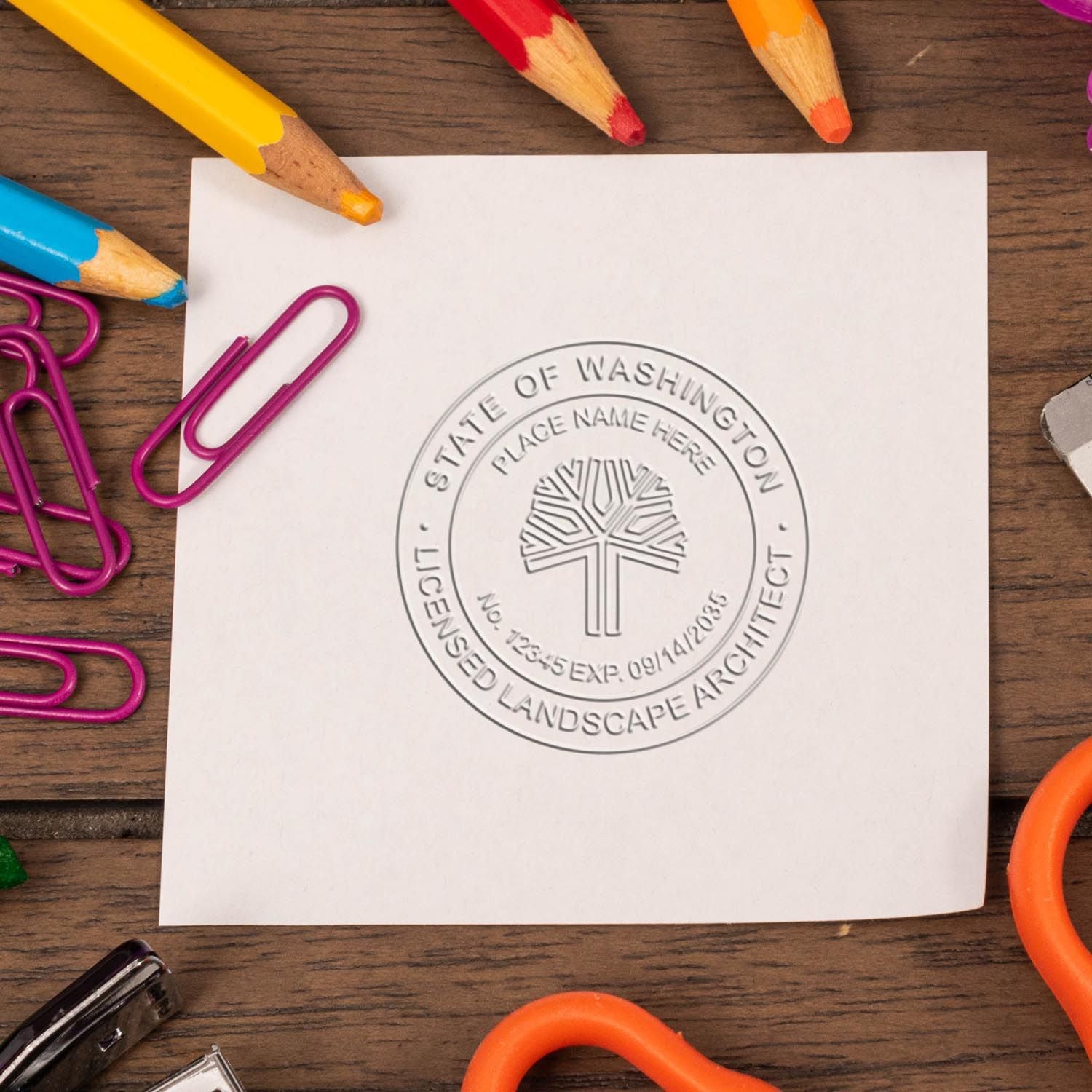
Keep Up with Renewal Deadlines
your stamp itself doesn’t last forever in every circumstance? While the physical device isn’t going to dissolve, the information on it can become outdated if your license expires. Virginia, like many states, requires you to keep your professional license current. If your license lapses, your stamp is effectively invalid for official documents. Stamping plans or documents with an expired license number can lead to legal complications.
To stay on top of renewals, set digital reminders for important deadlines. For instance:
- Put a calendar alert one month before renewal.
- Check the license status online regularly.
- Keep a separate file (physical or digital) with renewal documents.
Avoiding a lapse in licensure means you won’t have to redo your stamp. Dealing with an expired number on all your official documents can be frustrating, especially if you’re juggling multiple projects. Keep track of that renewal date, and if you feel uncomfortable missing it by a day, aim to submit your renewal well in advance.
Choose a Reliable Supplier
Now that you’re clear on requirements and design guidelines, how do you pick a supplier who won’t disappoint? You definitely want a company with a solid track record. After all, your professional reputation is partly wrapped up in this stamp. If the final product is flawed or doesn’t meet Virginia’s rules, you’ll spend more time and money to fix it.
At Acorn Sales, we’ve been in business since 1964, offering reliable stamps and seals custom-made to meet each state’s guidelines. We’ve worked with countless professionals just like you, and we understand the intricacies behind each state’s regulations. Plus, we make the process straightforward by including a free digital seal with your order. It’s a helpful perk that lets you place your official seal on electronic plans or proposals.
Whether you want to confirm you’re selecting the right style, discuss digital seal usage, or figure out turnaround times, you can always check out our Virginia Landscape Architect Stamp options. We recognize how important it is for you to meet all the legal standards while projecting a professional image. If you have any questions, we’re happy to walk you through the ordering process or help with your unique design concerns.


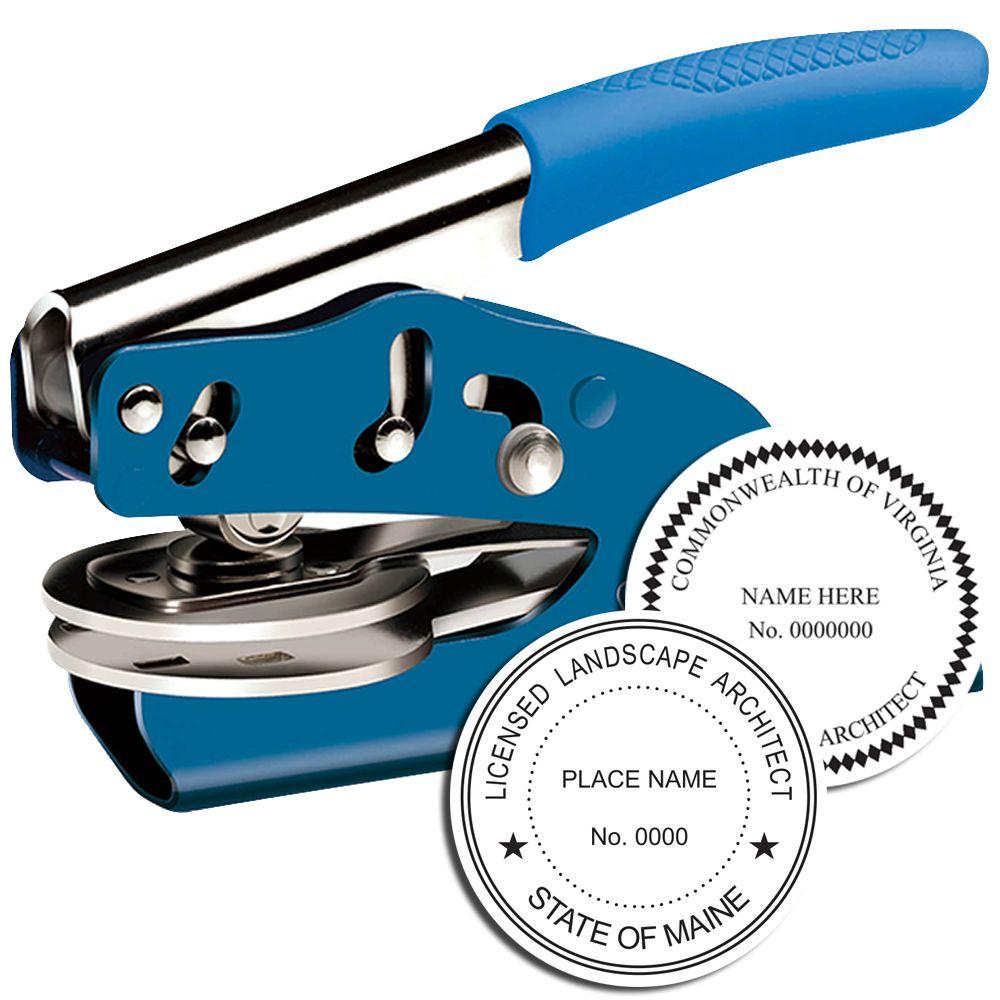


Gather the Right Documents Early
Before you order your seal or finalize your Virginia Landscape Architect Stamp application, compile all necessary paperwork to avoid last-minute snags. This might include:
- Proof of your current license status
- License number and expiration date
- Documentation confirming your legal name and business address
- Any special instructions or exceptions from Virginia’s board
Keeping all this in one folder, whether online or offline, ensures you’re prepared. If the state board or your chosen supplier needs any verification, you can quickly share the correct document. Scrambling for details can cause delays, so stay organized from day one.
Inspect Your Physical and Digital Seals
In today’s world, you might use both physical and digital seals for different project requirements. A physical stamp leaves a quick mark on paper copies or official documents, while a digital seal is ideal for electronic submissions. When you receive your physical seal:
Stamp a Test Sheet
Try a couple impressions on different types of paper. Check if the ink is consistent. Is the entire design crisp from edge to edge? If not, you may need a fresh ink pad or a replacement.Confirm the Artwork Matches
Compare it to the approved seal format you created. The text, rings, and spacing should match exactly, especially for official board requirements.Store It Properly
Keep your stamp in a protective case or a clean drawer to avoid dust and accidental damage. A dirty or worn-out surface can muddle the letter shapes.
As for your digital seal, test it in different PDF or document programs. Make sure the resolution is high enough and that it doesn’t appear skewed. You’ll also want to verify you’ve got a standard file type, such as PNG or PDF, for user-friendly sharing. Because free digital seals typically come in multiple file formats, pick one that aligns with your standard software.
Avoid These 5 Common Mistakes
We’ve touched on a few potential missteps already, but here’s a quick overview to keep you on track:
Rushing Through the Layout
Double-check the size, text placement, and font clarity. If you hurry, you might overlook a small but critical detail.Using an Outdated Address or License Number
If you’ve moved or your license has been updated, ensure your seal reflects this. Don’t rely on old designs.Ignoring Renewal Reminders
Stay informed about your board’s renewal schedule. If your license expires and you keep stamping, you open yourself up to professional liability.-
Selecting the Cheapest Supplier
While cost is important, reliability and accuracy matter more. Choose a company with proven expertise, like Acorn Sales, so you’re not second-guessing the final product. Forgetting About Digital Files
Many projects now require electronic submissions, so be sure to get a digital version of your seal. It’s easy to attach to PDFs or drawings in CAD software, which speeds up your workflow.
By steering clear of these mistakes, you’ll have a smooth process that doesn’t require costly do-overs. One extra moment of caution can save you from days, or even weeks, of reapplying or redesigning.
Final Thoughts and Next Steps
Submitting your Virginia Landscape Architect Stamp application can be daunting, but by following these pointers, you’re well on the way to a smooth, mistake-free process. Make sure you verify your artwork, confirm your license status, and pay attention to every regulation from the APELSCIDLA Board. If you’re unsure about certain design elements or you’d like a professional eye on your seal, reach out to a supplier with proven expertise.
At Acorn Sales, we’re happy to guide you from start to finish. We know how critical it is to avoid even the smallest slip-up, since your stamp is a reflection of your professional credibility. Plus, the convenience of a free digital seal is an added bonus that helps you easily handle electronic submissions.
When you’re ready to move forward, keep these tips in mind. Double-check each document, ensure your renewal dates are in order, and select a proven supplier to avoid compliance headaches. If you’ve got any personal experiences or insider tips on designing or using a landscape architect stamp in Virginia, feel free to share them in the comments. Your insights might help a fellow professional dodge an avoidable mistake. Good luck with your stamping, and may your paperwork sail through without a hitch.
Frequently Asked Questions
Do I Need a Digital Seal or Just a Physical Stamp?
It depends on the types of projects you handle. If you often submit documents electronically, a digital seal is extremely helpful. Most professionals benefit from having both. At Acorn Sales, we provide a free digital seal along with your physical stamp, so you can cover all your bases.
How Do I Update an Expired Seal?
First, renew your professional license through the state board. Once that’s complete, confirm if your current stamp still aligns with the latest guidelines. If you changed your name or if the board updated regulations, you might need a new stamp design. It’s also a good idea to contact your stamp supplier for clarity on any new specifications.
Does the State Require a Specific Stamp Format?
Yes. Virginia has detailed stipulations about the layout, size, and wording that must appear on official seals. To find the exact parameters, refer to the APELSCIDLA Board rules. Provide these specifics to your supplier so they can craft a compliant stamp.
When Should I Order a New Stamp or Seal?
If you catch a design issue, change your license information, or let your license expire, you’ll need a fresh stamp. Also, if your current stamp is severely worn or doesn’t yield a clean impression anymore, it might be time for an upgrade. Remember, clarity is everything for official documents.
Where Can I Find a Trusted Supplier?
Acorn Sales is a popular choice because we’ve been in this business since 1964. We stay up to date on state guidelines and provide a free digital version with each order. Plus, we’re always available to discuss any design concerns you might have.








