
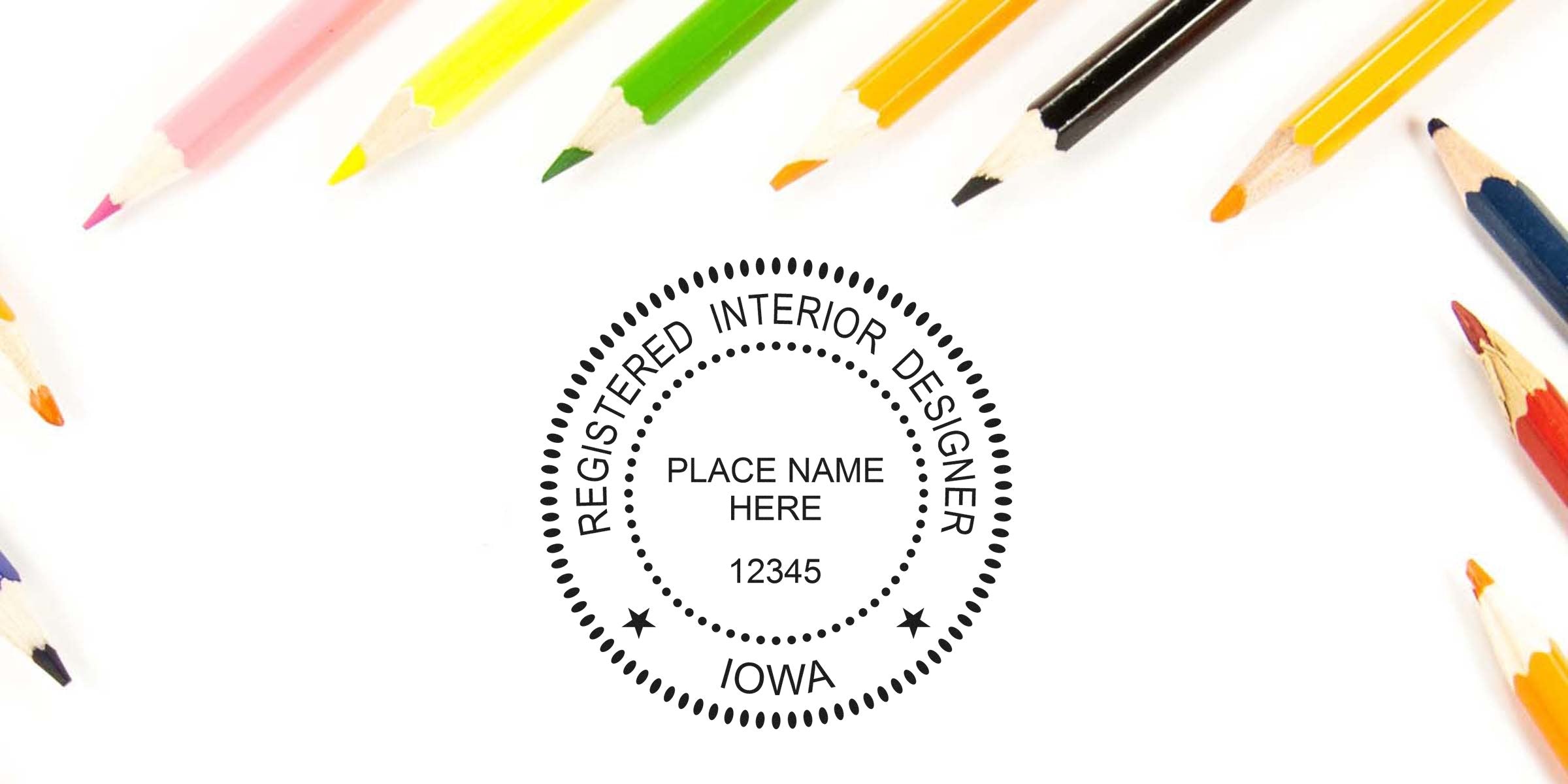
Understand The Iowa Interior Designer Stamp Application Process
If you’re about to embark on the Iowa interior designer stamp application process, you might feel like you’re juggling a million pieces of paperwork at once. You want to prove your qualifications, follow all state rules, and hopefully breeze through the application without a hitch. The good news is that you don’t have to tackle this alone. By learning what common mistakes to avoid, you’ll minimize any headaches along the way.
In this post, you’ll find straightforward guidance on Iowa’s interior designer stamp requirements, practical tips for organizing your documents, and ways to spot silly errors before they derail your application. You’ll also discover how a trusted supplier like Acorn Sales can give you a leg up with a free digital seal and decades of expertise under their belt. Let’s dive in so you can focus on doing what you do best: designing inspiring spaces that make your clients love where they live and work.
Know The Core Regulations
Before sending in any forms, it helps to understand the rules that define when you can and cannot use an Iowa interior designer stamp or seal. Each state has unique guidelines. In Iowa, you’ll find specific statutes about interior designer responsibilities, stamping protocols, and renewal processes. It’s crucial to read these rules carefully so you can ensure full compliance.
Iowa-Specific Criteria
Iowa typically requires that you meet certain education and experience thresholds. You may need a degree in interior design (or a closely related field) and some documented professional experience. That experience might include working under a licensed interior designer, architect, or construction manager. Because these rules can change, it’s smart to confirm you have the most up-to-date details before you dive into your own Iowa interior designer stamp application process.
Why Stamps And Seals Matter
The stamp or seal is more than a decorative element. It shows that your design documents align with the requirements set by Iowa authorities. Any official plans or drawings need your signature alongside a properly placed stamp or seal. This combination (commonly referred to as “wet ink” or “live signature”) confirms the authenticity and accuracy of your work, ensuring that projects meet legal and safety obligations. If your stamp is missing or out of date, you could face delays, legal issues, or even disciplinary action.
Gather Your Documents
Proof of your educational background and professional experience is essential. You don’t want to find out at the last minute that you are missing a transcript or having trouble verifying an old boss’s contact info. Create a simple checklist of everything you’ll need, and keep it all in one folder, whether physical or digital, so you can easily track down items when needed.
Proof Of Education
Make sure you have official transcripts from an accredited university or design school. If you can’t get them directly in hand, confirm they’ll be sent to the licensing board on time. Some schools take weeks to process transcript requests, so it’s best to start early. Even if you’re sure your degree meets the Iowa standards, always double-check the official requirements to avoid a last-minute rejection.
Documenting Work Experience
Much like verifying education, ensuring your relevant work history is crystal clear can be a time-saver. If you worked under a licensed professional, gather letters confirming the nature of your duties, the types of projects you tackled, and the timeframes of your experience. Know the full name and license number of your supervisor (if applicable) so the board can quickly verify your background.
Check Key Deadlines
While the specifics vary, Iowa boards often process stamp or licensing applications in batches. If you miss a window, you might be stuck waiting for the next review cycle, which can set you back by weeks, if not months. Watch out for:
- Application submission windows.
- Board meeting dates.
- Payment deadlines.
- Renewal schedules (especially if you are up for renewal shortly).
Procrastination could cost you more than just frustration. If your project plans are in limbo while you wait for board approval, you might lose out on valuable work opportunities or risk souring relationships with potential clients. Staying on top of the board’s official calendar is often half the battle.
Avoid Common Errors
Human nature being what it is, mistakes happen. But knowing the typical trouble spots can help you steer clear of them. You’d be surprised how many people slip up with simple typos or incomplete forms. Below, we’ll explore a few of the biggest pitfalls and how to avert them.
Double-Check Spelling And Identification
It’s easy to mix up a letter in your name or forget that your driver’s license uses your full middle name. Tiny inconsistencies can create red tape nightmares. Confirm that you’re using the exact same name on every single document, including:
- Your state-issued ID or driver’s license
- School transcripts
- Employment records
If your name has changed over the years, make sure to include legal documents (like a marriage certificate or name-change order) to avoid confusion.
Complete All Required Fields
When filling out the application forms, read each question carefully. If something doesn’t apply to you, mark it as “N/A” instead of leaving it blank. An empty space might lead the board to think your paperwork is incomplete. Also confirm which supplemental documents are needed under each section. It’s easy to miss a line item if you’re rushing.
Provide Correct Fees
No one enjoys dealing with payments, but this is a crucial step. If the fee changes (which sometimes happens), be sure you have the most recent amount. A quick visit to the board’s website or a phone call to its office can confirm the current fee schedule. Use a valid payment method and pay close attention to any additional processing fees or surcharges that may apply.
Rely On A Trusted Supplier
Once your application is approved, you’ll need a legitimate stamp or seal that meets Iowa’s standards. That’s where a company like Acorn Sales can become your best ally. We’ve been around since 1964, helping professionals with customized stamps and seals that align with state regulations. Whether you prefer a traditional hand-stamp or a self-inking model, Acorn Sales offers options to suit your workflow.
We understand the importance of being user-friendly in your day-to-day hustle. Nobody wants a clunky stamp that leaves smudges on official plans. Instead, you’ll find durable products that produce crisp, clear impressions. Plus, the service team offers personalized guidance to make sure you pick the right stamp style for Iowa’s interior designer guidelines. If you’re ever unsure about how your stamp needs to look, Acorn Sales can help you navigate iowa interior designer stamp requirements so your seal meets every specification.
Secure Your Digital Seal
In the digital age, physical stamps are not the only option. Iowa regulations may also allow or even require digital seals for certain submissions. That’s why Acorn Sales includes a free digital seal with every purchase. In practice, having that digital seal in your toolkit means you can quickly stamp PDFs of your drawings, insert your certification into electronic documents, and email them instantly to clients or government offices. It’s one more way to streamline the process and stay ahead of unnecessary delays.
Digital seals can save you printing and shipping costs and speed up communication, especially if you’re working with teams spread across different cities or states. Just be sure you understand where digital seals are acceptable. In many jurisdictions, the stamp’s electronic equivalent is perfectly valid, but double-check the Iowa rules to confirm.
Maintain Your Credentials
You’ve completed the bulk of the Iowa interior designer stamp application process and gotten your official approval. Congratulations! However, staying in good standing comes with ongoing responsibilities. In Iowa, you’ll likely have to renew your interior designer registration at regular intervals, typically every few years. Don’t let your credentials lapse. If you do, you might need to scramble through the reapplication process or face extra fines.
Renewal Requirements
Make note of the continuing education hours or professional development courses you might need to complete before renewing. The board’s timeline for filing renewal paperwork can arrive faster than you think, so put these deadlines in your calendar. Renewing promptly also ensures consistent access to your professional stamp or seal, so you’re never stuck waiting on official status to come through when an important project is on the line.
Wrap Up And Next Steps
Navigating the Iowa interior designer stamp application process doesn’t have to be overwhelming. By starting with a clear roadmap, you’ll be able to collect your documents, confirm deadlines, and avoid the most common mishaps. With a little planning, you’ll submit a polished application package and get one step closer to stamping your drawings with confidence.
Once approved, consider investing in a reliable stamp or seal from Acorn Sales, a company that has been in business since 1964 and understands the ins and outs of Iowa interior designer stamp needs. With options for both physical stamps and digital seals, you’ll cover all bases. Grab your free digital seal, follow your renewal schedule diligently, and move forward with the peace of mind that your paperwork is thoroughly in order.
These answers should help clear up any last-minute uncertainty. If you still have questions, consider reaching out to your state’s licensing board or consult a trusted supplier who works with interior designers every day. Good luck with your application, and here’s to becoming a fully credentialed interior designer ready to make spaces that inspire!
Frequently Asked Questions
How long does the application review typically take?
Processing times can vary depending on the current workload at the board. It’s best to submit everything well before any critical project deadlines. If you’re cutting it close, you might want to follow up with the board’s office after a few weeks.
Do I need both a physical stamp and a digital seal?
It often depends on how you submit your documents. Iowa may accept digital seals for electronic plan submissions, but you’ll want a physical stamp for any paperwork that needs a hard-copy imprint. Choosing a supplier that provides both can make life simpler.
What if I move out of state?
If you maintain an Iowa license, you’ll still be expected to fulfill all renewal obligations, including continuing education and fee payments. Always keep your contact information current with the board so you don’t miss important updates.
Is there a specific design for the Iowa interior designer stamp?
Yes. Iowa has particular guidelines about size, shape, and text layout. The best approach is to work with a provider like Acorn Sales who understands these rules and can ensure your stamp meets every requirement.
Will my old transcripts be accepted if they’re from years ago?
Typically, yes, as long as the transcript is official and covers the relevant coursework. If your transcript is very old, check with your school’s registrar or the licensing board to confirm it remains valid for application purposes in Iowa.








