
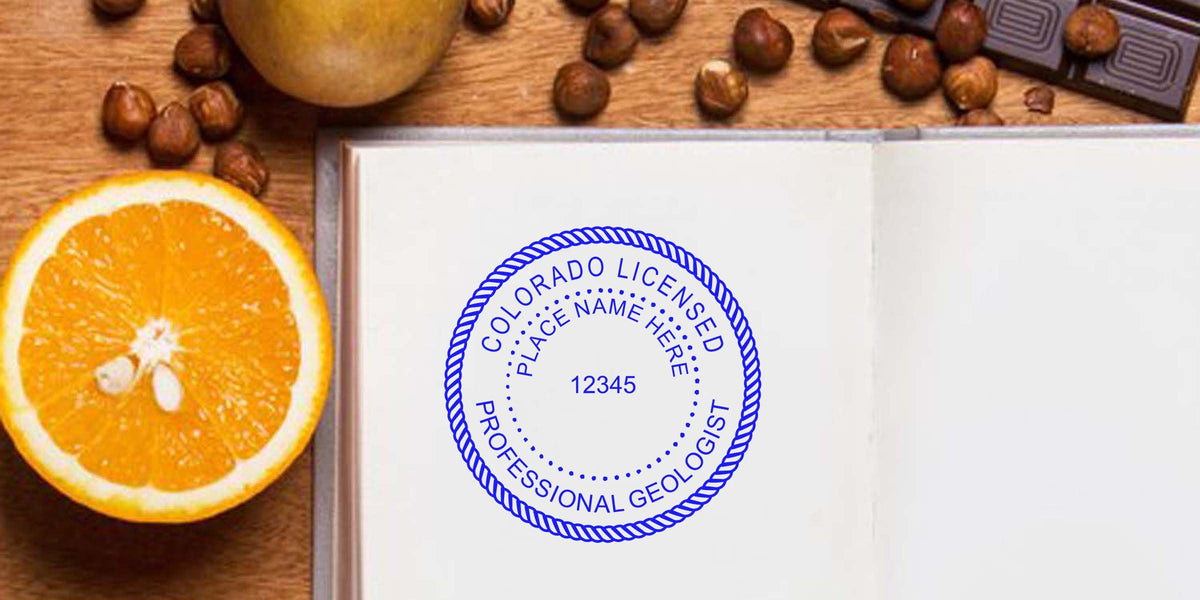
Understand the Colorado Geologist Stamp Size
If you’re aiming to practice as a professional geologist in Colorado, getting the right stamp size isn’t just a formality. It directly affects the readability and legitimacy of your credential on official documents. You don’t want to spend money on a seal or stamp that proves unusable simply because you overlooked the proper format. After all, your geologist stamp is a reflection of your expertise.
In this guide, you’ll learn key details about the Colorado geologist stamp size, why it matters for your professional documents, and how to avoid typical pitfalls. Let’s walk through official requirements, common mistakes, plus your best options for physical and digital seals.
Know the Official Requirements
Before you order anything, it’s wise to review all relevant regulations. Colorado standards are clear about what must be included on your geologist stamp, but many professionals miss critical details about overall dimensions.
- The seal should be large enough to show all required text and numbers.
- The impression must be legible for scanning and copying purposes.
- It generally includes your name, license number, and a clear state designation.
If you’d like a deeper look at statewide rules, check out the Colorado Geologist Stamp Requirements. That resource clarifies which elements you need so you won’t face any compliance issues down the road. Spending a few minutes with the documentation now can save you from expensive reprints later.
Why Size and Legibility Matter
Imagine someone is reviewing your geological study or environmental assessment. If your stamp is blurry or too small to read, the document could be delayed or even rejected. Legibility becomes critical, especially in official settings. Regulatory bodies want to see a clean, crisp seal that leaves no room for doubt about your licensing status.
When a stamp is too large, it can also be awkward to fit on standard forms. The sweet spot often falls in the range of 1 5/8 inches up to 2 inches in diameter. Be sure to confirm the exact guideline for Colorado so you match your stamp to the official recommendations.
Choose the Right Stamp Format
Once you’ve nailed down the correct dimensions, it’s time to decide on the format of your Colorado geologist stamp. Each option has its pros and cons, and picking one that fits your daily use is the key to staying efficient.
Self-Inking or Pre-Inked Stamps
If you process a lot of paperwork, a self-inking or pre-inked stamp saves you time and frustration. Self-inking models instantly reapply ink after each use, while pre-inked devices contain ink within the stamp itself. Both are easy to press onto your documents and produce consistent impressions without needing separate ink pads.
- Self-inking stamps work well for high-volume stamping.
- Pre-inked stamps offer neat impressions for moderate use.
- Both options come in various diameters so you can match Colorado’s dimension requirements.
Traditional Rubber Stamps
If you prefer a flexible option that might be used with multiple ink colors, you could opt for a classic rubber stamp. These require a separate ink pad, but they’re often budget-friendly. Keep in mind that consistent pressure is crucial. A quick, uneven press might affect the clarity of your seal.
Embossing Seal
An embosser creates a raised impression in the paper. Some professionals like how official and distinctive this looks. However, make sure the embossed text remains legible, which might be a challenge if you choose a smaller size. Also, consider that scanning or photocopying might not capture an embossed seal as clearly as an ink-based impression.
Avoid Common Mistakes
It’s easy to overlook details when you’re busy with fieldwork or lab research. Let’s highlight some pitfalls that can lead to trouble, wasted money, or worse, unaccepted documentation.
Using the Wrong Dimensions
A mismatch between your stamp size and Colorado’s requirements might make your seal invalid. Even if your stamp visually looks fine, regulatory agencies can be strict about proper sizing.
Ordering from Unknown Sources
Online shops pop up every day, promising cheap deals. But if they’re not familiar with professional requirements, you might end up with an incorrect seal. Always confirm the vendor’s experience in producing official geologist stamps.
Omitting Required Wording
Every so often, geologists forget to include wording like “State of Colorado” or their license number in the correct spot. Double-check that all mandatory text and abbreviations are included. This detail can mean the difference between a valid seal and a rejected one.
Inconsistent Impressions
If you work on multiple sites and switch from one stamp to another, you risk producing inconsistent impressions that vary in size or clarity. It’s best to use a single reliable stamp or ensure that all your stamps match the same spec.
Consider Printing And Digital Options
You might need more than a physical seal these days. Digital documentation and submissions are becoming increasingly common in many industries, including geological services.
Adding a Digital Seal
A digital seal is a convenient way to sign electronic documents without needing to print everything. Many professionals keep both a physical and a digital version. That way, you’re prepared whether a client wants a PDF or a hard copy. At Acorn Sales, you can get a free digital seal with your stamp order, which ensures you’re ready for any format.
Combining Physical and Digital
Some agencies might still require a wet signature and physical stamp on primary documents, while others might accept digital. It pays to be versatile. Keep both an ink-based device and a digital seal handy to handle whichever submission style is requested.
- Use the digital seal for e-submissions.
- Rely on the physical stamp for paper-based outputs.
- Double-check each agency’s requirements as you go.
Where to Get Your Colorado Geologist Stamp
Picking the right supplier can spare you a lot of frustration. You want someone who understands state mandates, offers a range of stamp options, and provides excellent customer support.
Consider Trusted Suppliers
Acorn Sales has been in business since 1964, focusing on seals and stamps for various professions. With a long track record, we’re familiar with Colorado’s geologist rules, so you don’t have to worry about compliance issues. Plus, you’ll find a range of self-inking, pre-inked, or classic rubber stamps designed to meet both your style and your state’s regulations.
If flexibility matters to you, we also offer custom arrangements. That means you can refine your geologist seal design while still matching the official guidelines. And remember, you can request a free digital seal with your purchase. That’s one less thing to worry about when you’re juggling multiple project files.
Steps to Order Confidently
- Confirm your official requirements with Colorado Geologist Stamp Requirements.
- Decide whether you want a self-inking, pre-inked, rubber, or embossing seal.
- Verify the measurement, ensuring your final design matches Colorado’s seal size rules.
- Place your order with a reputable company like Acorn Sales, specifying that you need a free digital seal.
- Test the stamp on practice sheets to confirm a clear, correct impression before marking any official documents.
Look for businesses with proven experience in fulfilling professional stamp requirements. Acorn Sales, for instance, has been around since 1964 and focuses on providing compliant seals. Their team understands local regulations and can help you avoid costly errors.
In Summary
Getting the right Colorado geologist stamp size is crucial to certifying reports and official documents without delays. By checking official guidelines, picking the right stamp format, and verifying each impression, you’ll ensure your professional materials always pass muster. Plus, a dependable vendor like Acorn Sales can walk you through the entire process from selecting your seal size to handing you a free digital seal for electronic submissions.
Take a few minutes now to confirm your dimensions and whether you need both digital and physical versions. That small step saves you later headaches and fosters the professional reputation every geologist deserves.
Frequently Asked Questions
How Do I Determine the Correct Dimensions?
Colorado guidelines typically indicate a seal around 1 5/8 inches to 2 inches in diameter, but refer to official references if you need an exact figure. Ensure the text is large enough to remain legible, as that’s key for both compliance and clarity.
What If My Stamp Doesn’t Print Clearly?
First, make sure you press your stamp down on a firm, flat surface. For self-inking or pre-inked stamps, confirm the ink level hasn’t run low. If you’re still seeing blurred impressions, it may be time to replace the stamp pad or order a new device.
Can I Use an Embosser Instead of an Ink Stamp?
Yes, as long as the embossed impression meets state requirements for clarity and content. Some professionals prefer the classic look of an embosser, but be sure to test it on scanned documents to confirm the embossing remains legible in digital copies.
Do I Need a Physical Stamp for Every Project?
Different agencies have different requirements, and some might accept digital seals while others may need a wet-ink stamp. Having both options ensures you can handle any request. Plus, your free digital seal from Acorn Sales can streamline paperwork if you’re often sending PDFs.








