
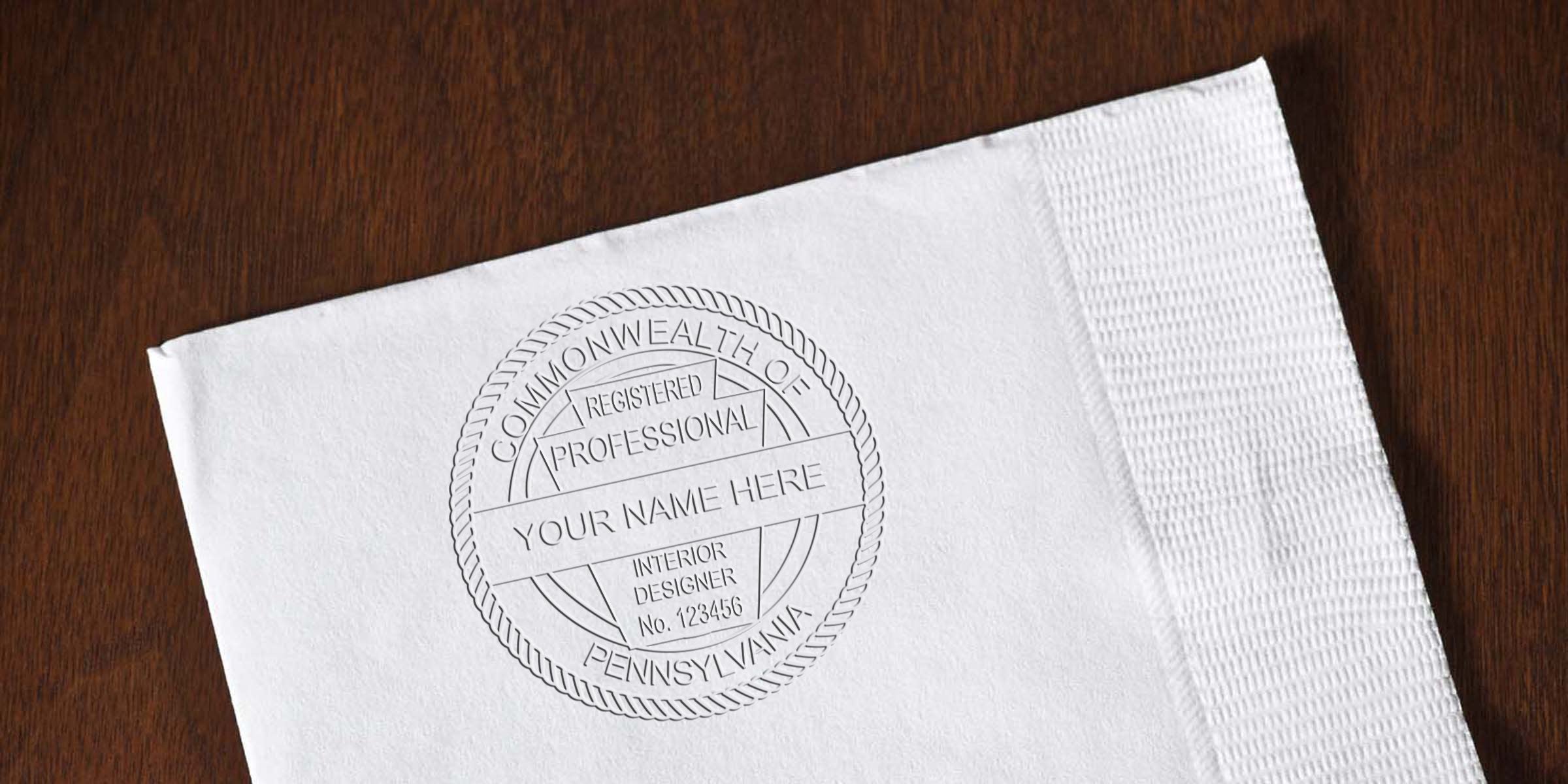
If you’re an interior designer in Pennsylvania, you’ve probably come across references to “pennsylvania interior designer stamp requirements” more than once. It might sound a little intimidating at first, but understanding the guidelines can keep your projects legit and your clients happy. This article walks you through what every Pennsylvania interior designer should know about these stamping regulations, plus a few tried-and-true tips to help you sidestep mistakes along the way.
Understand The Requirements
In Pennsylvania, certain projects must include a professionally stamped design to demonstrate that everything follows local building codes and state regulations. These requirements ensure that safety and quality standards are met. You’re not just ticking boxes; you’re also showing clients, contractors, and code officials that you’re committed to delivering work you can stand by.
Pennsylvania’s interior designer stamp requirements typically hinge on whether your project impacts public health or safety. Office renovations, hospitality spaces, and large commercial transformations often require a stamp, while smaller residential projects may not. However, it’s wise to double-check each project before skipping the stamp. Regulations can change from one county to another, and ignoring them could lead to issues down the line.
Recognize The Purpose
Why does Pennsylvania put so much emphasis on your stamp? One simple reason: credibility. The state wants to ensure that every designer has the skill set to produce safe, functional spaces. Your stamp essentially says, “I am qualified, and I stand behind this plan.”
- Validates Professional Expertise: When your design bears your official stamp, it signals you’ve met education and certification standards.
- Increases Public Trust: Clients and local authorities feel more confident hiring and approving your work.
- Promotes Liability Awareness: By stamping your drawings, you acknowledge accountability for the design’s compliance with local codes.
A stamped design can also discourage unauthorized modifications. If someone attempts one, it’s much easier to identify what (and who) changed the original concept.
Follow The Regulations
Regulations around stamps and seals in Pennsylvania can seem heavy, but they’re not there to complicate your life. Instead, they protect your professional standing by ensuring consistent quality. Understanding these rules is vital to prevent costly headaches, such as project delays or even fines.
The Pennsylvania State Board that oversees interior design sets guidelines on how your stamp or seal should be used. It’s a good idea to brush up on the official pennsylvania interior designer seal regulations. The board generally wants your seal to be distinct, readable, and used only by you. Lending or borrowing a stamp is a huge no-go, so make sure you’re the only one who can access your stamp imprint or seal embosser.
Complete The Application
Before you can legally stamp anything, you must complete the appropriate paperwork in Pennsylvania. If you haven’t applied yet, be sure to review the pennsylvania interior designer stamp application process. That process typically includes:
-
Proof Of Education And Experience
You’ll need to show documentation that you’ve completed certain coursework or logged the required hours of practical experience. -
Exam Requirements
If Pennsylvania requires an exam for interior designers (such as the NCIDQ), you’ll have to pass it before applying for your stamp. -
Application Form And Fees
Fill out the official application form, pay the state’s fee, and wait for approval. You’ll want to keep tracking your application status so you know exactly when you can start using your stamp.
In many cases, your approval letter or email will include instructions about obtaining your official seal. Once you have that green light, you’re good to go.
Focus On Design And Size
Stamps and seals have to meet certain layout guidelines. For instance, the Pennsylvania Board often specifies how large the seal must be and what text must appear within it. If you’re unsure how to craft your seal, check out the pennsylvania interior designer seal design guidelines. Proper formatting can prevent an application rejection, so don’t wing it.
Size matters, too. Sometimes, a state mandates that the seal be a specific diameter, ensuring clarity and readability on your plans. For details, see pennsylvania interior designer stamp size specifications. The design must be legible even after copying or scanning, because your drawings may get passed around to multiple departments.
Key Points To Remember
- Your name, license number, and the state of registration should appear clearly within the stamp’s border.
- The stamp text should always be crisp, not smudged or faint.
- Digital versions must have the same text as physical prints.
If you’re interested in something more traditional, you might opt for a raised seal (embosser) instead of a stamped ink impression. Learn more about embossers and how they compare to standard stamps by reviewing the pennsylvania interior designer seal embosser resource.
Avoid Common Pitfalls
Even seasoned designers occasionally slip up with their stamping process. Let’s highlight a few of the biggest mistakes so you can steer clear of them:
- Missing Deadlines: Many government offices have tight submission windows. If you miss a date because your stamp was late or incorrect, that’s on you.
- Illegible Stamps: A faded or partial impression can cost you time when a reviewer can’t read your license details.
- Wrong Document: You might accidentally stamp the wrong set of plans or an outdated revision. Double-check you’ve got the final version before stamping.
- Using Another Designer’s Seal: Never share or borrow a stamp. Each designer’s stamp is unique and non-transferable.
Also, be mindful that each city or municipality might have extra rules on top of the statewide ones. Skipping those local guidelines can leave you with extra fees or forced revisions. When in doubt, ask colleagues or your local permitting office for clarity.
Find A Trusted Supplier
Once you’ve aced the application process, you’ll need to buy a custom seal. If you prefer an inked stamp over an embosser, consider reputable businesses that know the ropes. For instance, interior designer stamp for pennsylvania professionals will give you a sense of the standard options and pricing in the state.
Speaking of cost, you can check typical price points in the pennsylvania interior designer stamp cost guide. Some suppliers offer discounts for bundling multiple products (like an inked stamp plus an embosser), others throw in free shipping. One such supplier is Acorn Sales, a trusted name in the industry since 1964. They understand Pennsylvania’s stamping rules inside and out, and they can help you dodge design mistakes on your official seal.
Take Advantage Of Free Seal
Who doesn’t like an added bonus? With Acorn Sales, you often receive a free electronic seal when you purchase a physical stamp or embosser. That’s huge for designers who submit digital files. An electronic seal holds the same weight as your physical stamp as long as it meets the state’s guidelines.
Electronic seals accelerate your workflow. Suppose you’re creating drawings in CAD or a similar program. You can seamlessly apply your e-seal before sending off plans for review, without the need to print and physically stamp each document. This digital approach cuts down on time, paper, and postage. Just confirm that the seal matches your physical stamp in terms of design and text.
Summary And Next Steps
Navigating Pennsylvania’s interior designer stamp requirements isn’t as daunting as it seems. Once you understand the basic rules, handle your application properly, and line up the right supplier, you’ll be in great shape. Here’s your quick recap:
- Confirm if your project demands a stamped design to comply with Pennsylvania regulations.
- Gather your documentation, pass any required exams, and officially apply for your stamp.
- Follow the board’s guidelines on stamp design, size, and legibility.
- Avoid common pitfalls like incorrect usage or missing deadlines.
- Choose a reliable supplier for your stamp or embosser.
- Consider free electronic seal options that streamline your design process.
When you’re ready to make a purchase, explore the pennsylvania interior designer seal online purchase options that best suit your needs, or opt for a pennsylvania interior designer stamp custom design if you want something more tailored. The bottom line is to stay consistent, keep learning, and keep stamping responsibly.
In a nutshell, your Pennsylvania interior designer stamp isn’t just red ink on paper. It’s proof of your commitment to professional standards, a valuable trust builder for clients, and a green light for regulatory boards. By following the requirements carefully, you’ll avoid costly mistakes and keep your practice running smoothly. Good luck, and happy stamping!
Frequently Asked Questions
Do I Need A Stamp For Every Project?
It depends. Smaller residential projects may not require a stamp, but larger commercial or public-facing projects typically do. Always verify local municipality rules to be sure.
Can I Let My Colleague Use My Stamp?
Never. Your stamp is unique to your license. If someone else uses it, you’re liable for any issues arising from that design.
What If My Stamp Size Doesn’t Match The Guidelines?
If your seal doesn’t meet state standards, you risk rejection of your plans. Double-check official guidelines or consult reputable suppliers who know pennsylvania interior designer stamp size specifications.
Where Can I Get A Stamp Or Embosser Quickly?
Acorn Sales can help you order a stamp or embosser that meets Pennsylvania regulations, often with a free electronic seal. They’ve been in the business since 1964, so they’ve got decades of expertise to guide you.








