
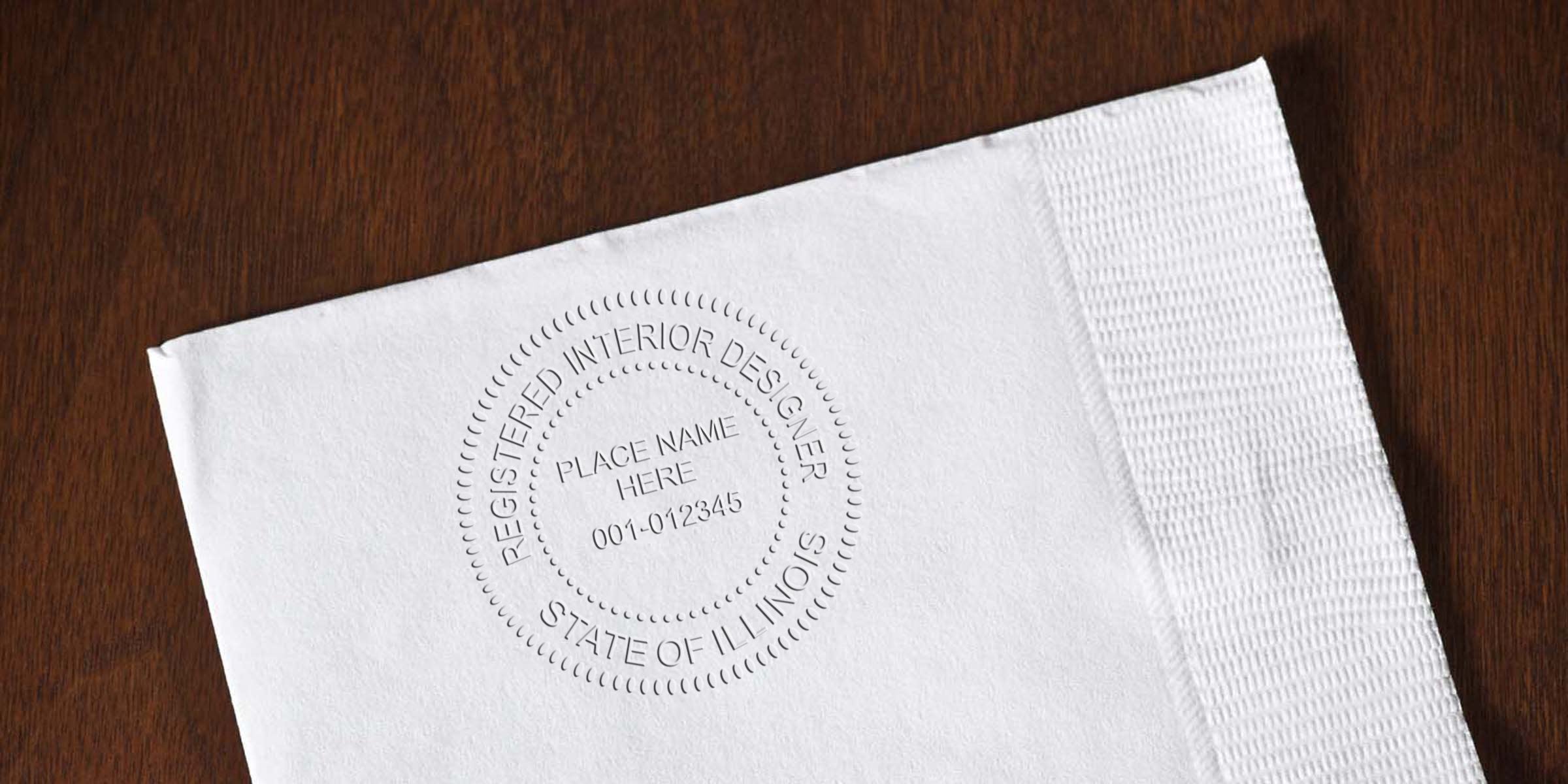
If you’re an interior designer practicing in Illinois, you’ve probably heard about Illinois Interior Designer Seal Size Specifications. Getting the dimensions right matters more than you might think. In fact, if you use a seal that doesn’t comply with local requirements, your documents could be invalid, which can lead to stressful project delays or even rework. No one wants that. In the sections below, you’ll learn exactly what goes into creating a proper seal, why size matters for your professional credibility, and how to avoid slipups that cost you time and money.
Identify the Seal Requirements
Illinois interior designers must follow certain rules to ensure their official stamp or seal is valid. These guidelines typically cover the layout, the text, and, of course, the seal size. You’ll want to confirm the specifications with the state board or professional regulators before you finalize any stamp purchase.
- Start by reviewing the official design mandates spelled out in the Illinois administrative code for interior designers.
- Check details about wording, border styles, and any required images or symbols.
- Make sure you understand the difference between an interior designer seal and other professional seals, so you don’t accidentally mix them up.
If you’re unsure about all the exact parameters, consider reading more about illinois interior designer stamp requirements. That page covers the basics of layout, text, and usage, so you won’t accidentally overlook little rules that might invalidate your seal.
Understand Why Size Matters
You might wonder, “What’s the big deal about half an inch here or there?” The truth is, your seal isn’t just decorative. Officials rely on it to confirm your credentials and validate the documents you sign. If the size is off, the imprint could appear unclear or fail to capture the small text and design elements that confirm it’s yours.
A properly sized seal:
- Shows the entire text clearly, without distortion.
- Fits neatly on standard pages and documents without crowding other elements.
- Maintains legibility when photocopied or scanned, which is especially important in digital workflows.
Remember, your credibility rests on how clearly you present those legal frameworks. Design boards and city agencies often examine your documents closely. If they can’t see your name or license number, it’s like you didn’t even provide a seal.
Comply With Design Standards
Once you understand why the size matters, it’s time to make sure everything else lines up. A typical compliance layout includes your name, the phrase “Licensed Interior Designer,” and your license number. Illinois has distinct text requirements, so confirm you’re using the correct wording.
Elements Often Required
- Your full legal name
- State-licensed interior designer reference
- Accurate license number
- The words “State of Illinois” or similar mandated text
Incorporating Graphics
Some seals include a state outline or specific icon. If this is part of your design, ensure the graphic doesn’t crowd or make the text illegible. Keep plenty of blank “breathing room” around the graphic and wording. This helps the entire seal look balanced and professional, even when stamped multiple times on the same sheet.
Avoid Costly Oversights
It’s easy to slip up on something as technical as seal creation, especially if you’re pressed for time. While a minor error might not sound like a huge deal, any mistake can hold up crucial approvals. Let’s be honest, the last thing you want is to be in the middle of a design project only to find that your documents need revisions because the seal was the wrong size.
Here are a few common pitfalls:
- Ordering a seal with incorrect dimensions that lead to unclear or cut-off text.
- Forgetting to check the local coding updates, which may have changed the required design elements.
- Relying solely on an older seal from a previous state or license type without verifying it meets Illinois guidelines.
A simple double-check—measuring your seal’s diameter and matching it with Illinois interior designer seal size specifications—can spare you a frustrating do-over.
Select Your Stamp Material
Choosing the right materials for your seal can dramatically affect how your impressions look on paper. Some designers prefer pre-inked stamps because they’re convenient and produce crisp images. Others like self-inking stamps, which are fairly quick to use and require fewer refills.
Common Types of Stamps
- Pre-Inked: Delivers sharp detail, often used for text-heavy or intricate designs.
- Self-Inking: Comes with a built-in pad. You simply press down, and the mechanism re-inks itself.
- Traditional Rubber Stamp: Requires a separate ink pad, but you have full control over ink color and can swap pads to handle different document types.
Whichever route you choose, measure your stamp to be absolutely sure it follows the official instructions. An overly large stamp might not produce a neat impression, especially near page edges. A too-small stamp can omit critical details or look unprofessional.
Explore Electronic Seal Options
In today’s digital landscape, many professionals appreciate the convenience of an electronic seal. If you’re sending contracts, design plans, or compliance paperwork via email, an electronic seal saves you from having to print, stamp, and scan. Plus, it’s an environmentally friendly choice.
- Electronic seals must meet the same Illinois requirements as physical ones.
- You’ll often receive a digital file (like a high-resolution JPEG or PDF) that you place on documents.
- Some states require a special digital signature or encryption method to validate authenticity, so do a little research on what Illinois mandates.
A helpful tip: Some suppliers, like Acorn Sales, provide a free electronic seal with your physical stamp. That way, you have both the physical and digital versions at your fingertips. You can confirm which version is best for each project without extra hassle.
Rely on a Trusted Supplier
Ordering your seal from a random source could mean you end up with subpar materials or an incorrect imprint. A reputable supplier ensures you don’t waste money on a seal that doesn’t align with Illinois regulations.
Acorn Sales—a trusted supplier for Illinois Interior Designer stamps and seals—has been in the stamp-making industry for over 60 years. Their team knows precisely how to meet local demands, and they’ll guide you if you’re uncertain about any special details. They also bundle in that free electronic seal, so you don’t have to spend extra for digital convenience.
Why Experience Matters
- Knowledge of each state’s standards helps you get it right the first time.
- Quality materials ensure the seal holds up to repeated stamping.
- A helpful support staff can answer your questions about customizing fonts or adding licensed text.
When your peace of mind—and often your licensing compliance—depends on a well-crafted seal, going with a trusted, legacy supplier is one of the best decisions you can make.
Key Takeaways
- Make sure you understand and follow all official Illinois guidelines, including precise seal size requirements.
- Keep your design standards in check: required text, license number, and possible graphics should be legible and properly arranged.
- Avoid pitfalls by measuring twice, verifying any regulatory updates, and not reusing outdated stamps.
- Consider electronic seals for modern workflows—they save time and reduce printing costs.
- Choose a reliable supplier like Acorn Sales, which has more than 60 years of experience, ensuring you get the right size, style, and official compliance.
Seals might seem like a small detail, but they speak volumes about your professionalism and attention to detail. With the correct stamp or seal, your documents will look polished—and more importantly, they’ll meet every requirement set by Illinois authorities.
By paying close attention to details like seal size and format, you’ll protect your professional license and maintain your reputation. Think of your seal as your personal signature on design documents—it should be accurate, easy to read, and fully compliant with state rules.
Frequently Asked Questions
How Do I Know the Correct Size for My Seal?
You should consult the latest Illinois administrative code for interior designers. Most designers aim for a diameter that keeps text legible without overwhelming the document. Check any updates regularly because size specifications can change over time.
Can I Reuse My Seal If I Move from Another State?
In many cases, no. Different states have different guidelines. It’s always best to verify with local authorities or a professional supplier to ensure your seal meets Illinois interior designer seal size specifications and official design rules.
Is a Digital Seal Acceptable on Legal Documents?
Yes, as long as it meets Illinois’s standards. You need to confirm whether the electronic format is permissible for your specific projects, though most digital documents today are recognized if they contain authorized signatures or encrypted seals.
Where Can I Get Both a Physical and Electronic Seal?
A specialized supplier like Acorn Sales can provide both. They offer a free electronic seal with each physical stamp, so you’ll have both versions ready to go. This is especially handy for interior designers who mix paper-based and digital submissions.








