
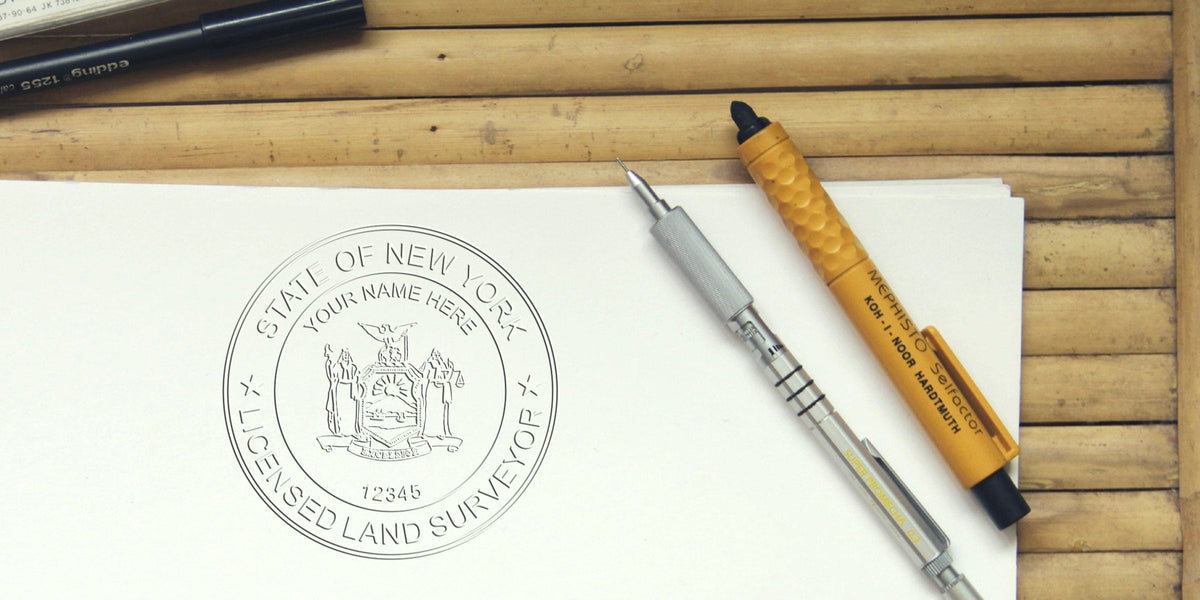
Understand the Seal’s Role
If you’re trying to avoid costly mistakes with your New York Land Surveyor Seal, you’re in good company. After all, a land surveyor seal in the state of New York is no technical detail; it’s an essential part of your professional documentation. On boundary surveys and official plats, your seal plays an important role in validating the authenticity of your work. But how do you make sure you’re using it correctly?
A key starting point is recognizing the seal’s main purpose: verifying that you, as a licensed surveyor, stand behind the accuracy of specific measurements and conclusions. In other words, you’re giving your official stamp of approval. If someone ever challenges your findings, your properly used seal becomes important evidence that you followed state laws and industry best practices.
The Legal Foundation
In New York, the seal requirement is not a friendly recommendation. It’s mandated by state law to ensure public safety and maintain professional standards. Your seal confirms you hold a valid license, and that you produced (or supervised the production of) the documents you’re signing. While it might feel like one more piece of red tape, using your seal correctly protects you from liability and reinforces trust with clients, municipalities, and the broader community.
Common Misunderstanding
A lot of first-time surveyors think the seal is just a fancy signature or a logo that adds flair to their documents. But that’s not the whole picture. The seal has formal requirements, including how it’s formatted and placed. Overlooking these rules can cost you time, money, and even your reputation. Before stamping every page, you need to learn the legal nuances, otherwise, an incorrectly placed or outdated seal could invalidate your entire survey.
Check Legal Requirements
So how do you ensure your seal meets legal standards? Generally, the New York State Education Department (NYSED) outlines what your seal must include, from the exact wording to specific dimensions. While these regulations might feel tedious, you’ll thank yourself later for getting the details right the first time. Mistakes in this stage can lead to rejected filings or potential legal consequences.
Signature and Date Rules
The seal alone isn’t enough. In most cases, you must also sign and date each important document or map. Some surveyors forget that a signature must accompany the seal for it to be valid. If you’re not careful, you could end up with a sealed document that lacks a date or a signed acknowledgment of your license number. That small oversight can raise questions about the document’s authenticity.
- Always write the date near or across your seal.
- Double-check your signature legibility.
- Use ink that contrasts with the color of your seal (especially if the seal is embossed).
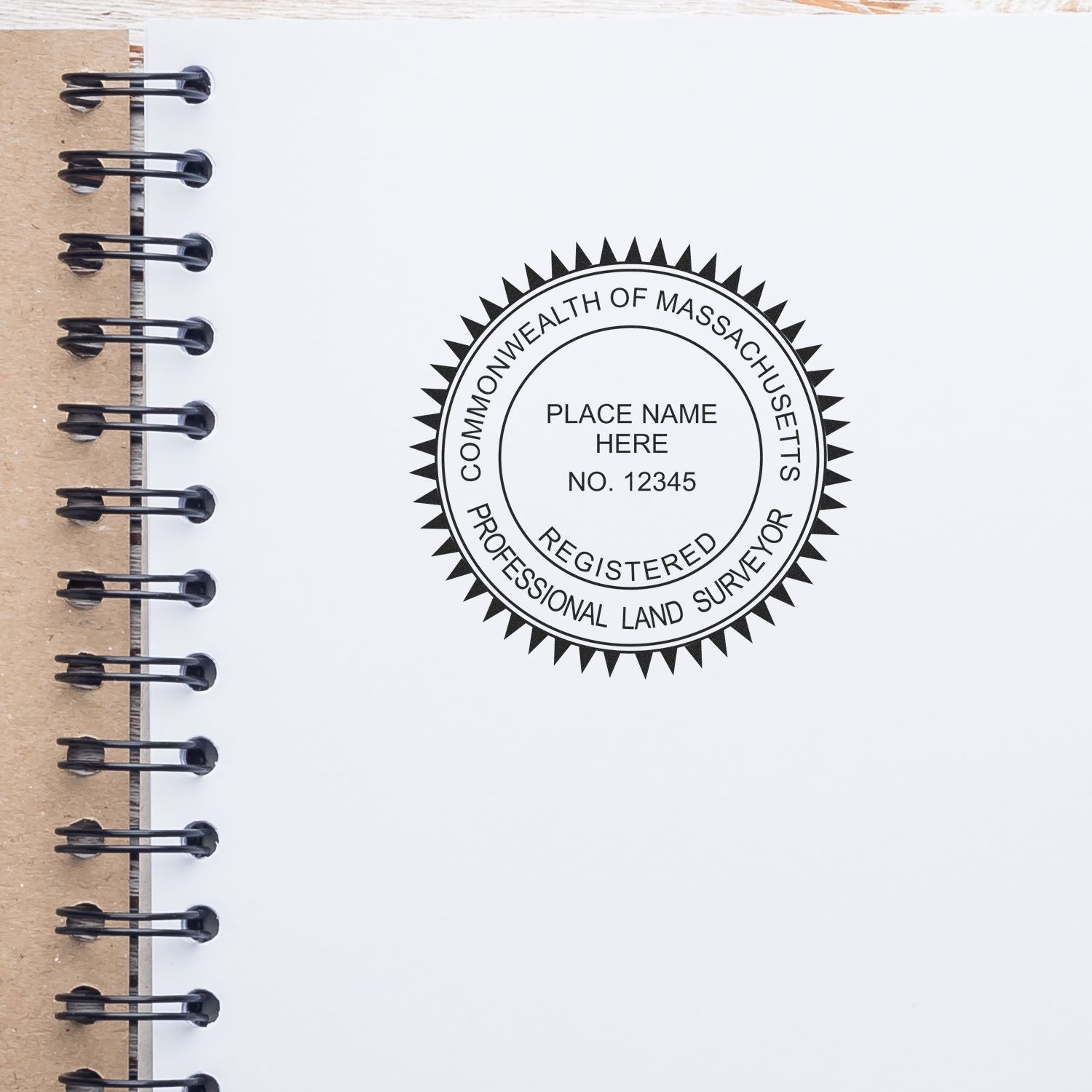


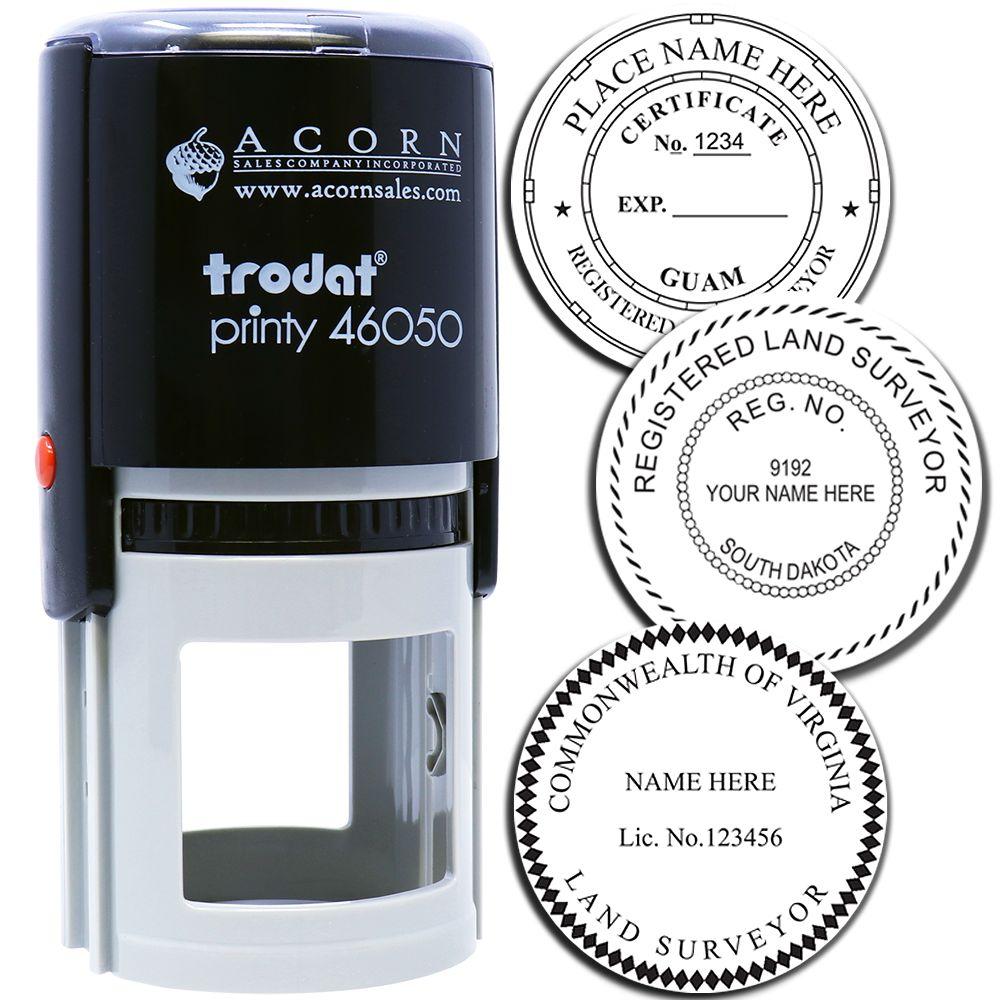
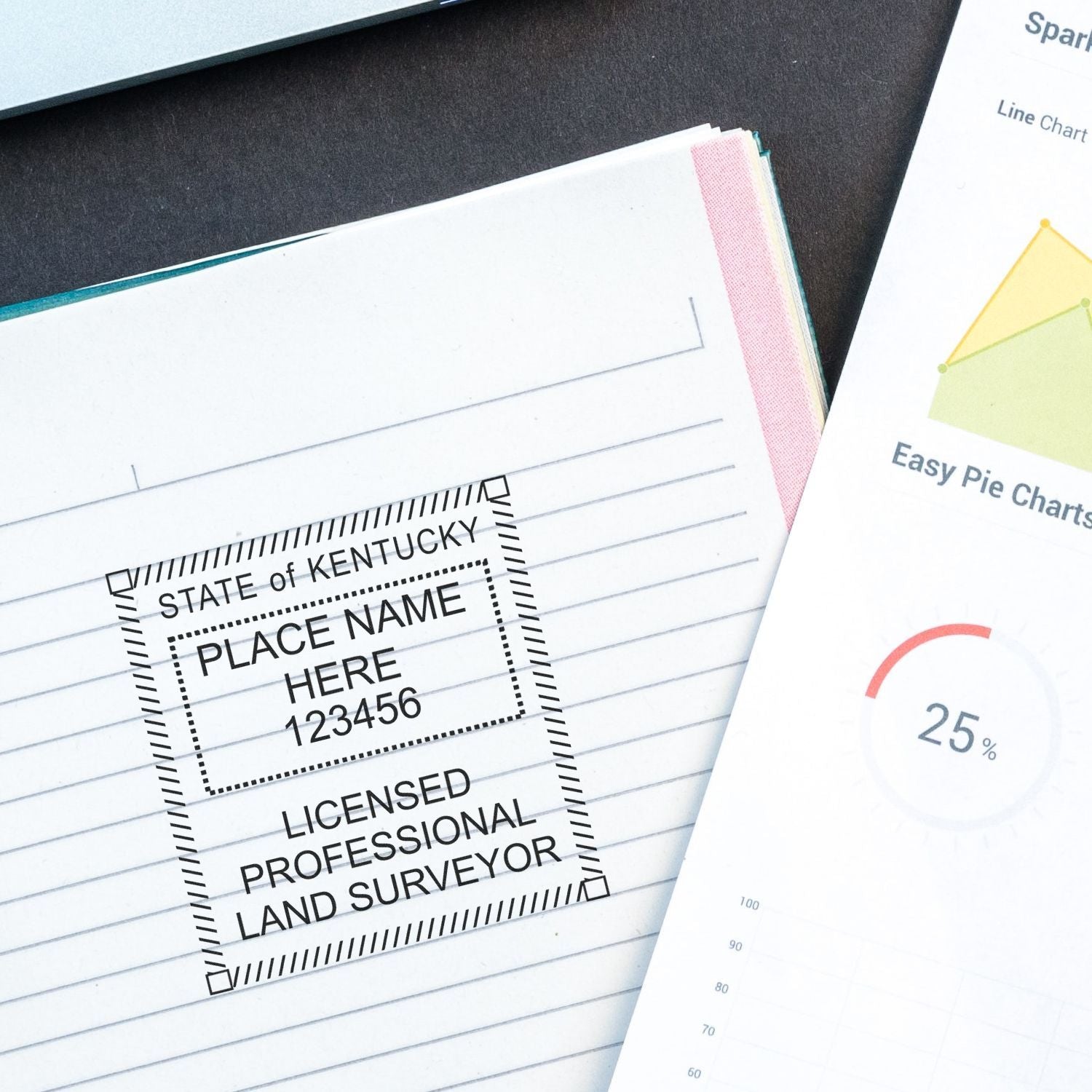
Placement Guidelines
Have you ever wondered where on the page your seal belongs? There’s no universal one-size-fits-all rule, but many state agencies prefer you place the seal near the title block or the concluding remarks of your survey. Too close to the edges can lead to smudging or cutting off important text. Too central can confuse your plan layout.
- Align your seal so it’s easy to see, but doesn’t obstruct lines or labels.
- Give yourself enough blank space around the seal to keep everything legible.
- If you’re digitally affixing your seal, confirm that any digital watermark or overlay doesn’t interfere with your name and license number.
Avoid Common Oversights
Imagine you’ve stamped your plans, turned them in, and then discovered an error that voids the entire document. No one wants that scenario. The key is to be aware of the pitfalls that frequently trip up land surveyors in New York.
Overstamping or Illegible Marks
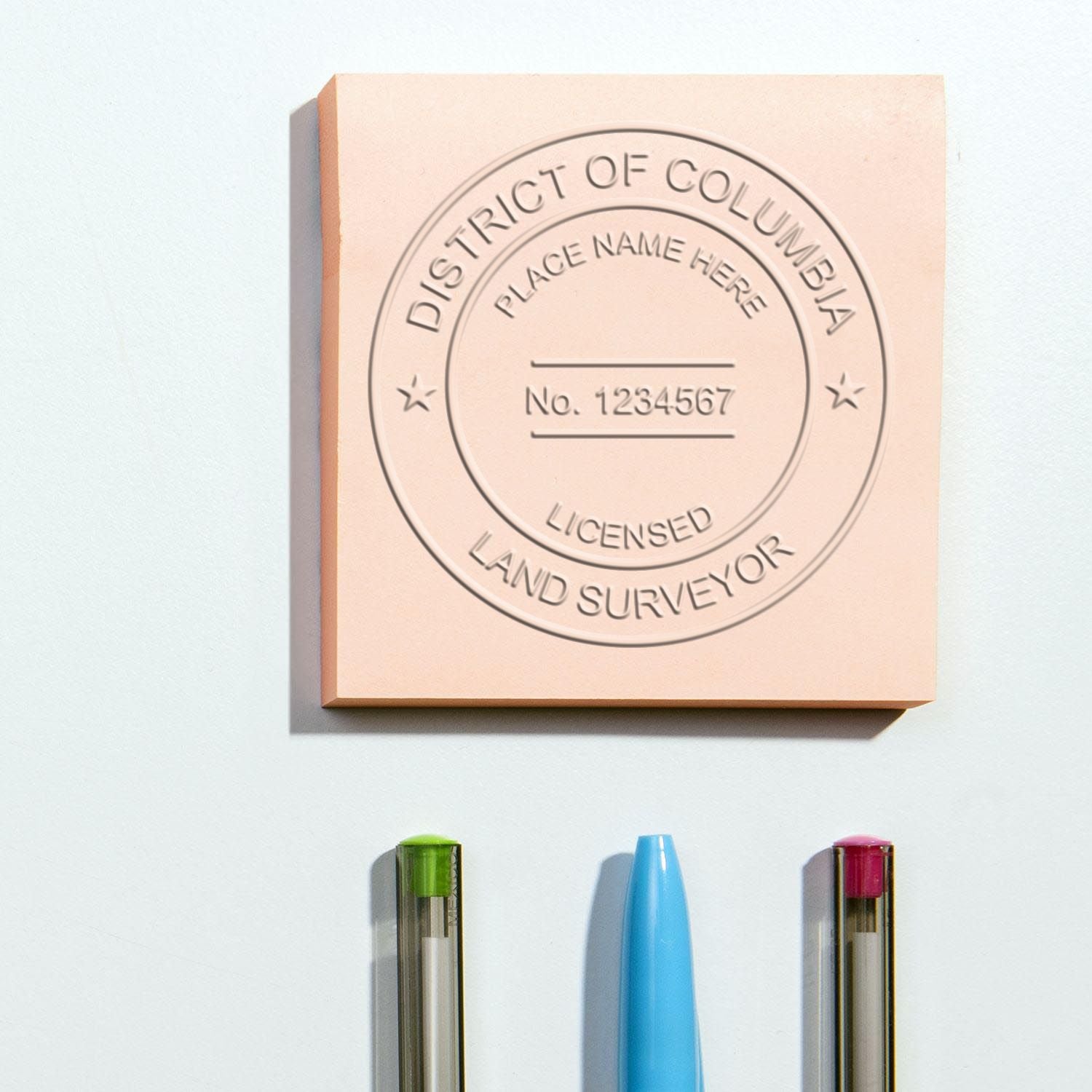
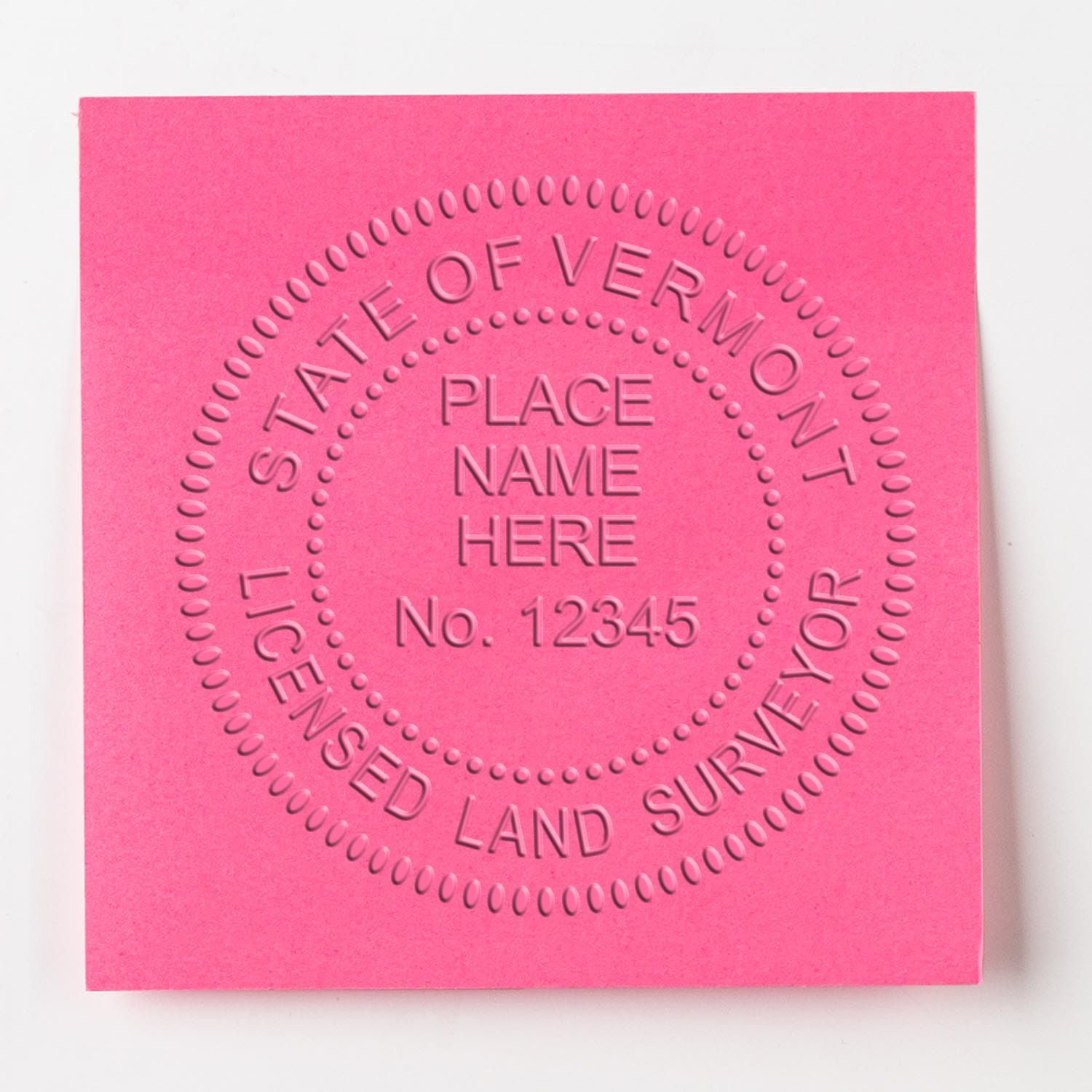
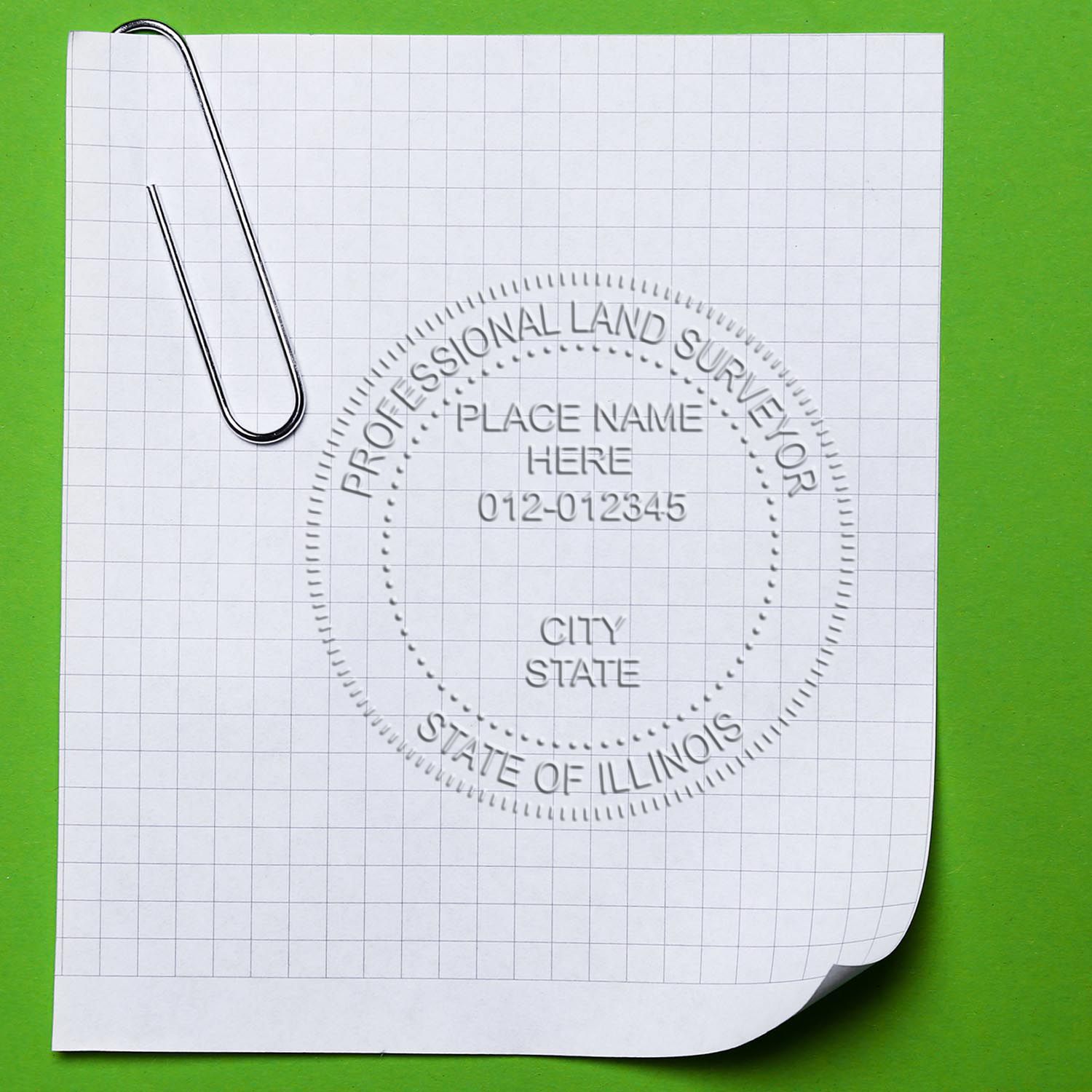
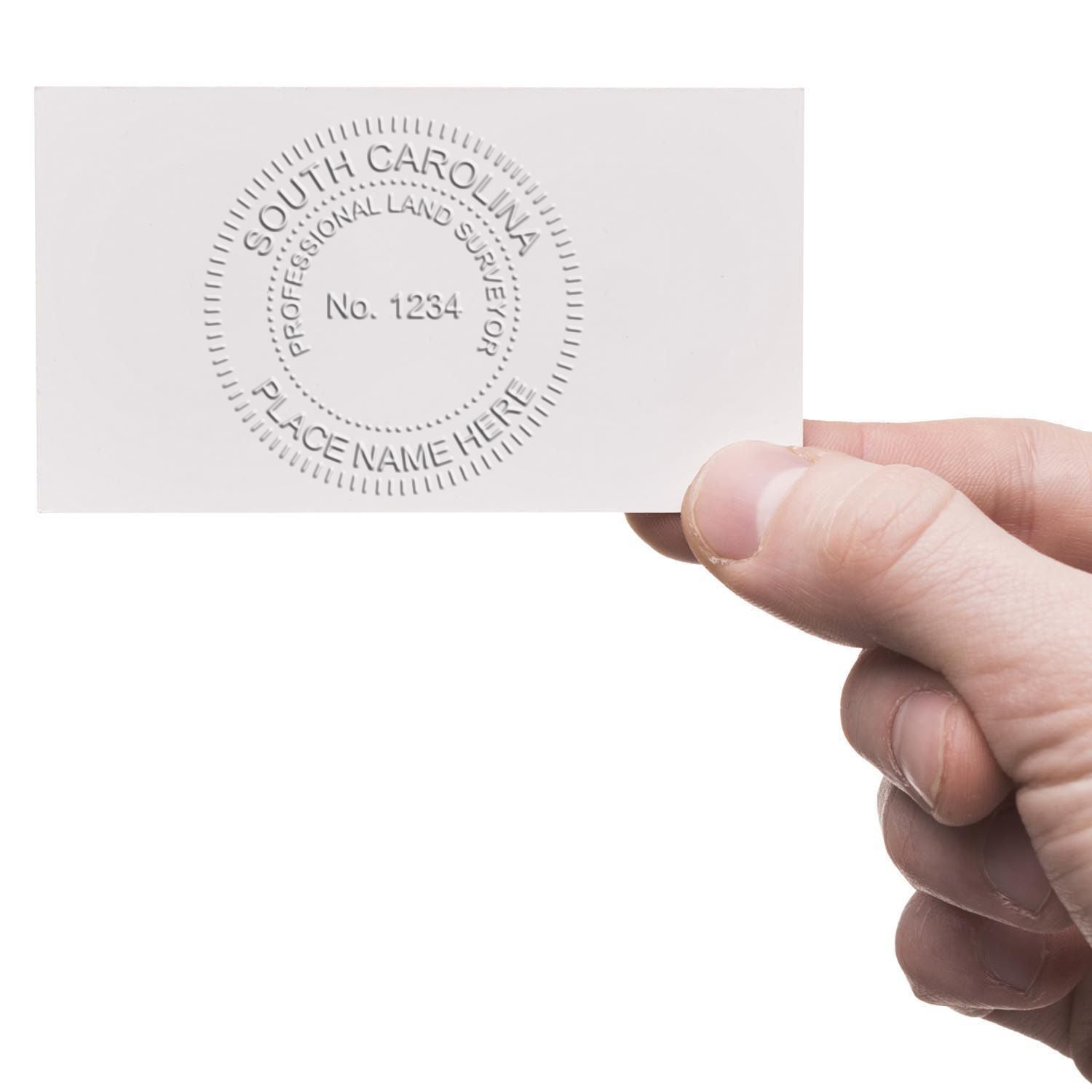
One surprisingly common error is applying too much pressure on ink or embossing seals, causing smudges or partial impressions. Stamped images that are too dark or faint can look unprofessional and may be rejected. It’s worth practicing on scrap paper before sealing your final documents. For embossers, keep an eye on paper thickness, if the paper is too thick, the impression might be incomplete.
If you’re wondering whether you can restamp over a faint mark, the short answer is: proceed with caution. Overstamping can lead to a jumbled mess that’s tough to read. It’s usually safer to start with a fresh document if the impression isn’t clear.
Expired or Unregistered Seals
your seal can become invalid if your license lapses? This detail is easy to miss, especially if your renewal cycle gets overshadowed by busy project deadlines. An expired license means your stamp carries no legal weight, putting your projects and reputation at risk. Mark your calendar for license renewal dates, and consider automating reminders so you never fall behind.
- Verify your license status before stamping an official document.
- Keep track of your continuing education credits if that’s part of re-licensure.
- Don’t forget to replace or update your seal if the licensing board changes formatting rules.
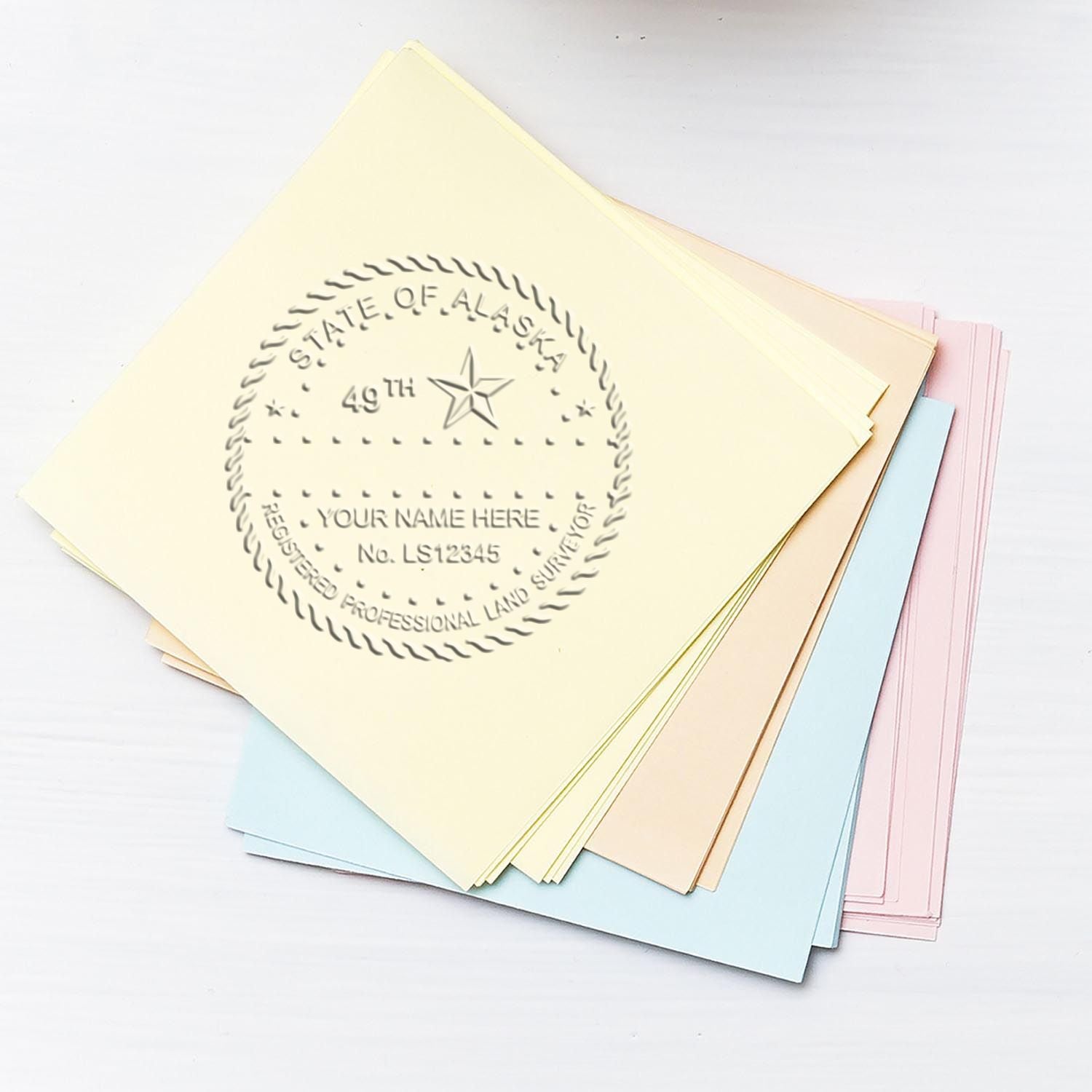
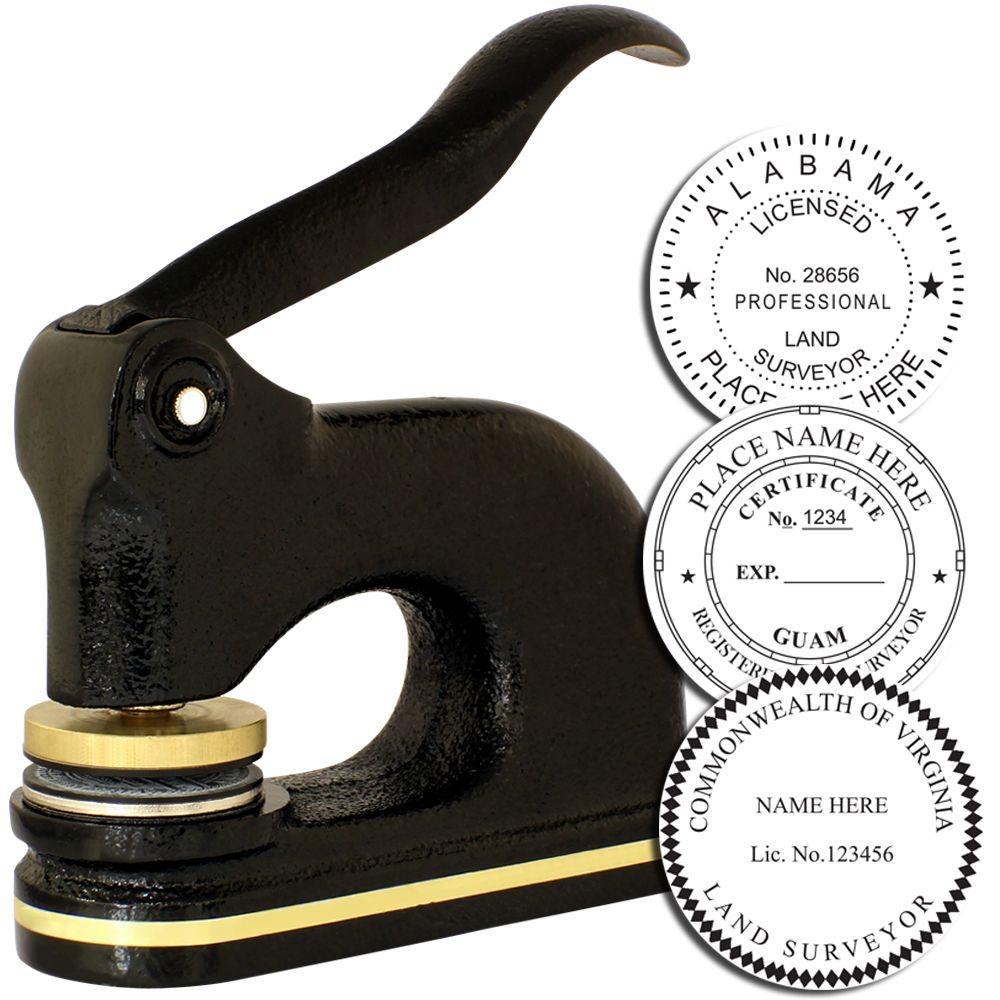
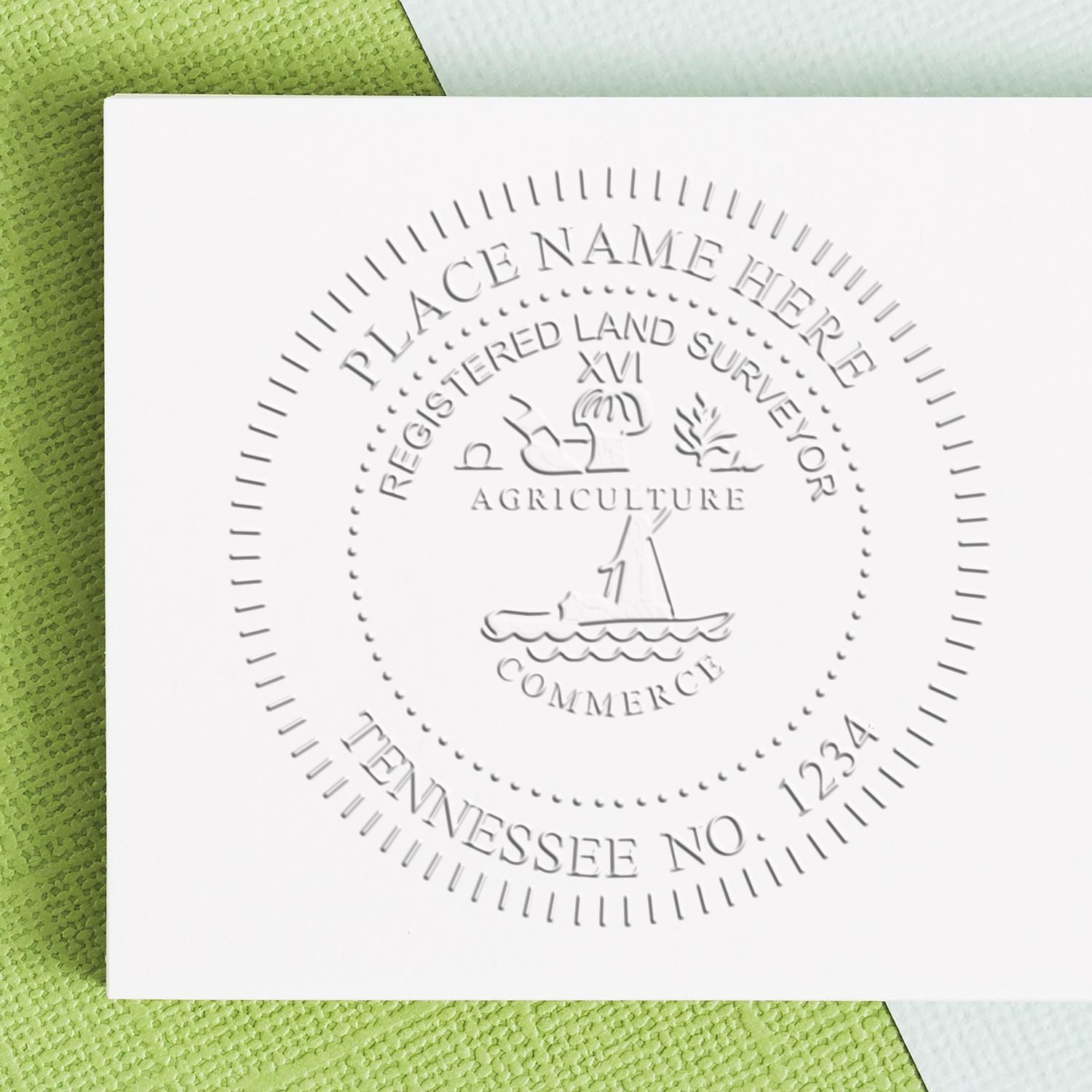
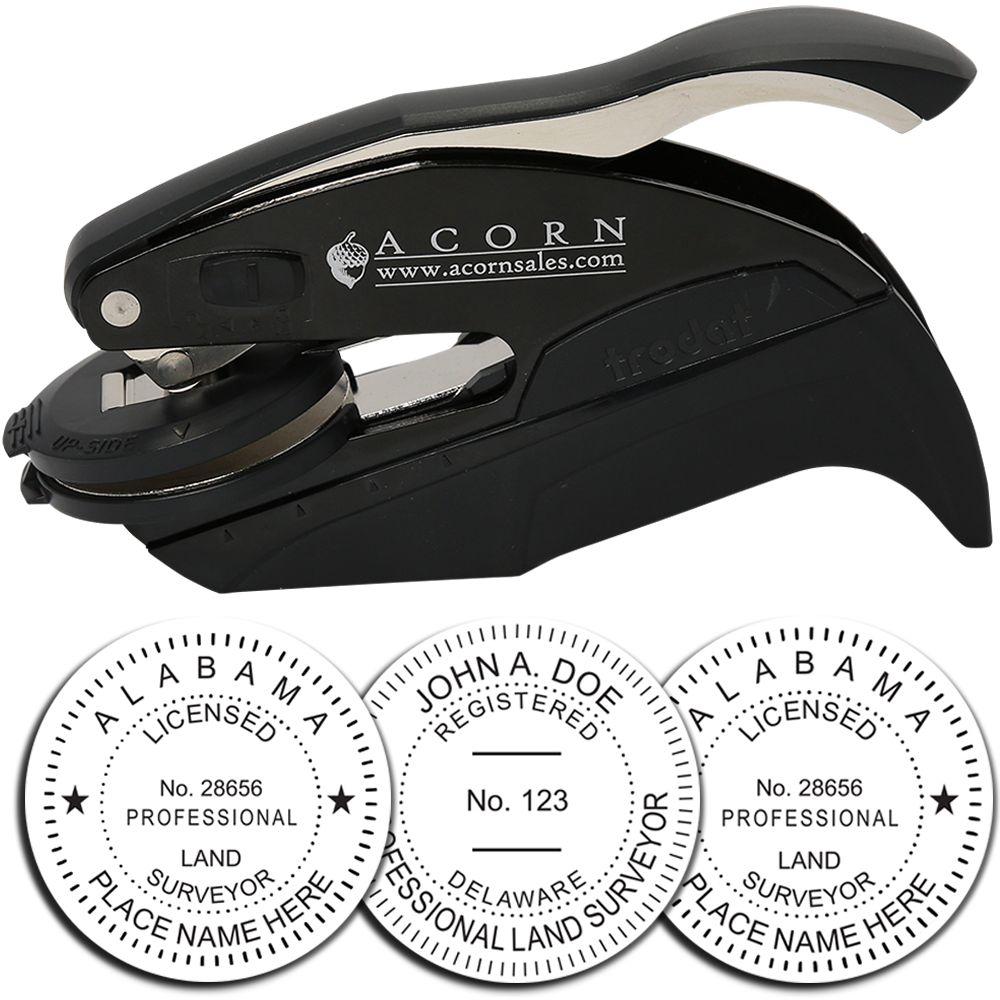
Manage Your Seal With Care
Once you’ve handled the legalities, the next step is practical maintenance. A well-kept seal ensures your marks stay crisp, while a poor-quality or damaged seal can make your documents look messy.
Storage and Maintenance
If you’re using a physical stamp, you’ll want to store it in a cool, dry place, away from direct sunlight. Excess heat can degrade rubber components, leading to warped impressions. Similarly, if you rely on an embosser, keep it clean by wiping off any leftover dust or paper scraps that can accumulate in the crevices.
- Keep extra ink pads on hand, especially if you seal a high volume of documents.
- Check your embossing seals alignment regularly to keep the design accurate.
- Replace worn-out seals promptly, don’t wait until you’re mid-project.
Digital vs. Physical Seals
The modern world is going digital, and land surveyor seals are no exception. Many professionals today opt for an electronic seal that can be affixed to PDFs or other digital documents. In some cases, you can also use a combined approach: physically seal important pages while adding a digital seal to all your deliverables.
So which is better? It depends on your workflow and client needs. Physical seals offer a tangible quality that’s easy to authenticate by touch, while digital seals are more convenient for email submissions and recordkeeping. Just make sure the relevant department or client accepts digital documentation, otherwise, your carefully designed electronic seal might not meet the official requirement.
Partner With a Trusted Supplier
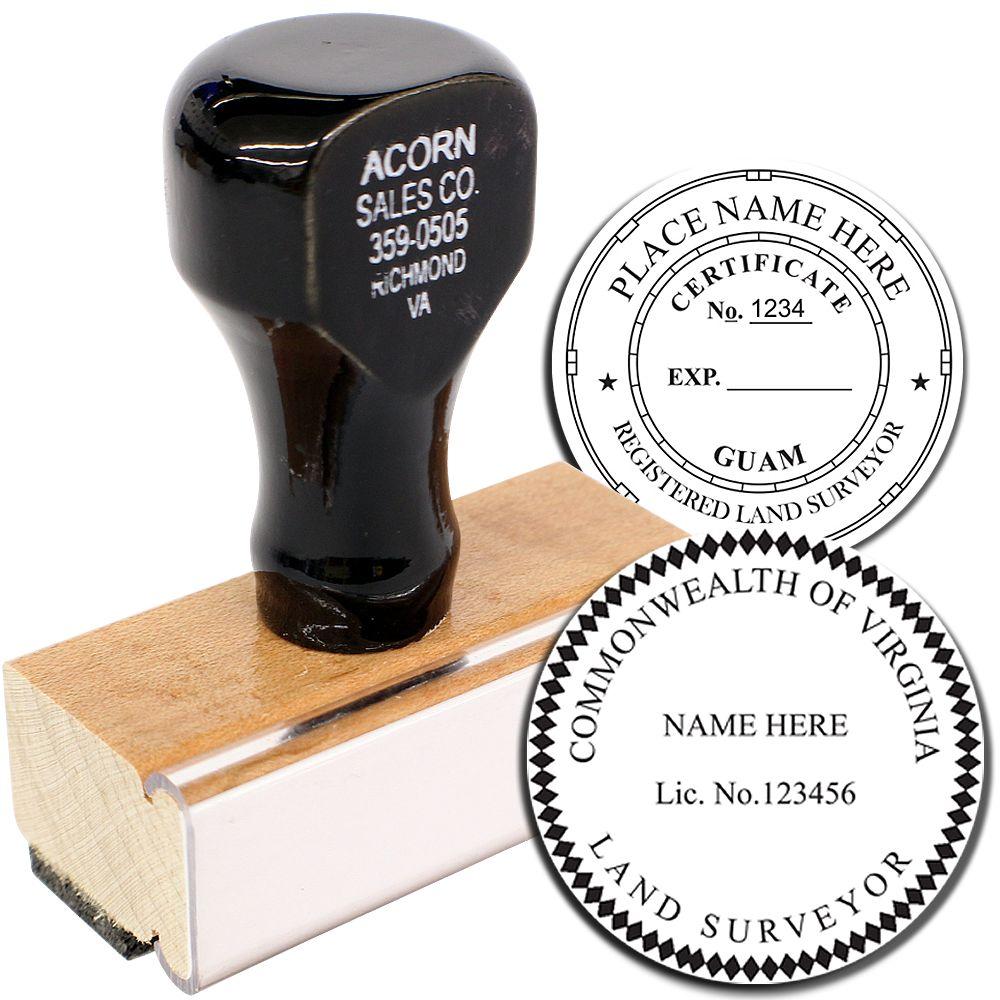
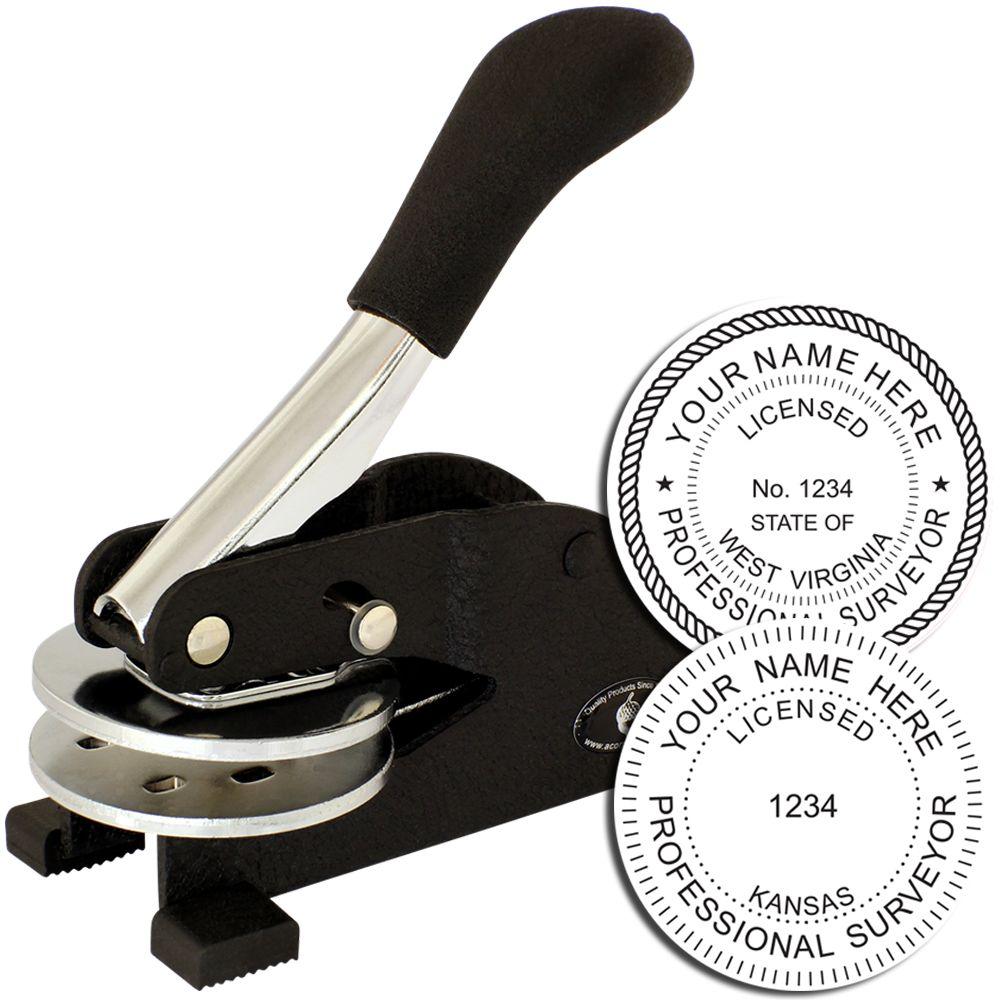
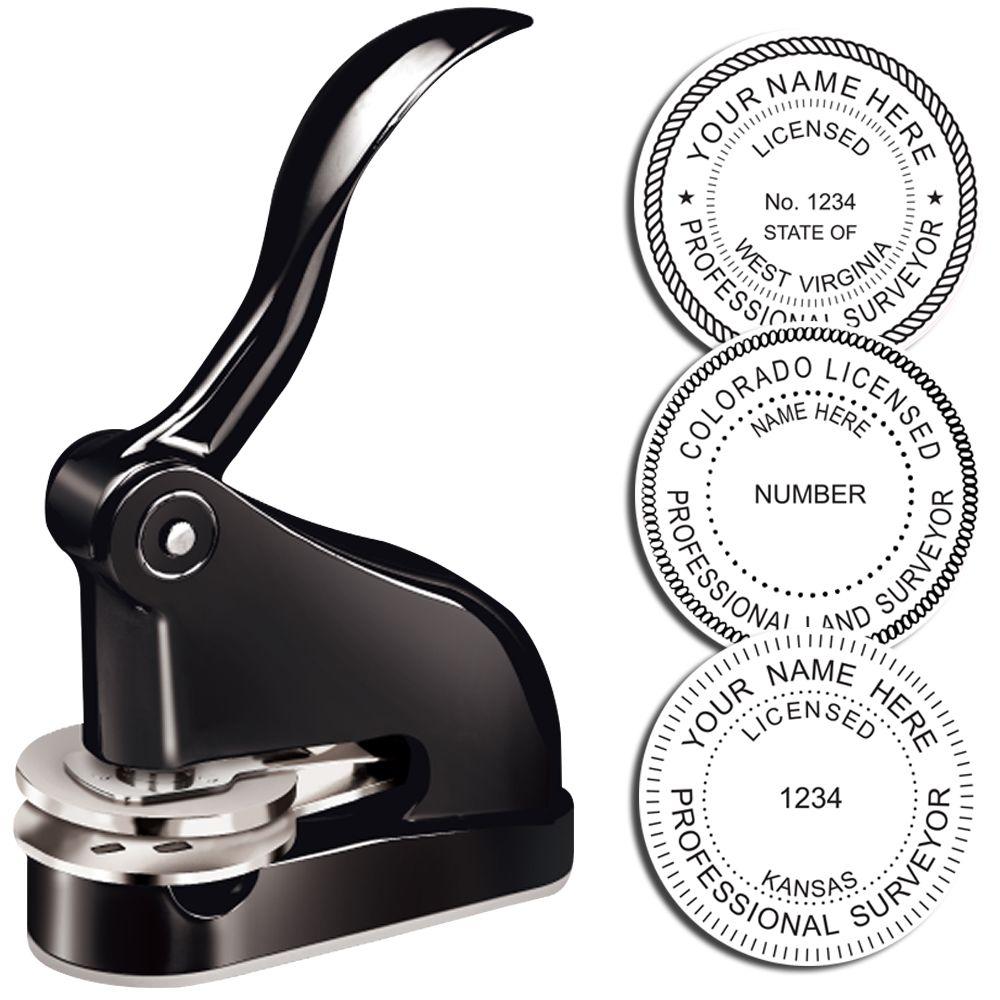
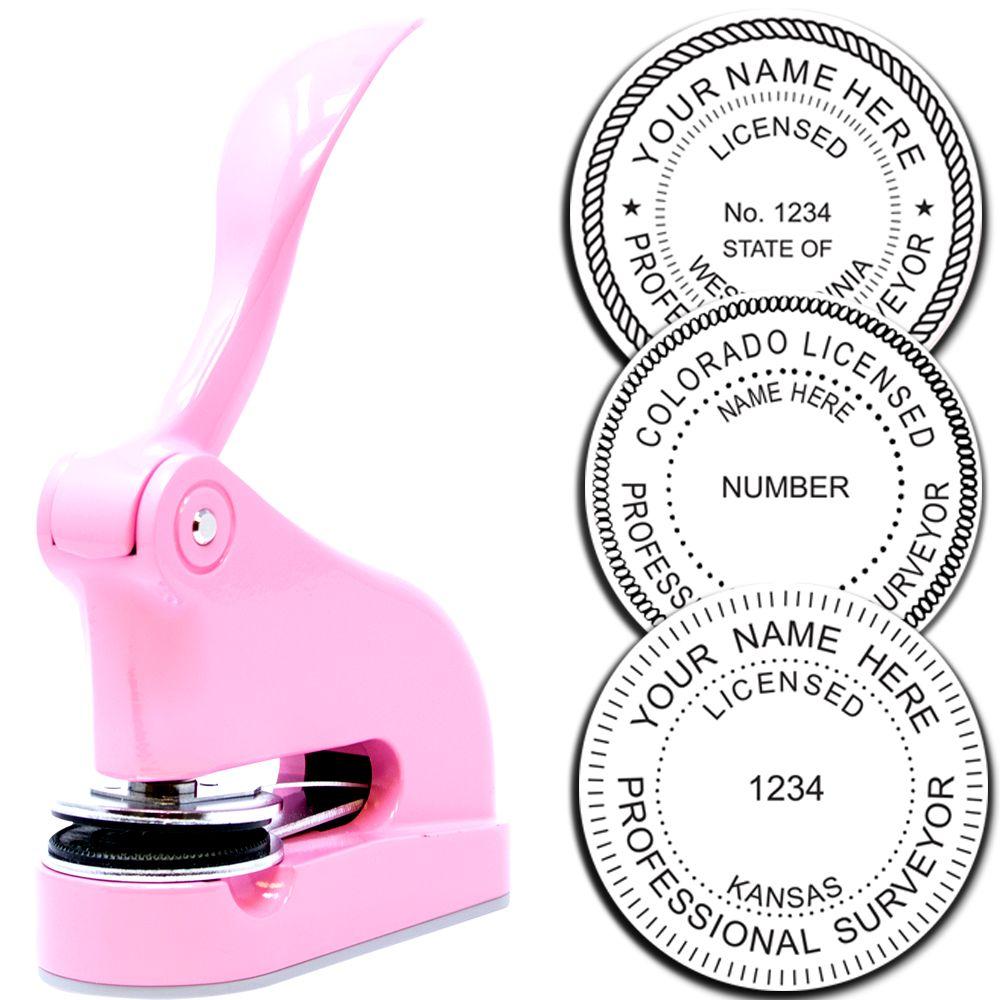
Putting your seal on official documents isn’t where you want to cut corners. When you’re shopping for a new seal or looking to replace an outdated one, partnering with a reliable supplier makes a big difference. At Acorn Sales, we’ve been in business since 1964, providing land surveyors like you with durable, high-quality seals. Our products include both traditional embossers and convenient rubber stamps so you can choose what fits your style.
We’re also proud to offer a free digital seal option for New York surveyors who buy a physical seal from us. That way, you can finalize your paperwork quickly, online and offline. And if you’ve ever been stuck in the middle of a project with a broken or worn-out stamp, you know how important it is to have dependable equipment. That’s why we test each product thoroughly, so you can press, stamp, or click that seal with confidence.
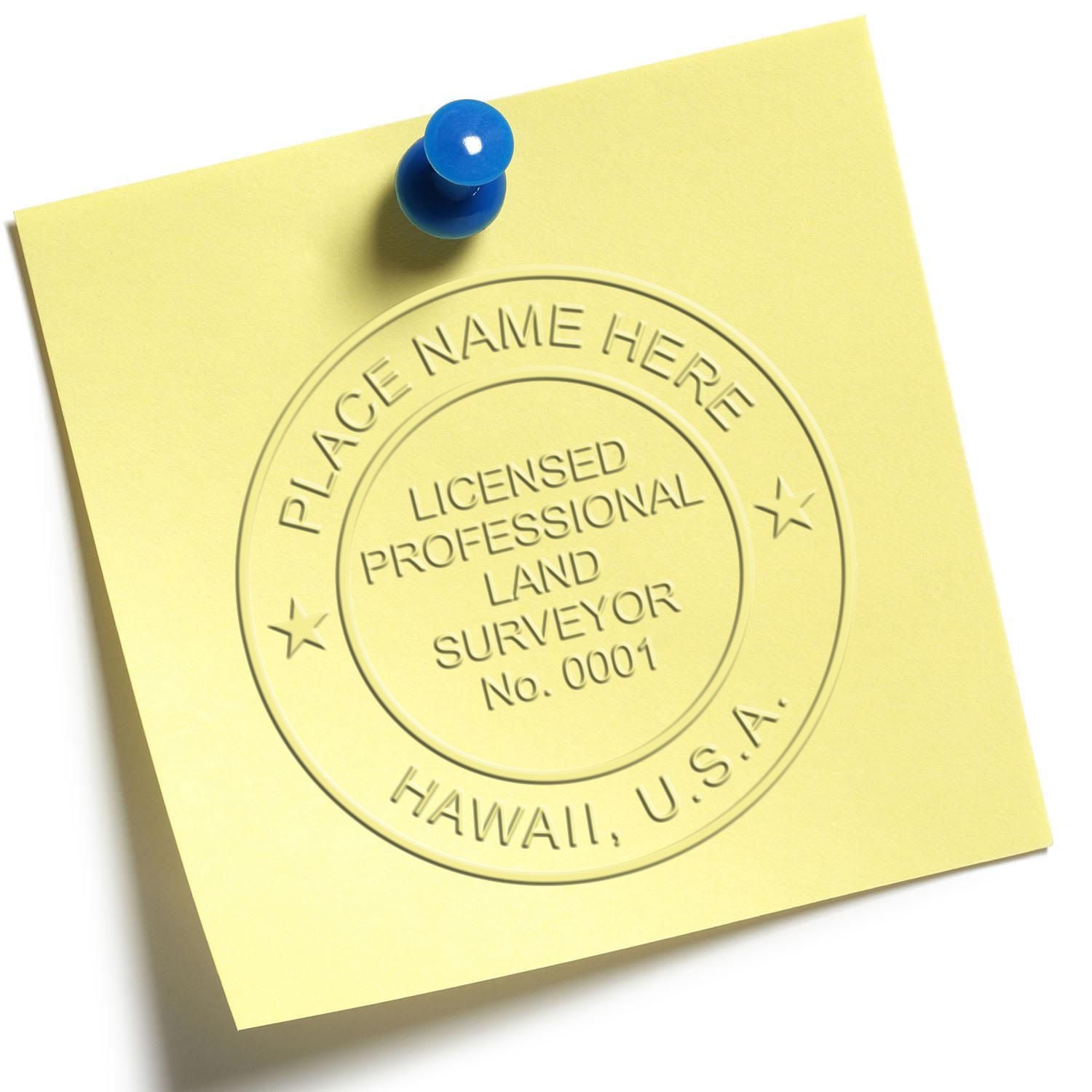
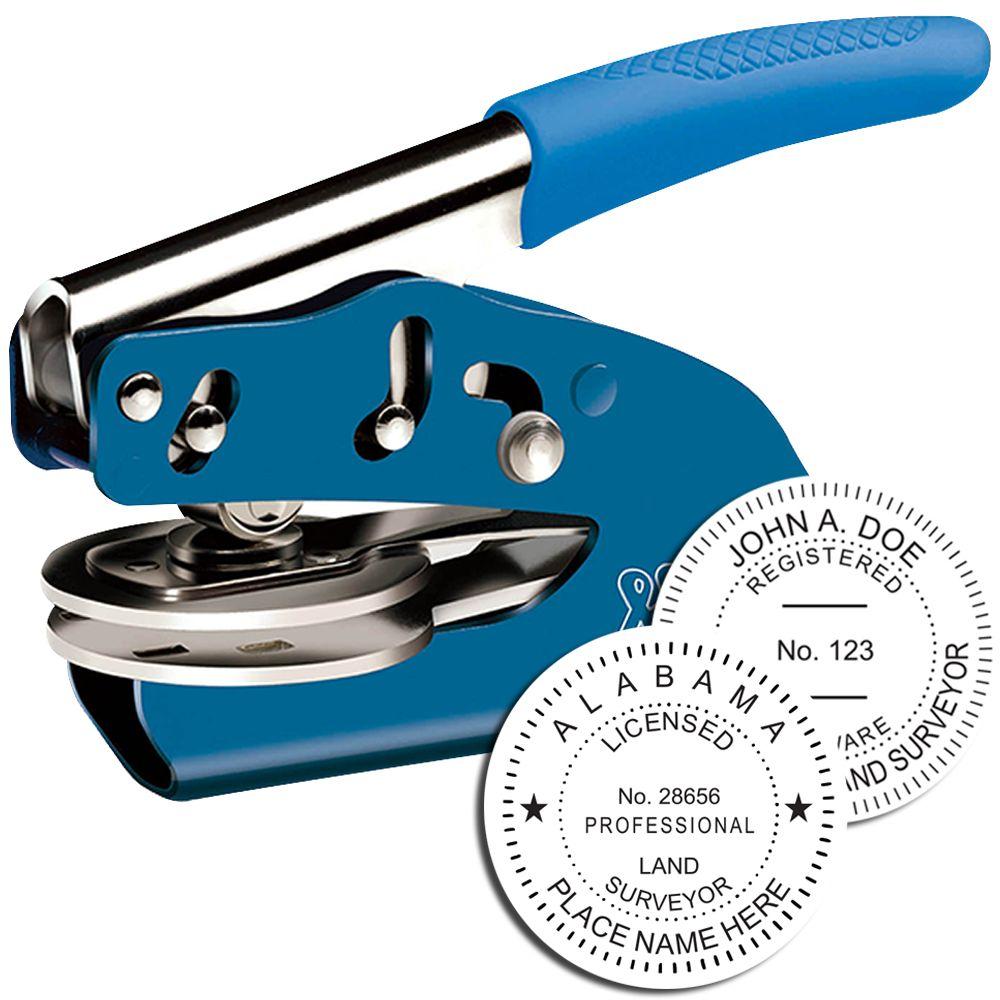
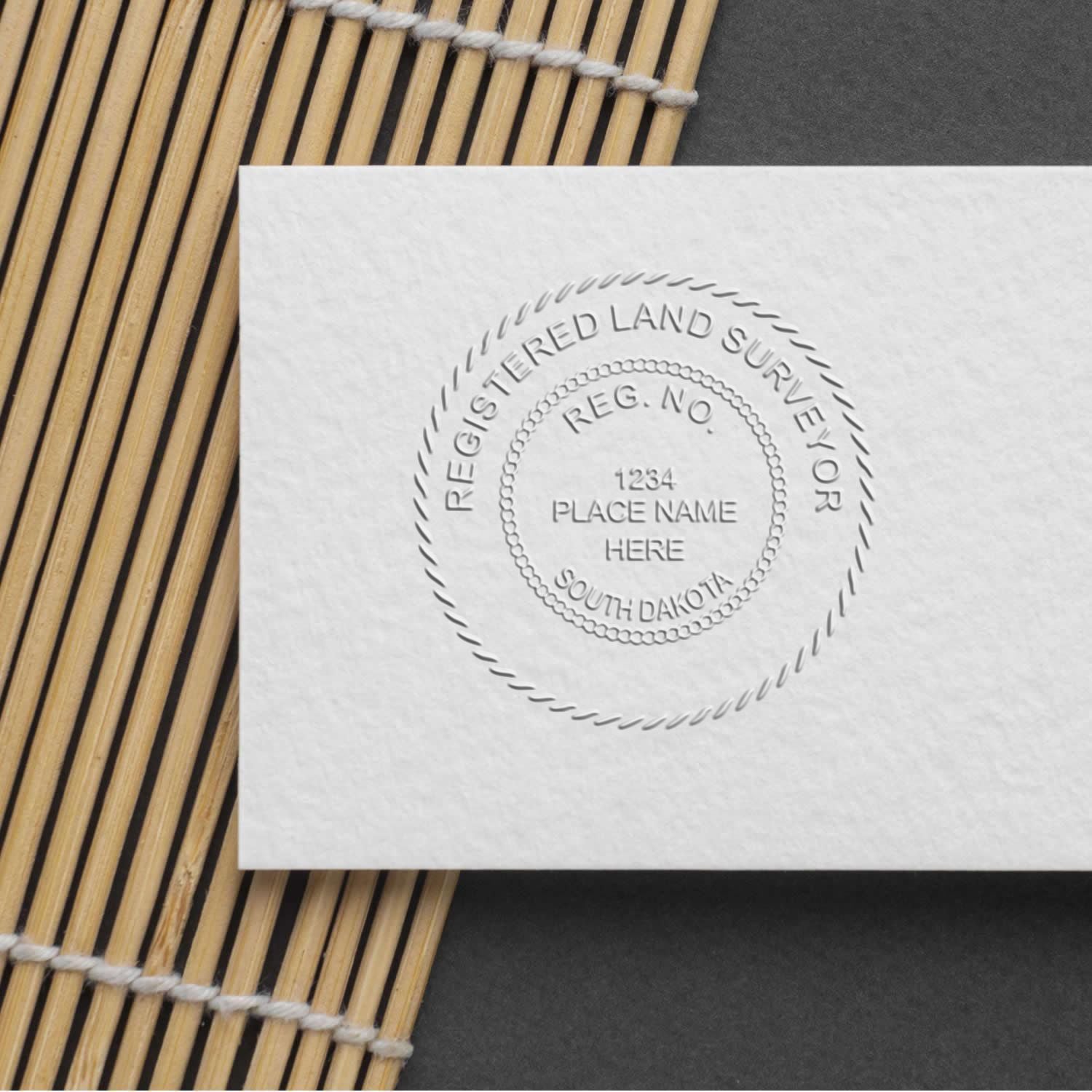
The Right Stamp for the Job
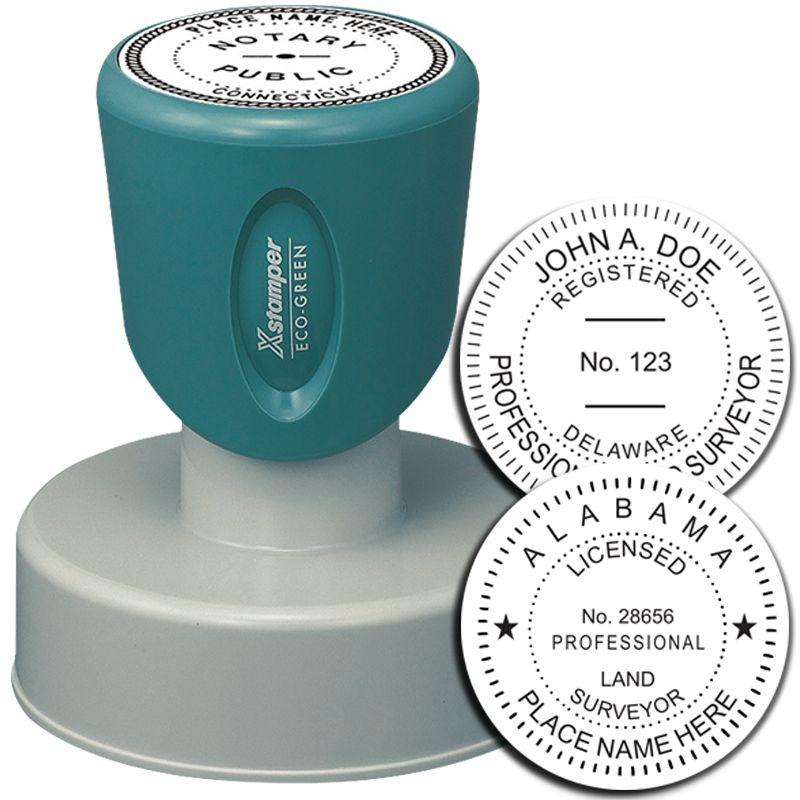
Not sure which product suits you best? Check out our official New York Land Surveyor Stamp catalog. We design stamps to meet the state’s exact guidelines, so you don’t have to sweat the details. Our lineup includes:
- Self-inking models for speed.
- Pre-inked designs for crisp, clean impressions.
- Hand stamps for a lightweight, budget-friendly choice.
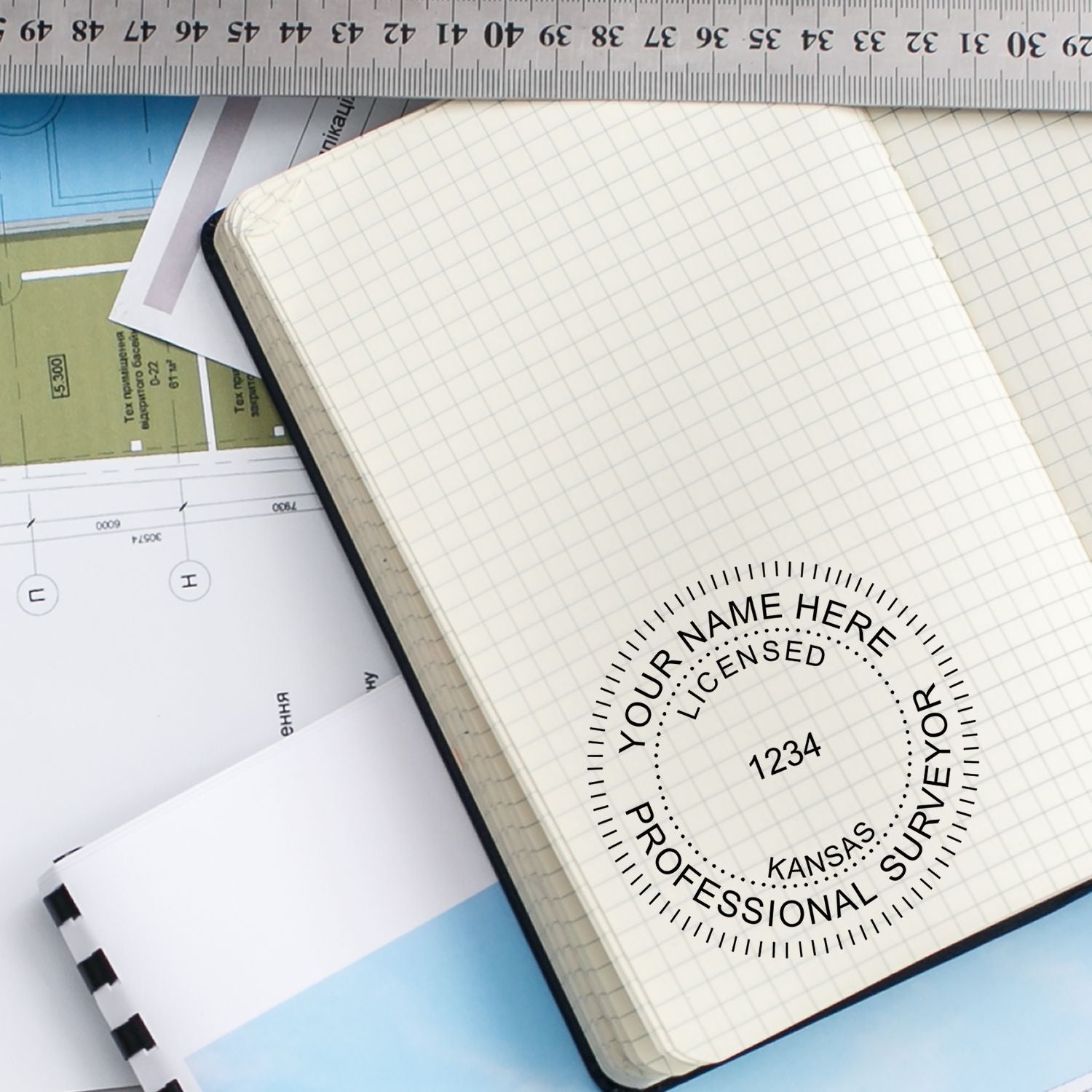
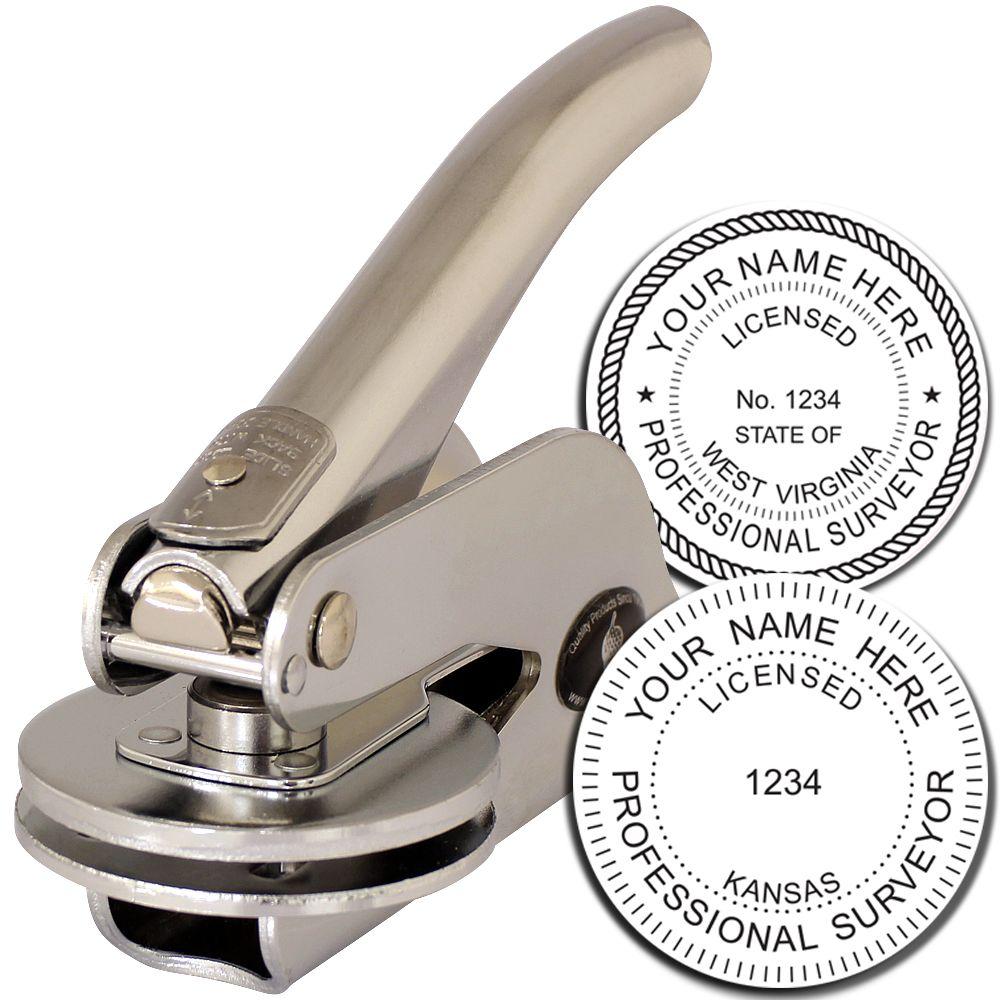
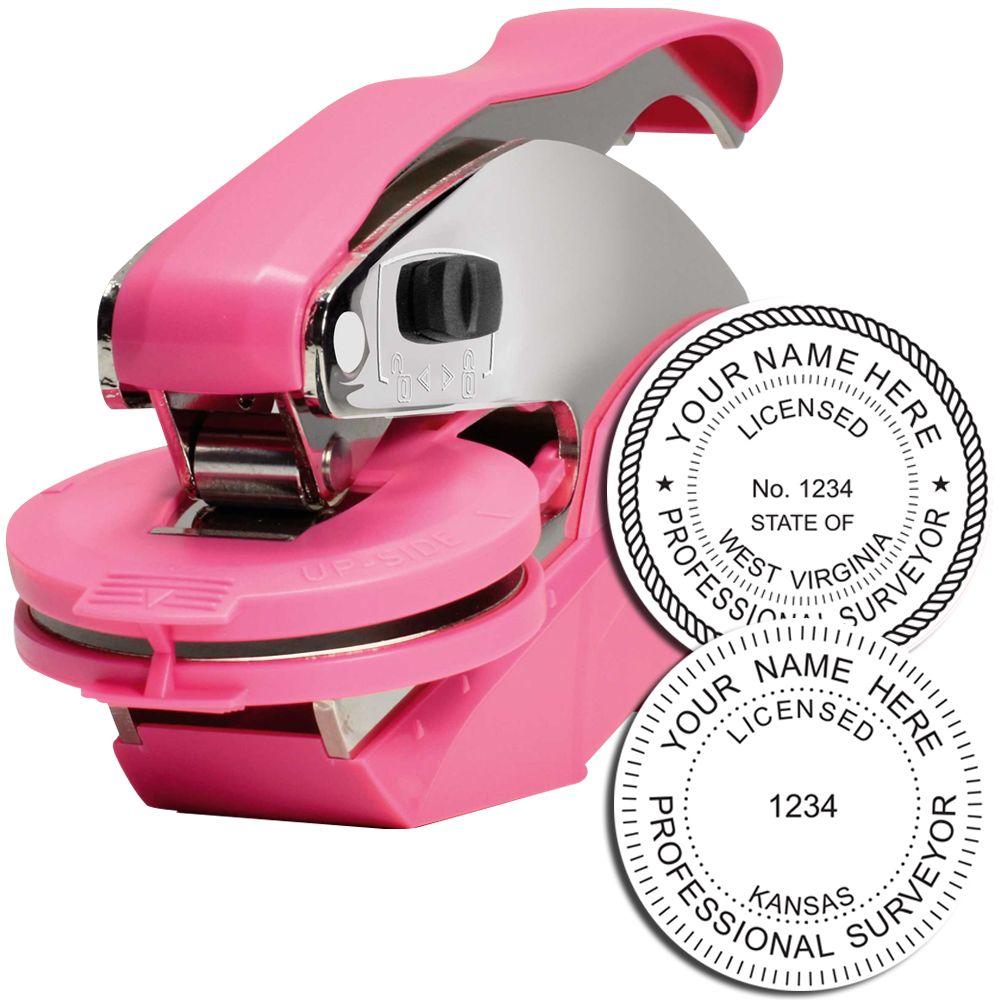
If you prefer an embosser to give your documents a raised seal, we also have several sturdy embossers built to last for years. Whether you need to place your seal on paper notebooks or heavy cardstock, our gear keeps you covered.
How Acorn Sales Supports You
When you partner with a company that’s focused on your needs, you gain more than a seal. Our customer service team offers real-time guidance so you don’t risk ordering the wrong product. We even provide tips on placing your seal correctly, so you can avoid those dreaded reprints. Because we’ve served professionals for over half a century, we understand the unique challenges land surveyors face, from meeting tight deadlines to fulfilling strict state regulations.
Develop Good Sealing Habits
Even the best seal can’t save you if you’re using it incorrectly. Building good habits ensures consistency and helps you avoid last-minute headaches. The real secret? A simple checklist. Before finalizing any project, run through these essential steps:
- Confirm your license status is active and up to date.
- Verify that the survey or plan is complete and recommended for sealing.
- Make a practice impression on scrap paper (if using a physical seal).
- Stamp or emboss your document cleanly, ensuring total clarity.
- Follow up with signature and date in the required spot.
When you establish this routine, you’ll have peace of mind knowing your documents are properly sealed every time. No more sleepless nights worrying you might have missed a technicality.
Helpful Reminders
- Keep updated on any regulatory changes from NYSED.
- Assign a dedicated drawer or folder for completed survey records.
- Mark up a digital log tracking which documents were sealed and on what date.
Embrace Continuing Education
You may feel comfortable with the sealing process now, but regulations can evolve. Periodically review official guidelines to see if the Department of State or the State Board for Engineering and Land Surveying updates any requirements. Staying current demonstrates your commitment to professional excellence and spares you from scrambling if a rule changes unexpectedly.
Plus, many professional associations offer seminars or webinars on best practices, even specialized sessions on sealing protocols. Participating in these programs can sharpen your skills, expand your network, and prove to clients that you’re dedicated to staying on top of your craft.
Why It Matters
Continuing education goes beyond just checking a box for license renewal. It’s your chance to exchange knowledge with fellow surveyors, hear about breakthroughs in surveying technology, and keep an eye on emerging trends (like advanced digital sealing systems). By constantly improving your expertise, you strengthen both your credibility and the credibility of the profession as a whole.
Using the New York Land Surveyor Seal correctly may feel like a complex process at first, but with a little practice and reliable resources, you’ll be stamping like a pro. From double-checking your license status to handling your seal with care, each step reduces your risk of costly errors and rejections. And don’t forget, Acorn Sales is here to back you up. We’ve been assisting surveyors since 1964, offering quality tools, physical stamps, embossers, and free digital seals, so you can focus on your surveys with total confidence. If you keep these guidelines in mind, you’ll find that applying your seal is simply one more valuable skill in your professional toolbox.
Frequently Asked Questions
Do I always need a New York Land Surveyor Seal on every page of a drawing?
Typically, you need to seal each sheet that carries essential technical information. Some surveyors opt to seal just the cover sheet, but many agencies want an impression on all pages where your findings or measurements appear. Check local regulations or client guidelines for the final word.
What if I’ve run out of ink for my physical stamp right before a deadline?
You’re not alone. Always keep a backup ink pad or a spare stamp on hand to avoid a crisis. If you’re in a pinch and you have a digital seal, you might use that method, only if it’s accepted by the agency you’re submitting documents to.
How do I handle mistakes on a sealed document?
If you catch an error after sealing, don’t just scribble it out. In most cases, you should correct the document properly, reprint if necessary, and reapply your seal and signature. Crossing out or modifying a sealed document can raise suspicion about the validity of your data.
Is an embossed seal more official than an ink stamp?
Both embossers and ink stamps can be official, provided they meet New York’s guidelines. The key factor is clarity. Some surveyors prefer embossers for aesthetics and perceived authenticity, but an ink stamp is perfectly valid if it displays your name and license number clearly.
Can someone else use my seal if I’m unavailable?
Absolutely not. Your seal is a personal mark of your professional judgment and stands for your responsibility for the content of documents. Lending your seal, or letting someone else use it behind your back, jeopardizes your license and can lead to severe legal consequences.








