
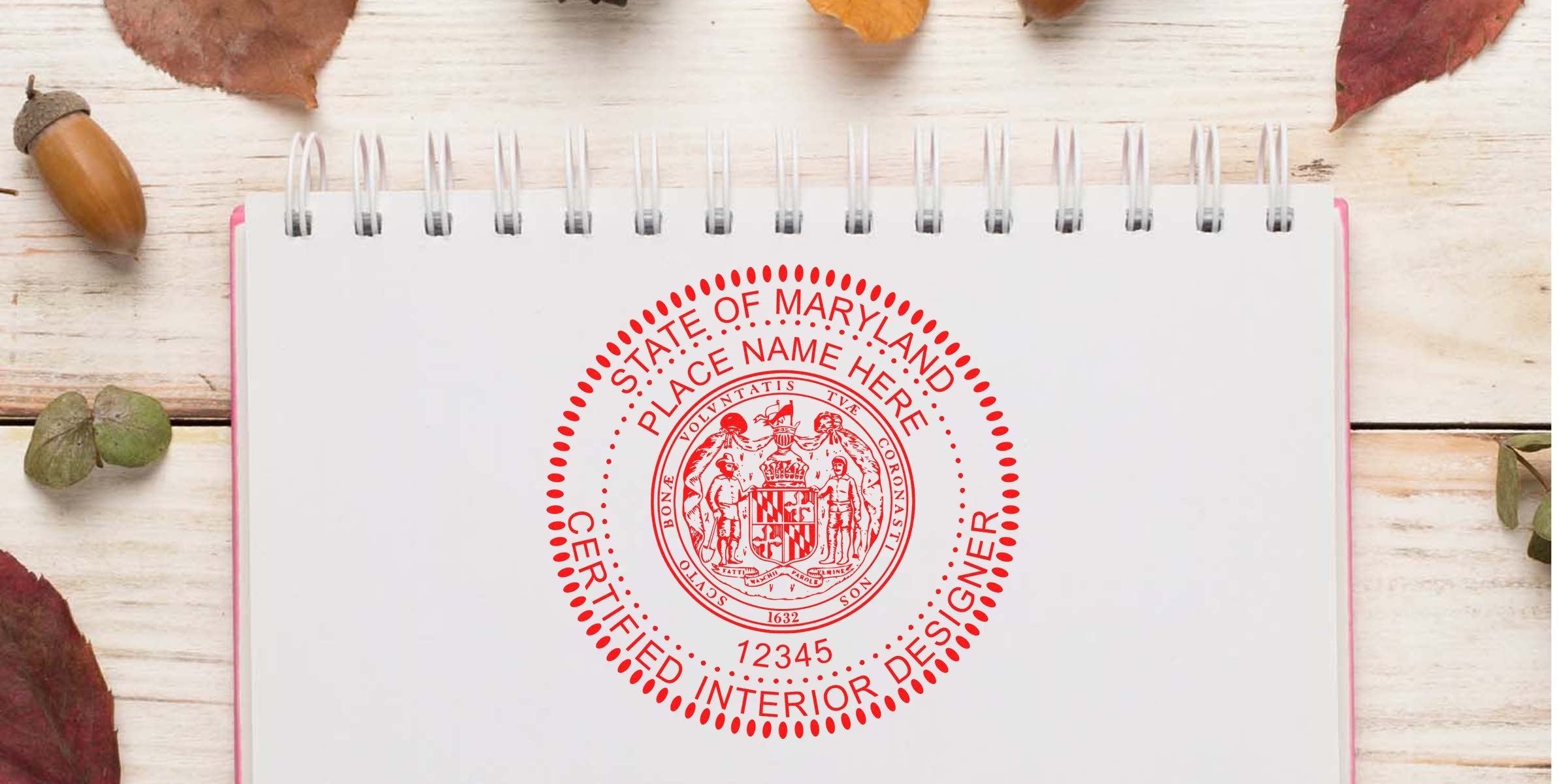
Have you ever wondered if your Maryland Interior Designer stamp is the right size? Size might sound like a minor detail, but it can spell the difference between a smooth submission and an unexpected rejection of your plans. In this post, you’ll learn about maryland interior designer stamp size specifications so you can stay on the safe side of local regulations. Let’s walk through the key considerations, common mistakes, and best practices for choosing the perfect stamp.
Understand Maryland Stamp Requirements
Maryland has specific guidelines to ensure that every interior designer’s seal or stamp is both legible and consistent. When you submit your drawings, proposals, and other professional documents, these regulations help your clients and the authorities trust your credentials.
Why Proper Size Matters
A stamp that’s too large can clutter your design. A stamp that’s too tiny can be hard to read. Either scenario puts your work at risk of looking unprofessional or noncompliant. Proper sizing ensures clarity and compatibility with official forms. It also helps protect you from time-consuming back-and-forth corrections if the regulatory board flags your submission.
Check State Policies
The local board overseeing interior designers typically issues guidelines for required stamp dimensions. Although there’s often a recommended diameter—sometimes around 1–2 inches—specifications can vary. If you prefer diving deeper into these rules, have a look at the maryland interior designer stamp requirements. Even a fractional difference can matter when you’re aiming for precise conformity.
Avoid Common Sizing Errors
Even seasoned interior designers can slip up when it comes to their stamp. Miscalculations or assumptions can lead to confusion, wasted time, and potential revision fees.
Overly Large Stamps
If your seal is too big, you risk overshadowing the crucial details on your plans. Oversized stamps can actually obscure part of your drawings or text. That’s obviously not ideal if an approval board is trying to review your scope of work. It also makes it harder for scanning and duplicate prints. You don’t want your carefully crafted design overshadowed by an unintentional visual distraction.
- Double-check diameter and shape before ordering.
- Be mindful of how your stamp interacts with other mandatory items on your page.
- Use a ruler or scale to confirm final print size.
Stamps That Are Too Small
On the other end, a postage-stamp-sized seal can look cramped and be nearly impossible to read. Not only does that undermine your professionalism, but it can also lead regulatory bodies to question the validity of your stamp. If someone can’t verify the information on your seal by examining it at a glance, it’s practically useless.
- Stick to official guidelines for clear readability.
- Make sure letters don’t bleed or blur when stamped.
- Test the stamp on actual documents under typical lighting conditions.
Follow Official Specifications
Once you know the correct dimensions, you’ll want to ensure total compliance so your stamp is accepted. The secret is paying attention to the fine print.
Understand the Required Format
Maryland’s requirements typically outline the minimum information that must appear on your seal—your name, license or registration number, and “Interior Designer.” But you also need to confirm the correct circle diameter or rectangle dimensions if applicable. Take a moment to read the instructions carefully. Even the border thickness can matter if your lines are accidentally too fine or too thick.
Details vs. Legibility
For your documents to pass muster, every letter on your stamp should be easy to see. Crisp text, sharp edges, and correct spacing go a long way. If you notice your seal looks like a fuzzy smudge, contact your stamp manufacturer so they can fix or replace it. After all, a stamp that’s technically the right size but illegible is still a problem.
Choose a Credible Supplier
You might shop around for the cheapest deal on your stamp, but consider investing in the right provider. A professional supplier helps you get a crisp, properly sized stamp that passes official inspections with ease.
Trusted Source for Maryland Designers
At Acorn Sales, we’ve been helping design professionals comply with state requirements since 1964. We understand the ins and outs of the Maryland Interior Designer stamp and seal guidelines, so you can place your order confidently. Our stamps are designed to be accurate, long-lasting, and perfectly aligned with your needs.
- We’ve stayed up-to-date with changing rules for decades.
- We offer quick turnaround times for busy professionals.
- Every physical stamp order also includes a free digital seal, a valuable perk if you handle e-submissions or electronic plan checks.
Avoid Low-Quality Products
Grabbing the cheapest stamp you find online might seem tempting, but it can lead to headaches down the road. If your stamp arrives and the text is off-center or the size is incorrect, you might spend more time and money ordering a replacement. Quality is key when you need a product that will protect your professional reputation.
Use Your Stamp Effectively
Even with a perfectly sized stamp, how you use it can affect the final outcome. Proper storage, inking, and handling keep your stamp clear and consistent throughout the course of your projects.
Store Your Stamp Properly
Dust, heat, and moisture can wear out your stamp’s rubber or ink pad. Keep it in a clean, dry space. A protective case can shield it from accidental damage while in transit between job sites or offices.
- Close the ink pad tightly to prevent drying.
- Keep your stamp away from direct sunlight.
- Check the pad levels regularly to ensure an even impression.
Test Before Submitting
Before sending off your final design documents, give your stamp a test run on a spare piece of paper. Make sure it transfers clearly, with no smudges or missing sections of text. This quick step can save you from an embarrassing last-minute realization that your stamp has dried out.
Consider Digital Seals
If your projects often require electronic document submission, a digital seal can streamline your process. That’s why Acorn Sales includes a free digital seal. It ensures you always have a high-resolution, properly scaled version on hand for e-signatures or PDF markups.
Conclusion
By taking the time to verify maryland interior designer stamp size specifications, you set yourself up for professional success with every project you present. From making sure your lettering is legible to confirming your seal diameter matches state guidelines, these small yet important details reinforce your credibility as a skilled interior designer. If you’re in doubt, double-check the maryland interior designer stamp requirements or consult with a trusted partner like Acorn Sales.
Getting the size right is about more than just compliance. It’s about protecting your professional identity and ensuring every plan you sign off on reflects the quality of your work. Once you start applying these tips, you’ll find it’s one less worry on your plate as you focus on the creative side of design. Ready to put your best stamp forward?
Frequently Asked Questions
What is the typical size for a Maryland Interior Designer stamp?
Official guidelines often recommend a circular seal of approximately 1–2 inches in diameter. However, specifications can vary by state or credential, so always verify with local regulations or check the maryland interior designer stamp requirements before ordering.
Do I really need a special stamp format, or can I use a generic stamp?
You should use a stamp tailored to Maryland’s requirements for Interior Designers. A generic stamp might lack the required information, risking document rejection or delays with official approvals.
Why is my stamp coming out blurry or incomplete when I use it?
Sometimes the rubber, ink, or pressure can cause poor-quality impressions. Make sure your ink pad is fresh and that you position the stamp flat and firmly against the surface. If this continues, you might need a replacement from a trusted supplier like Acorn Sales.
Can I design my own seal and then print or carve it at home?
While creative freedom is tempting, it’s best to order from a professional stamp maker to ensure compliance. They will check size, spacing, and clarity. A do-it-yourself approach might lead to errors or omissions that could invalidate your documents in Maryland.
What if I need both a physical stamp and a digital seal?
Many professionals need both to handle in-person documents and online submissions. Acorn Sales provides a free digital seal with every physical stamp purchase, making it convenient to stay compliant across paper and digital formats.








