

If you’re a land surveyor in Pennsylvania, you already know how important it is to follow the official Pennsylvania land surveyor seal specifications. From choosing the right size to including the correct text, these requirements aren’t just formalities, they’re key to protecting your professional credibility. In this article, you’ll discover which details to watch out for, how to avoid common mistakes, and the best ways to keep your seal up to date. By the end, you’ll feel confident that you’ve got your bases covered, and your reputation protected.
Understand Pennsylvania Land Surveyor Seal Specifications
Before you even think of ordering a stamp or seal, it helps to grasp what Pennsylvania regulations require. While the state’s official licensing board sets the standards, it’s your responsibility to confirm that your seal is both accurate and compliant.
Why These Specs Matter
Let’s be honest. If your seal doesn’t meet state guidelines, you’re running the risk of having your documents rejected. More importantly, an invalid seal could lead to questions about the legitimacy of your work. That’s a headache no one wants. Following the right size, shape, and text guidelines goes past red tape; it reflects your professional integrity every time you stamp a plan, survey, or report.
Key Regulations to Keep in Mind
So, what exactly are these important seal requirements? They typically include parameters such as:
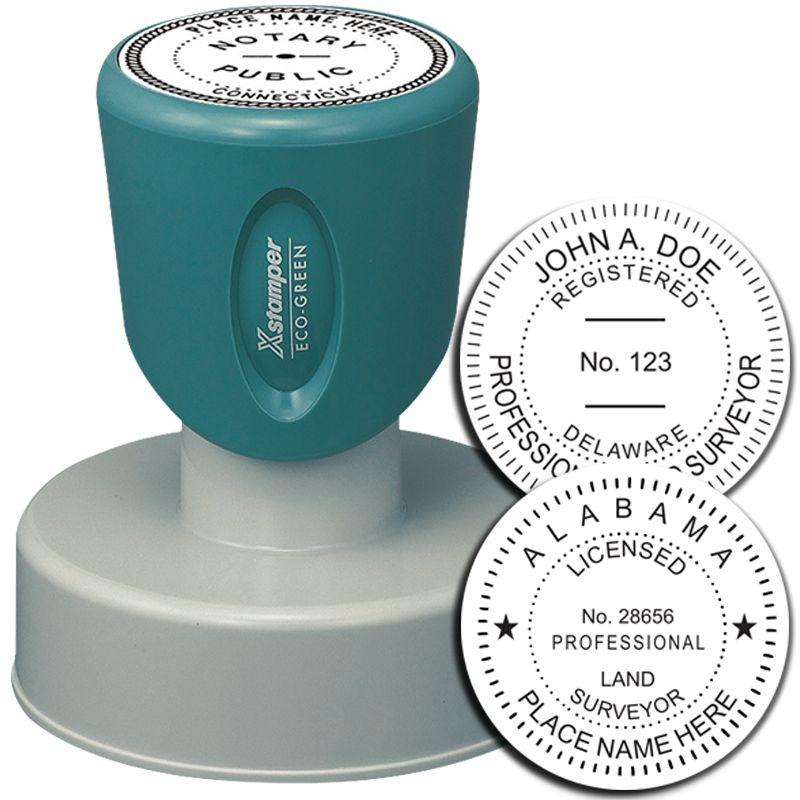
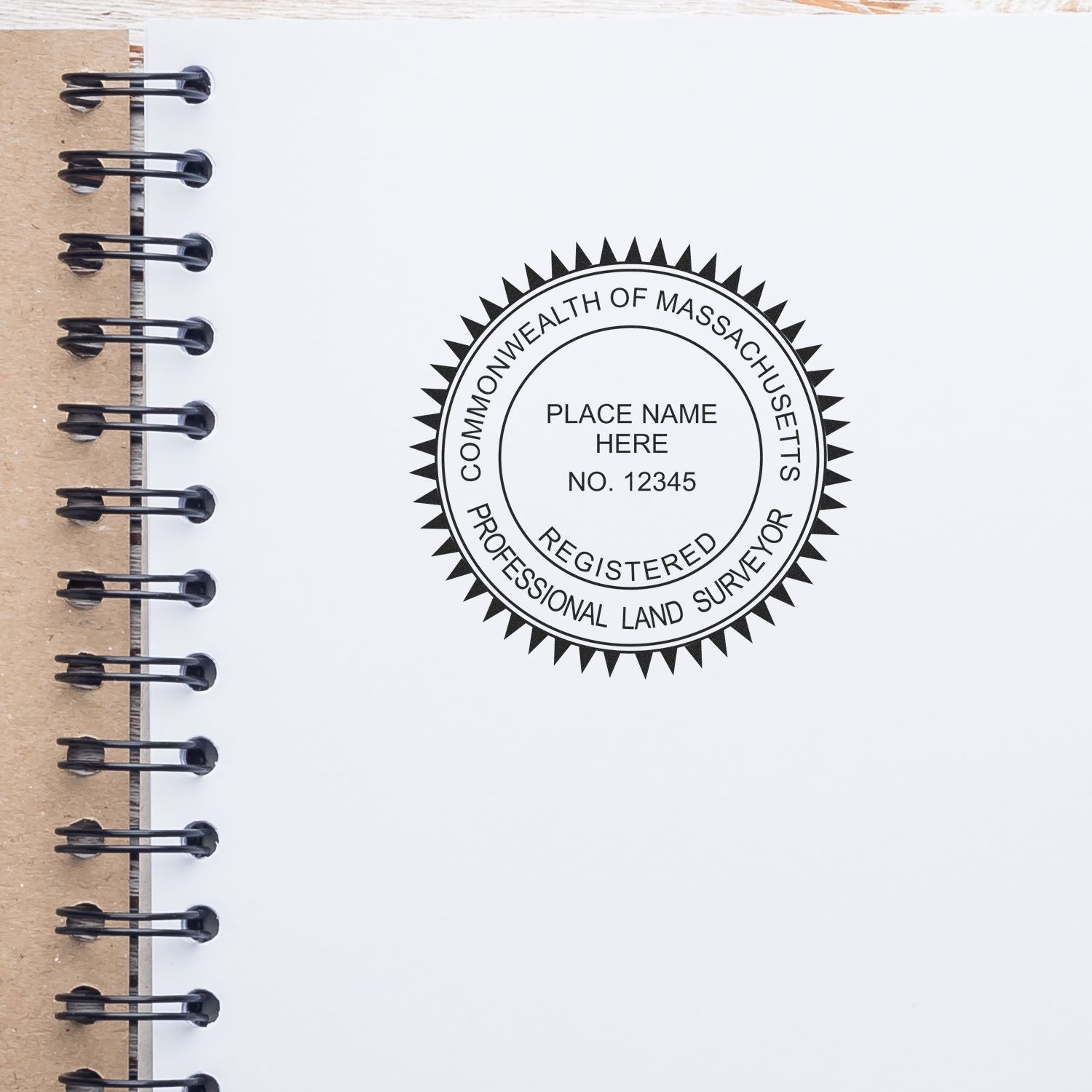
- Diameter of the seal (often around 1 3/4 to 2 inches, but confirm with the board).
- Your full licensed name and license number.
- The exact wording marking you as a “Professional Land Surveyor” in Pennsylvania.
- Any mandated border or circular design elements specified by the state.
You’ll want to double-check with the Pennsylvania licensing board for the latest updates. Requirements can shift over time, and you never want to be caught with an outdated seal that no longer makes the cut.
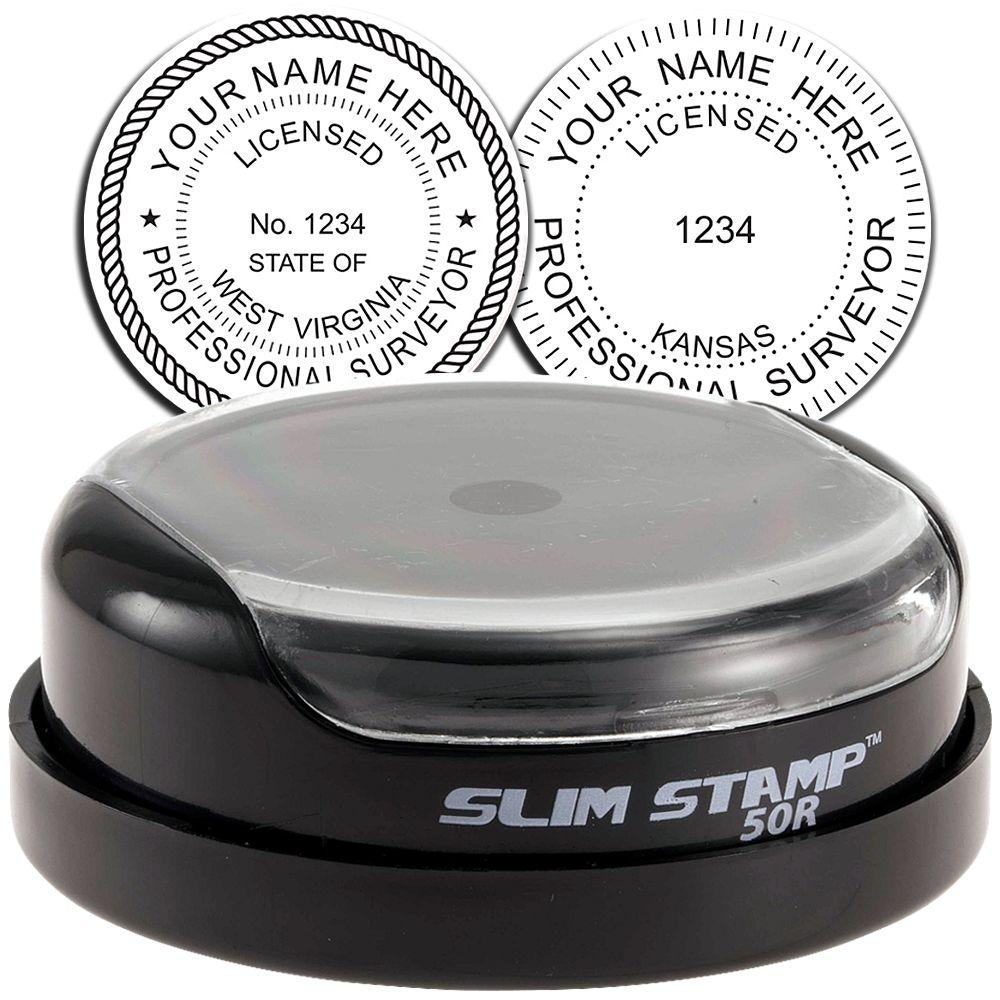
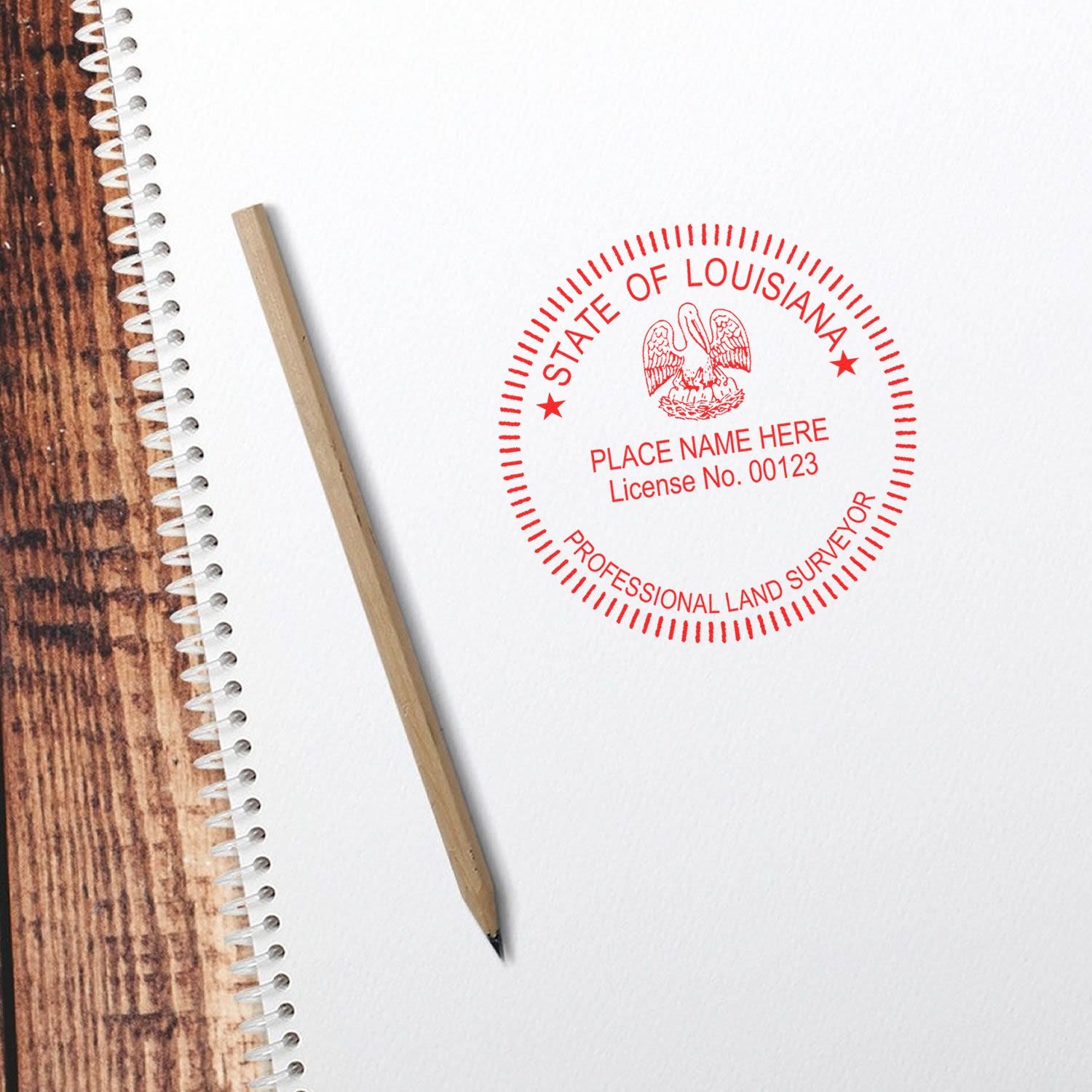
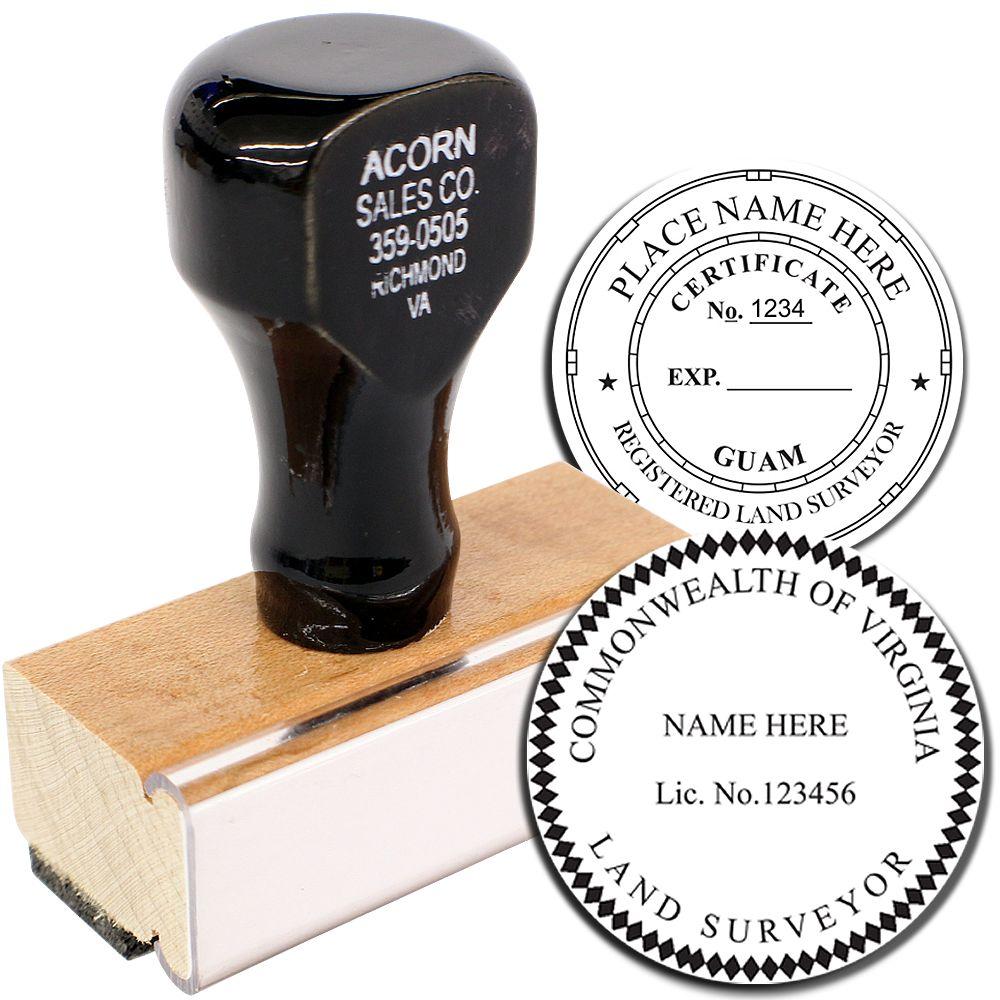
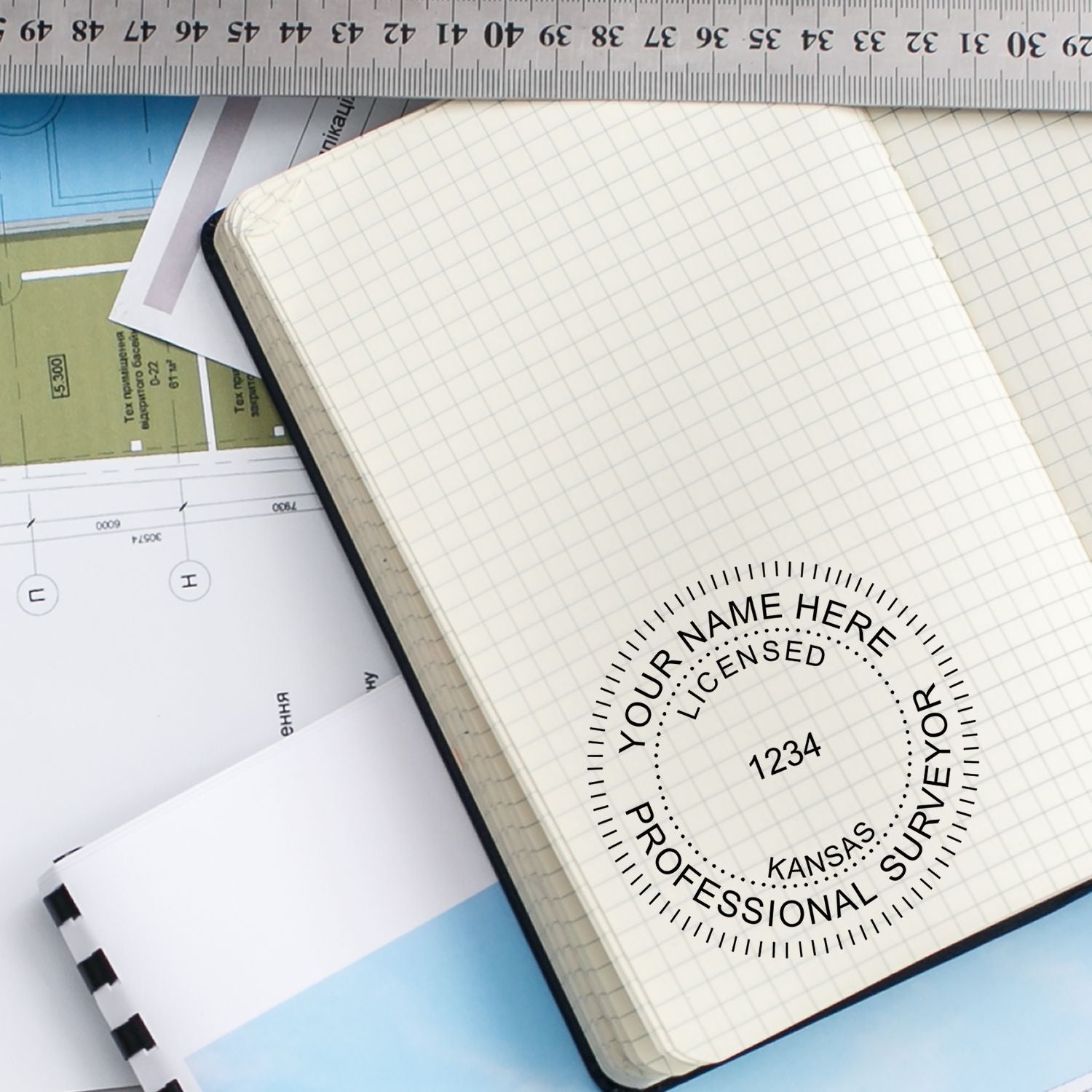


Common Errors To Avoid
In your quest to get it right, even after careful planning, you can slip up on details. Here are some of the most common (and preventable) pitfalls.
Using an Incorrect Seal Format
Sometimes, you’ll come across pre-made designs that claim to meet state regs. But if it doesn’t include your unique name or meets an older code, you could be out of compliance. Double-check the seal’s wording, spacing, and border format to make sure it’s exactly what Pennsylvania requires. Don’t be tempted to go with a design that’s “close enough.”
Overlooking the Digital Option
You might assume you only need a physical embosser or rubber stamp. While those are definitely standard, Pennsylvania accepts digital seals too, provided they meet certain criteria. Digital seals are handy for emailing PDFs or uploading documents online. If you haven’t considered a digital file yet, it might be time to expand your toolkit.
Below is a quick glance at how physical and digital seals compare:
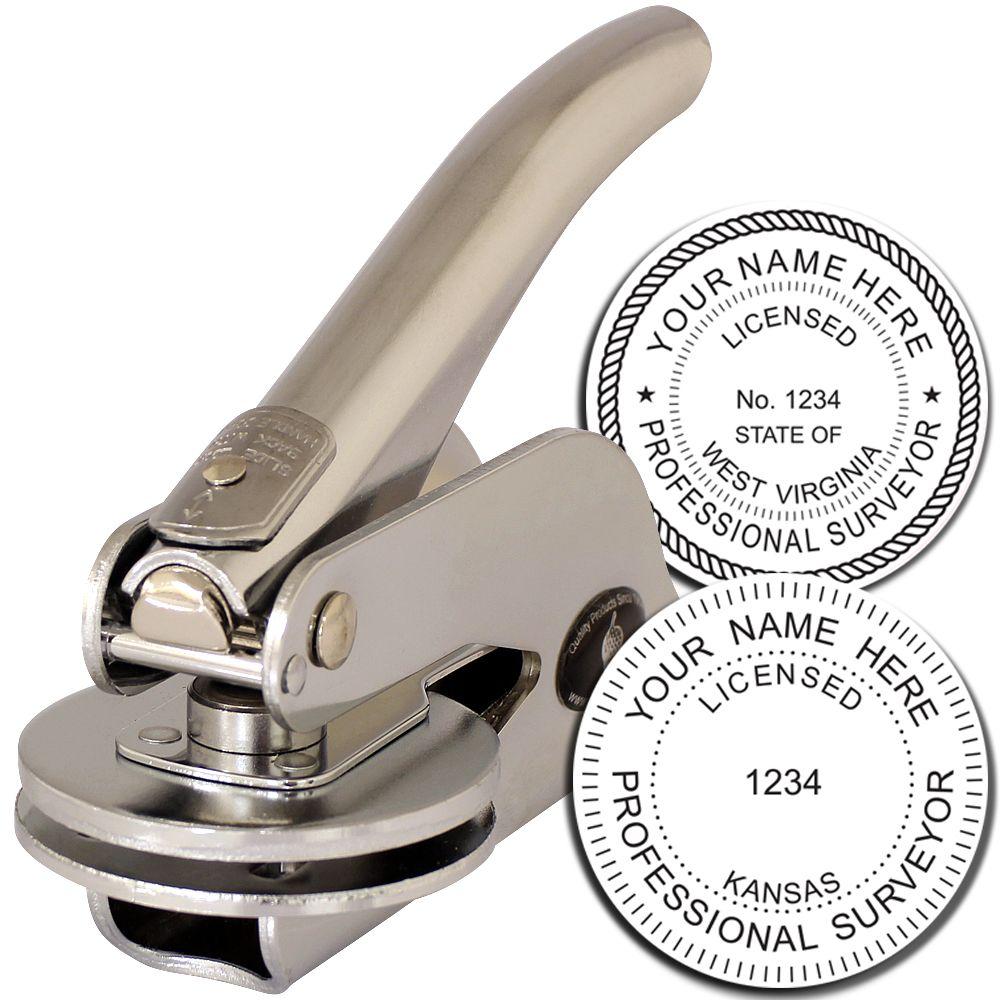
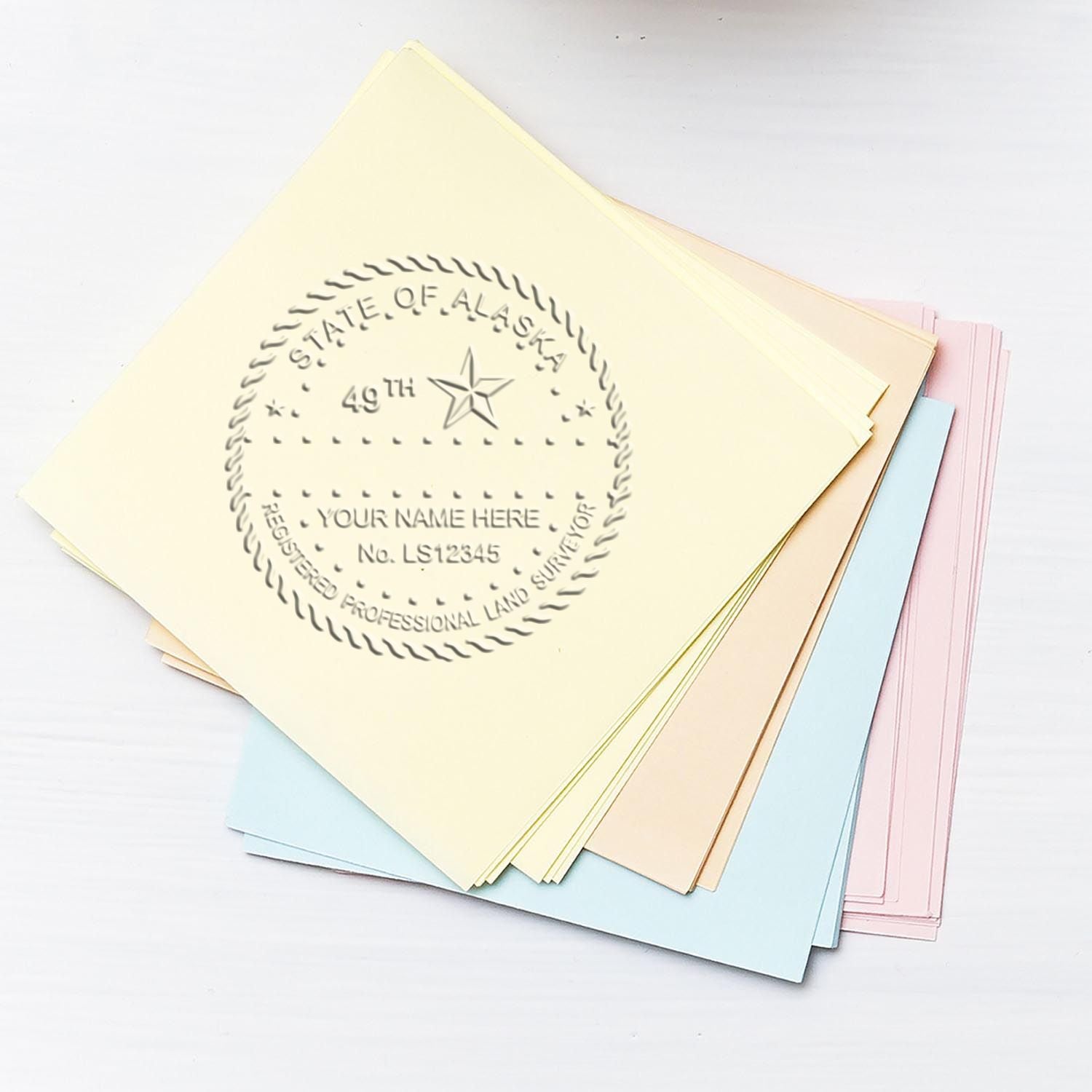
| Feature | Physical Seal | Digital Seal |
|---|---|---|
| Setup | Metal embosser or rubber stamp | Provided by supplier via email |
| Usage | Hand-stamp on paper documents | Insert into PDFs or other e-docs |
| Advantages | Traditional, official look | Convenient for remote or digital work |
| Considerations | Requires ink or embossing device | Must ensure secure e-stamp protocols |
Choosing one doesn’t necessarily exclude the other. Many surveyors keep a traditional stamp on hand and also use a digital seal for electronic submissions.
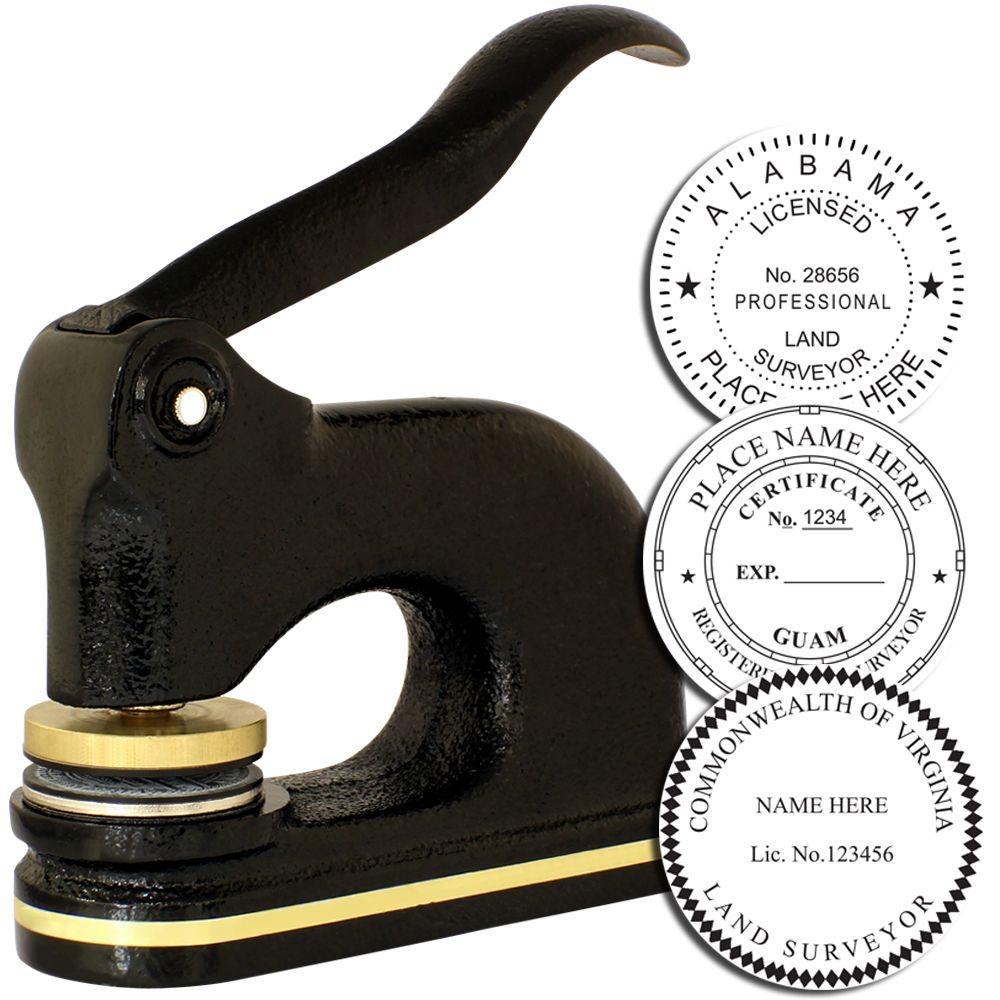
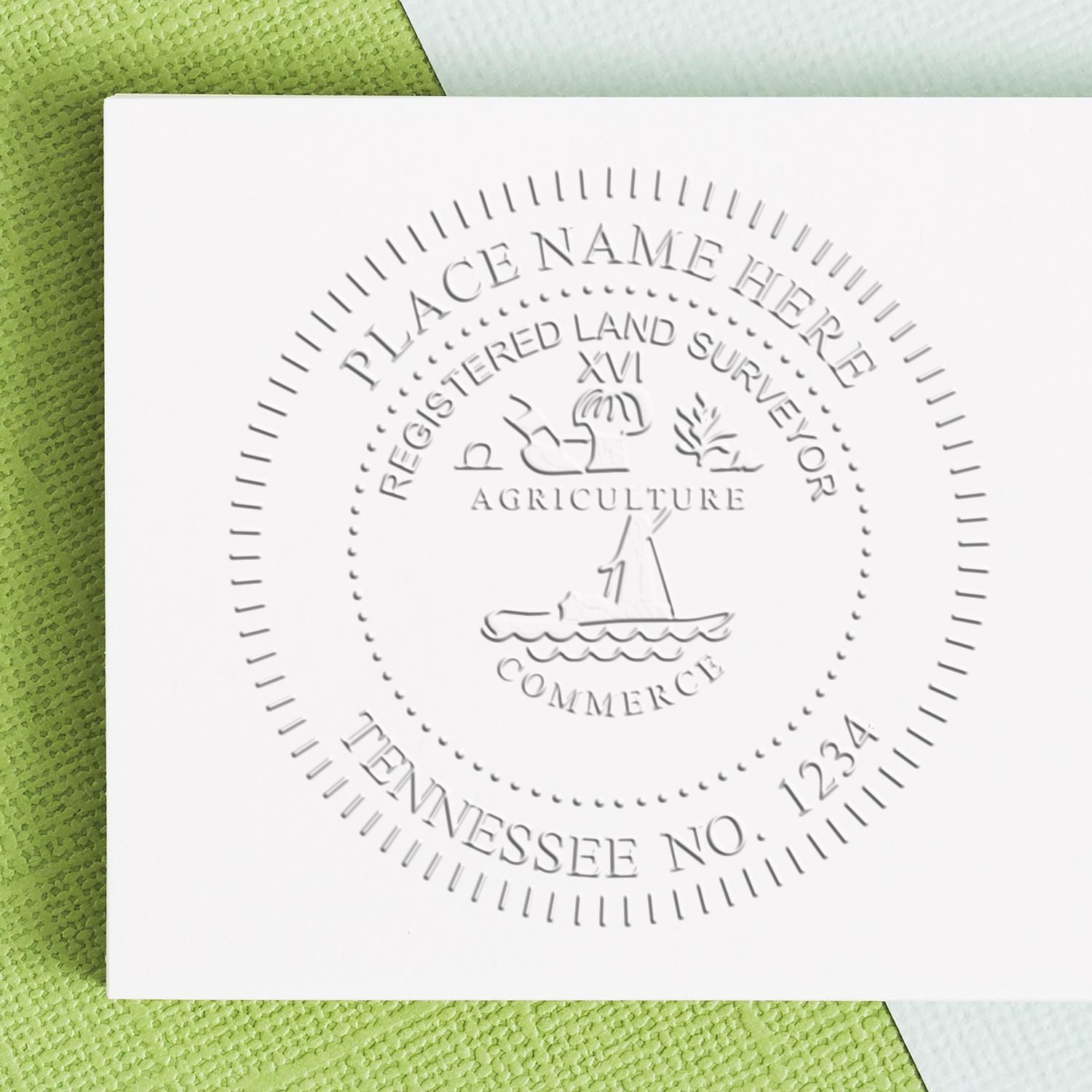
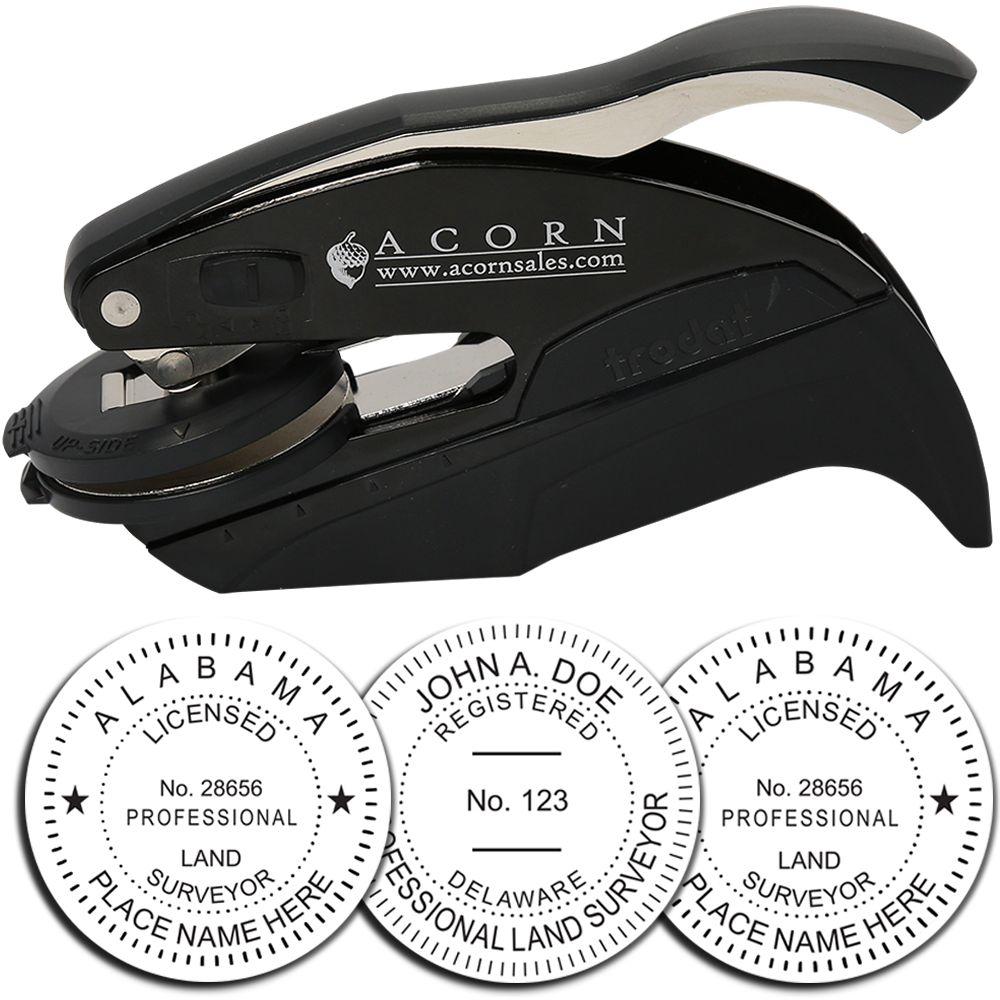
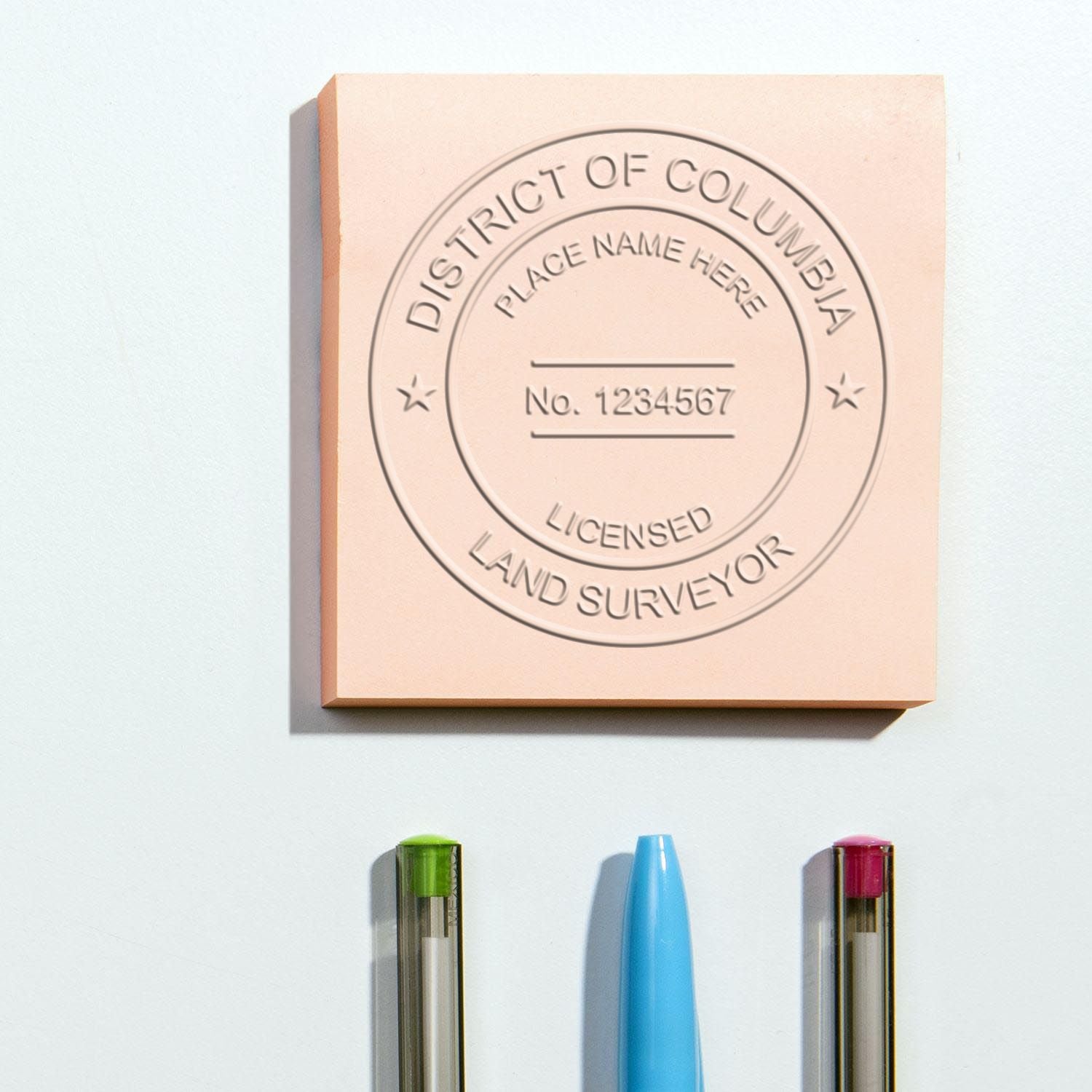
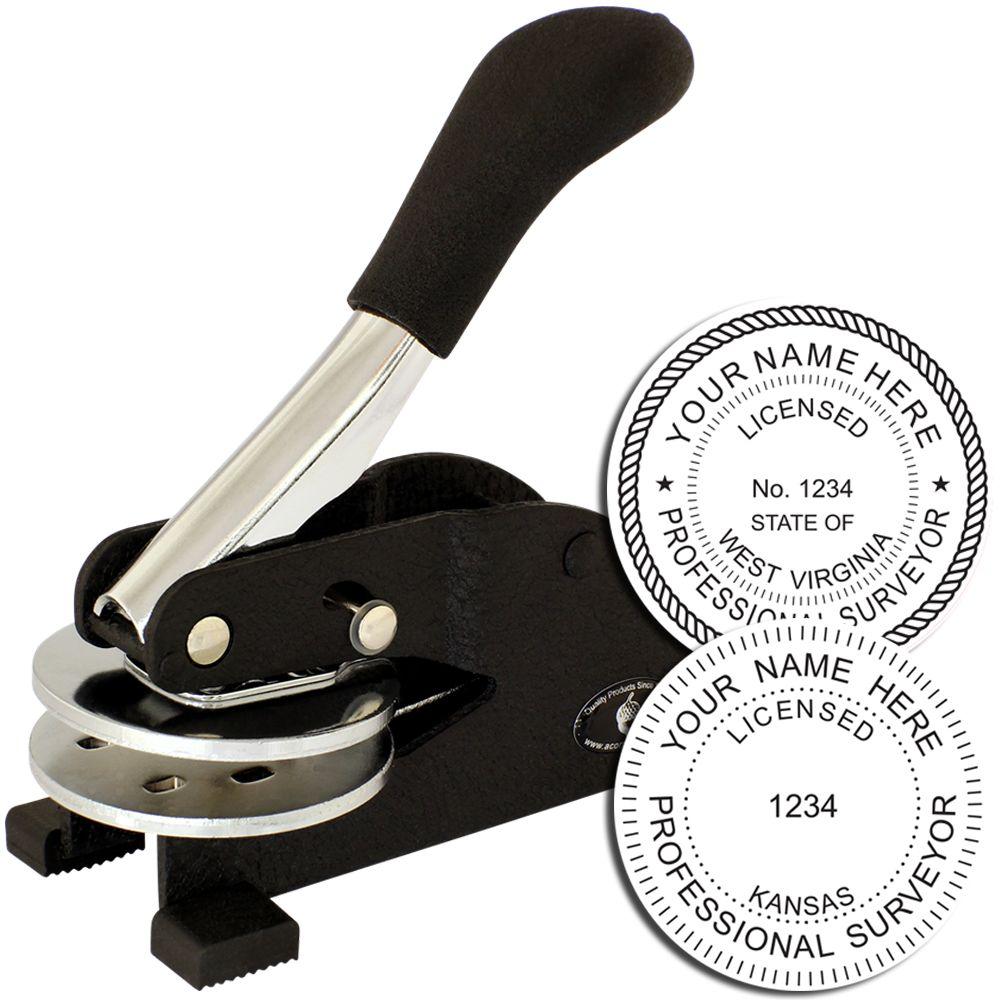
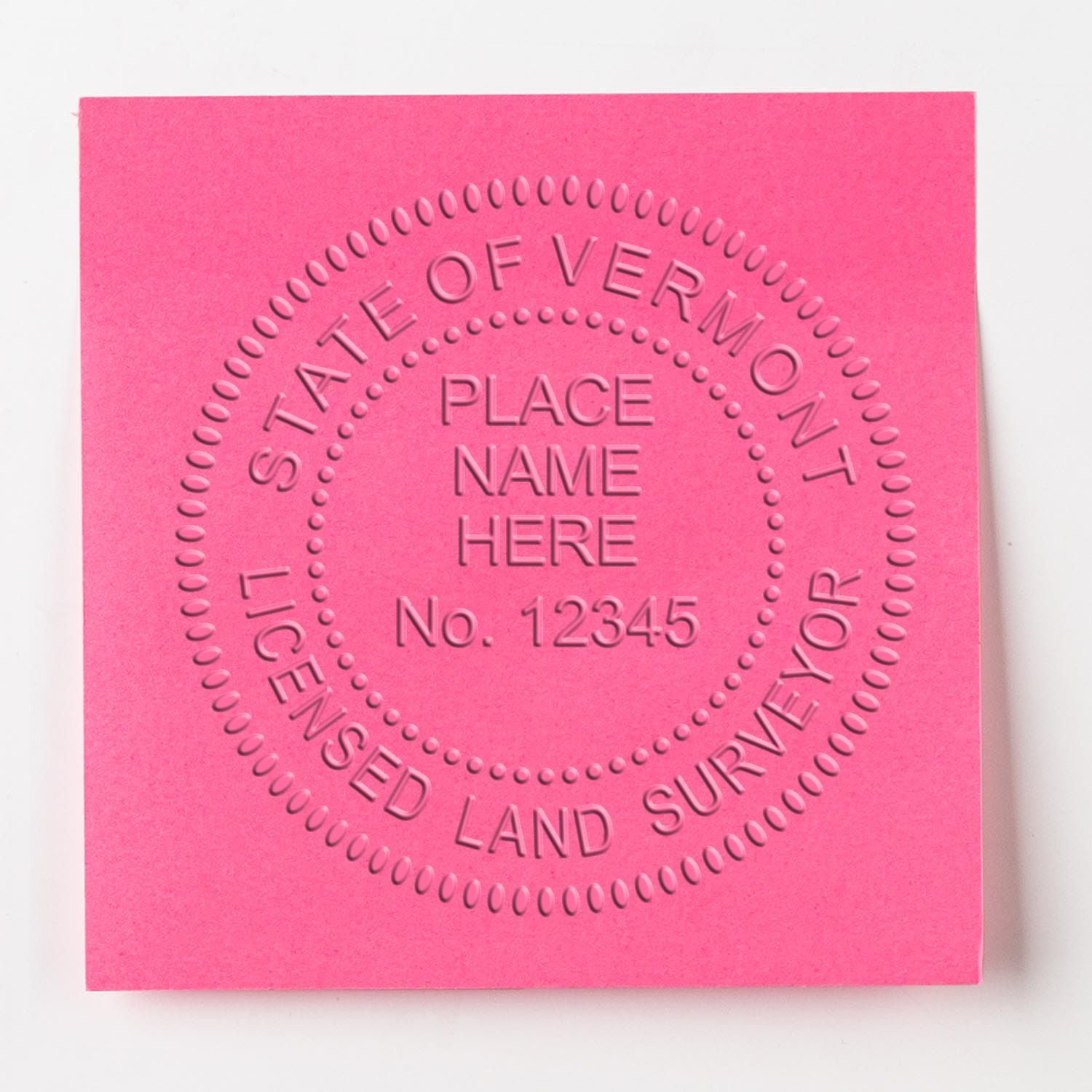
Missing Essential Information
Occasionally, surveyors forget to include important text (like “Licensed Professional Land Surveyor” or the state name). Others might miss the license number or truncate their own name to fit the space. All that can raise red flags. Ensuring your seal includes every detail required saves you from reordering a corrected seal later on.
How To Get Your Seal Right
Now that you’re aware of the most critical specifications and the common mistakes, let’s talk strategy. Getting your seal in order doesn’t have to be complicated, you just need the right plan in place.
Choose the Right Supplier
you’ve done your homework on the size and wording, but the final seal arrives and looks off-center or poorly engraved. It’s frustrating and might even hold up your client’s project. That’s where a reputable supplier can be a lifesaver.
Why Choose Acorn Sales
- Been in business since 1964, so you can trust their track record.
- Offers wide-ranging expertise in crafting professional stamps and seals.
- Provides a free digital seal with your order (ready for any digital submissions you need).
- Known for prompt shipping and reliable customer support.
Going with a trusted provider such as Acorn Sales means small details, like the spacing of your lettering or the sharpness of the design, won’t be overlooked. A high-quality seal not only looks more professional, but it’ll also hold up in the long run.
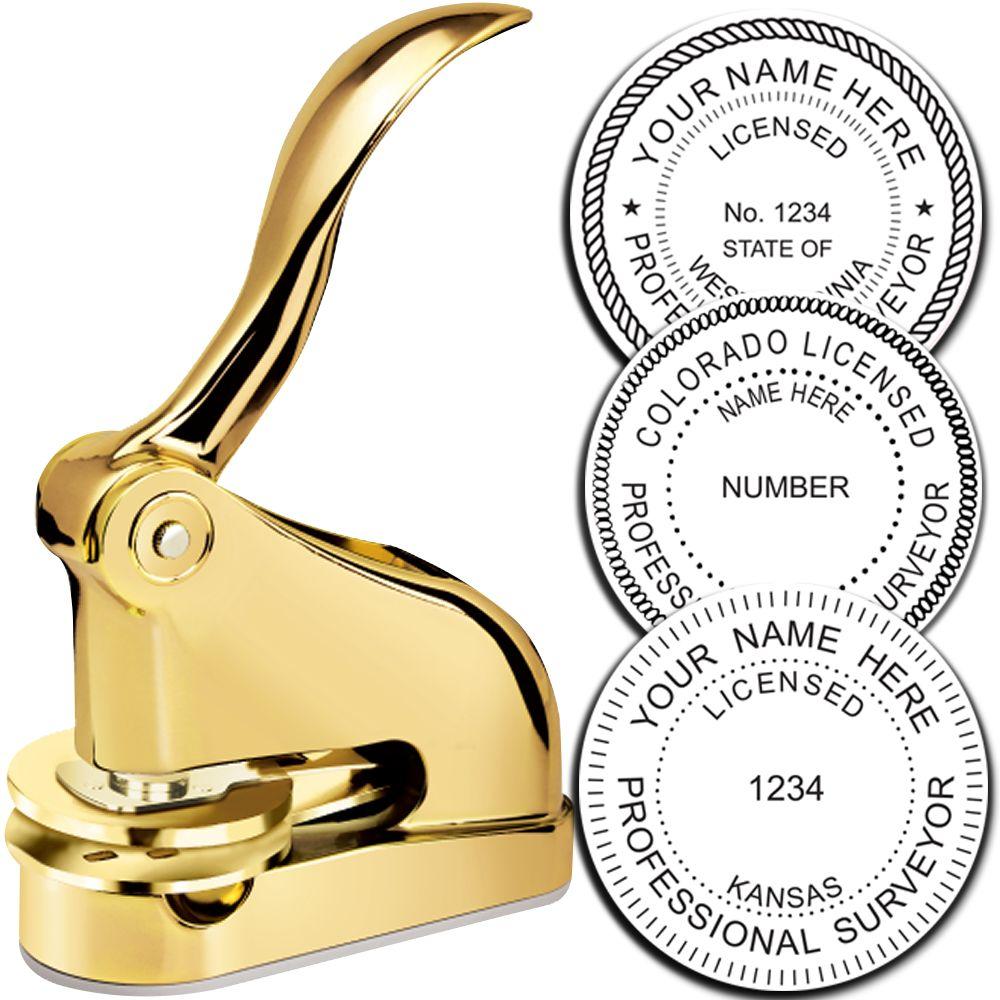
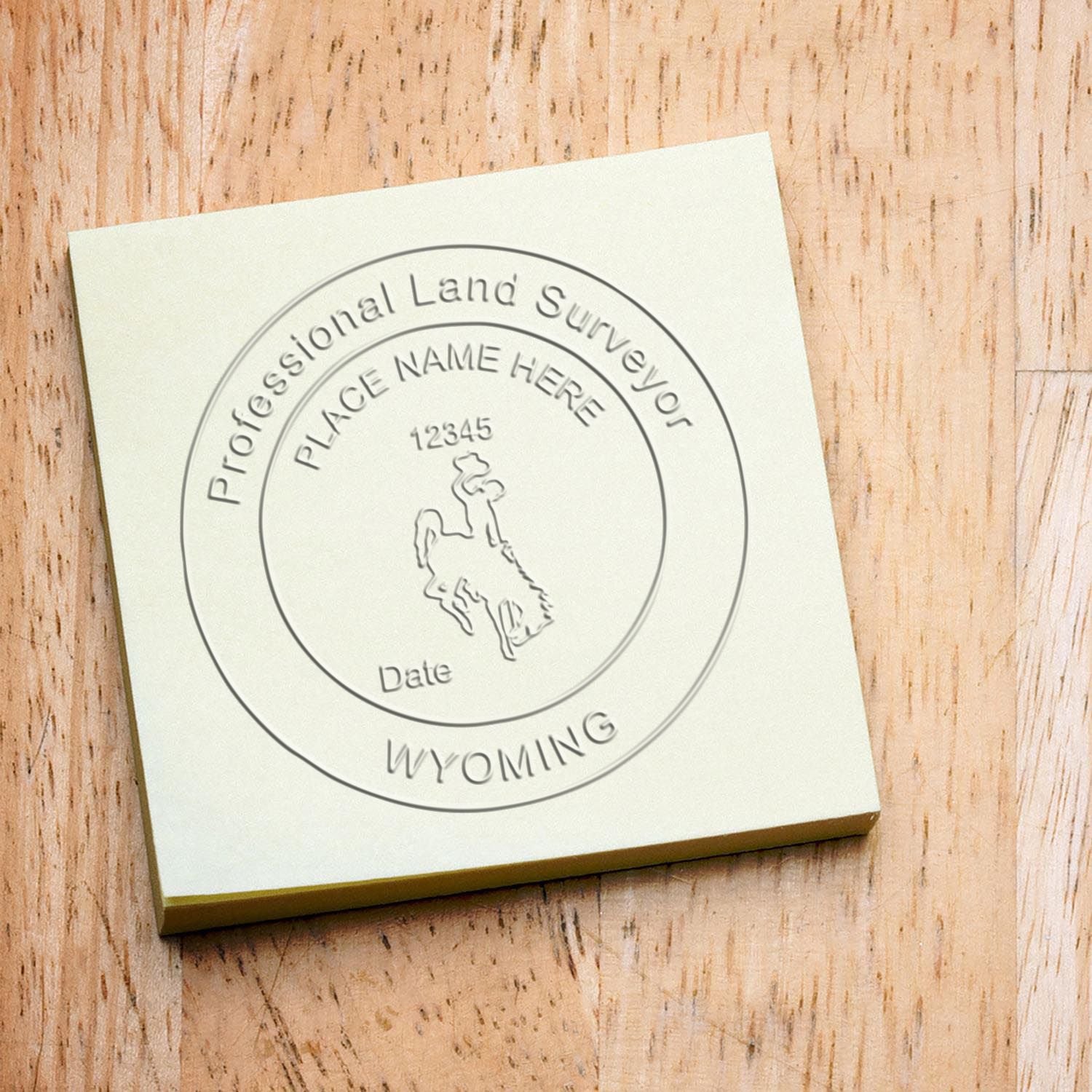
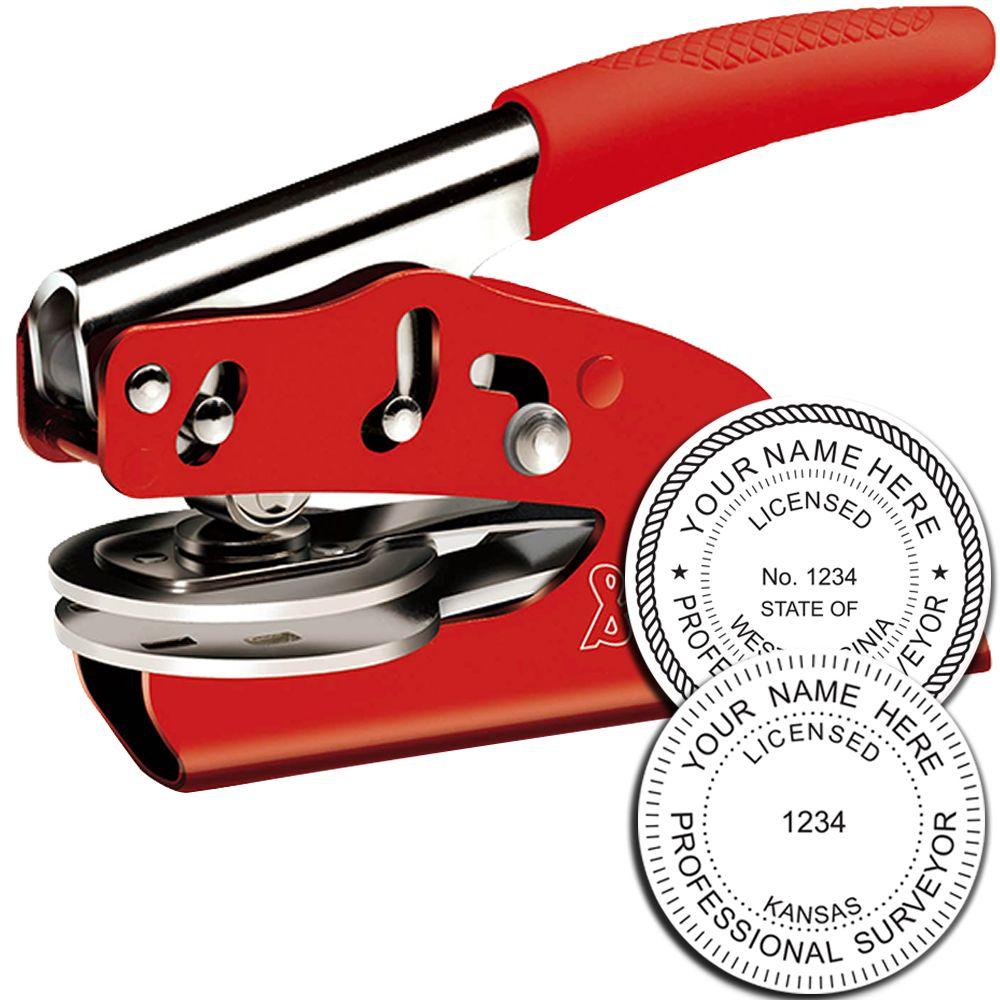
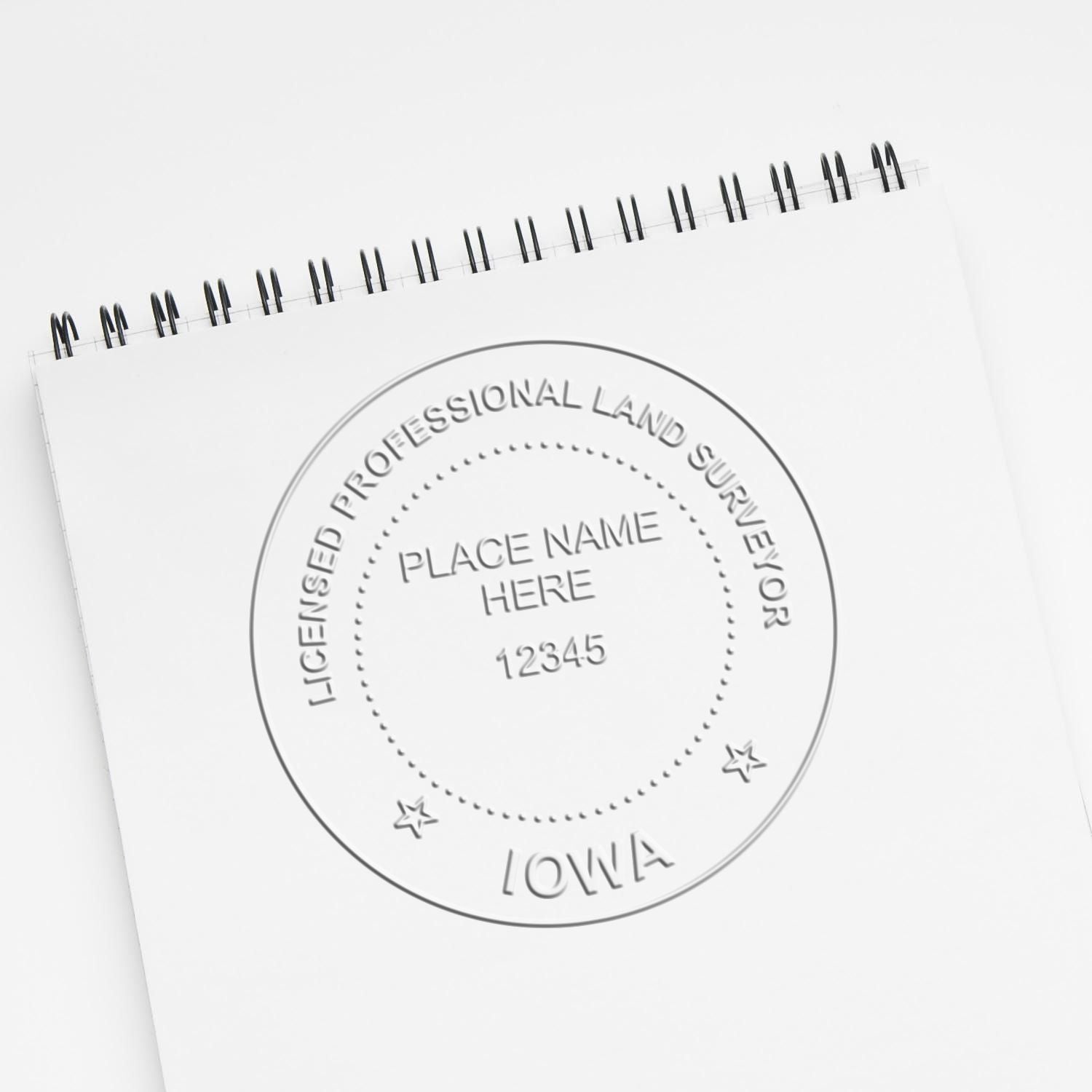
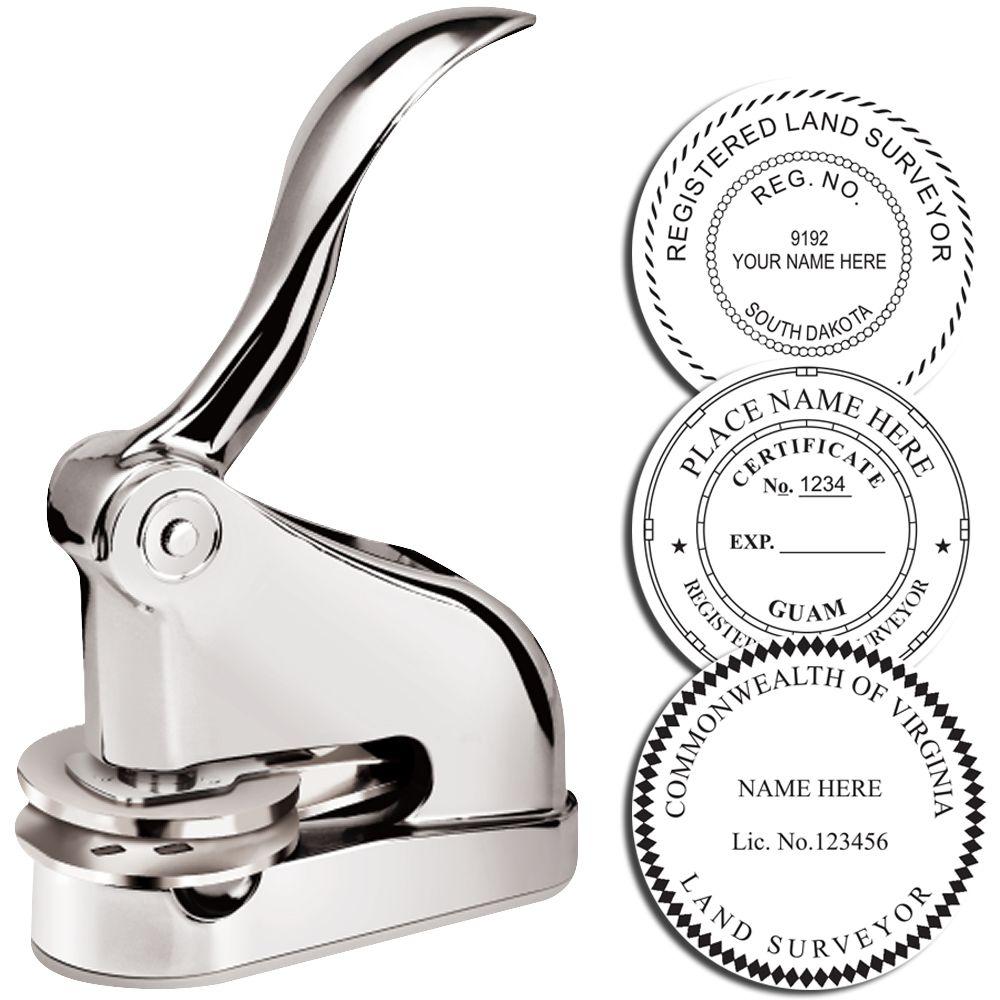
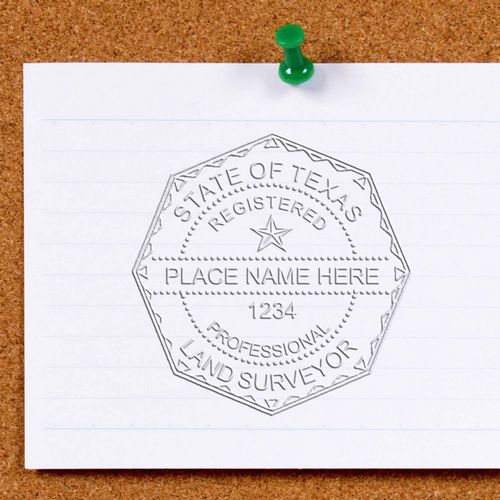
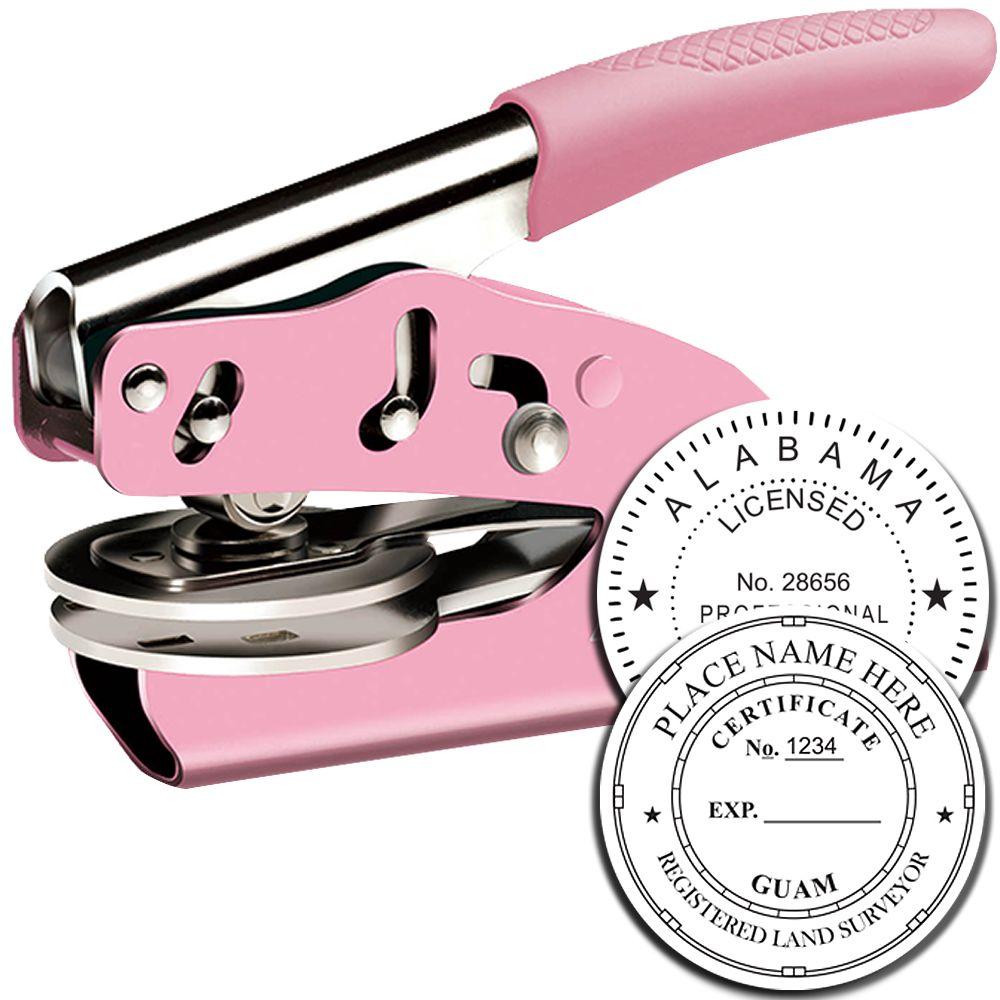
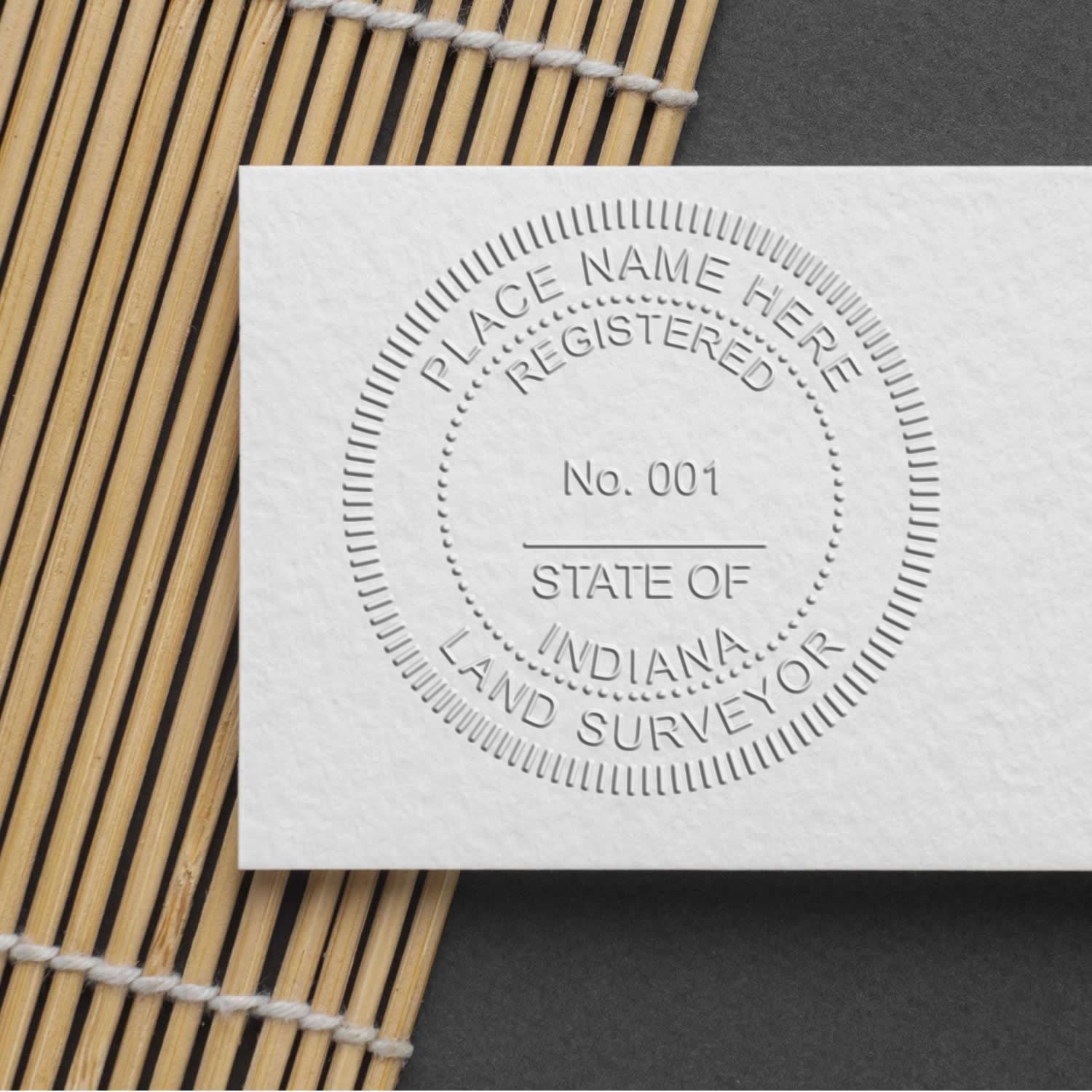
Review the Layout Carefully
Once you have a design mock-up, don’t just glance at it. Look for:
- Spelling of your name exactly as shown on your license.
- Correct license number, with no missing digits or transposed numbers.
- Proper diameter and border style, if specified by the state board.
- Required phrases like “Commonwealth of Pennsylvania” where relevant.
If something seems slightly off, ask for a revision. You’ll thank yourself later when every set of plans you distribute carries a clean, legible seal.
Double-Check Board Regulations
The Pennsylvania Board of Professional Engineers, Land Surveyors, and Geologists updates or interprets regulations from time to time. So, keep your ear to the ground. If a new guideline rolls out, you may need to tweak your seal or order a fresh version. It’s better to stay proactive than scramble at the last second.
Maintaining Your Professional Credibility
Once your seal is ready to go, your job isn’t done forever. You’ll want to keep a few points in mind to maintain your professional standing and ensure simple operations.
Renewing and Updating Your Seal
Your license renewal and seal requirements typically go hand in hand. If the board issues you a new license number, or if your name changes, you’ll need a seal update. It’s wise to do this right away, so you’re never without an approved seal when you need it.
Storing Your Seal Safely
Physical seals can degrade if they’re tossed into a dusty drawer or left in direct sunlight, so store them in a protective case or box. Meanwhile, digital seals should be secured in a password-protected folder, especially if you share a computer with colleagues. Access to your seal is access to your professional signature don’t let it fall into the wrong hands.
Checking your specs
You’re now well equipped to avoid the biggest blunders For Pennsylvania land surveyor seal specifications. From verifying every word in your seal’s layout to staying on top of regulation updates, each small step can prevent much bigger headaches down the road. Whether you opt for a physical seal, a digital seal, or both, it’s important to pick a reputable supplier like Acorn Sales, review your requirements carefully, and double-check any changes in your license information.
Don’t let an outdated or incorrect seal stand between you and a successful land surveying career. Take action now, order a compliant seal, and give yourself the peace of mind that comes with knowing you’re fully aligned with Pennsylvania’s requirements. If you have tips or experiences of your own, feel free to share them, because hearing from others in the field is often the best way to stay ahead of any potential seal headaches.
Frequently Asked Questions
Do I Need a Physical or Digital Seal?
Pennsylvania allows both, so it’s mostly a matter of preference, though you’ll need to ensure the digital version meets all regulatory requirements. Using both can give you more flexibility. Plus, Acorn Sales provides a free digital seal when you purchase a physical seal, which makes the choice even easier.
What If My Name Changes?
You’ll need a new seal that reflects your updated legal name. Failing to update your seal will lead to confusion or even invalid documents. Double-check with the state licensing board on the procedure to officially record your new name before ordering a revised seal.
How Often Do I Need to Update My Seal?
Typically, you only need to update it if the board changes requirements, if your license number changes, or if your name changes. Otherwise, your seal remains valid as long as you maintain your license in good standing.
Is a Notary Seal the Same as a Land Surveyor Seal?
No. A notary seal and a land surveyor seal serve completely different purposes, with distinct design and text regulations. Your land surveyor seal must specifically reference your land surveyor license information.
Where Can I Find More Information on Stamp Requirements?
For additional guidance, check out the latest Pennsylvania land surveyor stamp requirements. You can also contact the Pennsylvania licensing board or speak directly with your seal supplier to confirm any details.








