
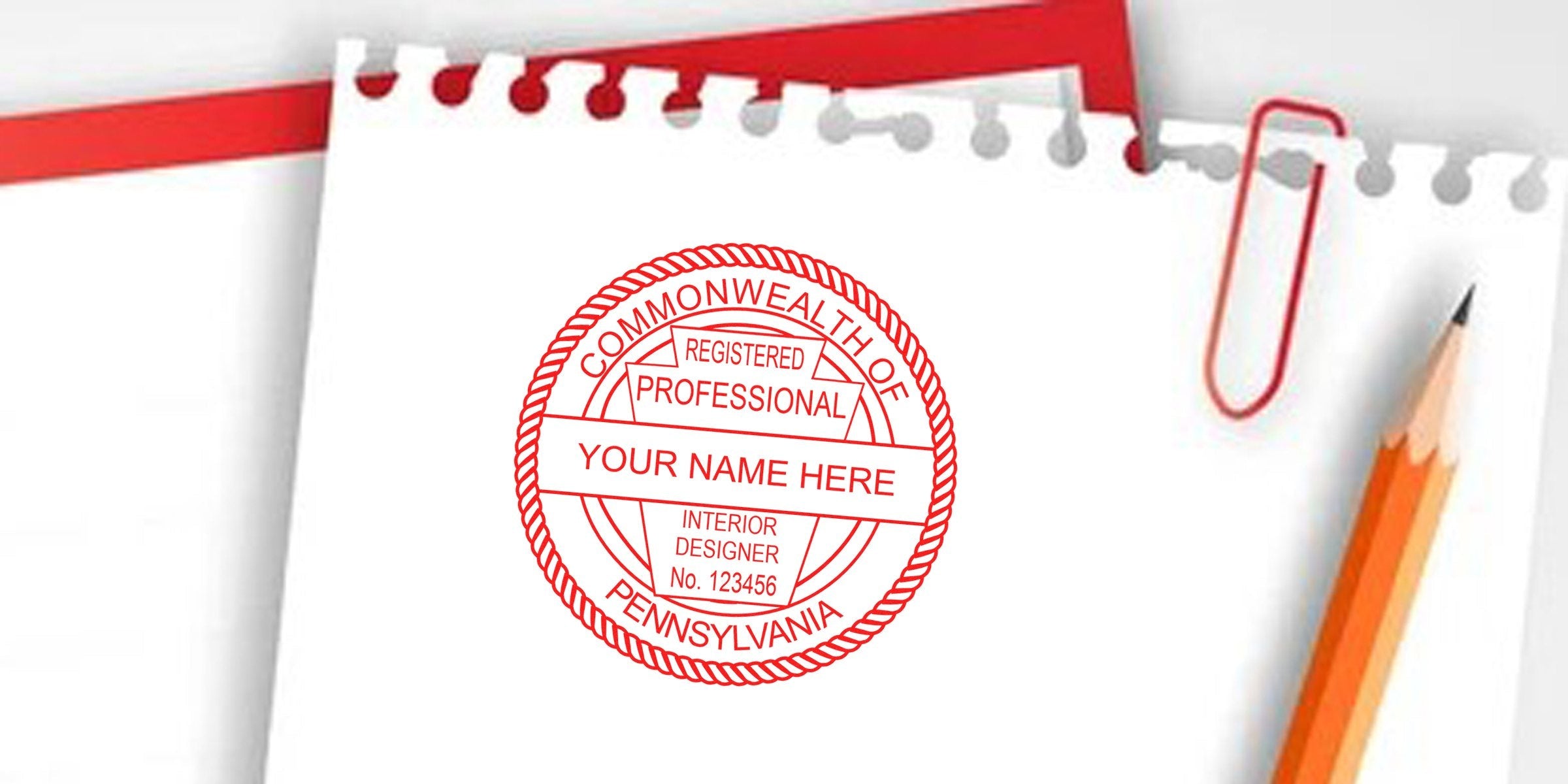
If you are budgeting for a Pennsylvania interior designer stamp, the first line of the budget is the one nobody tells you about: there is no state specification to pay for. Pennsylvania does not license or register interior designers. There is no board for the profession, no license number, and no rule setting what your stamp says or when you press it. So the money goes into the device and the artwork, and both of those are yours to decide.
This post breaks down what actually drives the cost, what your stamp should carry, and how to spend sensibly on a mark you will use for years.
What Pennsylvania Actually Regulates
The official Pennsylvania Code lists every professional and occupational board chapter in Title 49, Part I, Subpart A. Architects have a chapter. Engineers, land surveyors and geologists have one. Several dozen other professions have theirs. Interior design has none, because Pennsylvania has no interior design board and no interior design chapter.
- No credential. Pennsylvania issues no interior designer license or registration, so there is no state number for a stamp to carry.
- No seal provision. With no credential, no rule tells an interior designer here to seal a document.
- No prescribed design. Nothing sets the size, format, border or wording of an interior designer's mark.
- Other boards, other credentials. The seal rules in 49 Pa. Code chapters 9, 15 and 37 belong to architects, engineers, land surveyors and geologists. They are separate licenses and none of them reaches interior design work.
Any supplier charging you a setup fee to make your stamp conform to Pennsylvania's interior designer layout is charging for work that does not exist. For the citations and the full picture, read Pennsylvania Interior Designer Seal: No Board Rule.
The One Line To Get Right
Because the state grants no title, a stamp reading Licensed Interior Designer, State of Pennsylvania asserts something Pennsylvania does not issue, and a reader has no way to check it. Build your mark from your name, the professional title you use, and your firm name or city if you want it to work as a business block. Name the issuing body beside any credential you hold from a national organization or another state. Accuracy costs nothing and it is the only design rule that matters here.



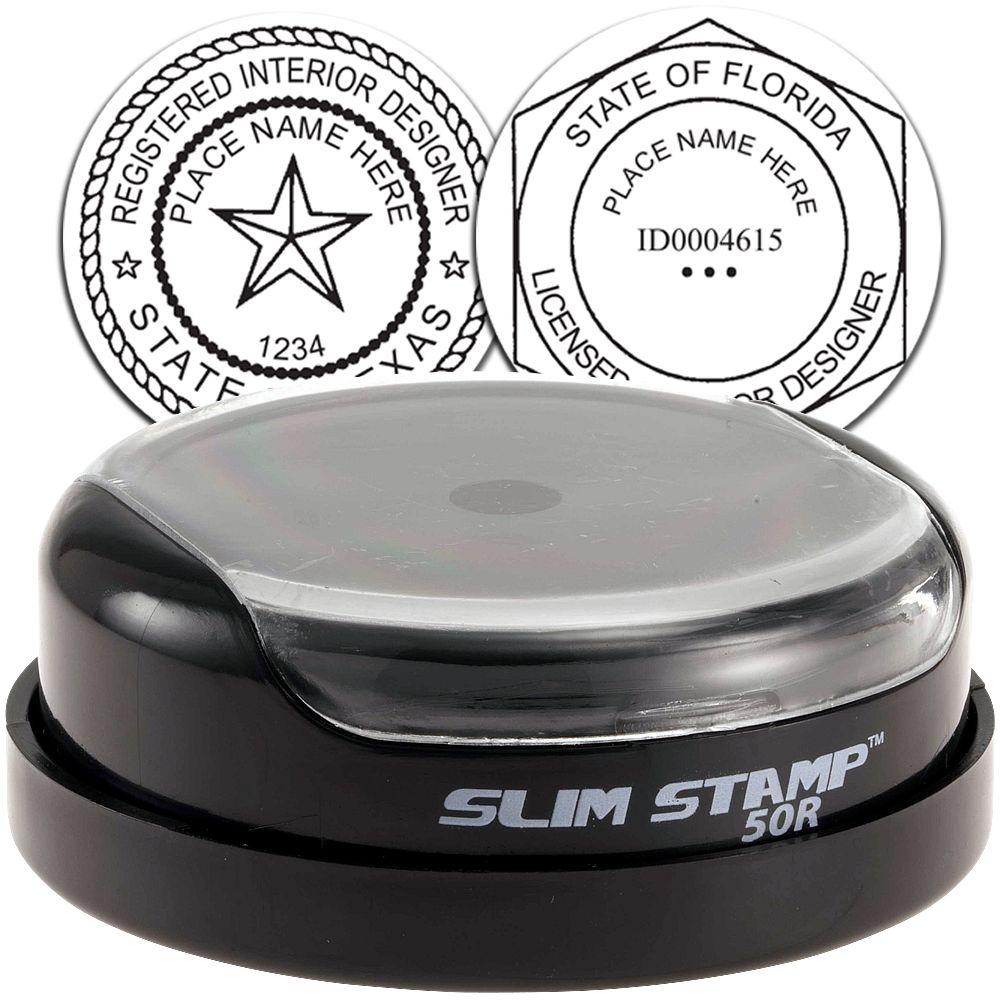
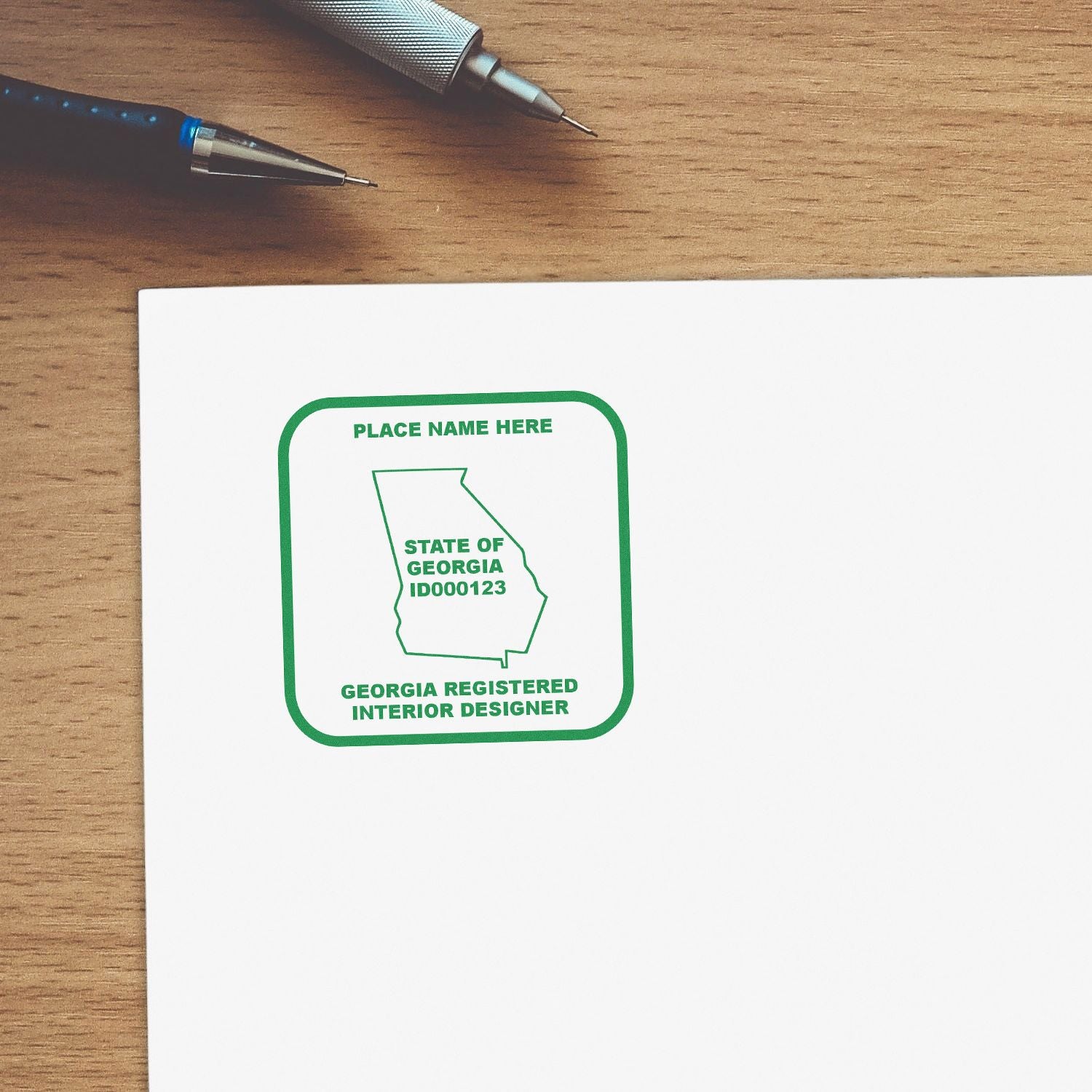
Break Down The Costs
The good news for a budget is that this is a small purchase. Here is where the money goes.
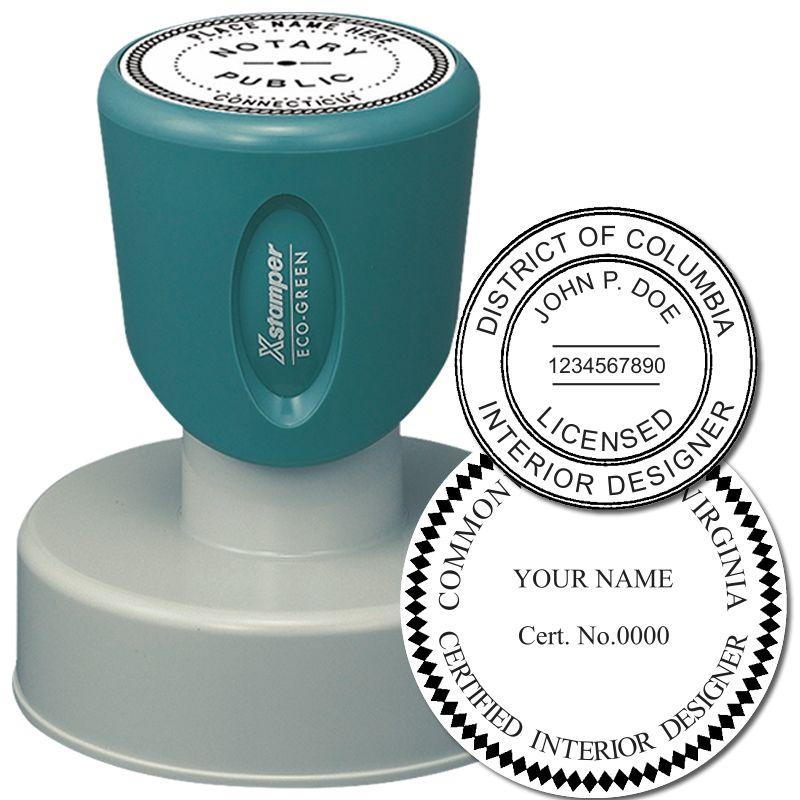
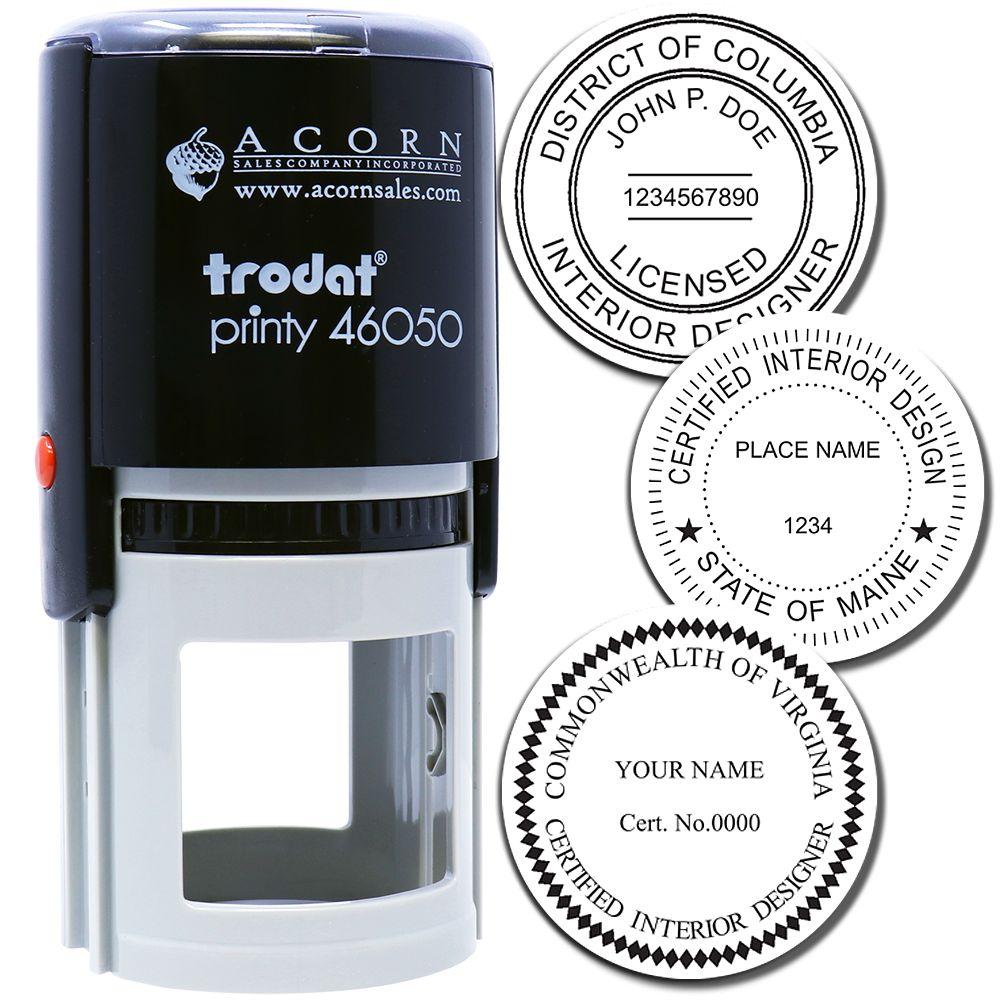
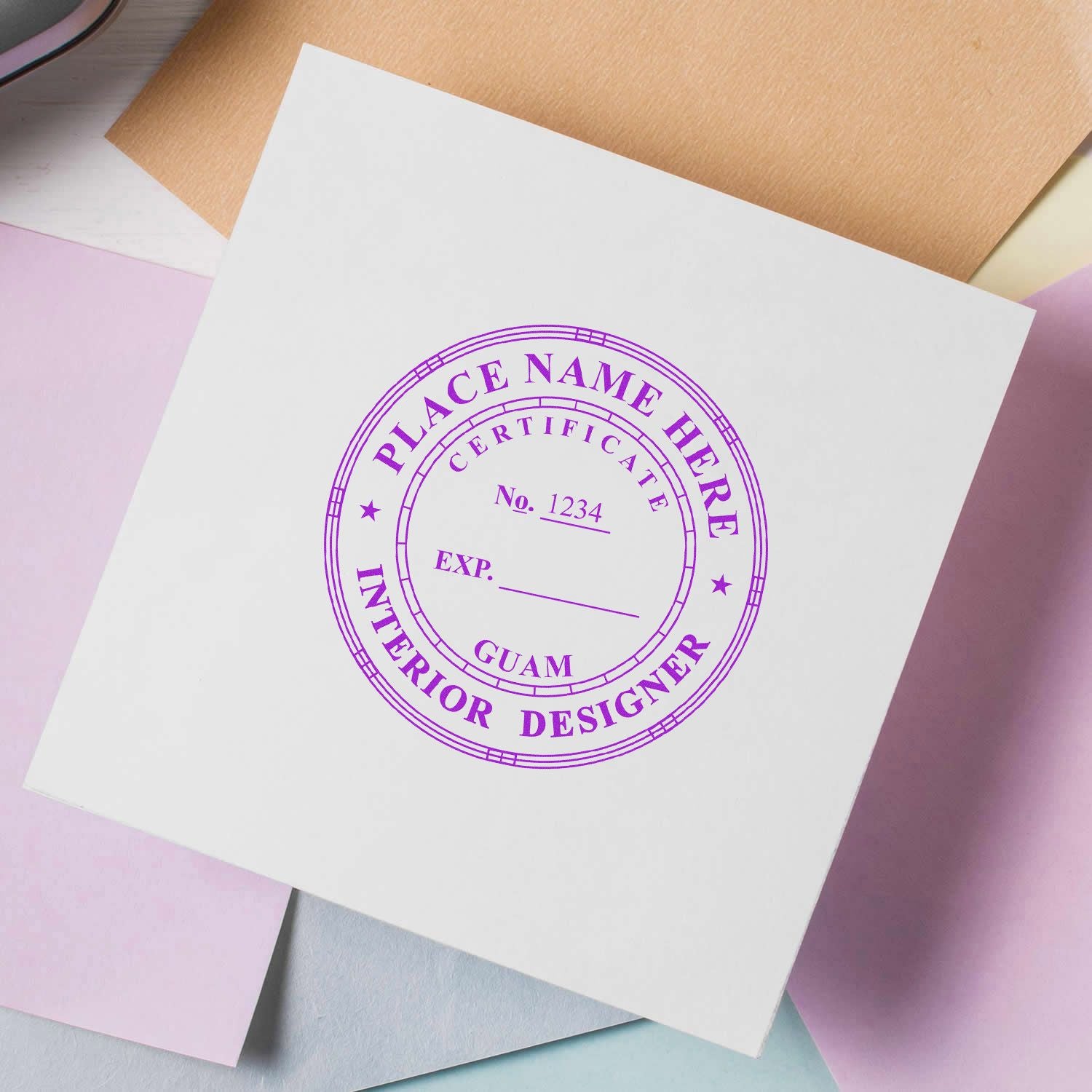
- The device itself. A self-inking stamp or a traditional rubber handle usually runs from about $20 to $50. A metal embosser for a raised impression sits a little higher, typically $35 to $70.
- Electronic seal. Some suppliers, Acorn Sales among them, include a free electronic seal with a physical stamp purchase. That is worth checking for, since a standalone digital file is otherwise a separate line.
- Artwork setup. Because no state layout applies, there is no rule checking work for anyone to bill you for. A supplier may charge a small fee for unusually complex artwork, such as a logo or an extra text ring, so ask before you order.
- Shipping. You will usually pay shipping unless the order clears a free shipping threshold. Expedited delivery costs more and is worth it when a deadline is close.
- Upkeep. Ink runs out. A self-inking model takes fresh ink, and you can replace ink pads when the impression starts to go gray. Budget a little for that rather than for a whole new device.
Put those together and a basic setup starts around $20 to $30, with most people landing somewhere in the middle once they pick a mount they actually like pressing.
Why Buy One At All
Since no rule points at you, the stamp has to earn its price on its own. It does.
A design package goes out to a client, a contractor and a millwork shop on the same afternoon. Three sets, three readers, and your name sitting in small type in a title block. An impression beside your signature on the cover sheet answers the first question anyone asks when they pick up a sheet, which is who produced this. It marks the issued copy in a stack of near identical printouts. It carries onto letters, proposals and transmittals that have no title block at all. And it adds a professional touch to the documents being stamped, the sort of finish that makes a package look deliberate.

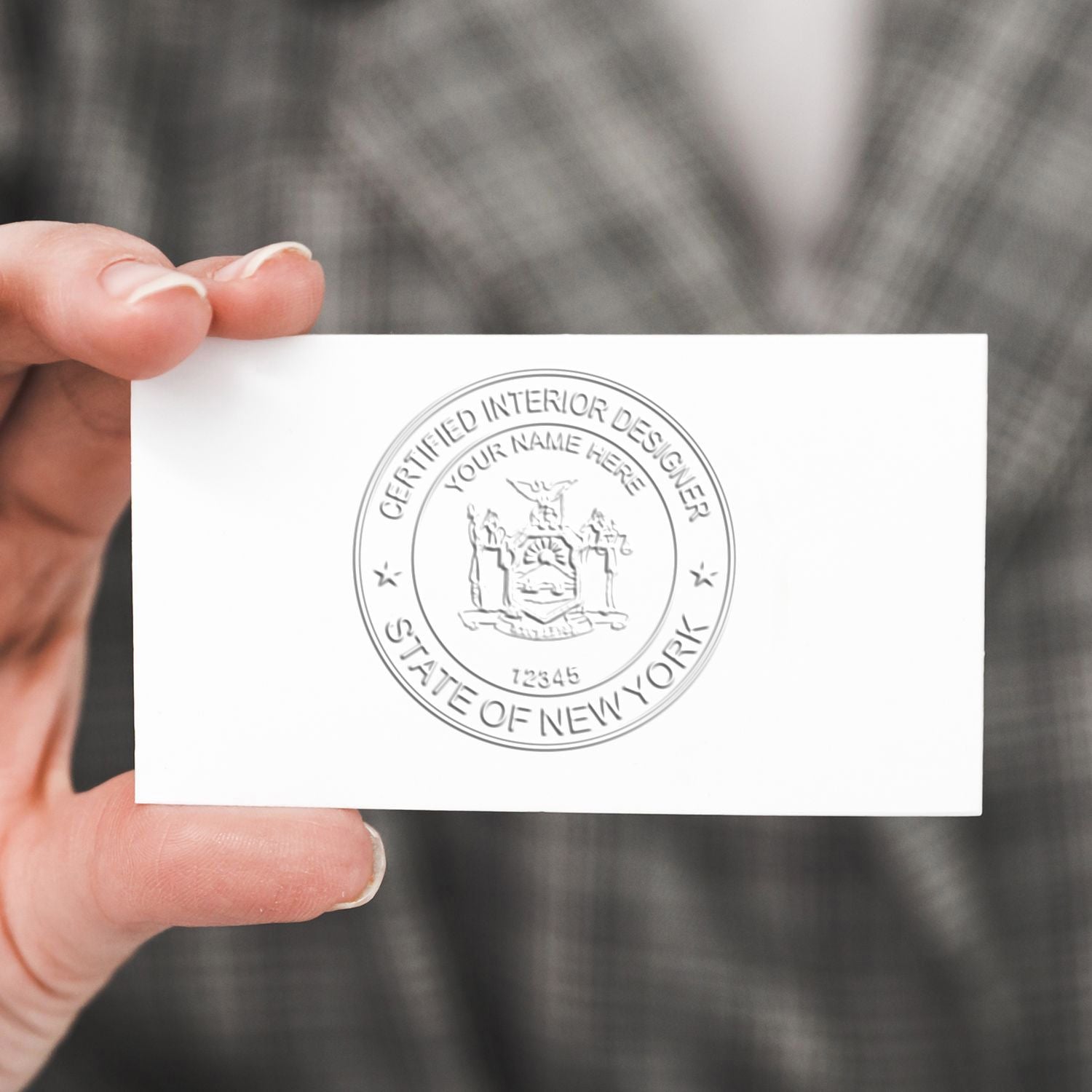
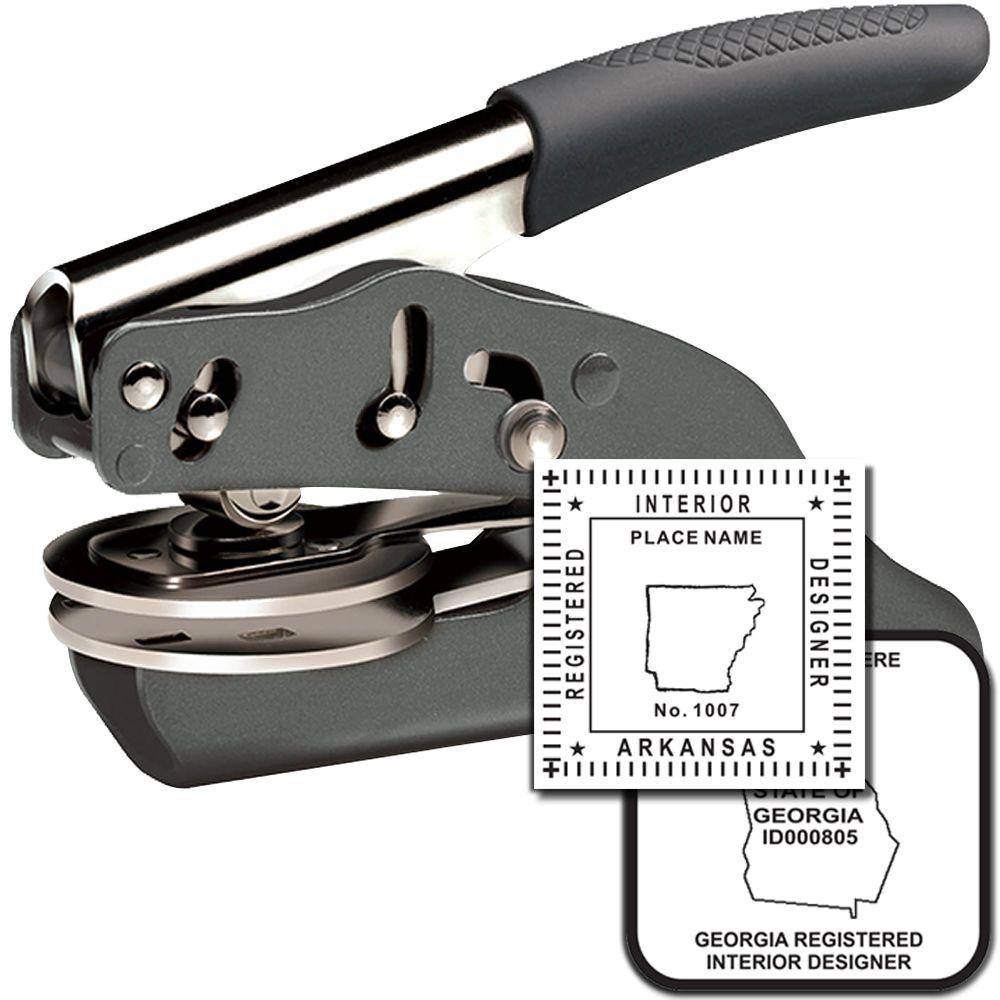
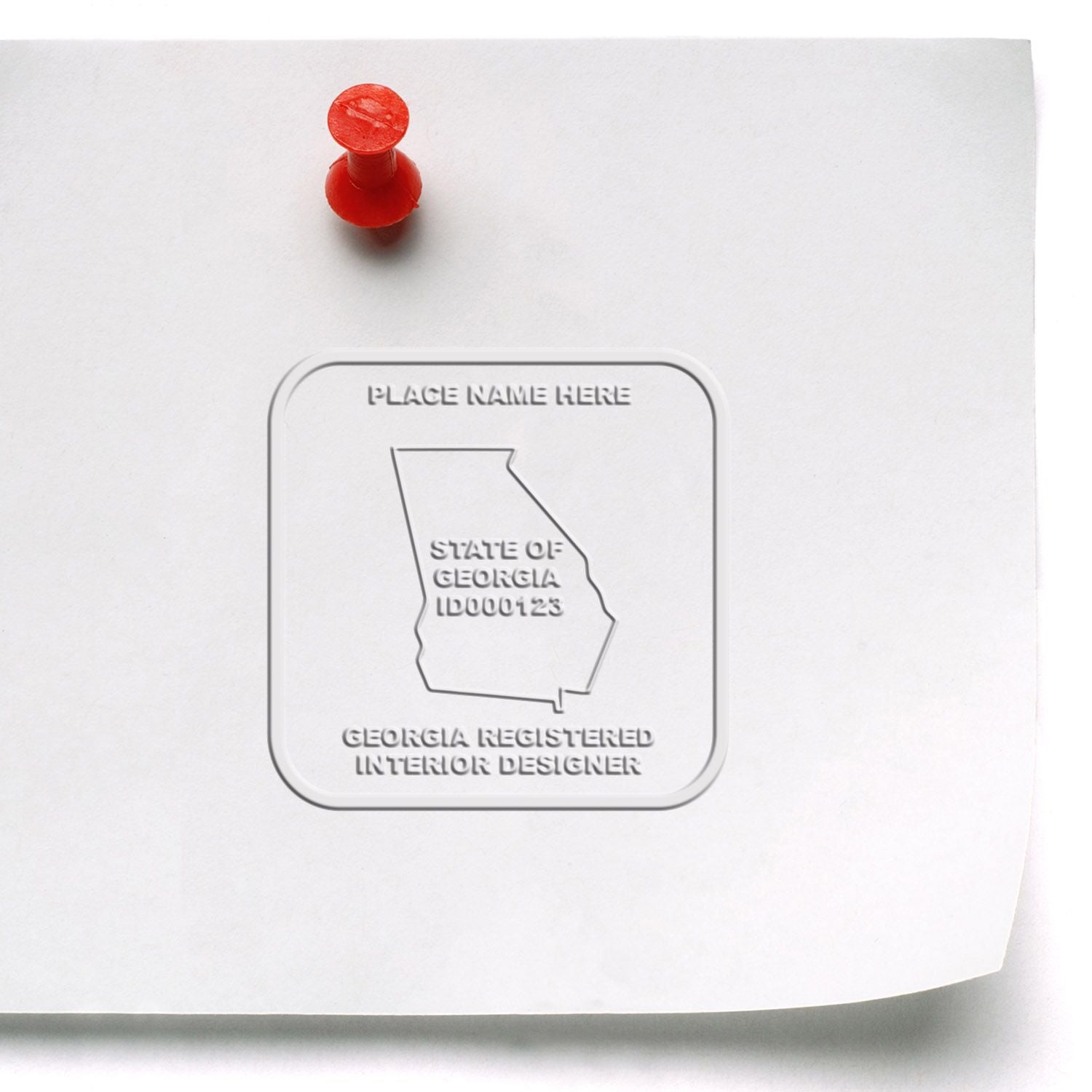
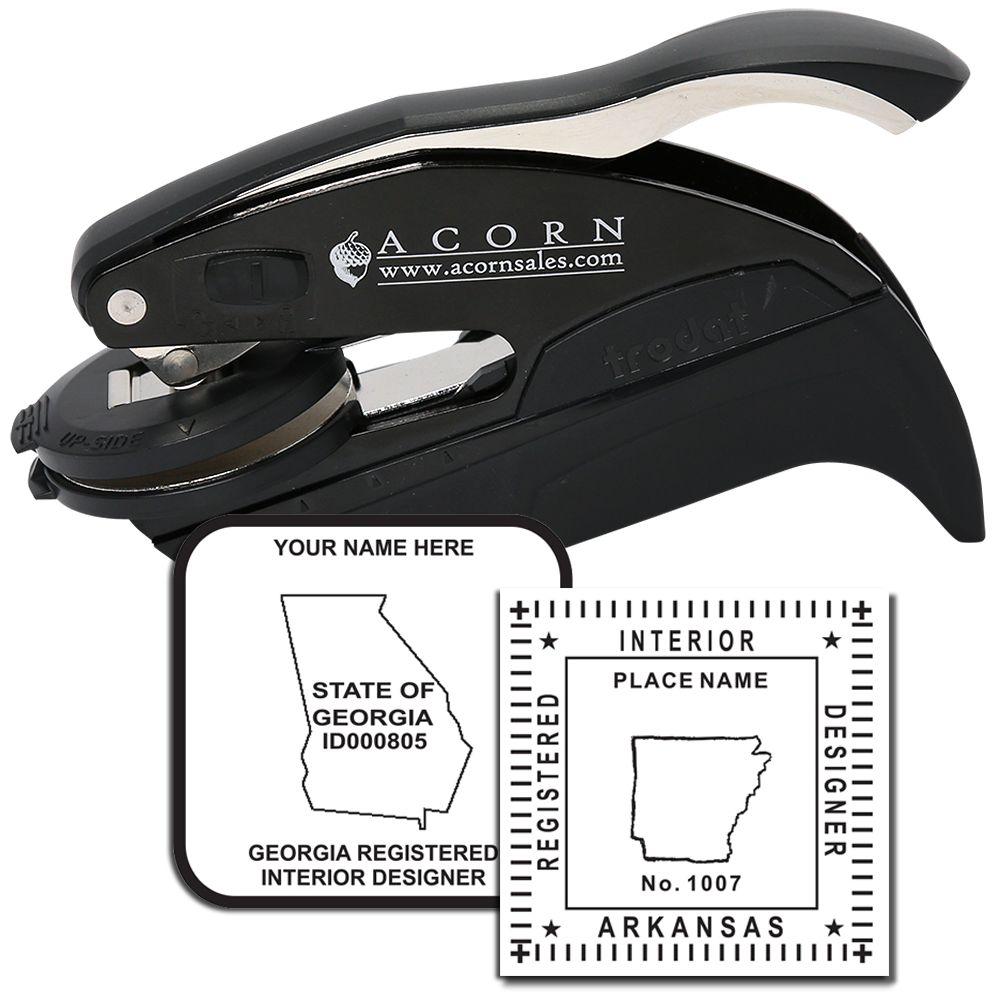
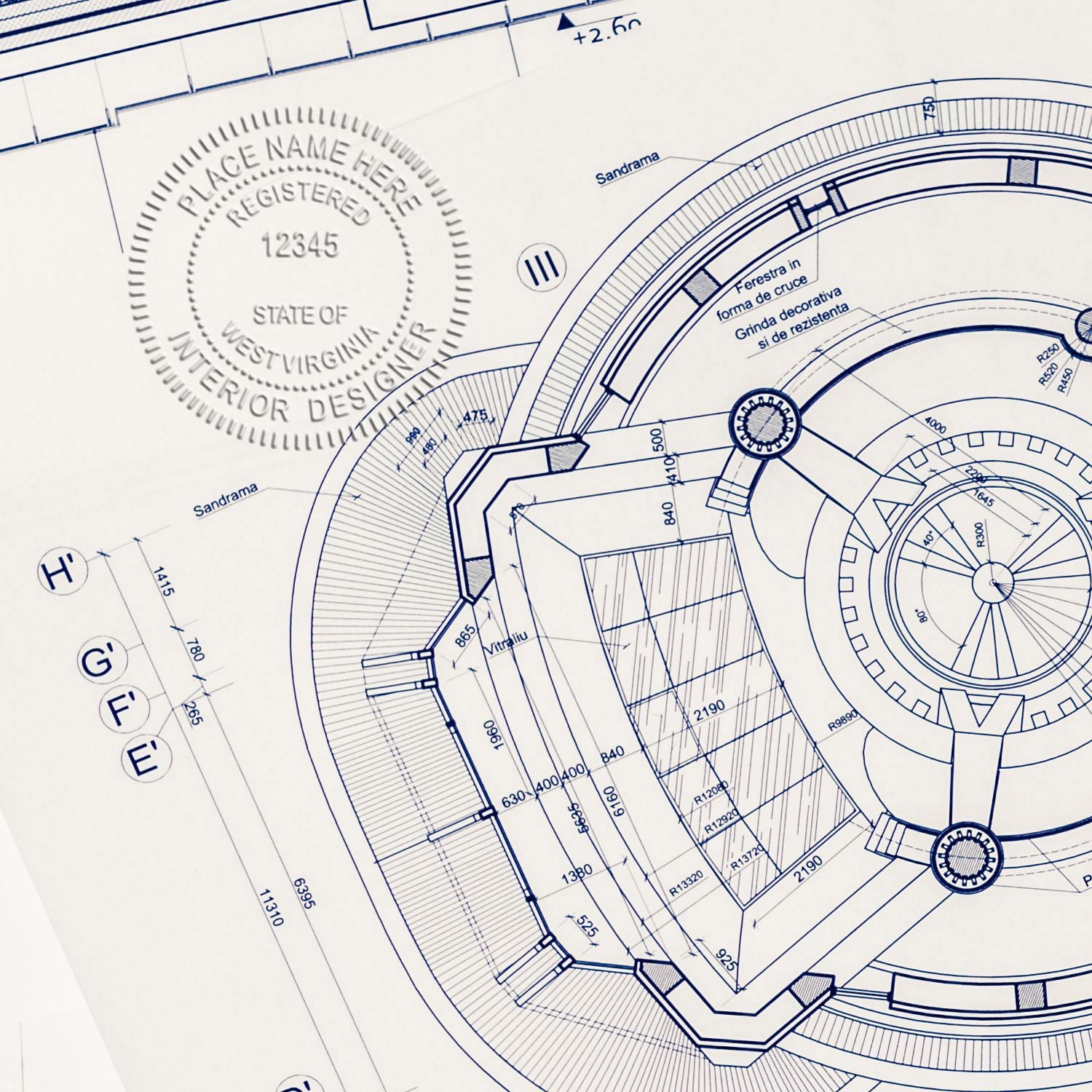

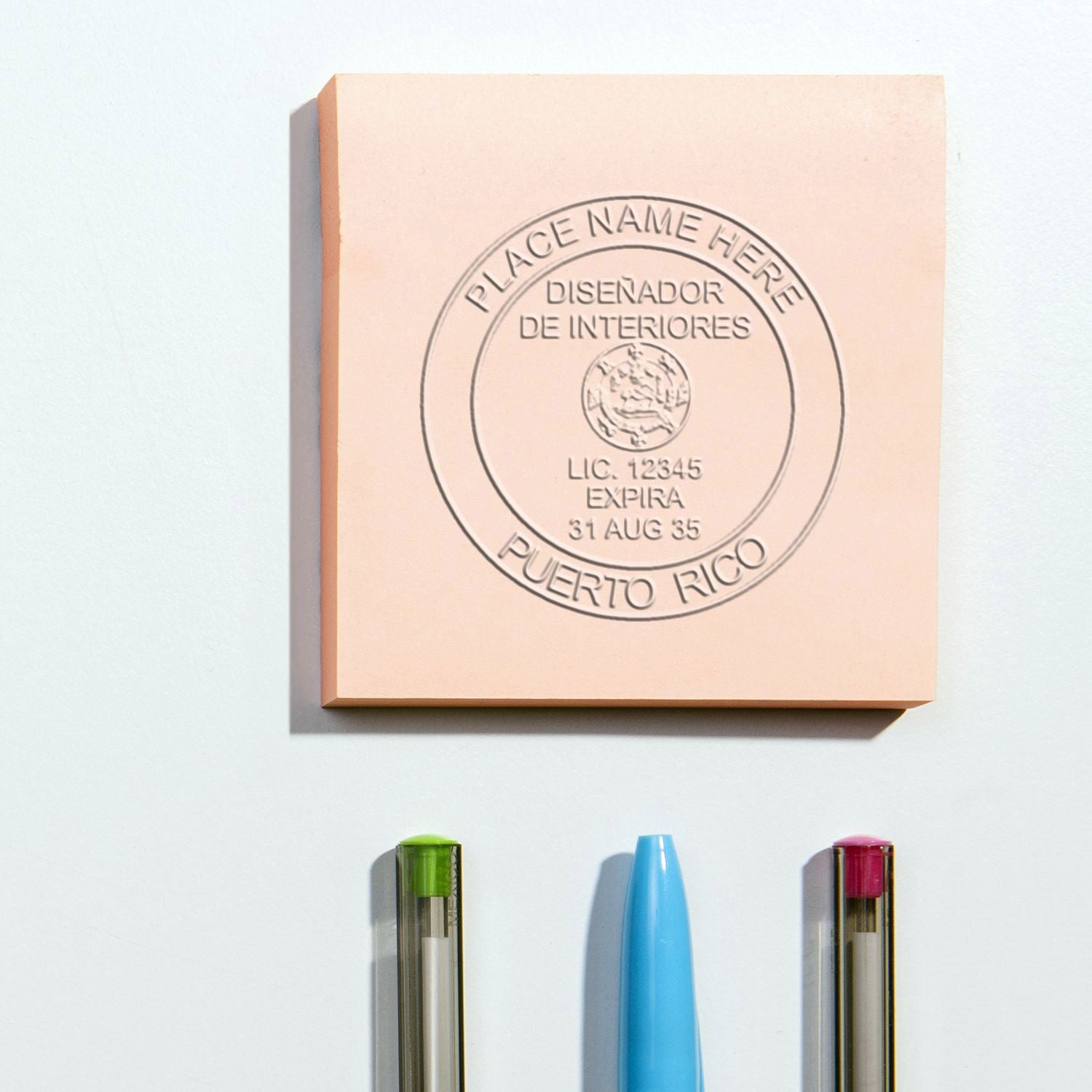
Spend Where It Counts
Given that the whole purchase is optional, you have room to be thoughtful about it.
- Match the mount to your volume. Someone stamping twice a month and someone stamping daily should not buy the same device. A sturdier body costs a little more and saves a replacement later.
- Do not chase the lowest price. A cheap die smudges and fills in, which makes your sheets look worse than a plain signature would. That defeats the reason you bought one.
- Bundle if you can. If a colleague in the studio wants one too, order together. Combined orders often carry a discount, and so do stamp and embosser pairs.
- Take the digital file. If an electronic version comes free with the device, take it. You will use it the first time a client asks for a PDF.
- Leave room for a change. Names change, firms change, titles change. Keep a little slack in the budget so a future reorder is a minor expense rather than an annoyance.
Choose A Supplier
You can shop locally and see samples in person, or order online and get more styles and a proof by email. Either way, do the homework first. Read what other designers say, and pay attention to how the company talks about state rules. A supplier who tells you Pennsylvania does not license interior designers is more useful than one selling you a specification that has never been published.
Acorn Sales has been making stamps and seals since 1964, which shows up in small things: a die cut deep enough to hold fine lines, a housing that does not flex on an uneven surface, and a proof set at finished size before anything is cut. Because Pennsylvania prescribes nothing, we start from your text rather than from a template, and the free electronic seal comes with the order so you are not paying twice for the same mark.
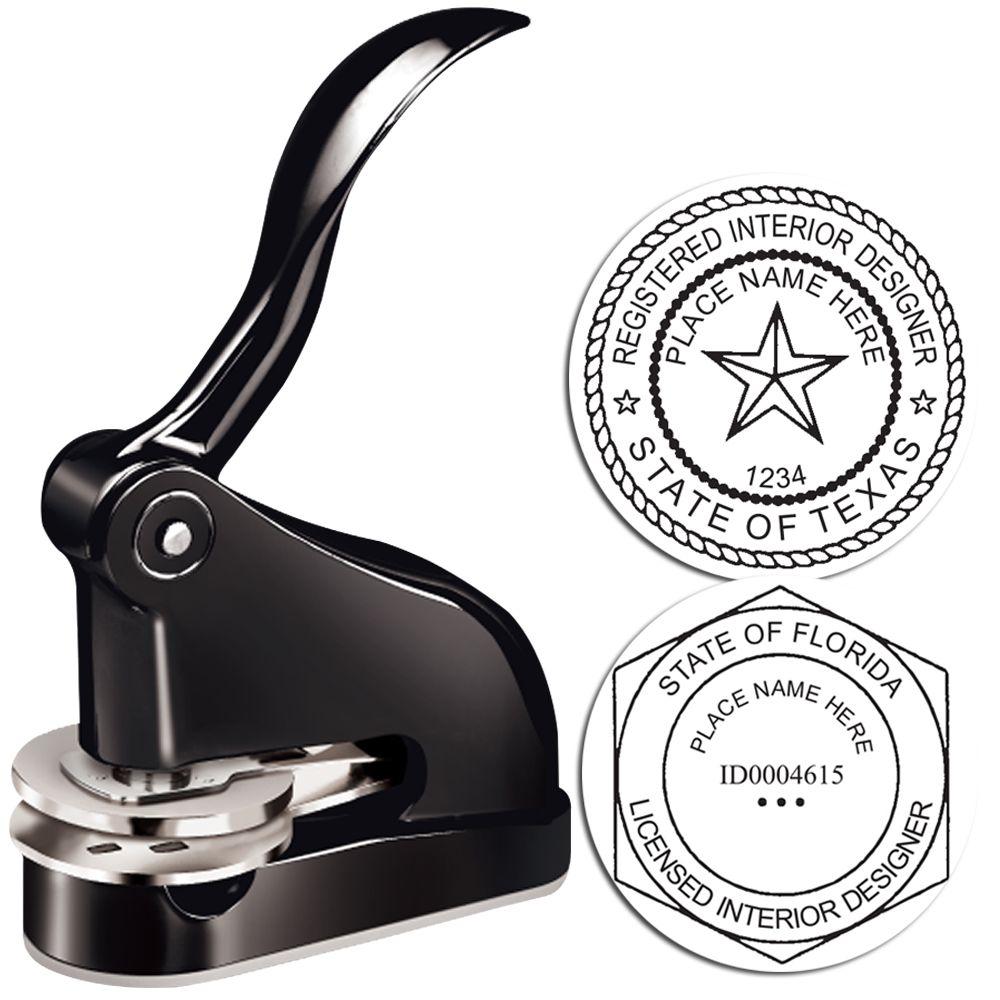

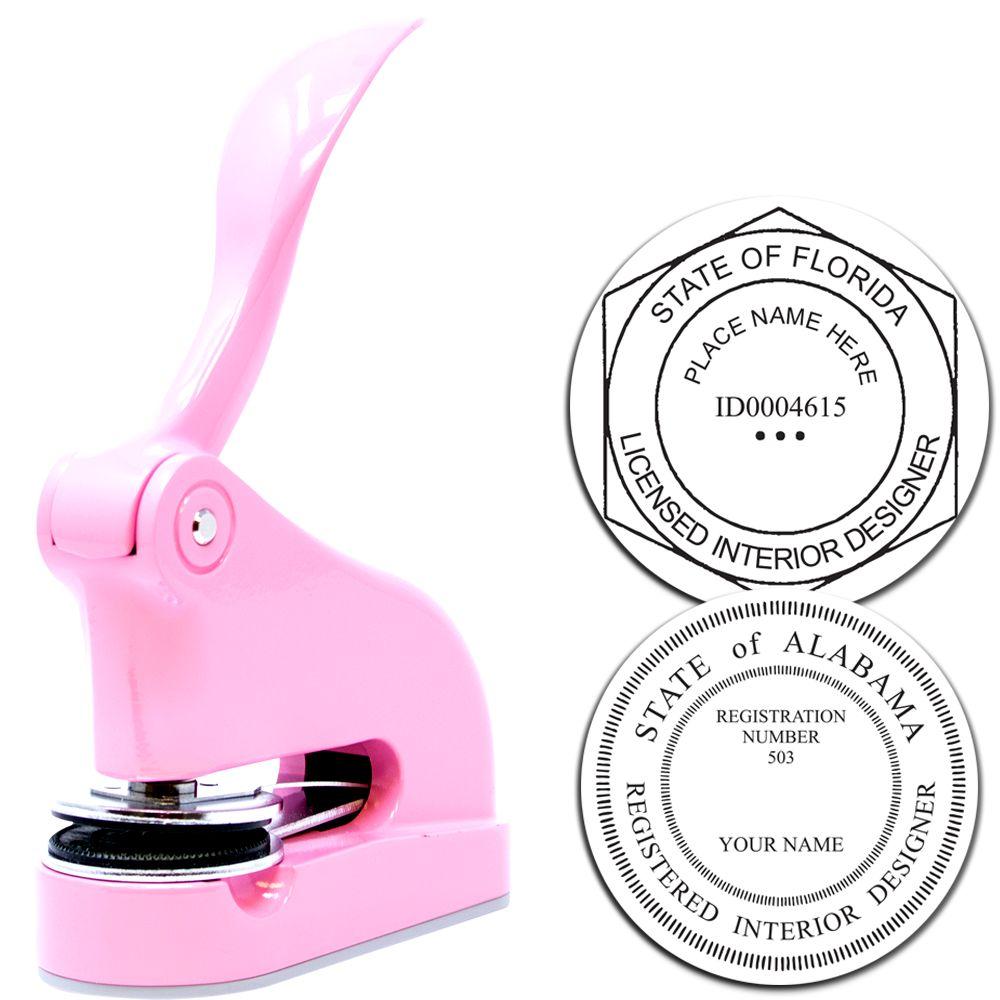
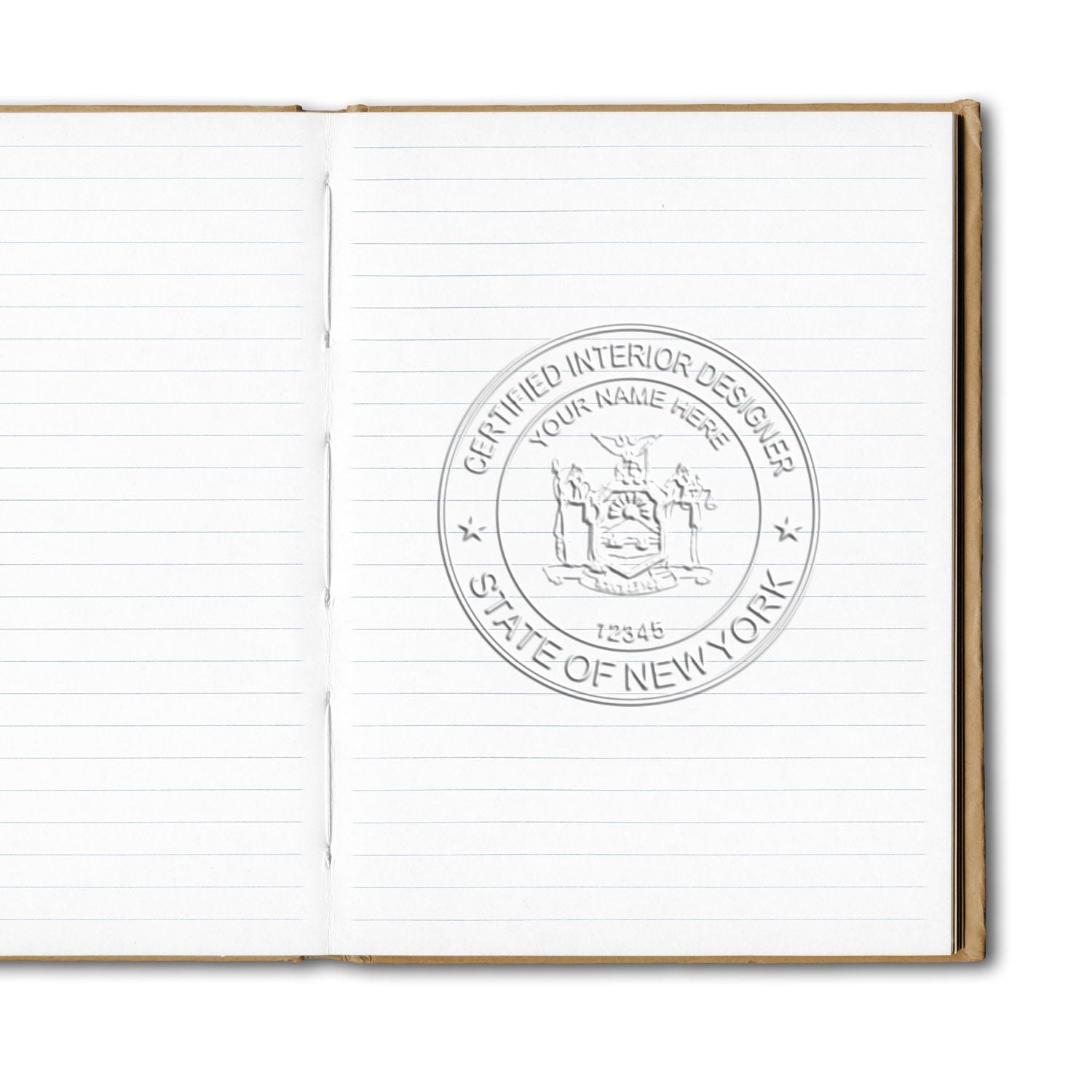
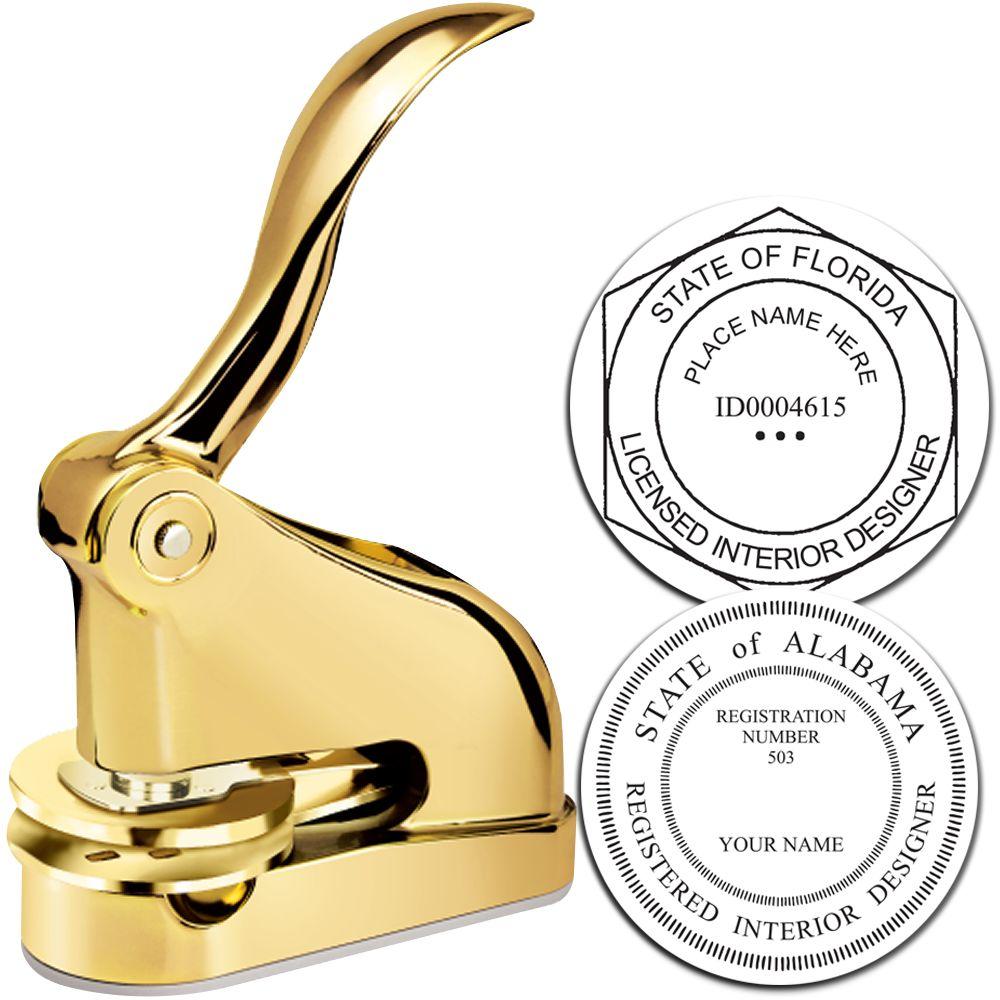

Get The Order Right The First Time
The cheapest way to control the cost of a stamp is to avoid buying it twice.
- Write out the exact wording before you start the order, and read it out loud. A single wrong character means a reorder.
- Count your lines. Three short lines fit where four long ones will not. Keep the text short enough to stay legible after a photocopy.
- Measure the space. If the impression lands in a signature block, measure that block before choosing a size.
- Keep the approved proof. Save it. A reorder years from now will match exactly, with no setup guesswork.
Turnaround varies by supplier and season. Many produce a standard layout in a couple of business days and ship it after that, so a week is a fair planning number. Custom artwork or a busy stretch adds time, which is a reason to order before the deadline rather than during it.
Recap
- Pennsylvania has no interior design board, no license and no seal rule, so nothing about the stamp is dictated to you
- Keep state wording that implies a license off the die, and name the issuing body beside any outside credential
- The device, shipping and occasional ink are the whole cost, and it is a modest one
- Build quality matters more than price, because a clean impression is the entire point
- Acorn Sales has been supplying stamps and seals since 1964 and includes a free electronic seal
A fresh stamp on your desk means you can put your attention back on the work. Pick the mount that suits how often you will reach for it, get the wording exactly right, read the proof twice, and then let a clean impression do its quiet job on every set you send out.
Frequently Asked Questions
Is A Stamp Required For Interior Designers In Pennsylvania?
No. Pennsylvania licenses no interior designers and prescribes no seal for them, so no rule asks you to own one. Designers buy a stamp because it identifies the author of a document at a glance and makes a set look finished, which is a good enough reason on its own.
Can I Reuse My Stamp If My Details Change?
Not usefully. If your name, firm or title changes, the old impression no longer matches what you sign, so order fresh artwork and retire the old device. Nothing forces that, it just keeps the mark honest.
Do I Really Need A Digital Version Too?
It depends on how your work travels. If you send PDFs or upload to client portals, a digital file saves the print, stamp and scan loop and keeps the image quality consistent. If a supplier such as Acorn Sales includes one free with the device, keep it on hand even if you do not need it yet.
Is There A Renewal Fee For My Stamp?
No. The device does not expire and there is no Pennsylvania interior design credential to renew alongside it. The only reason to order another is a change in what the mark says.
How Do I Know My Design Is Correct?
There is no state design to check it against. Read the proof for spelling, confirm every credential named on it is one you hold and shows the body that issued it, and check that the type is still readable at finished size.








