

Written by Acorn Sales Company, manufacturing stamps and seals since 1964 · Reviewed by Holly R, VP of Sales and Marketing at Acorn Sales, against the California Architects Board and Cal. Bus. & Prof. Code § 5536.1 on 21 September 2026 · Updated 21 September 2026
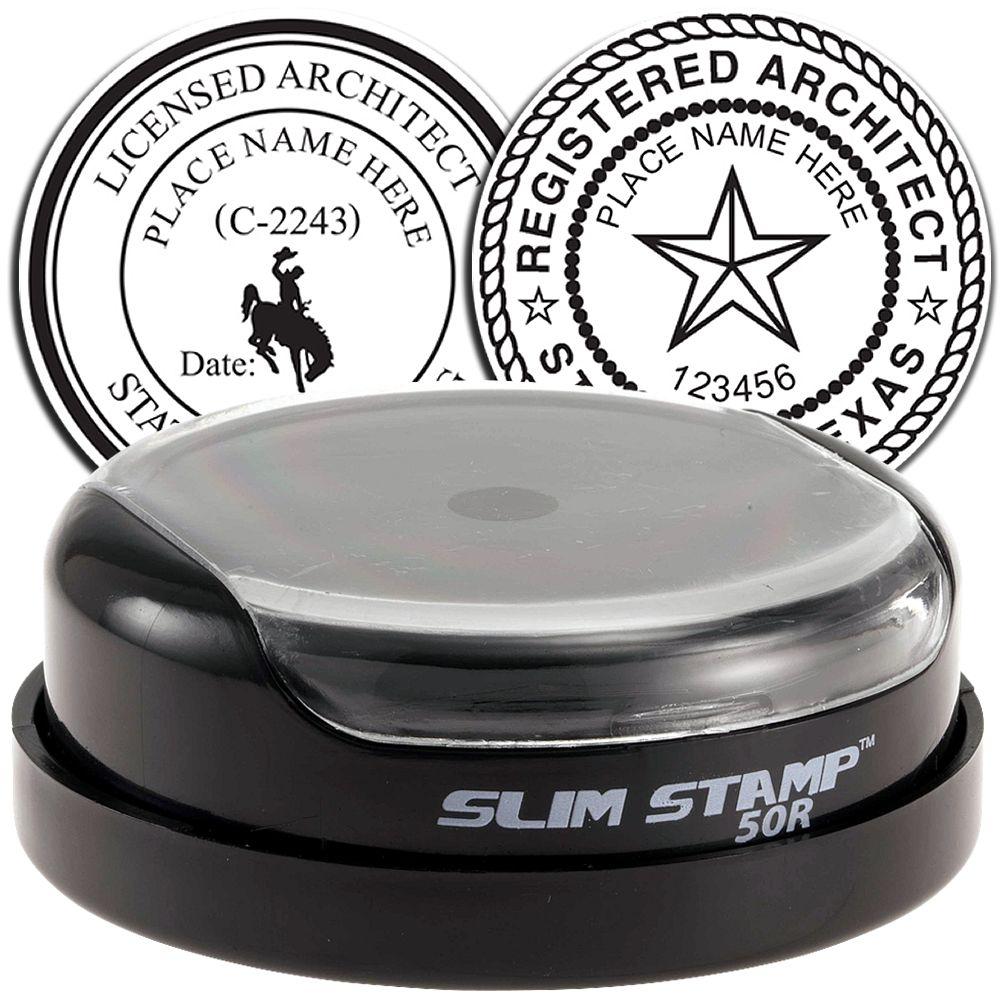
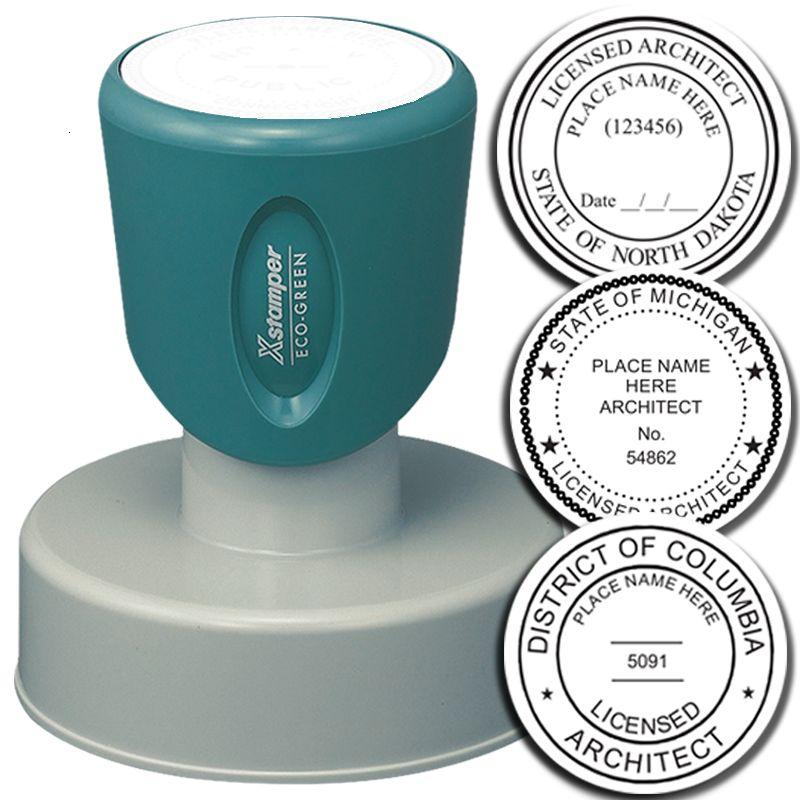
A California architect stamp may not be of the embossing type. Section 136(b) of title 16 says it in six words, and it disqualifies the metal desk seal and the hand-held pliers embosser as the required stamp. California architects use ink. The die is circular, not less than one inch and not more than two inches in diameter under section 136(a), carrying your name as licensed, your license number, the legend licensed architect, the legend State of California, and a means of indicating the renewal date of your license.
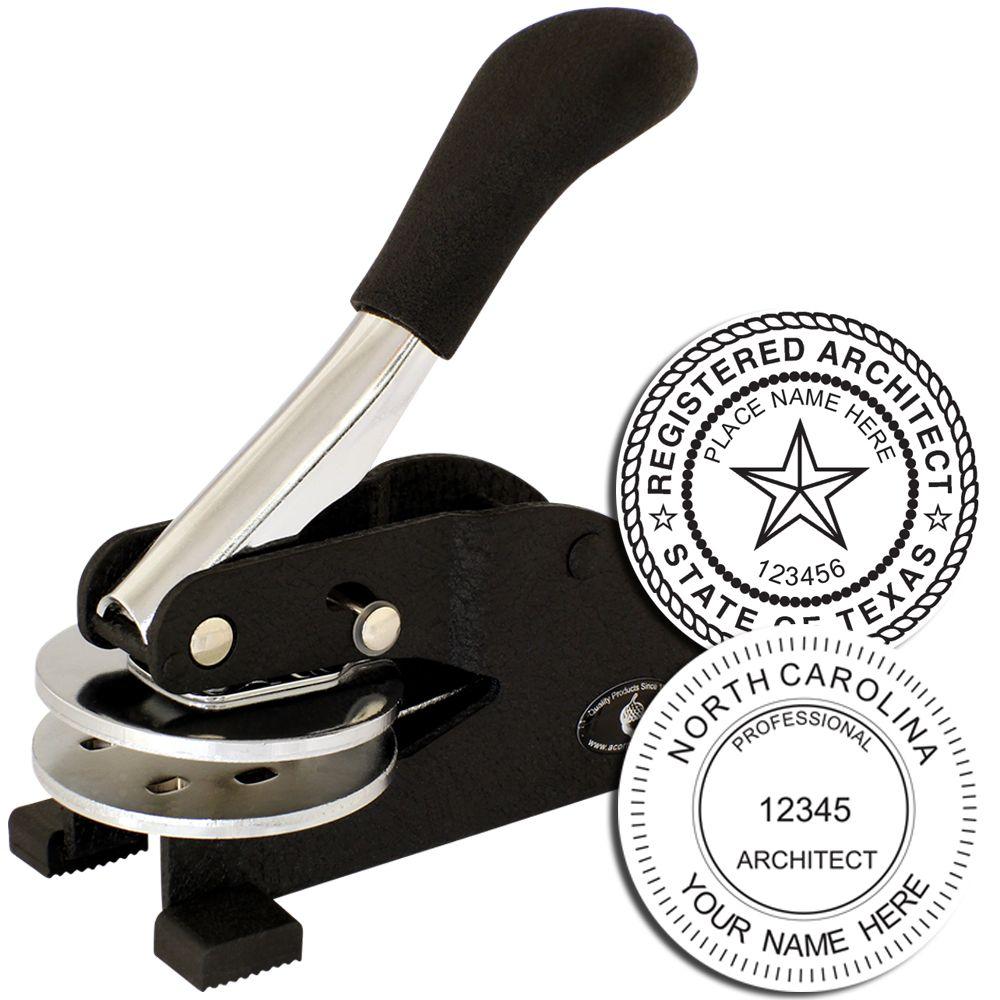
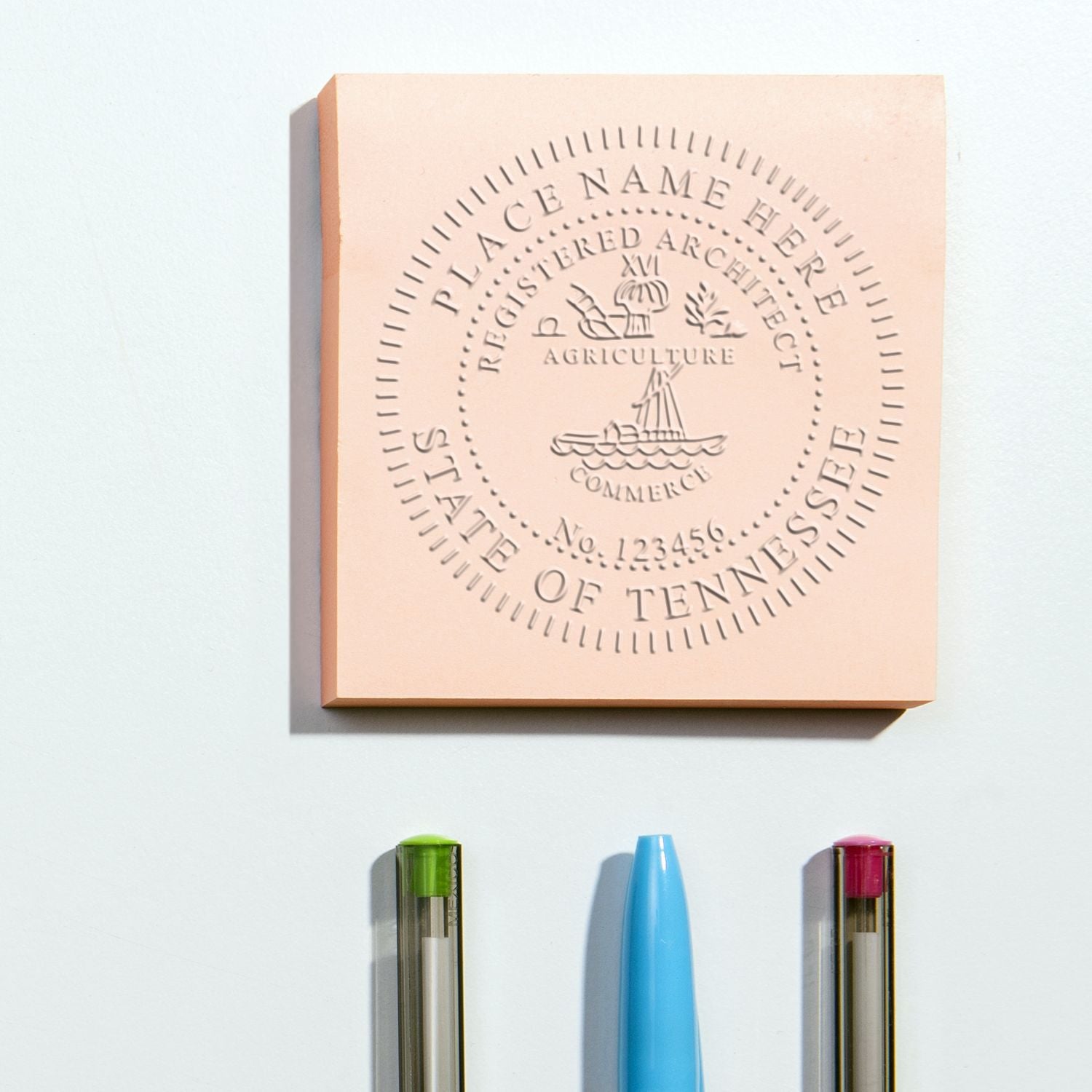
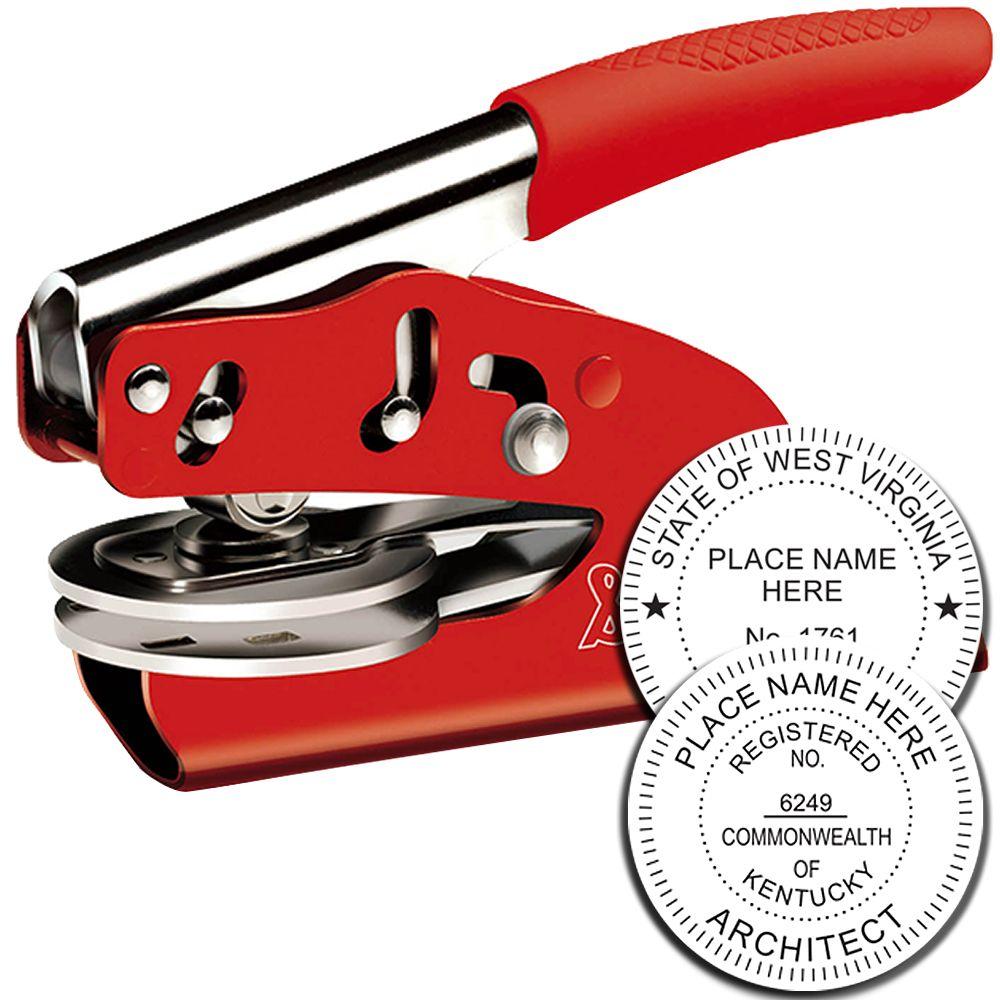
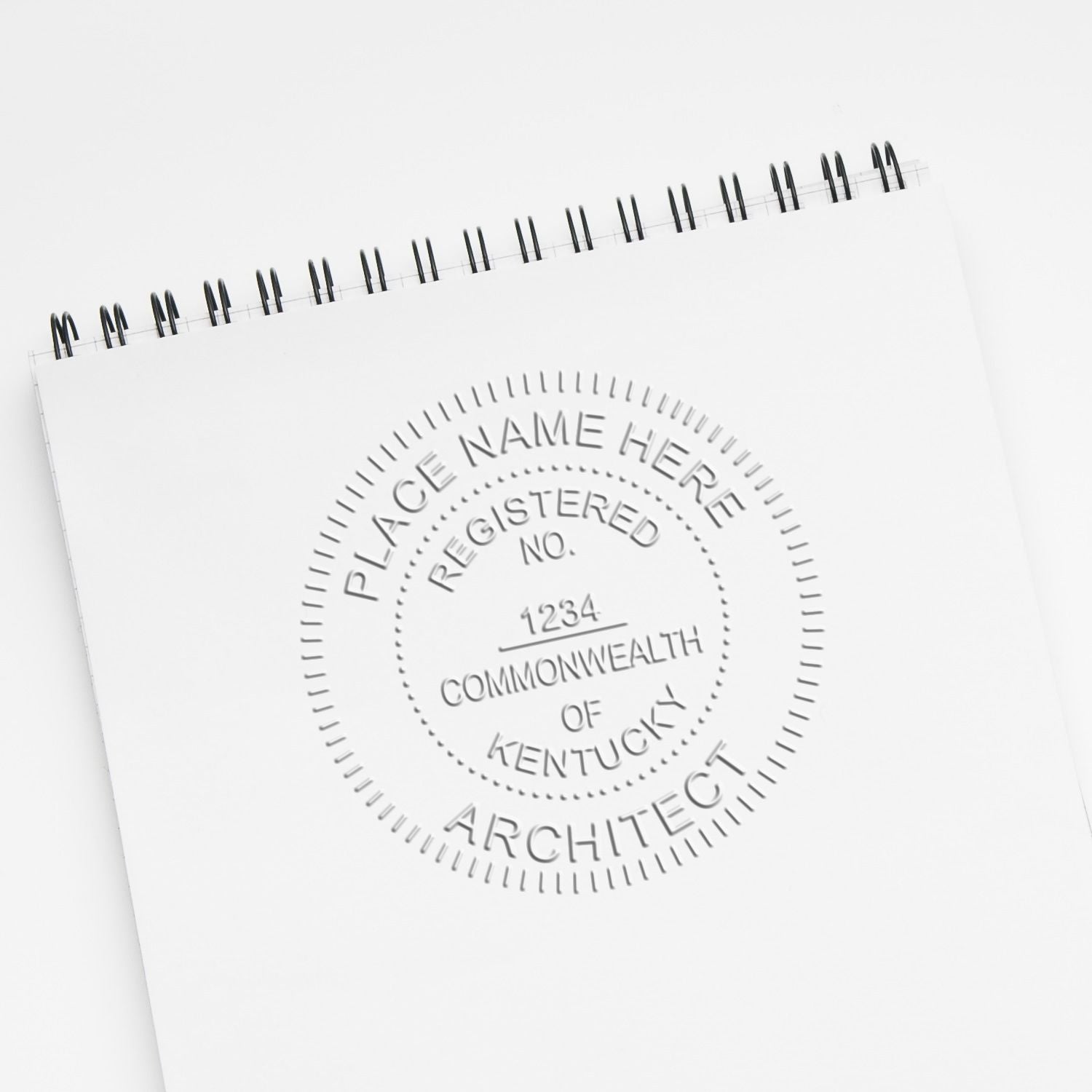
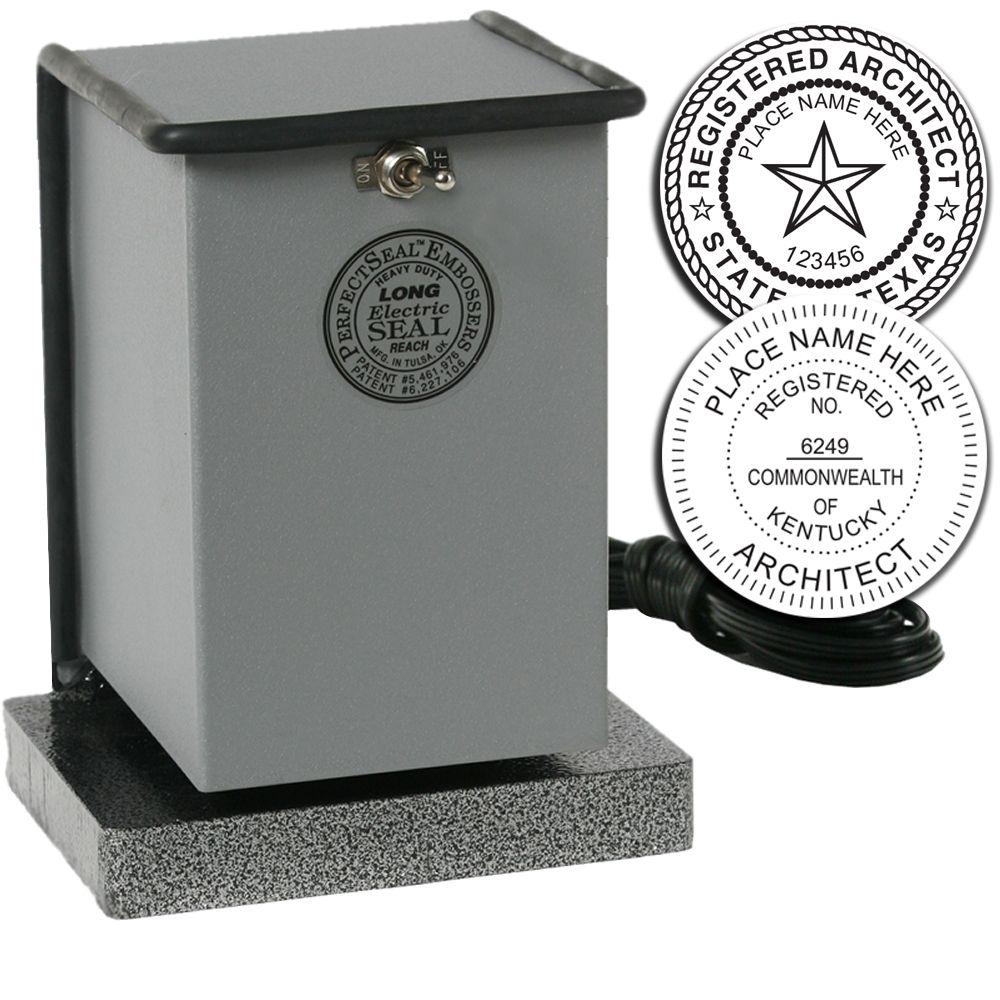
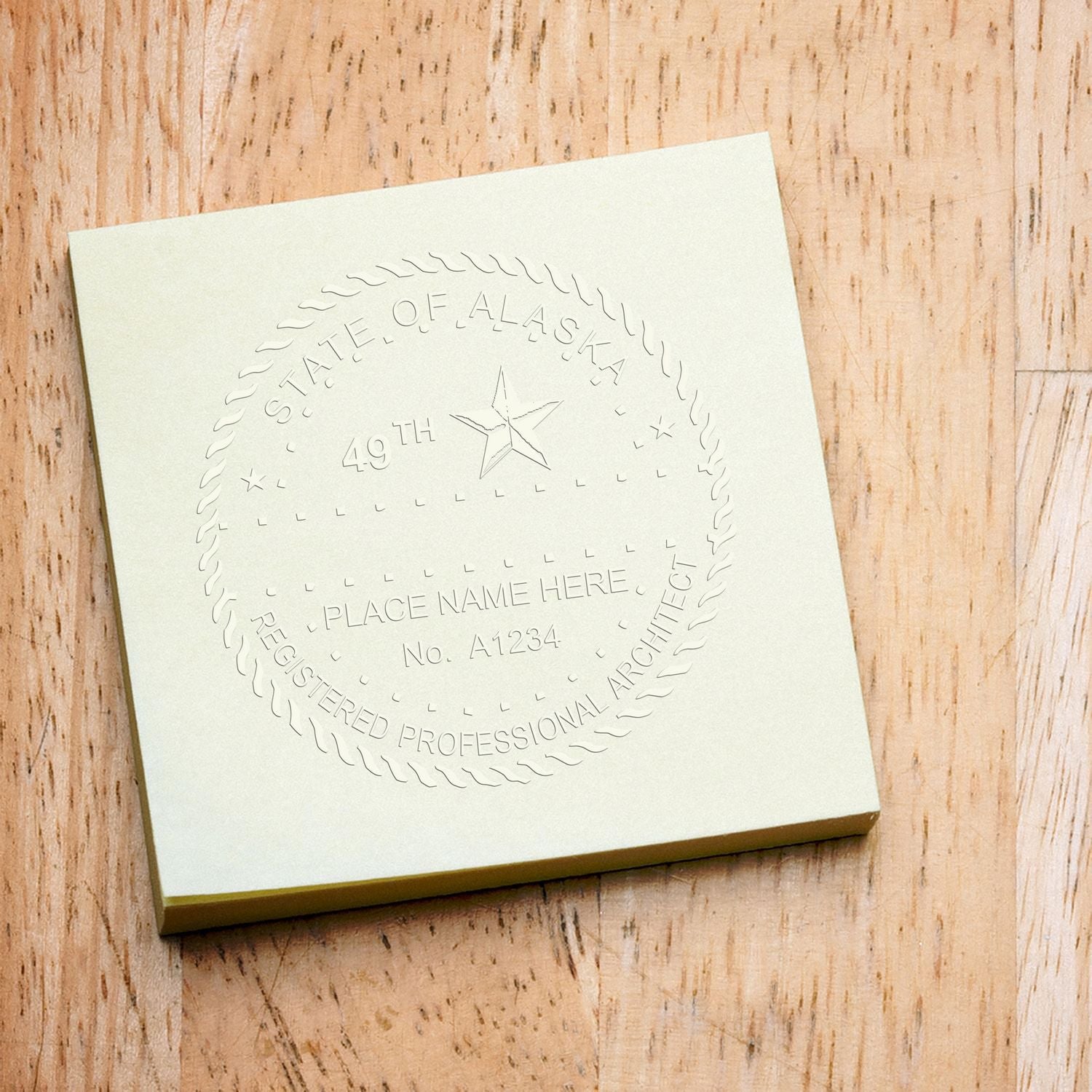
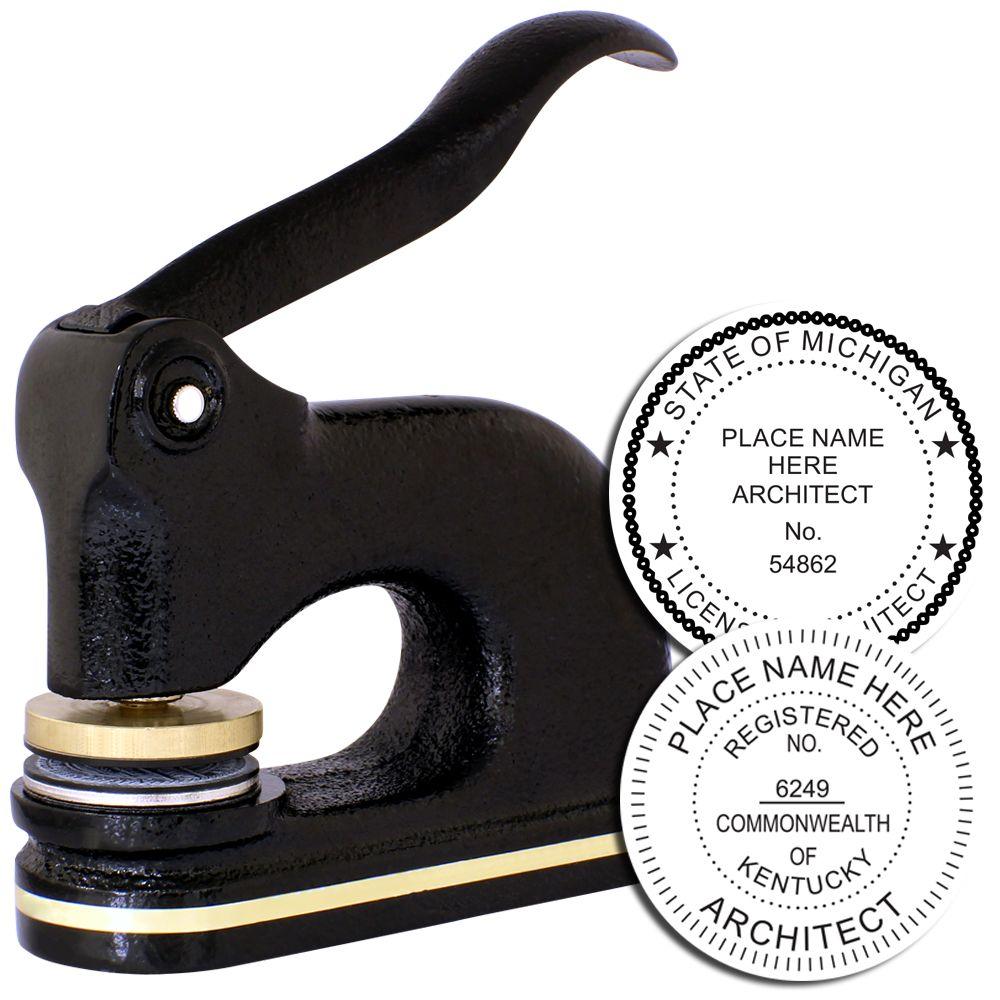
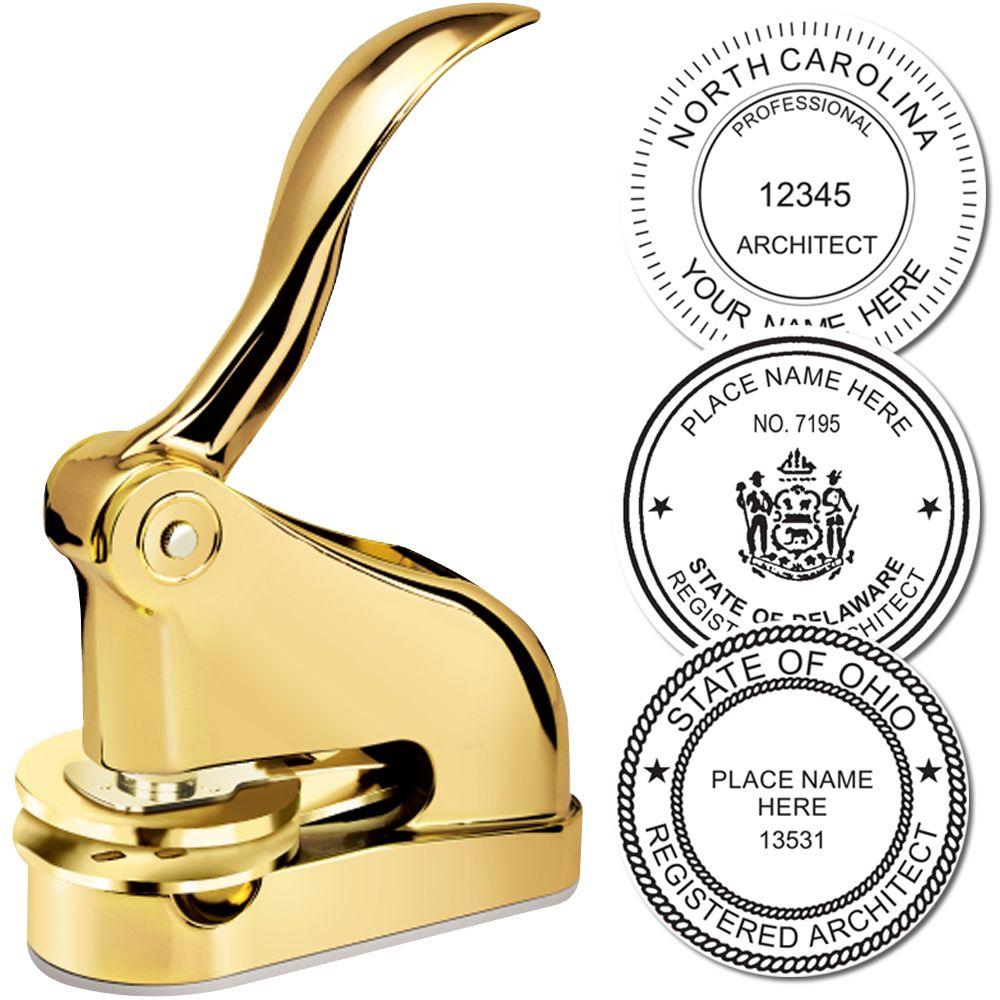
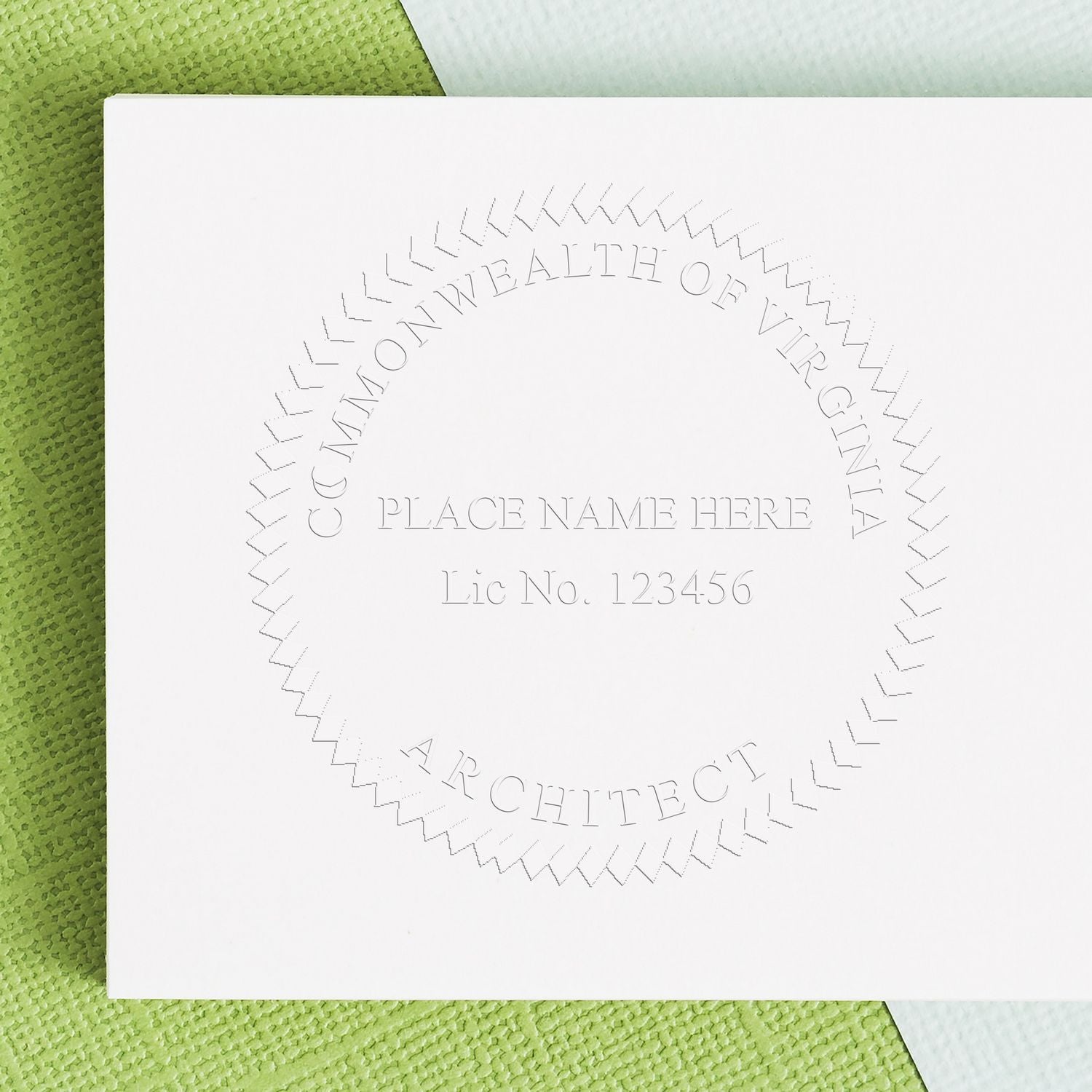
Read the embossing ban for exactly what it covers. The rule prohibits the embossing type as the stamp that section 5536.1 requires you to affix. It says nothing about owning an embosser, and nothing about using one alongside a compliant inked stamp. Plenty of firms still want a raised impression on a presentation set or a contract, and that is fine so long as the embosser is not carrying the required elements and standing in for the stamp. The inked device is the one that satisfies the rule; anything raised is decoration next to it.
The other California trap is the renewal date. Section 5536.1(b) requires the stamp to provide a means of indicating it, and section 136(c) gives you two ways: leave a space where you write the renewal date, or have the date printed on the stamp. The Board states the consequence plainly, which is that a printed date means a new stamp every two years. The blank line is the durable product.
California architect seal requirements at a glance
| Requirement | California rule | Source |
|---|---|---|
| Seal required | Yes | Cal. Bus. & Prof. Code § 5536.1 |
| Required elements | Your name as licensed, Your license number, The legend licensed architect, The legend State of California and A means of indicating the renewal date of your license | Cal. Bus. & Prof. Code § 5536.1(b) |
| Size and shape | Circular, not less than one inch and not more than two inches in diameter. | Cal. Code Regs. tit. 16, § 136(a) |
| Device allowed | An inked stamp or a computer generated image. | Cal. Code Regs. tit. 16, § 136(a), (b) |
| Signature and date | Signature and stamp travel together, and the date on the face is not a signing date. | Cal. Bus. & Prof. Code § 5536.1(a) |
| What must be sealed | Plans, specifications and instruments of service prepared for others, plus the contracts for them, which are signed but not stamped. | Cal. Bus. & Prof. Code § 5536.1(a), (c) |
| Electronic seal | Not addressed by the Board. | Cal. Bus. & Prof. Code § 5536.1 |
| Renewal and lapse | The renewal date on the face is what ages, not the license number. | Cal. Code Regs. tit. 16, § 136(c) |
| Firm requirements | Not applicable. | California Architects Board, Licensees resources (Business Entity Report Form) |
| Regulator | The California Architects Board | Architects Practice Act, Cal. Bus. & Prof. Code §§ 5500 to 5610.7, principally § 5536.1 as amended by Stats. 2024, ch. 482 (SB 1452) |



Is a seal required in California?
California puts the duty in the statute and the design in the Board rule. Business and Professions Code section 5536.1(a) provides that all persons preparing or being in responsible control of plans, specifications and instruments of service for others “shall sign those plans, specifications, and instruments of service and all contracts therefor, and, if licensed under this chapter, shall affix a stamp, which complies with subdivision (b).” Failure to comply is a misdemeanor, and the duty does not reach employees of licensees acting within the course of their employment. Subdivision (b) fixes the minimum content of the stamp. The shape, the diameter and the ban on embossing sit in California Code of Regulations title 16 section 136. Section 5536.1 was last amended by Stats. 2024, ch. 482 (SB 1452), effective January 1, 2025.
What must appear on the seal
- Your name as licensed
- Your license number
- The legend licensed architect
- The legend State of California
- A means of indicating the renewal date of your license
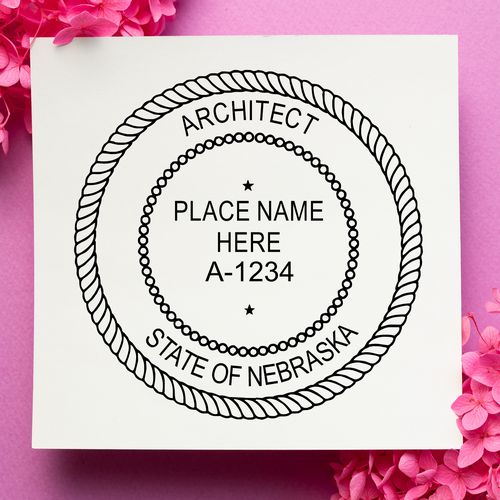
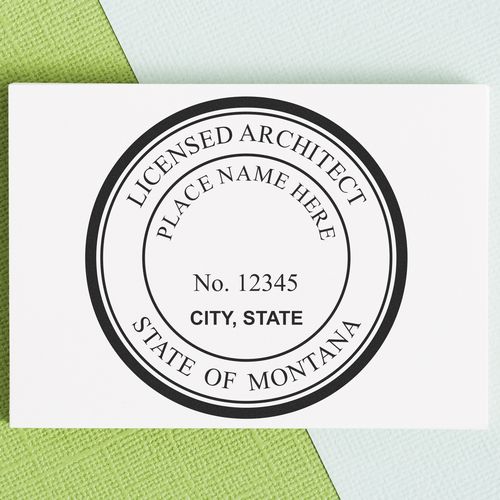
The renewal date is the element buyers misread. Section 136(c) gives two ways to satisfy it: “The license renewal date shall be shown on the stamp by either leaving a space on the stamp where the architect shall write his or her renewal date or having the license renewal date printed on the stamp.” The Board’s own stamp guidance adds the consequence, which is that a preprinted date means the stamp has to be replaced every two years. Section 136(a) allows a design similar to those illustrated in the rule and permits solid or broken border lines, rope effects, beaded borders and words forming the circle, with stars and graphic devices allowed so long as legibility survives. What is flatly banned is the device type: section 136(b) provides that “The stamp shall not be of the embossing type.” No branch, discipline, firm name or certificate number belongs on the face.
Size and shape
Circular, not less than one inch and not more than two inches in diameter. Section 136(a) states both ends of the range, so this is one of the few California design credentials with a true ceiling as well as a floor. A nominal 1-5/8 inch or 2 inch die is inside the range; anything above two inches is not.
Embosser, rubber stamp or digital
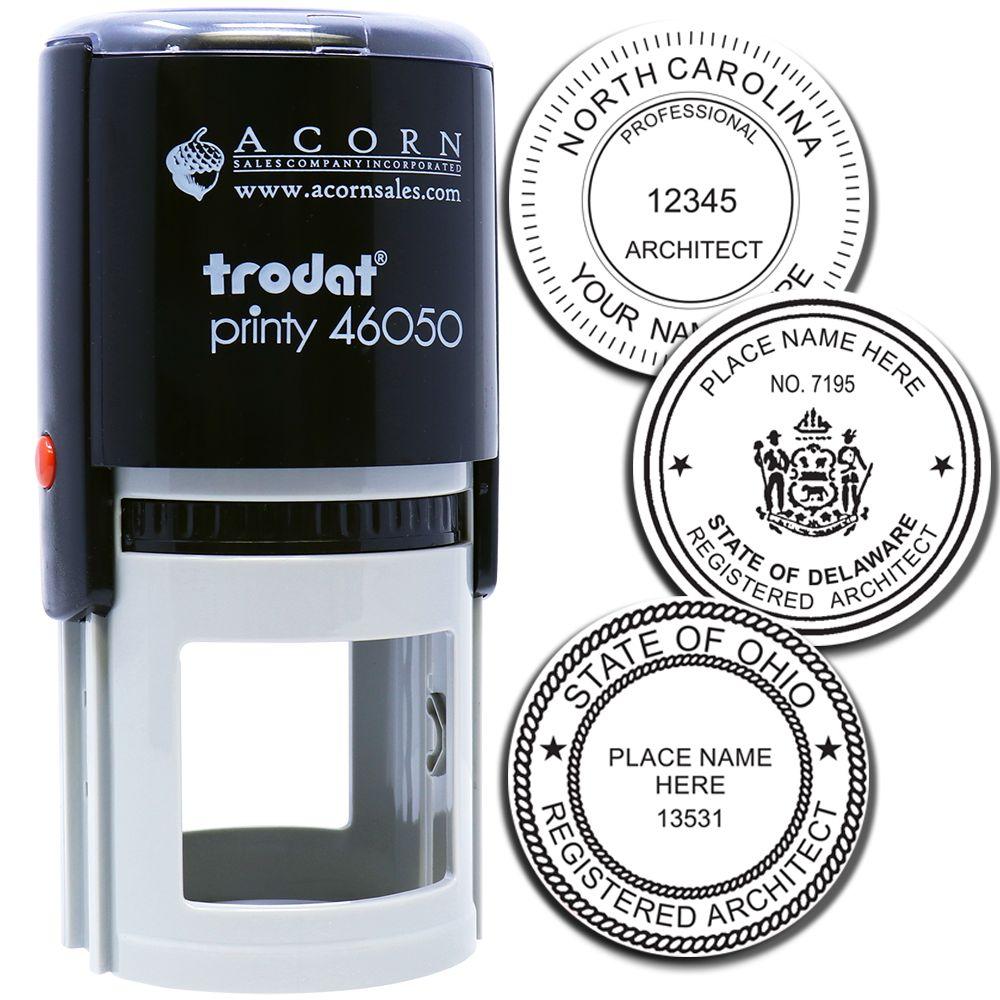
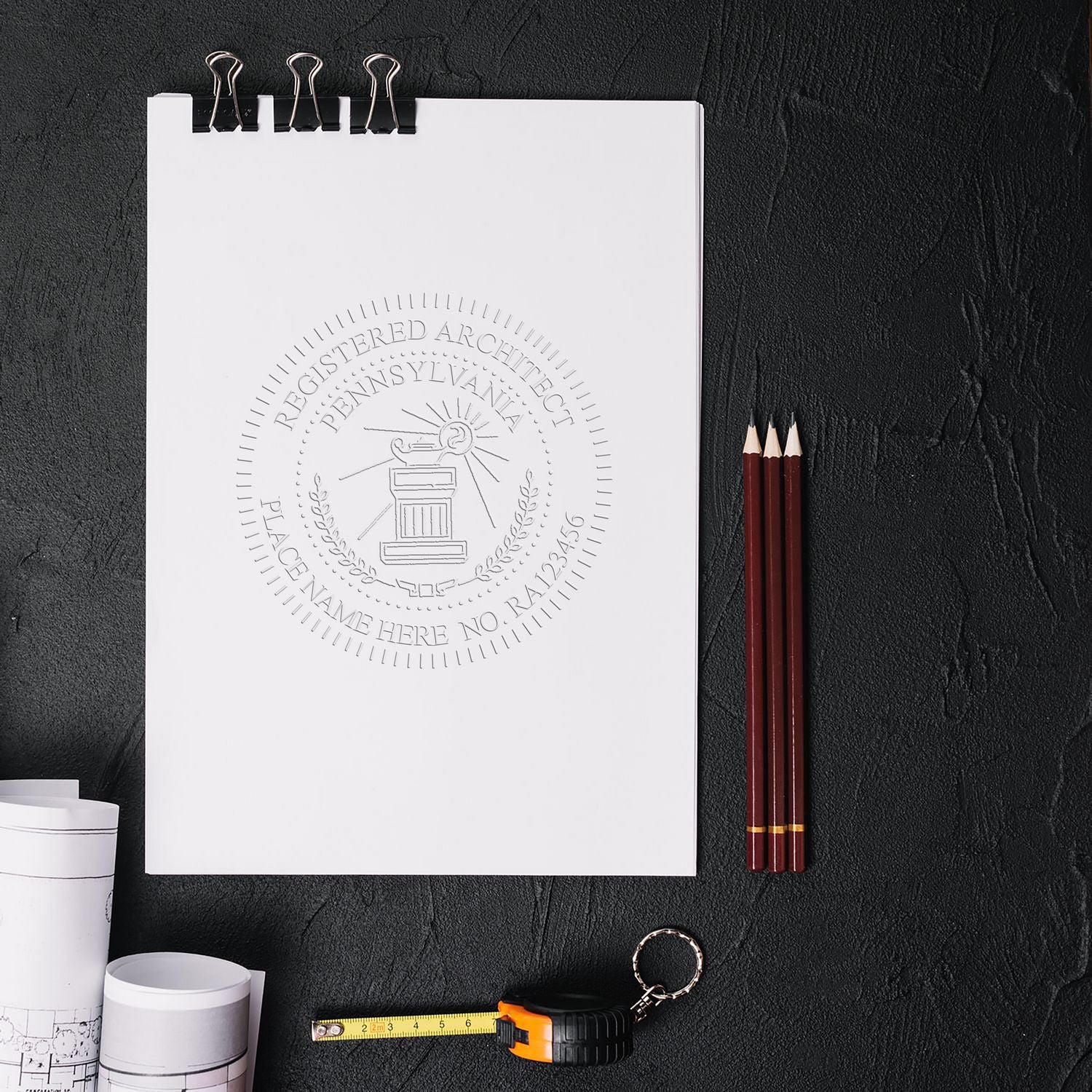
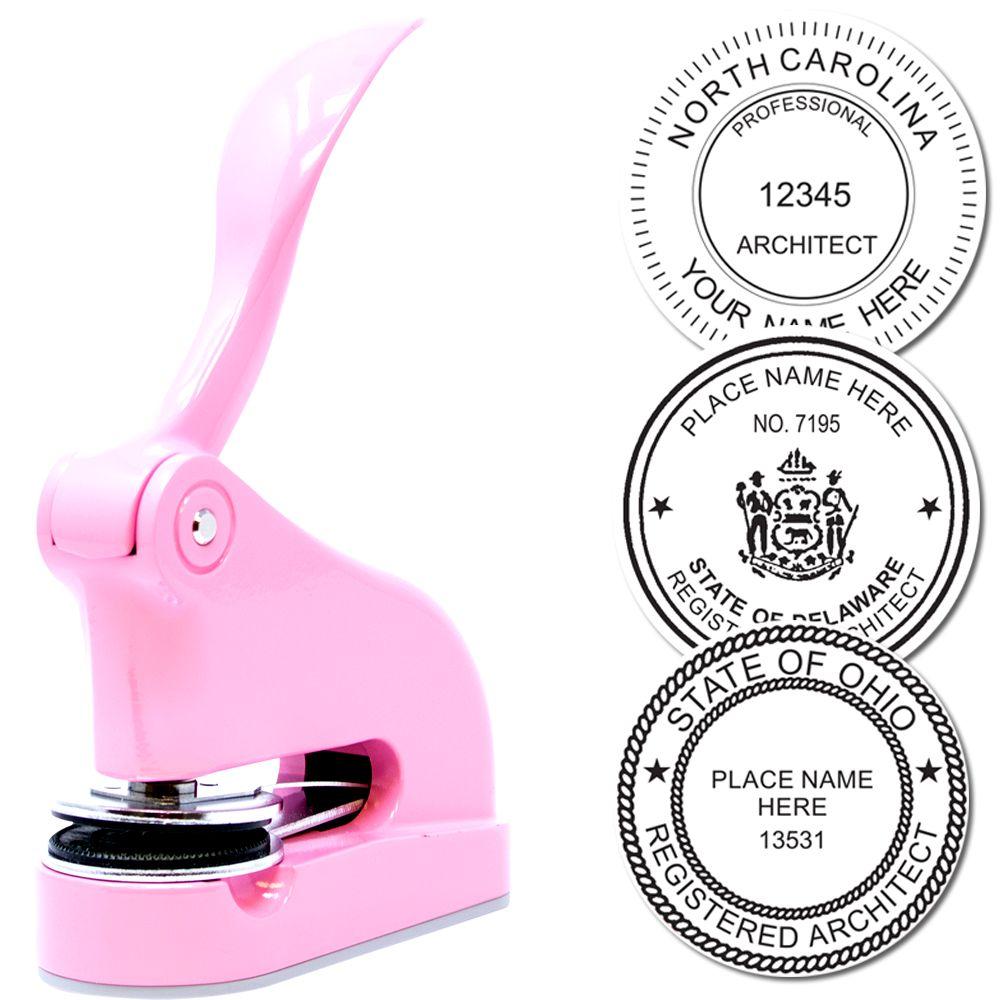
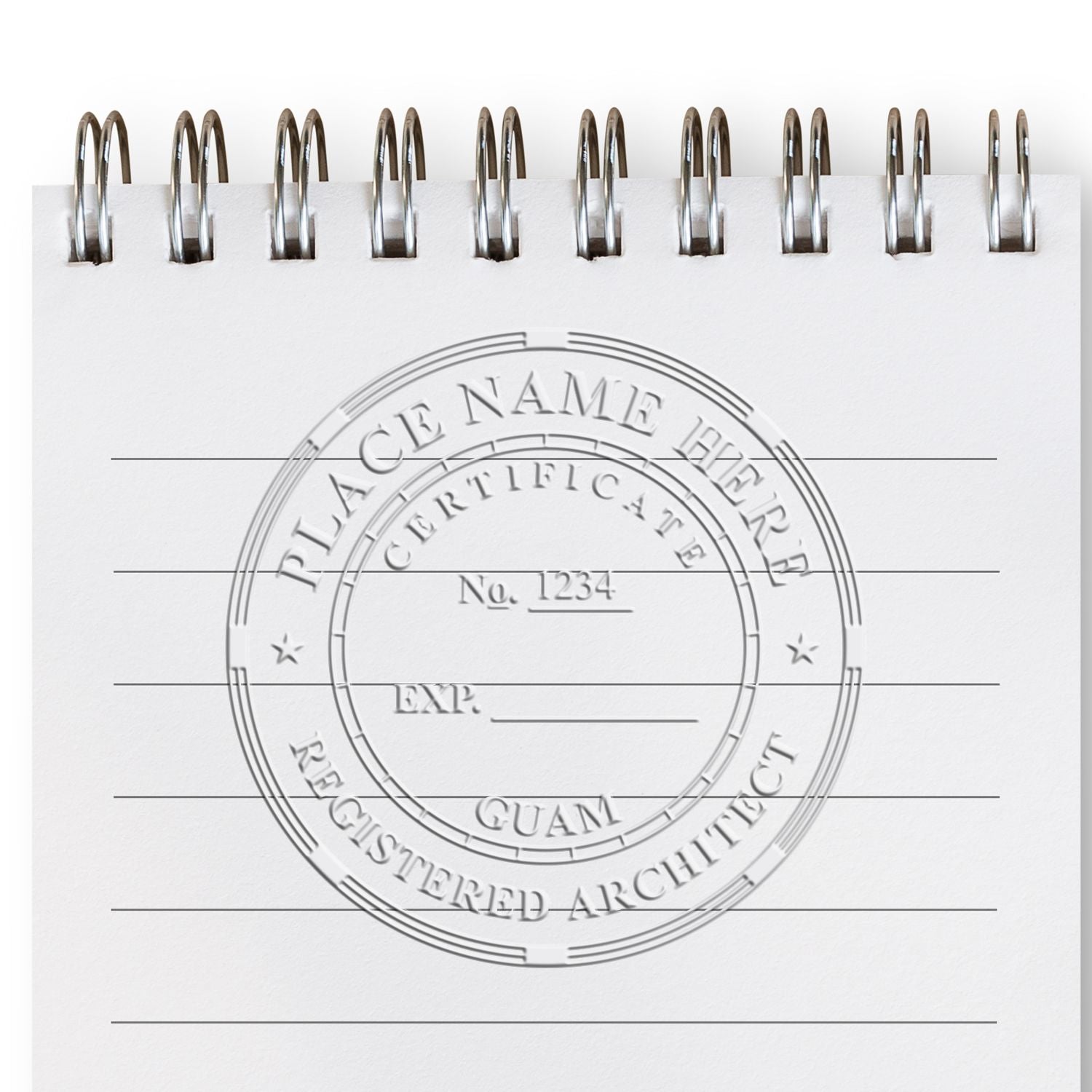
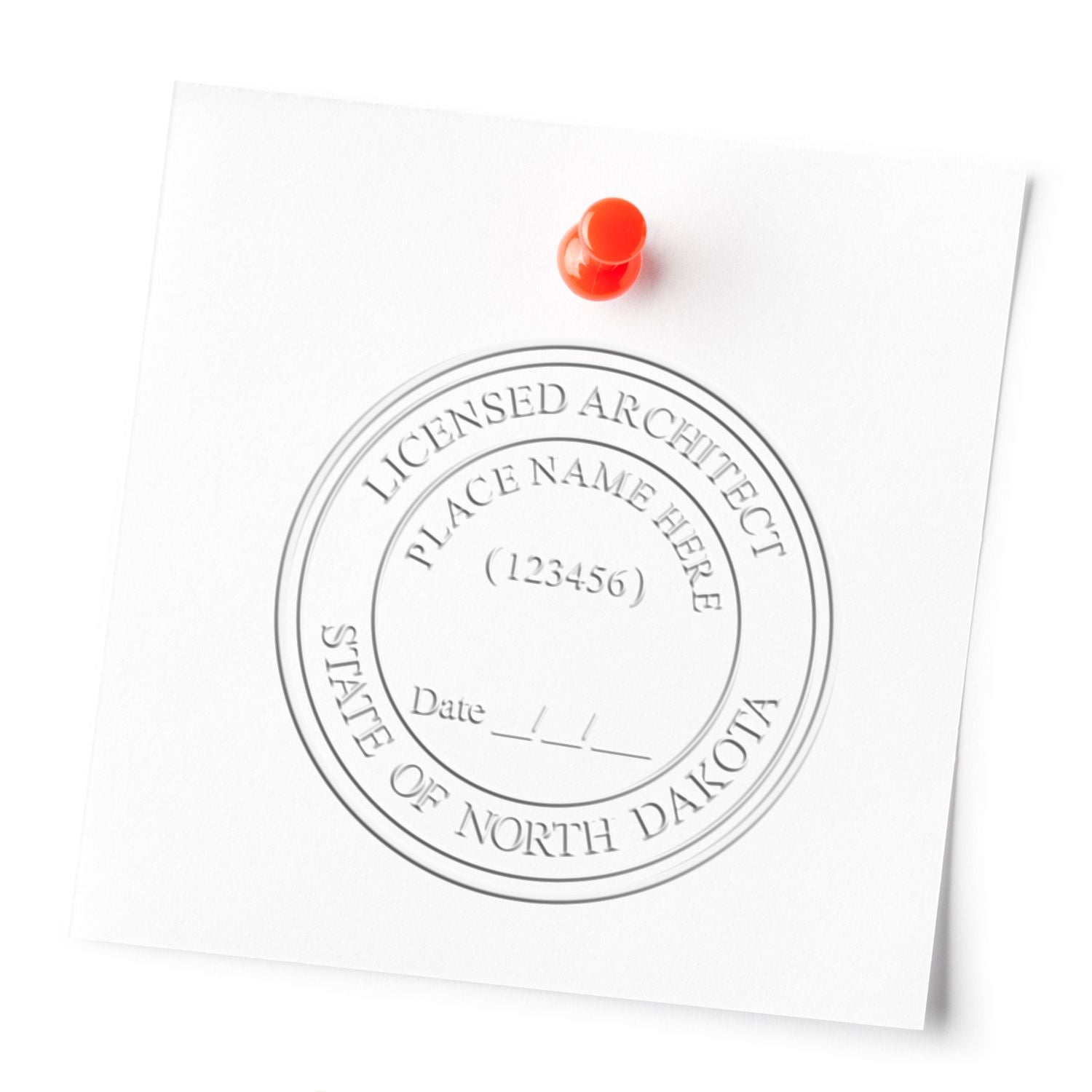
An inked stamp or a computer generated image. Section 136(b) prohibits the embossing type outright, which makes California one of the few states where the classic metal desk seal is not a lawful architect device at all. Section 136(a) confirms the stamp “may be purchased from any source,” naming stationery stores, business supply houses, rubber stamp manufacturers and print shops. The safe buy is a self inking rubber stamp with a blank line for the renewal date.
Signing and dating
Signature and stamp travel together, and the date on the face is not a signing date. Section 5536.1(a) requires the licensee to sign the plans, specifications and instruments of service and all contracts for them, and to affix the stamp. The only date the rule cares about is the license renewal date under section 136(c). Neither section 5536.1 nor section 136 requires a date of signing beside the stamp, and neither requires the signature to cross or touch the stamp impression. That is a genuine divergence from the California engineer and land surveyor rule, which does require the date of signing and sealing immediately below or next to the seal.
An embosser is not a legal California architect stamp
Section 136(b) of title 16 says it in six words: the stamp shall not be of the embossing type. That single sentence disqualifies the metal desk seal and the hand held pliers embosser, the two products most people picture when they hear the word seal. California architects use ink. Engineers, land surveyors and geologists in California may use an embosser under a different rule, section 411(e) and section 3008(f), so a supplier who treats the four professions as one product line will sell an architect a device the rule forbids.
Which documents must be sealed
Plans, specifications and instruments of service prepared for others, plus the contracts for them, which are signed but not stamped. The Board states the duty plainly: architects are required to stamp and sign plans, specifications and other instruments of service as evidence of their responsibility for those documents. Employees of a licensee acting within the course of their employment are outside subdivision (a). Section 5536.1(c) makes it a misdemeanor for an unlicensed person to prepare plans, specifications or instruments of service for any building other than the buildings described in section 5537.



Electronic and digital seals
Not addressed by the Board. Section 5536.1 and section 136 say nothing about an electronic or digital stamp, and the Board’s stamp guidance addresses only physical stamping and signing. Checked section 5536.1 in the current 2025 text and the whole of section 136 including its note and history. Where a California public entity chooses to accept a digital signature, the standard that binds that entity is Government Code section 16.5 with the Secretary of State regulations at title 2 sections 22000 through 22005, which approve public key cryptography and signature dynamics. That is a rule for the receiving agency, not an Architects Board specification.
Renewal, lapse and retirement
The renewal date on the face is what ages, not the license number. A stamp built with a blank renewal line stays usable for the life of the license because the architect writes the current renewal date each cycle. A stamp with the date printed into the die has to be reordered every two years, which the Board states expressly. The license number does not change on renewal. Neither section 5536.1 nor section 136 requires a lapsed, retired, suspended or revoked architect to surrender or destroy the stamp, and neither addresses reissue of a different number. Not addressed in the Architects Practice Act or in section 136.
Firm requirements
Not applicable. The Board licenses individual architects and does not issue a firm license, a corporate certificate or a certificate of authorization, so no firm number belongs on the stamp. What California asks instead is a report: a licensed architect files a Business Entity Report Form giving the name and address of the entity through which architectural services are provided. That record sits with the Board and never appears on a stamped drawing.
What to check before you order
Order a circular ink stamp between one and two inches across. Never an embosser: section 136(b) prohibits the embossing type. The face carries your name as licensed, your license number, the legend licensed architect and the legend State of California, plus a blank line for the renewal date so you never have to reorder. Ask for the blank line rather than a printed renewal date, because a printed date obliges you to replace the stamp every two years. Leave off any branch, discipline, firm name or expiration date. You may buy from any source; the Board requires no proof of licensure from the supplier.
Browse architect stamps and seals.
- How to Budget for Your California Architect Stamp Cost
- The Benefits of Using a California Architect Stamp for You
Frequently asked questions
Is an architect stamp required in California?
Yes, and failing to use one is a misdemeanor. Business and Professions Code section 5536.1(a) provides that all persons preparing or being in responsible control of plans, specifications and instruments of service for others “shall sign those plans, specifications, and instruments of service and all contracts therefor, and, if licensed under this chapter, shall affix a stamp, which complies with subdivision (b).” The duty does not reach employees of licensees acting within the course of their employment. Section 5536.1 was last amended by Stats. 2024, ch. 482 (SB 1452), effective January 1, 2025.
What has to appear on a California architect stamp?
Five items, fixed by section 5536.1(b): your name as licensed, your license number, the legend licensed architect, the legend State of California, and a means of indicating the renewal date of your license. That is a closed list. No branch, no discipline, no firm name and no certificate number belongs on the face.
Can a California architect use an embossing seal?
Not as the required stamp. Section 136(b) provides that “The stamp shall not be of the embossing type,” so the embossed impression cannot be the device you affix under section 5536.1. What the rule does not do is forbid you to own an embosser or to use one for anything else, and silence there is silence rather than permission. The workable arrangement is an inked stamp that carries the five required elements and satisfies the rule, with any raised impression kept off that duty entirely. An embosser that carries your name, number and the licensed architect legend and is used in place of the ink stamp is the thing section 136(b) rules out.
Why can California engineers use an embosser when architects cannot?
Different board, different rule. California engineers, land surveyors and geologists sit under the Board for Professional Engineers, Land Surveyors and Geologists, whose rules at section 411(e) and section 3008(f) permit an embosser for the required seal. The Architects Board rule at section 136(b) does not. A supplier who treats the four credentials as one product line will hand an architect a device the architect rule forbids, so say which board you are licensed under when you order.
What size is a California architect stamp?
Circular, not less than one inch and not more than two inches in diameter, under section 136(a). That is one of the few California design credentials with a true ceiling as well as a floor. A nominal 1-5/8 inch or 2 inch die sits inside the range. A 2-1/4 inch die is out of specification here even though the same die would pass in Ohio, where the architect seal is fixed at two inches.
How should the renewal date be shown on a California stamp?
Section 136(c) allows either method: “The license renewal date shall be shown on the stamp by either leaving a space on the stamp where the architect shall write his or her renewal date or having the license renewal date printed on the stamp.” The Board’s own stamp guidance adds what follows from the second option, which is that the stamp has to be replaced every two years. Ask for the blank line and write the current renewal date each cycle.
Can I put a border or a graphic on a California architect stamp?
Within limits. Section 136(a) allows a design similar to those illustrated in the rule and permits solid or broken border lines, rope effects, beaded borders and words forming the circle, with stars and graphic devices allowed so long as legibility survives. The rule also confirms the stamp “may be purchased from any source,” naming stationery stores, business supply houses, rubber stamp manufacturers and print shops. What is not open is the device type, since section 136(b) rules out the embossing type.
Do I need to write a date next to my California architect stamp?
No date of signing is required. Section 5536.1(a) requires you to sign the plans, specifications and instruments of service and all contracts for them and to affix the stamp, and the only date either provision cares about is the license renewal date under section 136(c). Neither section requires a date of signing beside the stamp, and neither requires the signature to cross or touch the impression. California engineers do have to write the date of signing and sealing immediately below or next to the seal under section 411(h), and importing that habit puts a second, unrequested date on the sheet.
Which documents get the California architect stamp?
Plans, specifications and instruments of service prepared for others. The contracts for that work are signed but not stamped. The Board puts the purpose plainly: architects stamp and sign plans, specifications and other instruments of service as evidence of their responsibility for those documents. Employees of a licensee acting within the course of their employment fall outside subdivision (a). Section 5536.1(c) makes it a misdemeanor for an unlicensed person to prepare plans, specifications or instruments of service for any building other than the buildings described in section 5537.
Can I stamp drawings electronically in California?
The Architects Board has not addressed it. Section 5536.1 and section 136 say nothing about an electronic or digital stamp, and the Board’s stamp guidance covers only physical stamping and signing. Where a California public entity chooses to accept a digital signature, the standard binding that entity is Government Code section 16.5 with the Secretary of State regulations at title 2 sections 22000 through 22005, which approve public key cryptography and signature dynamics. That is a rule for the receiving agency rather than an Architects Board specification.
Does a California architecture firm need its own stamp?
There is no firm stamp, because there is no firm license. The Board licenses individual architects and issues no corporate certificate or certificate of authorization, so no firm number belongs on the face. What California asks instead is a filing: a licensed architect submits a Business Entity Report Form giving the name and address of the entity through which architectural services are provided. That record sits with the Board and never appears on a stamped drawing.
Does my California stamp expire?
The renewal date on the face is what ages, not the number. Your license number does not change on renewal, so a stamp built with a blank renewal line stays usable for the life of the license. A stamp with the date printed into the die has to be reordered every two years, which the Board states expressly. Neither section 5536.1 nor section 136 requires a lapsed, retired, suspended or revoked architect to surrender or destroy the stamp, and neither addresses reissue of a different number.








