Know the official basics
Picture this: you’ve just received your commission to serve as a notary public in California. It’s an exciting milestone, but it also carries a serious responsibility. One of your biggest tasks is handling the California notary seal requirements so that your notarized documents comply with state regulations. These requirements determine how your seal must look and function, while offering the official stamp of authenticity your signers rely on.
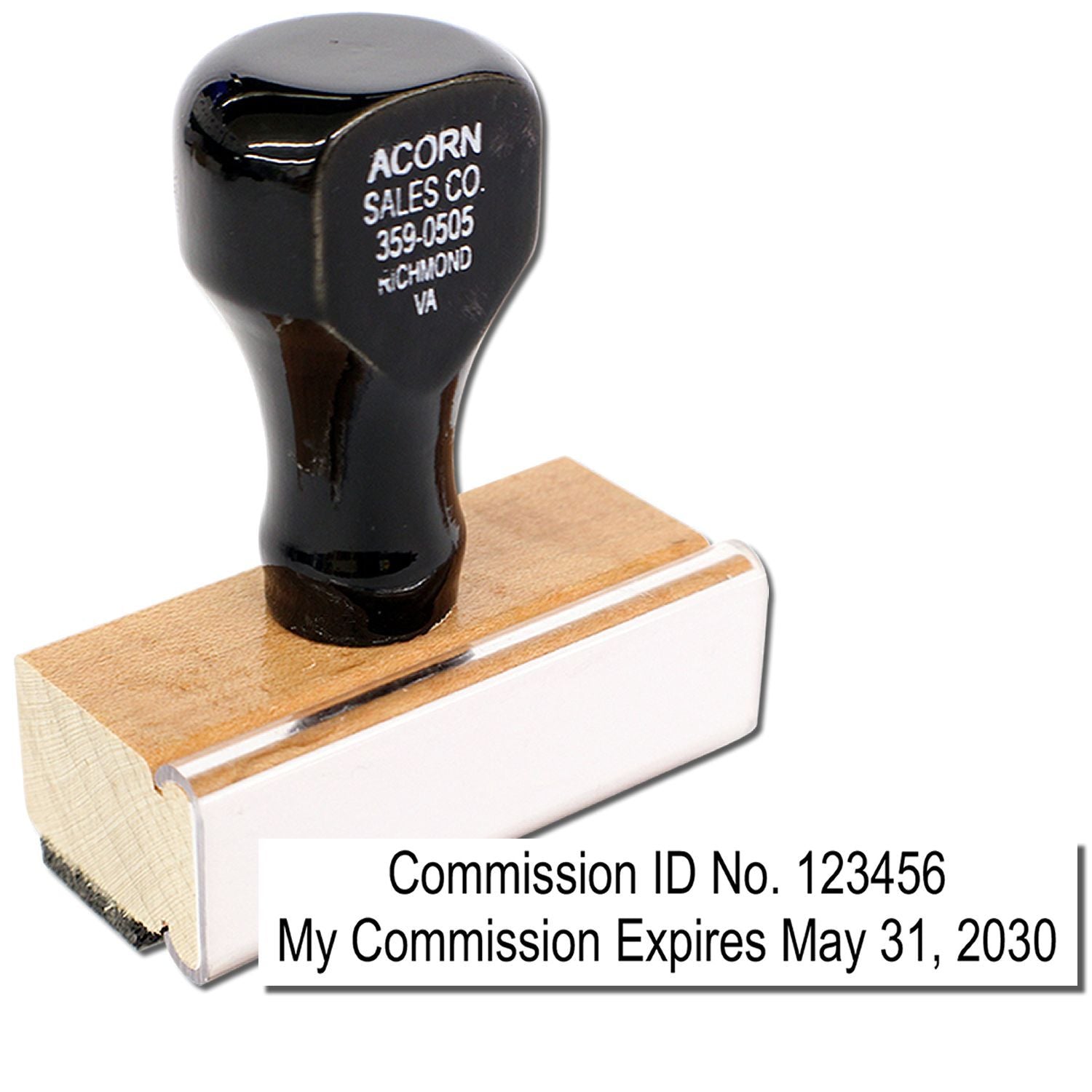
In a nutshell, a California notary seal is the physical (or sometimes electronic) marking you’ll use to validate that a signature or document is properly notarized. It typically includes certain text like your name, your official capacity, and the state information. Without it, you may put the legitimacy of your notarized documents at risk, so understanding these rules is critical.
You might be thinking, "Aren’t all notary seals basically the same?" Surprisingly, different states have distinct specifications on how a seal should be designed. In California, every notary public must use a seal that meets some fairly specific criteria. This includes certain words that must appear, an approved shape or size, and even specific instructions about the ink color. By meeting these guidelines, you help ensure that your notarized document remains valid in a court of law and is readily acceptable for routine matters.
If you’re just starting out, do note that a notary commission in the Golden State can open professional opportunities for you, but it comes with strict oversight from the California Secretary of State. While it may sound intimidating to keep track of so many details, a good place to begin is with a thorough understanding of exactly what belongs on the seal and how you should use it. That’s what this article is all about—helping you avoid costly errors and keep your notary duties running smoothly.
Verify the must-have details
When it comes to the design of your seal, California has a set list of elements you must include. Each detail plays a role in making your seal verifiable and preventing fraud. The following table provides a quick look at the essential text your seal should feature:
| Required Element | What It Means |
|---|---|
| Your Name | Must match the name on your commission certificate. |
| “Notary Public” | Indication of your official role. |
| “State of California” | Confirms your jurisdiction is California. |
| County Name (optional) | Many notaries choose to list their county. |
| Commission Number | Unique ID that links directly to your official records. |
| Commission Expiration Date | Your commission end date from the Secretary of State. |
| Manufacturer’s Sequential ID | California law requires the seal maker to show an ID. |
You’ll notice some points are optional, such as your county name. Even so, many notaries in California opt to include it for clarity. The must-haves, though, are your name, your official role as a notary public, the state indicator, your commission number, your commission’s expiration date, and the seal maker’s unique ID. This last part is especially relevant because California requires official seal manufacturers to keep tight control over who can order notary stamps.
Equally important is your seal’s shape, size, and color. California typically allows a circular or rectangular style, though the diameter (or height and width) can’t exceed 2.0 inches by 2.0 inches for circular seals, or 1.0 inch by 2.5 inches for rectangular ones. Ink color should be photographically reproducible—black or a dark hue is best to ensure clarity if you ever need to photocopy or scan the document. Keep in mind that sometimes personal preferences or brand identity might lead you to pick a particular design style, but the fundamental text elements must remain the same.
If your seal lacks any of these specifics, you run the risk of the notarized document being rejected. For instance, leaving out your commission number can raise red flags, since it’s one of the fastest methods for verifying you’re in good standing. Likewise, using unusual fonts that are hard to read may crop up as a reason for a filing office to deny the legality of your work. Sticking to the mandated elements keeps everyone—clients and government officials—confident in your notarial acts.
Avoid common compliance slip-ups
Missteps with your seal can have serious consequences, from rejected documents to potential disciplinary measures against your notary commission. And let’s be honest, no one wants to deal with redoing paperwork or, worse yet, face a complaint to the Secretary of State. Luckily, many of the mistakes are easy to avoid once you know what to watch for. Below are some of the most frequent errors notaries make:
- Failing to keep the seal’s imprint clear: A smudgy or partially stamped impression might be unreadable. Courts or recorders can deem a poorly stamped document invalid if the identifying information isn’t visible.
- Omitting essential text: Some notaries forget their commission number or other required wording. One small oversight can cause big problems later.
- Using the wrong ink color: Bright colors may seem visually appealing, but they can cause scanning or photocopying issues. Stick to a deep, reproducible shade in line with state guidelines.
- Misplacing the seal on the document: Stamping your seal too close to the margin or over important text can lead to rejections. Give the seal enough space to remain fully legible.
- Relying on an expired commission date: Always update the seal when your commission renews. Using an outdated stamp confuses signers and can invalidate a notarization.
- Lending your seal to someone else: Your seal is for your exclusive use. Letting another person stamp documents with it, even briefly, is a breach of notary protocols.
Another point worth highlighting is the maintenance of record. California requires that you keep track of your notarial acts, typically in a journal. While the journal and the seal serve different purposes, combining them the right way is crucial. You’ll use your stamp on every notarized document, and you’ll detail the act in your journal, including relevant identification information.
Finally, always guard your seal. Keeping it in a locked drawer or safe when not in use is a simple habit that can spare you from the headache of lost or stolen stamps. If your seal does go missing, promptly report it to the authorities and the Secretary of State. Failing to do so could expose you to liability if someone forges documents using your stolen seal.
Keep your seal secure
You might not realize it, but your notary seal is a highly sensitive tool. Think of it like a set of keys that can unlock legal recognition and authentication. If someone else gains access to it, the consequences could be severe. They might use your seal fraudulently, forging notarizations that you never performed. In such a scenario, you’d potentially face legal complications and risk losing your commission.
The simplest strategy is to establish a clear habit for storing and handling your seal:
- Choose a secure location: Whether it’s a locked cabinet at your office or a personal safe at home, make sure only you know the access code or have the key.
- Develop a check-in/check-out routine: Each time you perform a notarization, mentally note the seal’s location after you’ve used it. This ensures you don’t leave it on a desk or accidentally toss it in a bag with your personal items.
- Keep a spare under wraps: If you order a backup seal (allowed in some situations), never leave it in an open space. Backups should follow the same security protocols as your primary seal.
- Inspect periodically: Once a week or once a month, do a quick check to ensure everything is in good shape—no cracks, no drying ink, and definitely no signs of tampering.
In addition to these steps, remember that California law can hold you accountable for the misuse of your seal. That’s why you should never share it with colleagues or friends, even if they claim they simply want to understand how the stamping process works. You can show them with a demonstration, but they shouldn’t have the ability to stamp official documents in your name.
Security might feel like an inconvenience at times, but it’s a small price to pay for upholding the trust people place in you as a notary. Your seal is meant exclusively for your professional use, so treat it with the same level of caution you would give a debit card or personal ID.
Choose the right seal type
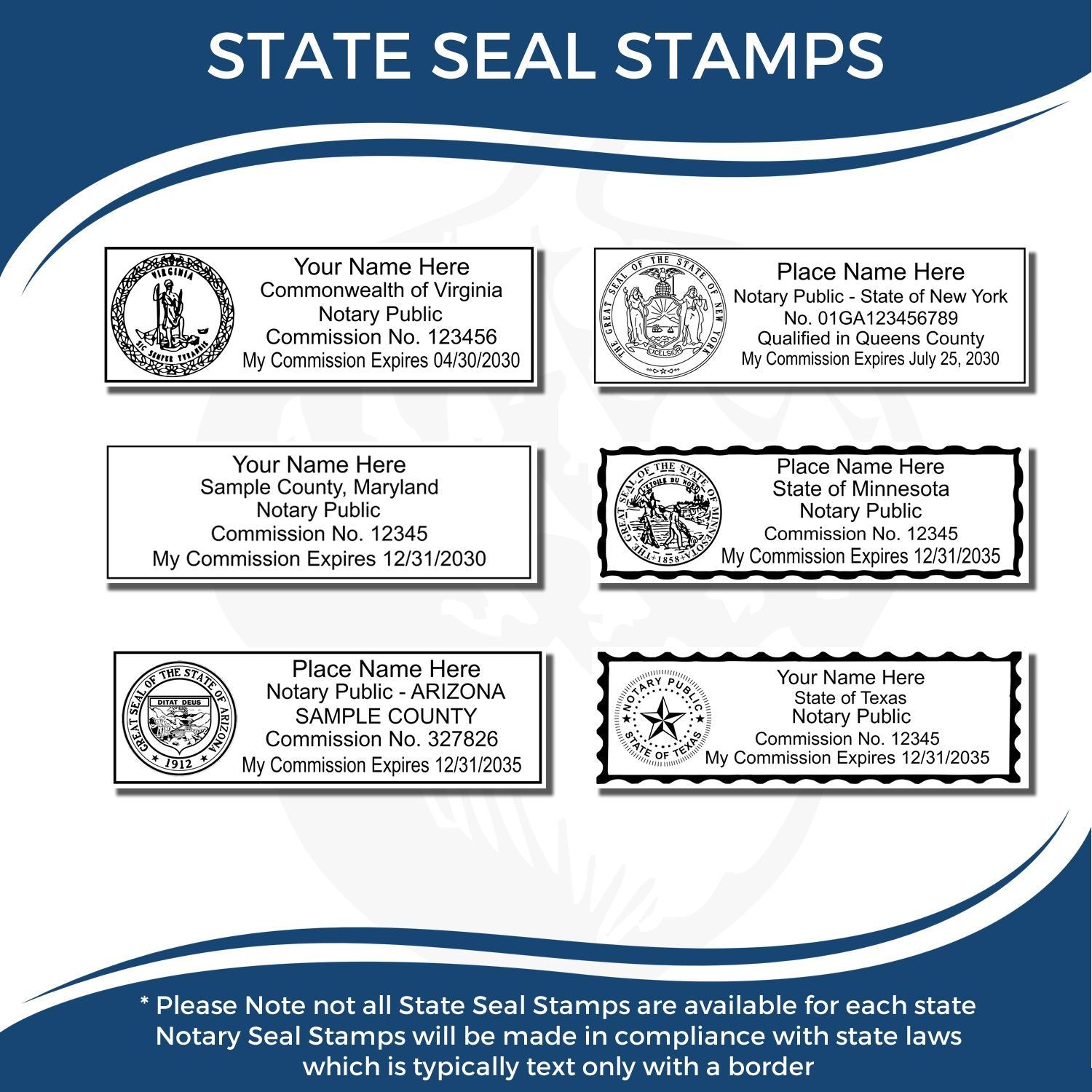
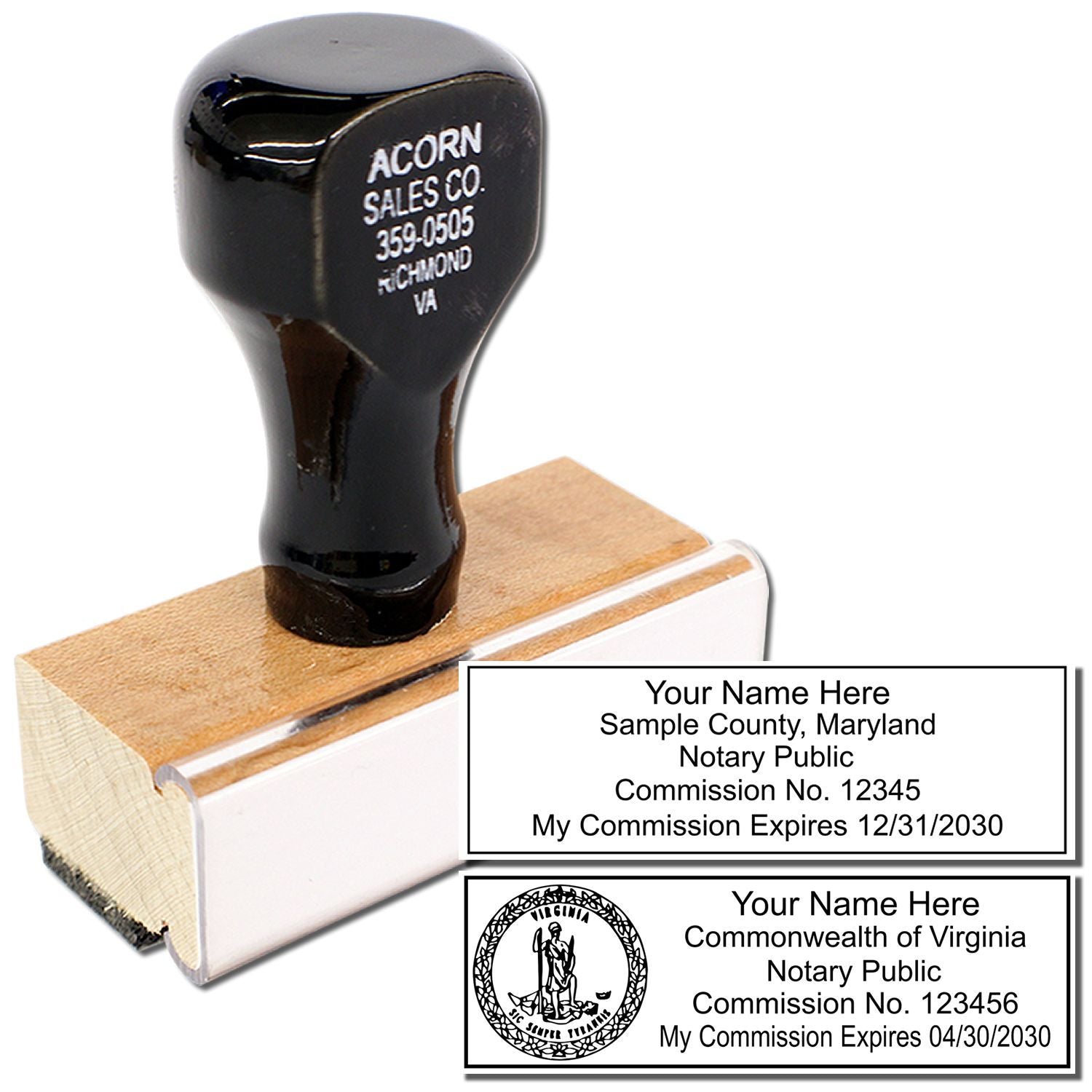
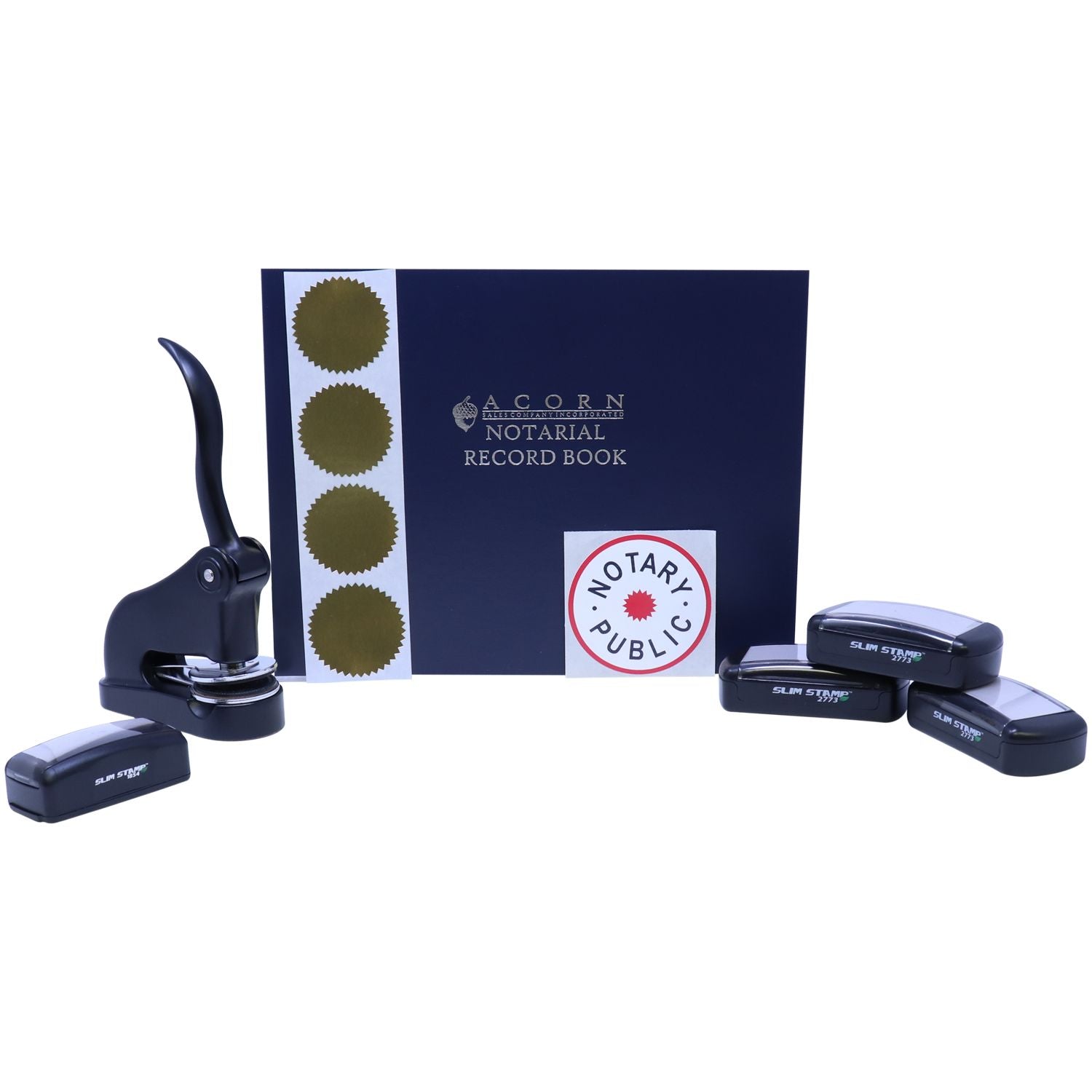
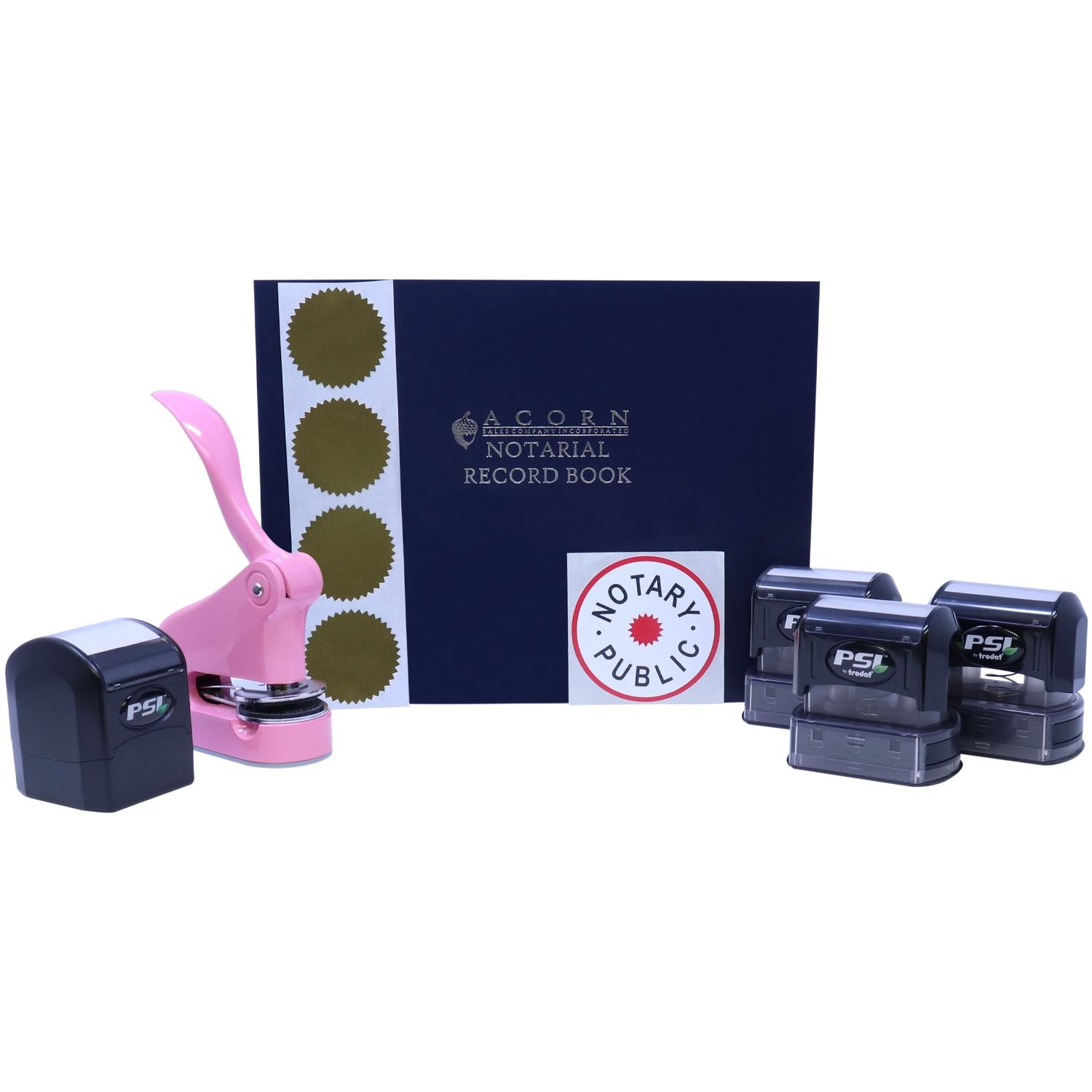
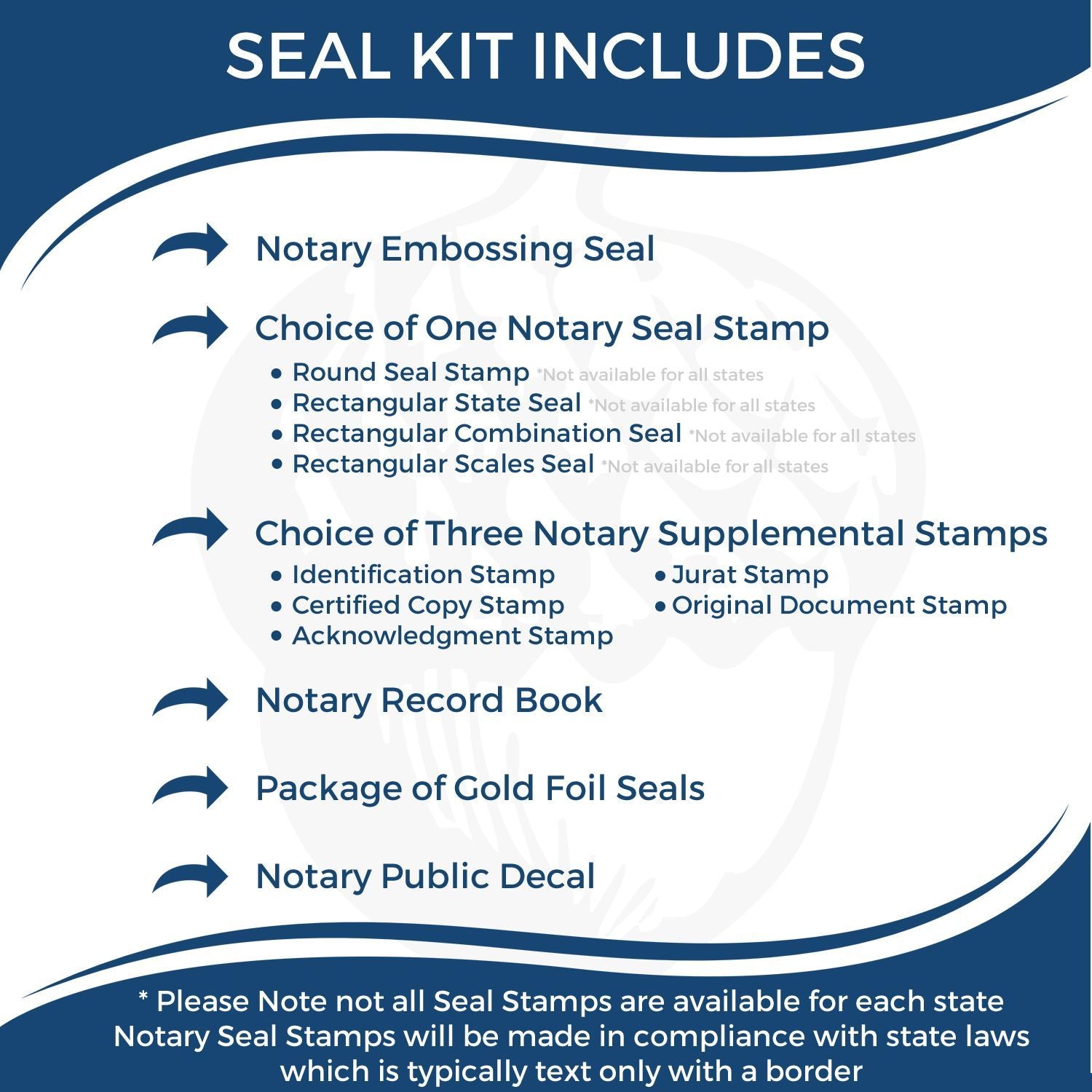
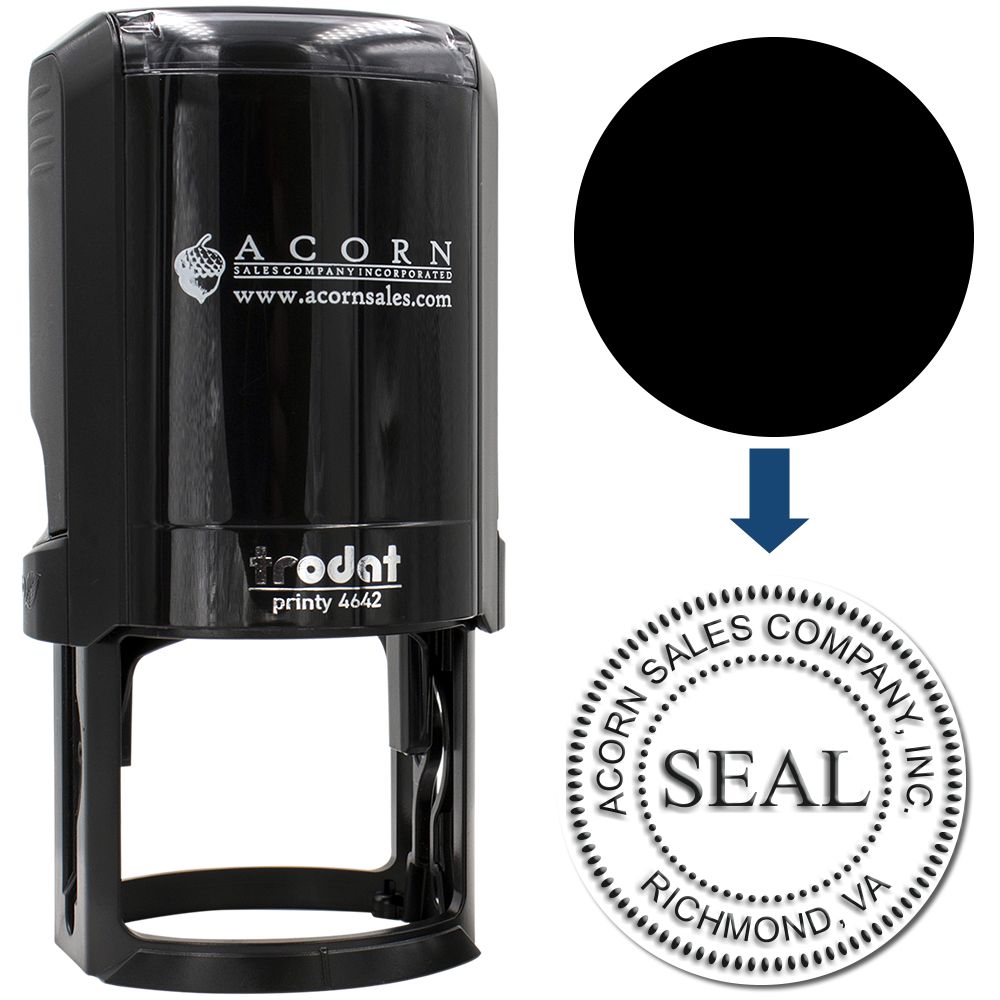
When you first consider ordering your notary seal, you might come across two popular options: an inked stamp or an embosser. Which one is right for you? In California, most notaries prefer pre-inked or self-inking stamps for a crisp, consistent impression. However, embossers are sometimes used to complement the inked stamp or to add a classic, raised impression.
Here’s a quick breakdown:
Ink stamp
- Typically rectangular and easy to produce.
- Comes in self-inking or pre-inked varieties, saving you time in high-volume notarizations.
- Provides a clear, photographically reproducible mark, which is valuable if your documents need to be scanned frequently.
- Usually includes all the essential text in a tidy layout, allowing signers and recorders to read it at a glance.
Embosser
- Leaves a raised imprint on paper without using ink.
- Offers a traditional aesthetic, which some clients find more official or prestigious.
- Must often be paired with an ink overlay or used in conjunction with an ink stamp, since embossed text alone may not scan well.
- Generally a bit more cumbersome if you have to do many notarizations in quick succession.
California notaries tend to rely on stamps for the primary seal impression because of easy readability. However, some notaries use an embosser purely for aesthetic reasons or for added security—an embossed seal is harder to replicate if someone’s trying to forge the document. If you choose an embosser, make sure you still provide a legible ink stamp somewhere on the notarized document, as that’s typically the official mark recognized for recordings.
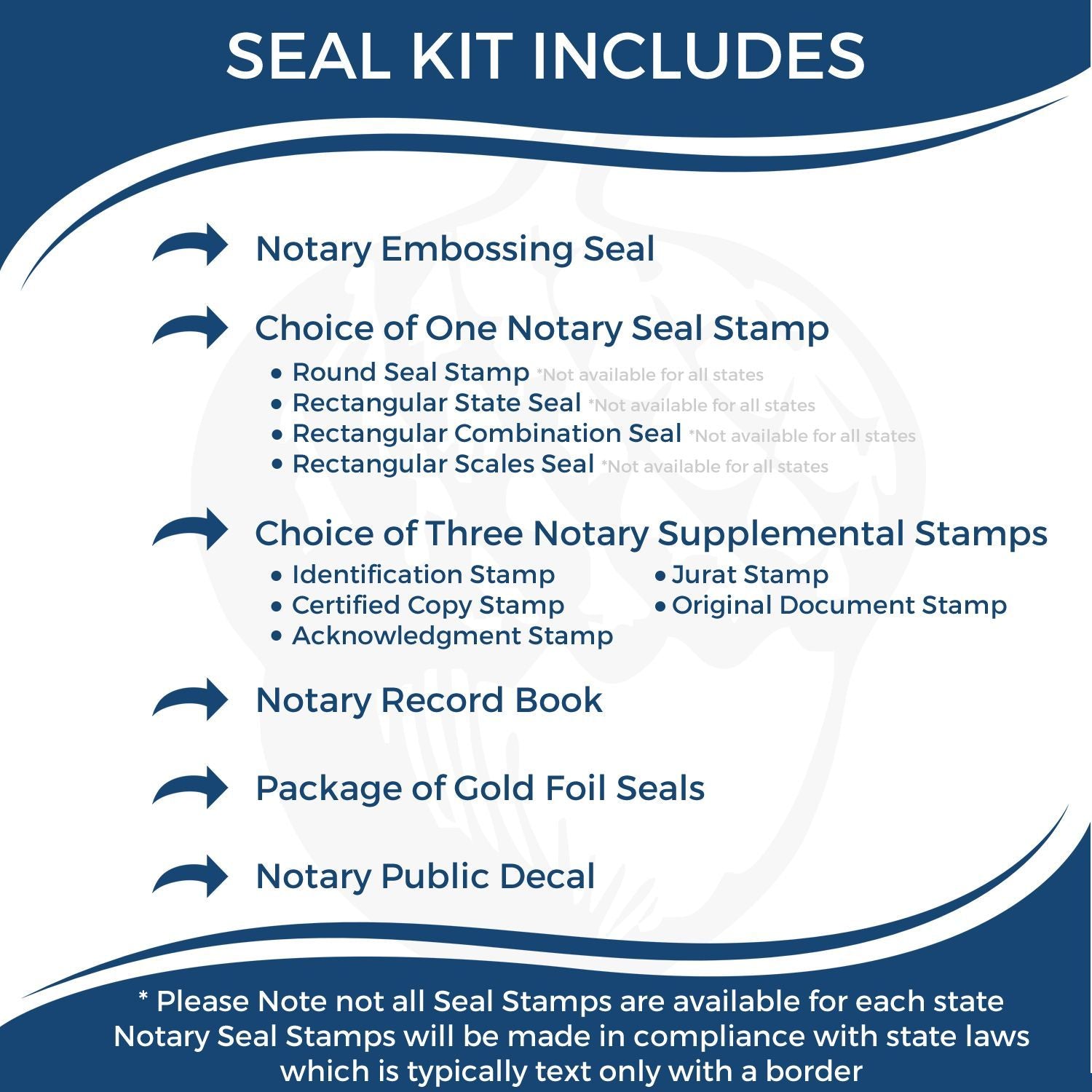
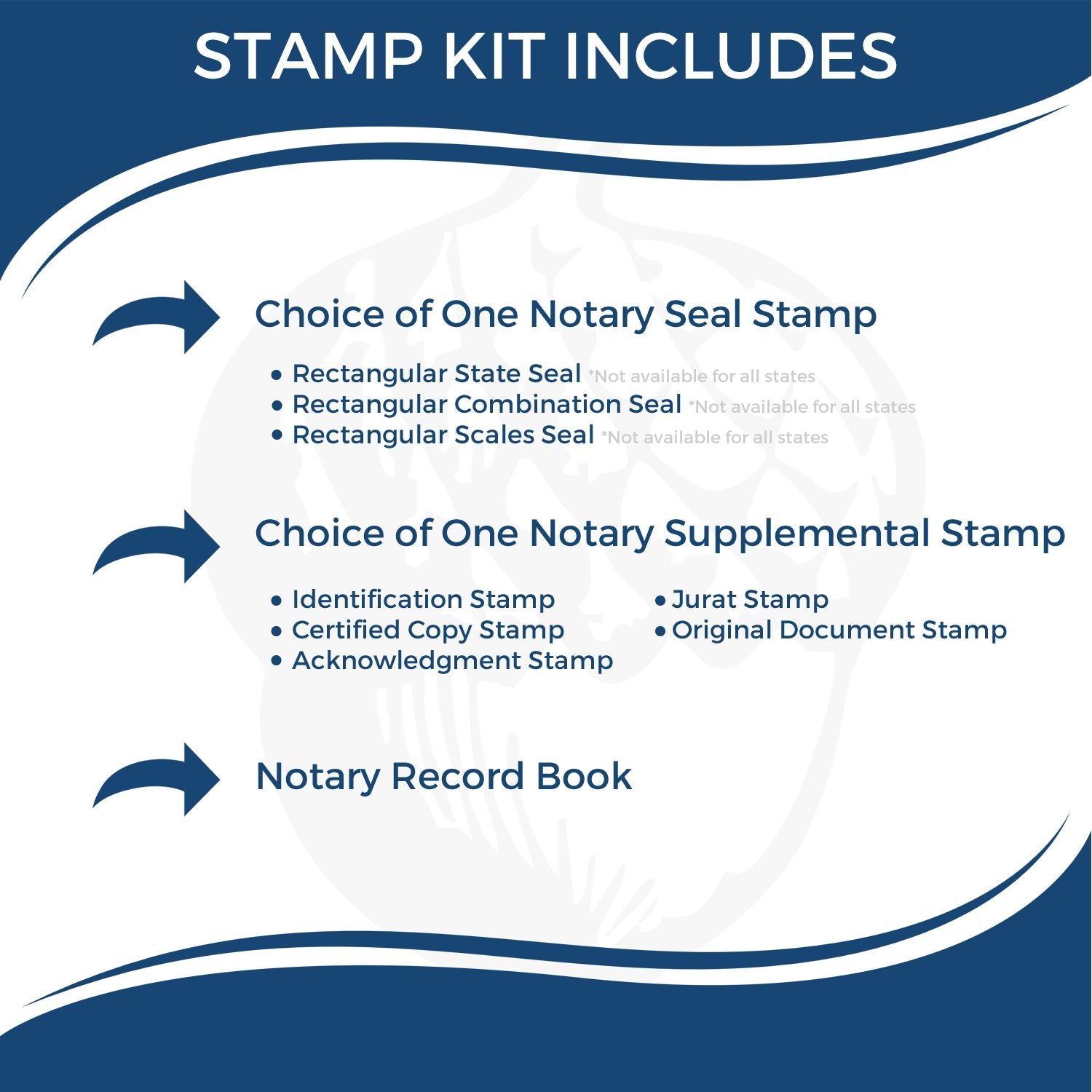
Regardless of your preference, always purchase from a reputable maker familiar with the rules for the state of California. At Acorn Sales, we’ve been creating top quality notary stamps and seals for over 60 years, giving notaries the confidence that they’re working with a fully compliant and reliable product.
Maintaining your notary supplies
Now that you’ve selected your seal type, the next step is to ensure longevity. As a working notary, you’ll be stamping or embossing a variety of documents, sometimes in rapid succession. If your stamp or embosser is not well-maintained, your impressions might fade, or the mechanism could malfunction at a critical moment.
Here are some straightforward maintenance tips:
- Keep it clean: After each use, check for any residue or ink buildup. A simple wipe-down with a slightly damp cloth can remove dust or lint.
- Store in moderate conditions: Extreme humidity or heat can damage both the ink and the structural components. Avoid leaving your stamp in direct sunlight or in places with high moisture levels.
- Replace ink cartridges promptly: If you’re using a self-inking or pre-inked stamp, make sure you monitor the ink level. Using a stamp with minimal ink leads to patchy impressions that might not meet California’s clarity requirements.
- Re-ink properly: Follow the stamp manufacturer’s instructions for adding fresh ink. Improper re-inking can cause leaks, smudges, or an uneven seal impression.
- Inspect moving parts: If you have an embosser, be sure the plates align properly. Malalignment can produce incomplete or skewed impressions.
One of the benefits of working with a supplier like Acorn Sales is quick turnaround if you do need parts or a brand-new seal. We’re dedicated to offering state-compliant seals so that you don’t have to worry about missing any crucial piece of text or using a substandard stamp that might fail under heavy usage.
Finally, it’s always wise to keep an eye on your commission expiration date. If your stamp includes that date, failing to replace it once the commission’s renewed can create confusion. People rely on your stamp to confirm your commission is still valid, so don’t forget to order a new seal or stamp well before your old commission ends.
Replacement and renewal steps
Even the most careful notaries find themselves in need of a new seal from time to time. Perhaps your commission term is ending and you’re renewing, or maybe your stamp has started to show signs of wear despite your best maintenance efforts. You’ll also have to replace your seal if you change your name—something the California Secretary of State will note on your new commission certificate.
If you need a replacement, here’s a straightforward plan:
- Complete your renewal: If you’re renewing your notary commission, finish that process first. You’ll receive new papers indicating your updated commission number (if applicable) and the expiration date.
- Contact an approved supplier: In California, seals must be created by specifically authorized vendors. Look for a proven manufacturer, such as Acorn Sales, with a strong track record of high-quality production.
- Provide your documentation: The seal maker will typically need a copy of your authorization from the Secretary of State. This ensures they aren’t creating a random notary seal for just anyone.
- Confirm the details: Double-check spelling, commission number, and the exact expiration date. A small error here can cause big headaches down the line.
- Store or destroy the old stamp: Once you have your new seal, safely dispose of the old one so it can’t be misused. If it’s a rubber stamp, you can cut it into small pieces. If it’s metal, defacing it or turning it in for destruction is recommended.
Be aware that if your seal is lost or stolen at any point, don’t wait until you renew your commission. Immediately file a report with local law enforcement and inform the Secretary of State. You’ll need to obtain a replacement seal for future notarizations, and you don’t want your lost seal floating around in unscrupulous hands.
Where to find the best notary supplies
The reality is, not all stamp makers and seal providers offer the same level of reliability—or the same depth of understanding about notary rules. If you’re looking for a fast, dependable source for California notary supplies, consider checking out california notary supplies. At Acorn Sales, we’ve spent more than six decades perfecting the art of stamp and seal manufacturing, focusing specifically on compliance and durability.
Over the years, we’ve provided thousands of California notaries with stamps they can trust. Our seals are meticulously crafted to meet the state’s specific guidelines, and we keep a record of all relevant requirements so you don’t have to guess. Whether you need a bold, self-inking stamp, a classic embosser, or an extra set of supplies, we provide quick turnaround times and transparent pricing.
Here’s what sets us apart:
- We are an authorized manufacturer for state-compliant notary supplies.
- Our design experts consult the latest rules from the California Secretary of State to ensure your seal is made right.
- We offer custom touches, such as optional handles or carrying cases, to make your job easier.
- Our customer service team is always ready to answer questions if you’re unsure about color, size, or any other specification.
In the end, your notary seal is more than just an office accessory. It’s a critical piece of your professional toolkit that validates people’s most important legal and financial transactions. By partnering with a reliable supplier, you can focus on delivering top-notch notarial services, rather than worrying about whether your seal will pass muster during an official review.
Key takeaways
Let’s face it, there’s a lot to remember about meeting California’s notary seal rules. Yet, once you have a handle on the fundamentals, everything else becomes more manageable. In this quick recap, you’ll find the key points:
- Include all required text: That means your name, “Notary Public,” “State of California,” commission number, and commission expiration date.
- Keep it readable: Opt for a simple design in black or a dark color ink for easy photocopying or scanning.
- Guard against fraud: Secure your seal in a locked cabinet or safe, and never share it with anyone.
- Maintain your tools: Clean, re-ink, and inspect your stamp or embosser regularly to avoid smudged impressions.
- Replace as needed: When renewing your commission, changing your name, or discovering wear and tear, promptly obtain a new seal.
- Trust a reputable supplier: Use a manufacturer that specializes in California notary supplies and understands the legal framework, such as Acorn Sales.
Also, remember that you’re acting on behalf of the public trust. Your seal is part of what ensures honesty, transparency, and accountability in significant transactions. By following the state’s rules and using a reliable product, you’ll meet California notary seal requirements with ease and professionalism.
In the end, tackling the specifics of your notary seal doesn’t have to be stressful. With the right knowledge and trusted suppliers like Acorn Sales, you’ll handle your stamping duties like a pro. Remember, the key to a great notarial practice is a combination of thorough understanding, consistent compliance, and genuine care for the people you serve.
Frequently Asked Questions
How often do I need to replace my seal?
Generally, you’ll replace your seal when your commission expires, if your name changes, or if the stamp becomes worn out or unreadable. Each time you receive a new commission certificate, verify your expiration date and other details to determine if a new seal is needed.
Can I include a logo or decorative imagery on my seal?
In California, the seal’s required text must be clearly visible and not obscured by unnecessary artwork. While it’s possible to have a small decorative border or a custom font style, you need to ensure that all mandatory information stands out prominently. If in doubt, keep it simple to avoid rejections.
What should I do if I accidentally use the wrong ink color?
If you realize you’ve used a color that isn’t easily reproducible after stamping a document, your best course of action is to re-notarize the document if possible. Depending on the receiving agency, you might need to fill out a fresh certificate and date it accordingly. Make sure to log any corrective actions in your notarial journal if you choose to re-notarize. If the document can’t be replaced, consult with the recipient or the Secretary of State’s office for guidance.