
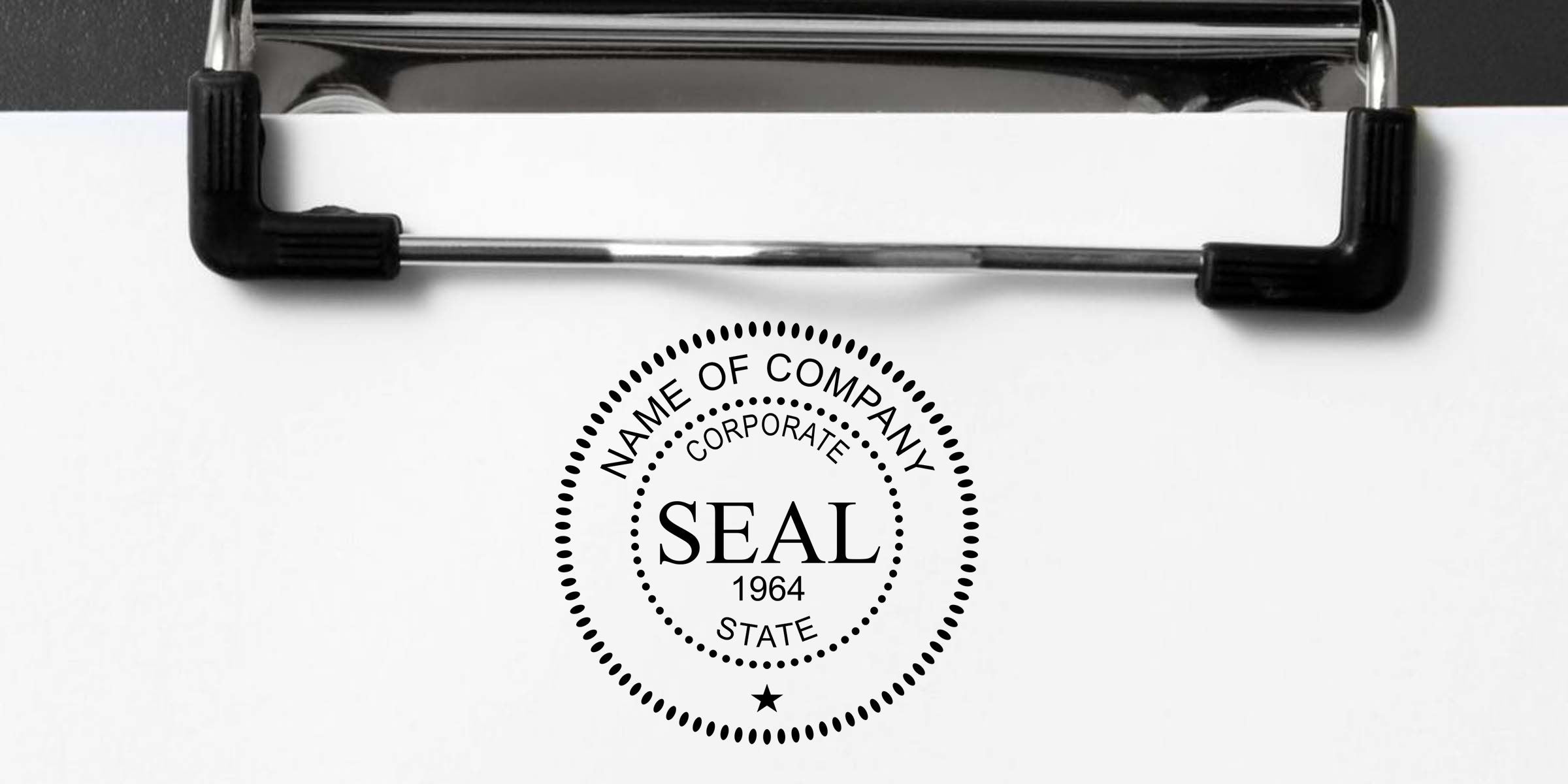
Selecting the right corporate seal stamp for validation might seem intimidating at first, but once you break down the basics, it’s surprisingly straightforward. Whether you’re finalizing contracts or authenticating important records, a well-crafted seal can add a professional touch and help you comply with legal requirements. Plus, it’s a neat way to differentiate your company’s documents from the rest.
Recognize the value of a seal
Throughout the business world, seals represent authority and trust. By applying a clear, raised impression, you’re effectively saying, “This document is official, and I stand behind it.” You’ll find that many companies turn to corporate seal stamps to establish credibility on financial statements, notarized copies, and more. Attorneys, accountants, and business owners often require them to confirm that paperwork is legitimate and approved.
Common uses
- Authenticating key documents, such as contracts or stock certificates
- Reinforcing brand presence in legal or professional settings
- Signifying the consent of a company’s officers or board
Pinpoint your customization needs
Before picking out your seal, consider how much customization you need. Is your goal simply to mark ownership, or do you want to incorporate your brand’s logo and slogan? A custom company seal stamp can capture those personal touches. If brand identity is important, you may also experiment with small design tweaks—like adding a subtle boarder or an embossed texture that feels more engaging to the touch.
Key design elements
- Logo or branding: Enhance recognition across official documents
- Text details: Include company name, state of incorporation, or year established
- Formatting preferences: Choose between circular or rectangular layouts
Choose the ideal build
When shopping for a corporate seal, knowing your options saves time and hassle. Some prefer a handheld embosser for added portability, while others want a heavy-duty desk embosser for more frequent or high-volume tasks. If you regularly handle thick stacks of documents, a desktop model typically exerts consistent pressure for a crisp seal each time. On the other hand, handheld variants are ideal if you’re often on the move or handle offsite meetings.
Material and style considerations
- Steel frames: Provide durability for daily stamping
- Lightweight alloys: Easier to carry for traveling notaries or fieldwork
- Ergonomic handles: Help reduce strain if your stamping sessions are frequent
Maintain and store effectively
Proper care ensures your seal remains sharp and legible. Avoid storing the embosser in damp conditions, and keep it in a protective case if you travel a lot. Once a month, check for any dust or debris that might impede the impression. A gentle wipe with a soft cloth is usually enough to keep it clean—no heavy chemicals needed.
Simple care tips
- Store in a dry area to prevent rust
- Never force the handle if paper is too thick, as this can bend the dies
- Inspect the raised plate to spot early signs of wear
Find a trusted supplier
Every corporate seal has one job: add legitimacy to your documents. So you want a provider that offers high-quality products without lengthy turnaround times. Since 1964, Acorn Sales has proudly served businesses nationwide from our base in Richmond, VA. We understand that when you invest in something like a corporate seal stamp for validation, you’re counting on a dependable partner who can deliver quickly and consistently.
Why Acorn Sales?
- Decades of expertise: Over half a century in the stamping business
- Fast service: Rush handling to accommodate tight deadlines
- Customized solutions: From classic to company seal stamp design options
Final thoughts
A corporate seal is more than just a mark on paper—it’s a statement of authenticity and brand identity. By choosing the right style, customizing the design, and caring for your embosser, you’ll maintain a professional appearance on every official document. If you’re ready to enhance your company’s credibility, explore suppliers like Acorn Sales to find a seal that matches your vision. Have questions about what design features are best for your needs? Reach out, and let’s get your sealing process started.
Frequently Asked Questions
What is the difference between a corporate seal stamp and a corporate seal embosser?
A corporate seal stamp applies an inked impression to documents, while a corporate seal embosser creates a raised impression in paper. Both can help authenticate business documents, but an embosser often gives a more formal, tactile finish. The best choice depends on your document type, branding preference, and how the seal will be used.
When should I use a corporate seal for validation?
A corporate seal is commonly used when validating contracts, stock certificates, notarized copies, corporate records, and other official business documents. It helps signal that the document is approved, authentic, and issued by the company. Many businesses also use it to reinforce professionalism and trust.
How do I choose the best corporate seal stamp for my business?
Start by deciding whether you need a handheld embosser or a desk model. Handheld options are great for portability, while desktop embossers are better for frequent use and thicker document stacks. You should also consider customization, durability, and whether you want a seal that includes your company name, state, logo, or year established.
Can I customize my company seal stamp design?
Yes, most custom company seal stamps can be tailored to your needs. Common customization options include your company name, incorporation state, logo, slogan, and layout style such as circular or rectangular. A customized seal can help your documents look more professional and aligned with your brand identity.
Are corporate seal stamps legally required?
In many cases, a corporate seal is not strictly required by law, but some organizations, lenders, attorneys, and state-specific processes may still request one. It’s always smart to check your state requirements and the expectations of the party receiving the document. Using a seal can still add credibility even when it is not mandatory.
How do I maintain my corporate seal embosser so it lasts longer?
Keep your seal stored in a dry place, away from moisture and dust. Wipe it gently with a soft cloth and avoid forcing it on paper that is too thick, since that can damage the dies. Regular care helps keep the impression crisp, legible, and professional over time.








