
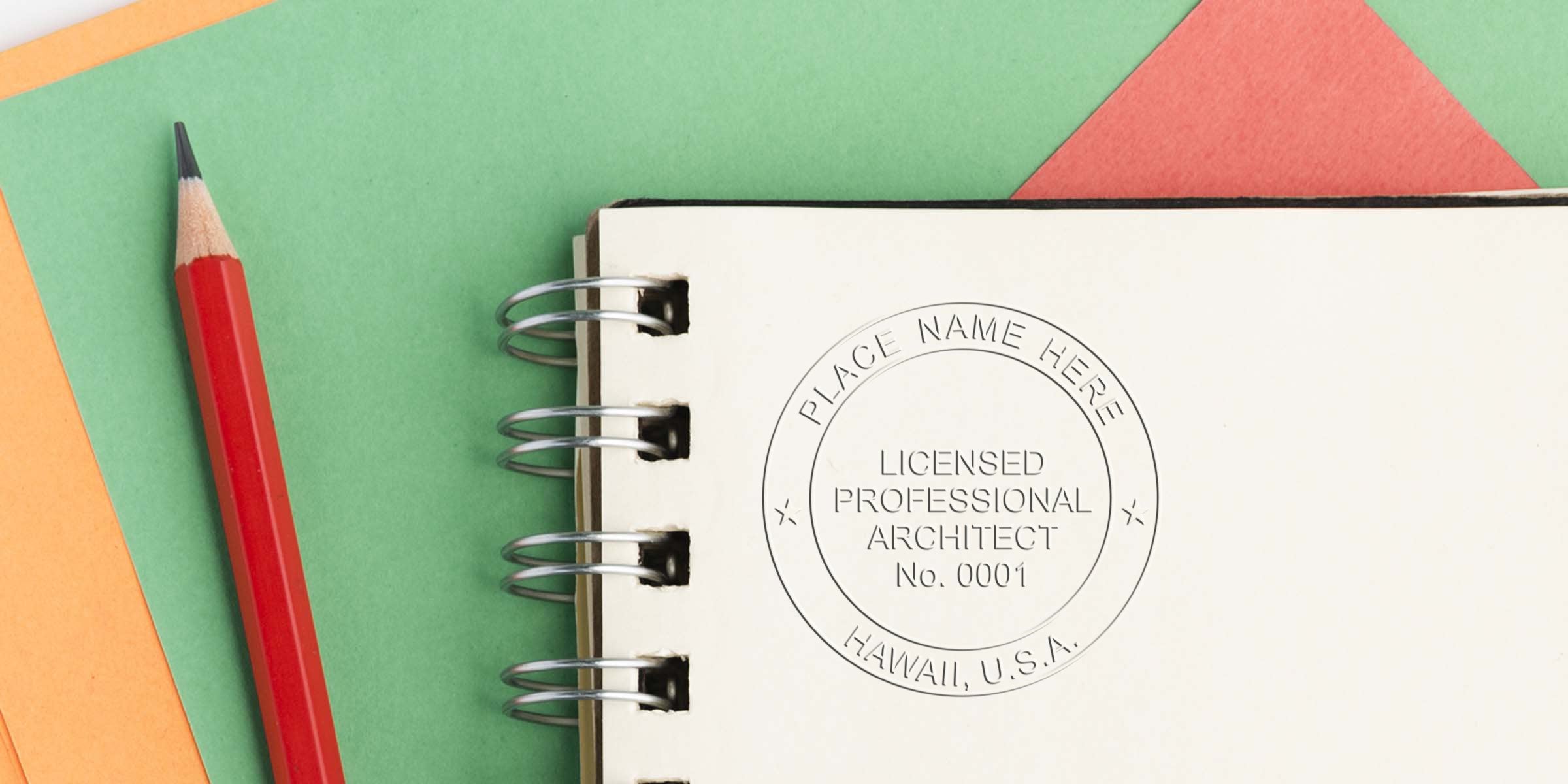
Ever wonder if you should go for a raised seal or a more traditional impression on your official architectural documents? If so, you’re in the right place. Hawaii architect stamp embossing is a key detail that makes your building plans, contracts, and other paperwork stand out professionally while adhering to state guidelines. It’s often the kind of finishing touch that reassures clients and colleagues you’ve covered every base.
Understand Embossing Basics
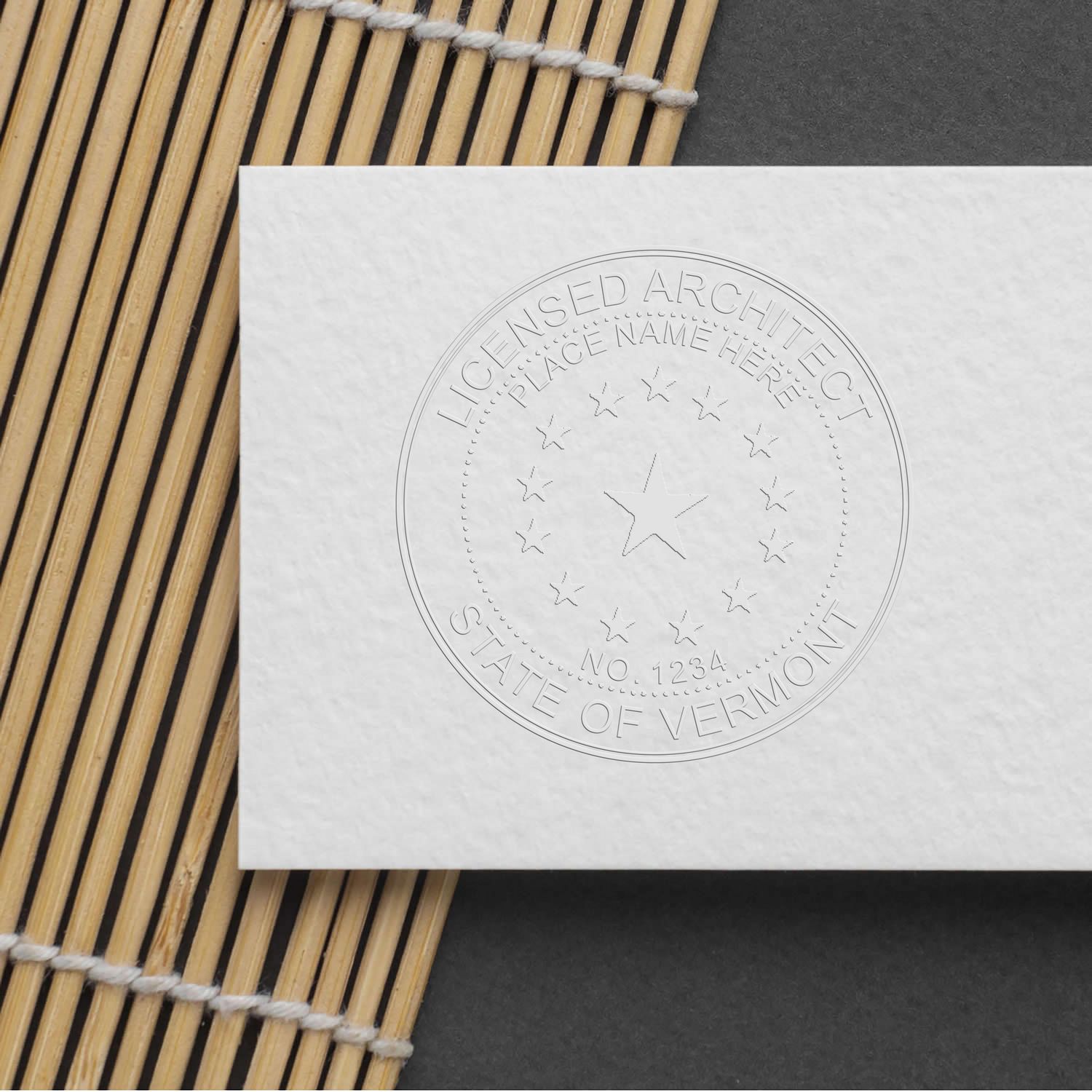
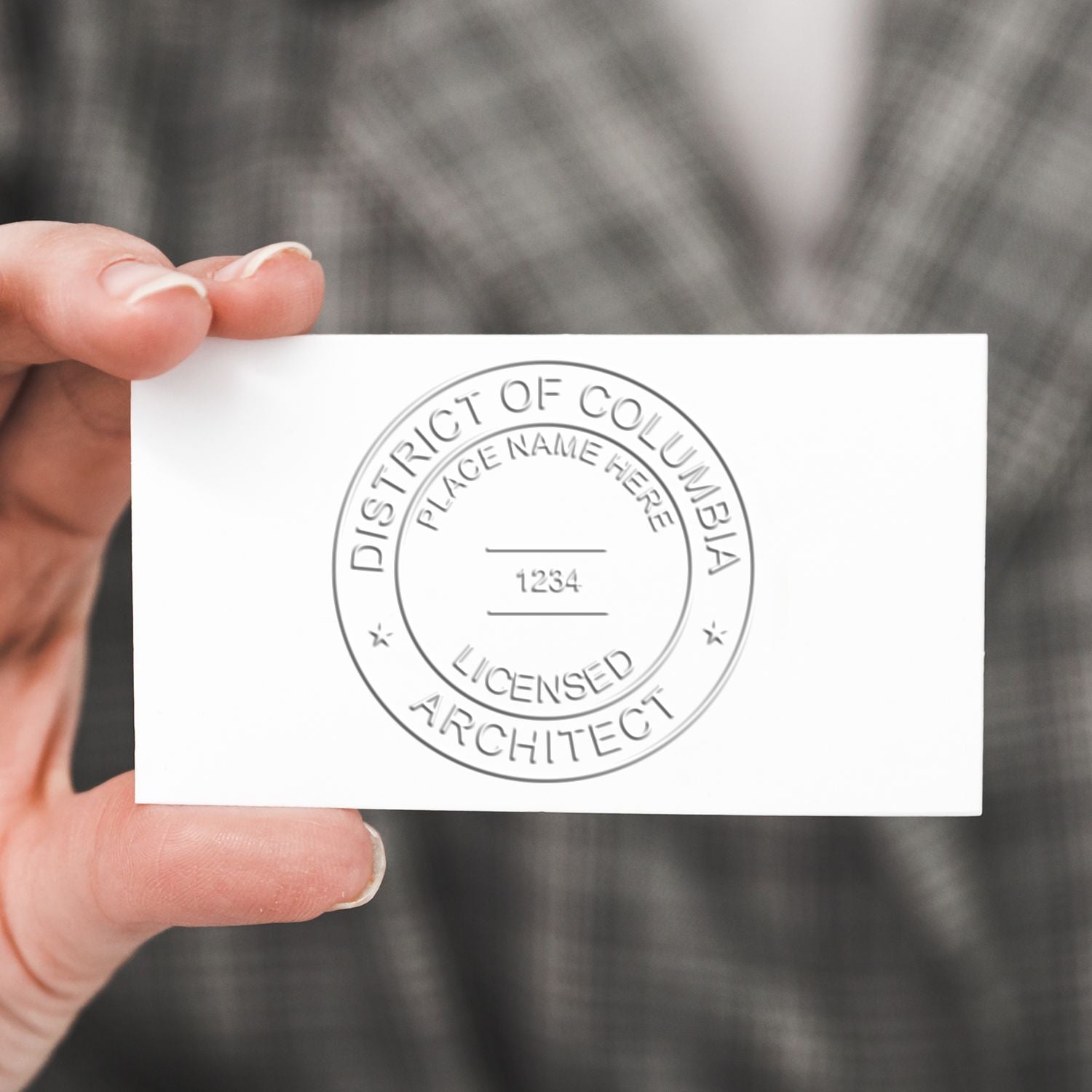
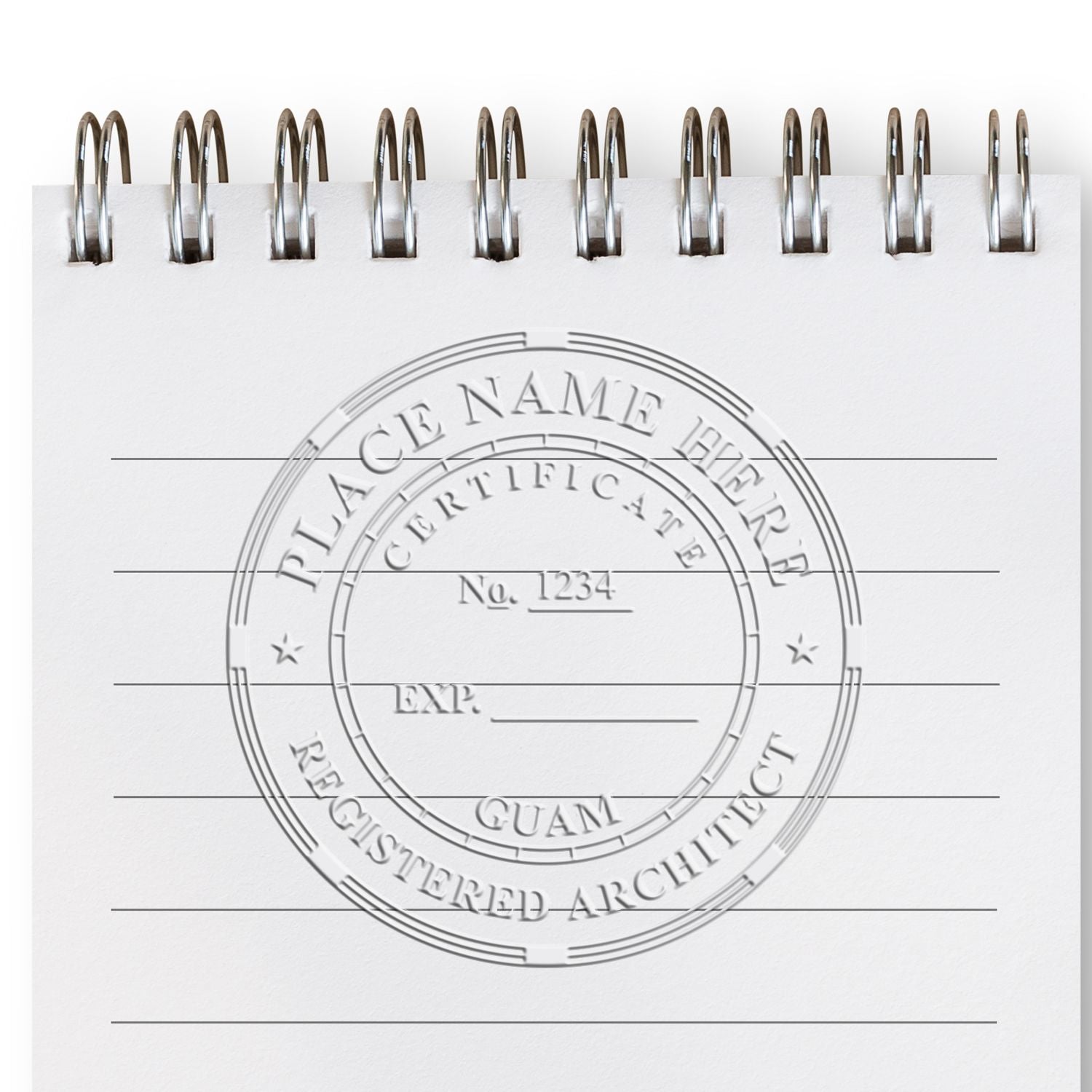
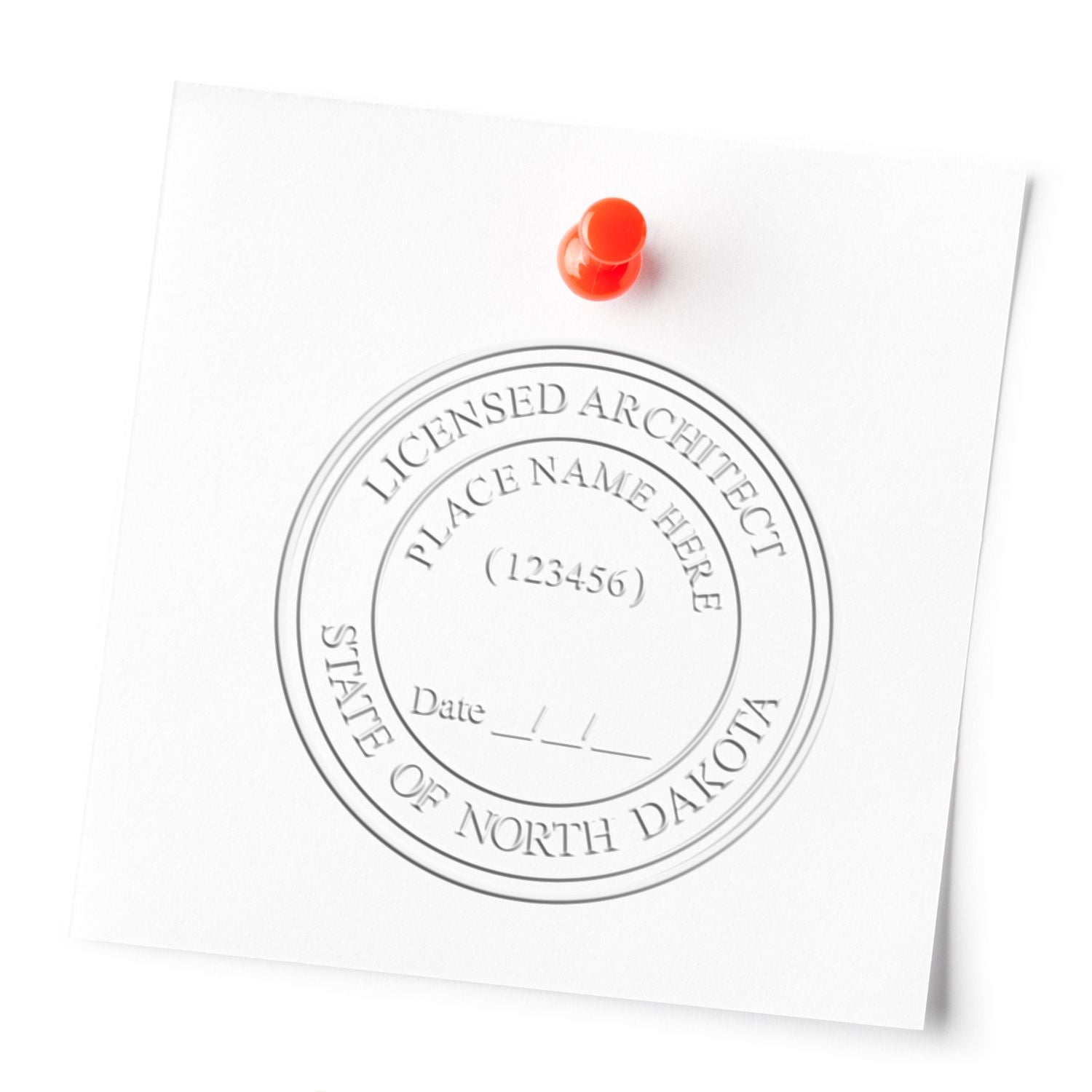
Embossing uses a die and counter-die to create a raised imprint on paper. This raised mark is visually striking and harder to copy, which can help deter forgery. Plus, it looks crisp on most types of paper. However, keep in mind that light or thin paper could tear during the process, so you’ll want to choose quality stock.
An embossed seal is also handy if you want a tactile confirmation that documents are officially certified. On the flip side, some architects prefer an ink stamp for speed and simplicity. It really depends on how polished you want those documents to be.
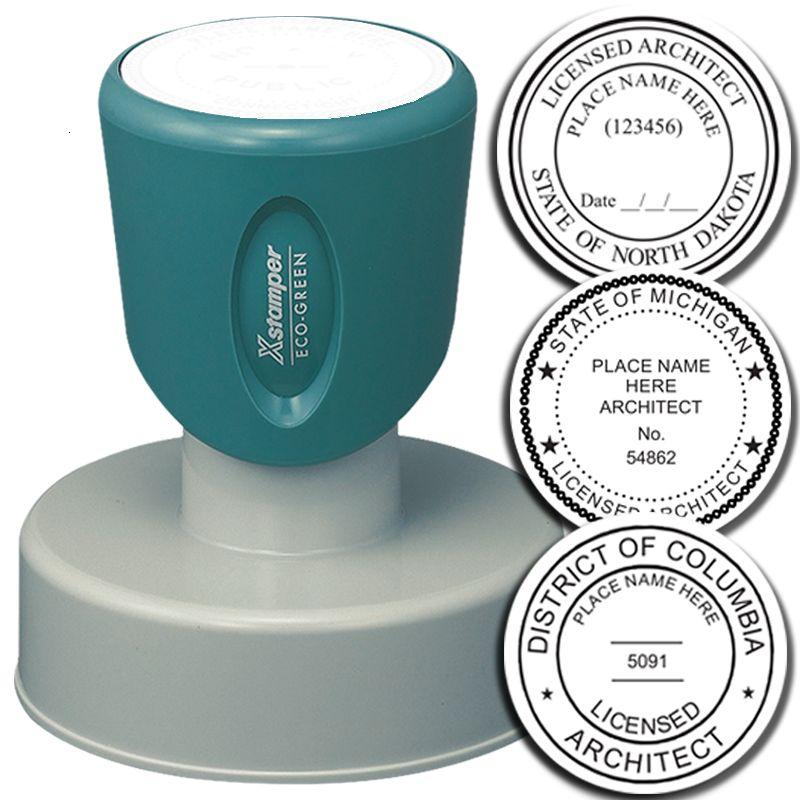
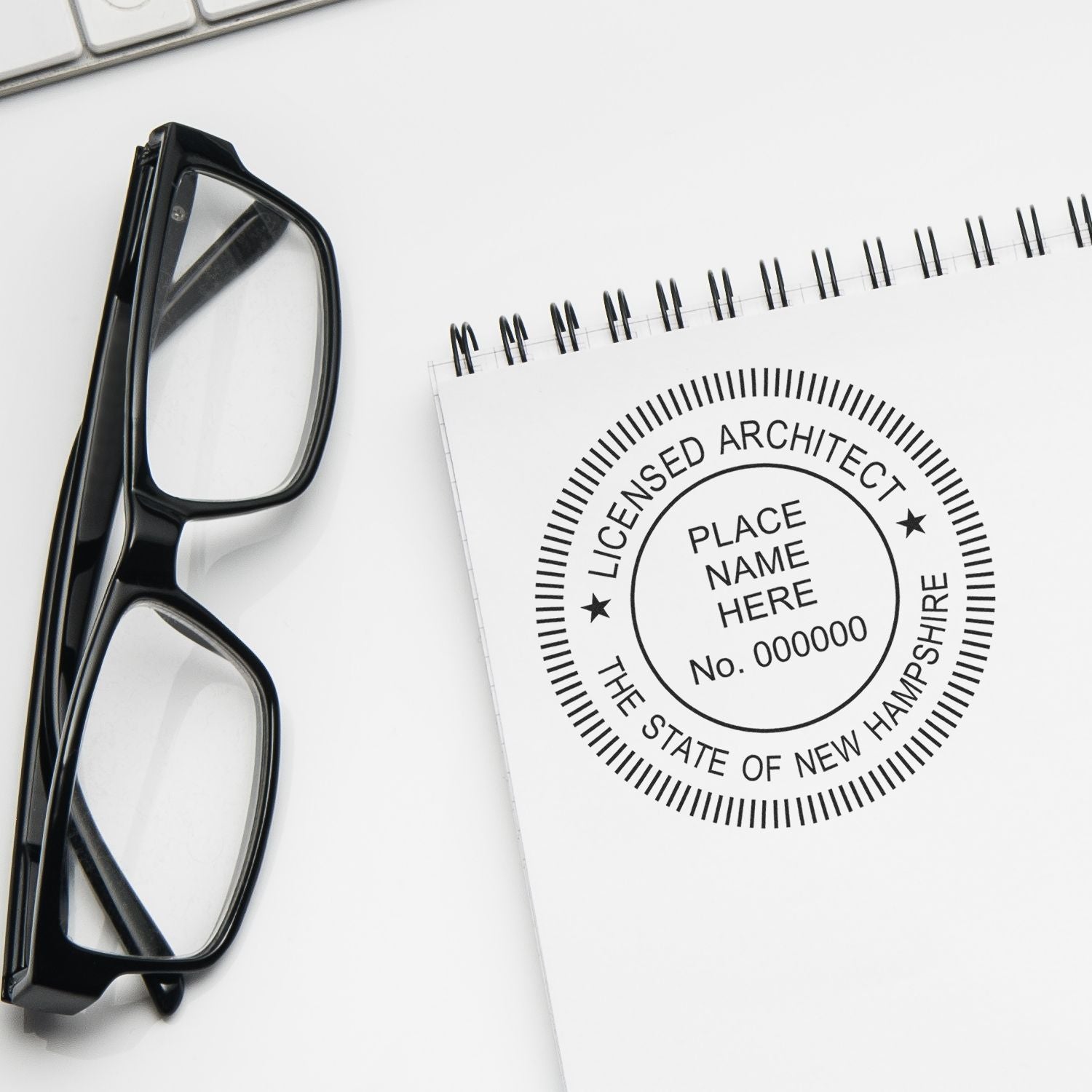
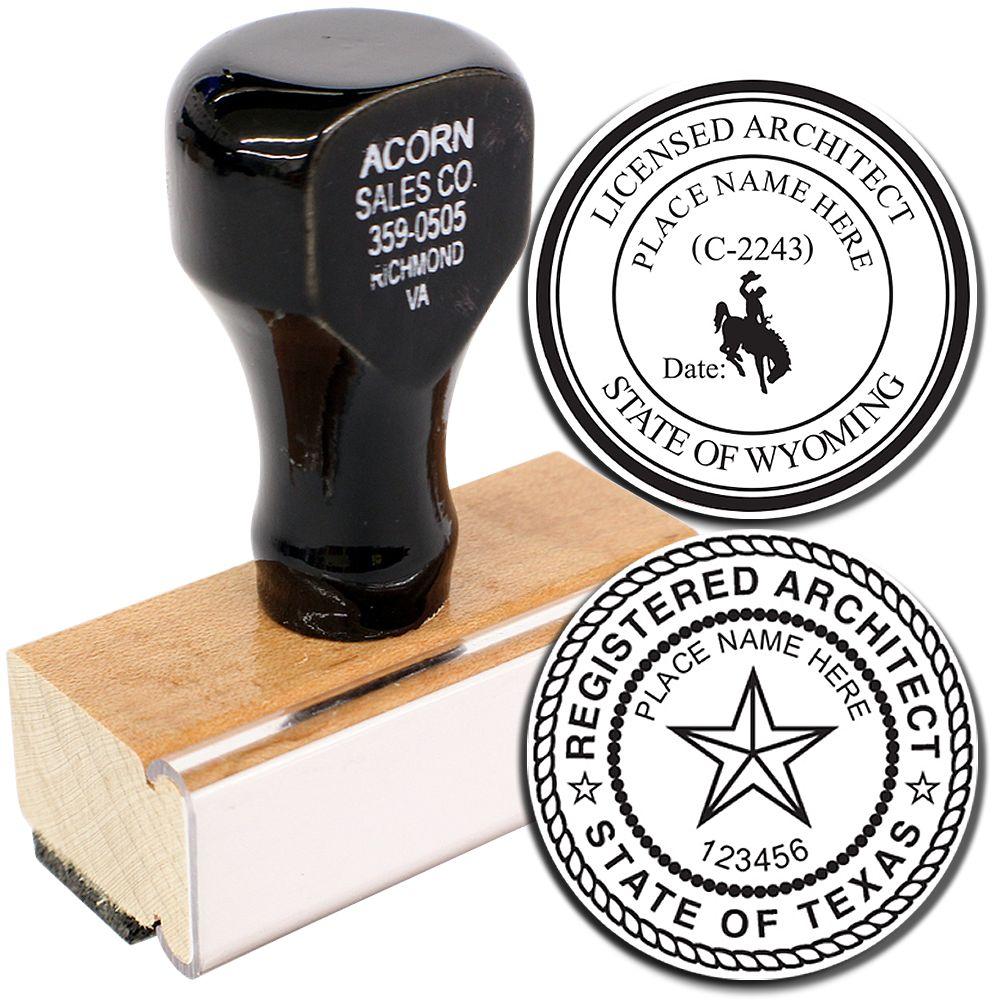
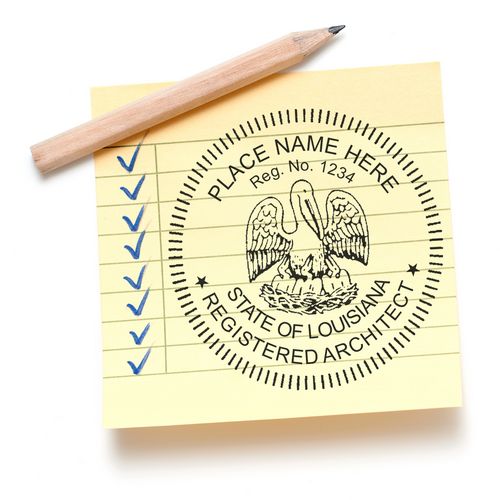
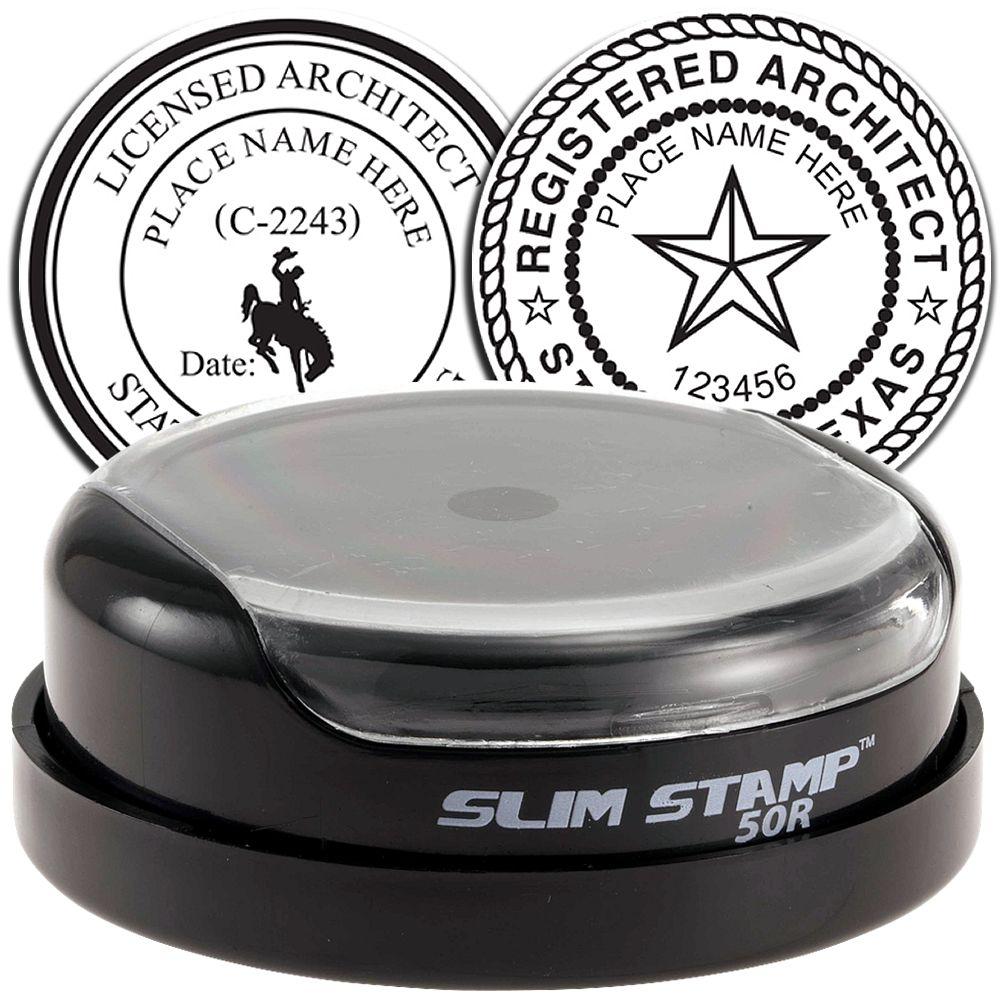
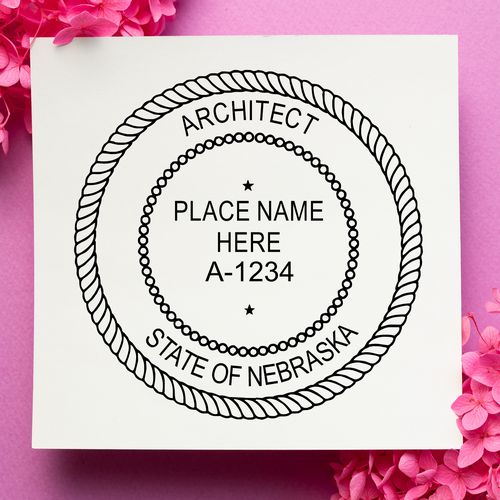


Consider Hawaii Requirements
Hawaii has specific rules that govern an architect’s seal design and usage. Before committing to any style, it’s wise to take a look at these hawaii architect stamp requirements. Ensuring your stamp meets all local regulations will save you from reprints and last-minute headaches.
Some architects decide on a combined approach: using both an embossed seal and an ink stamp to cover different submission scenarios. If you like that idea, just double-check Hawaii’s guidelines to confirm you’re right on track.
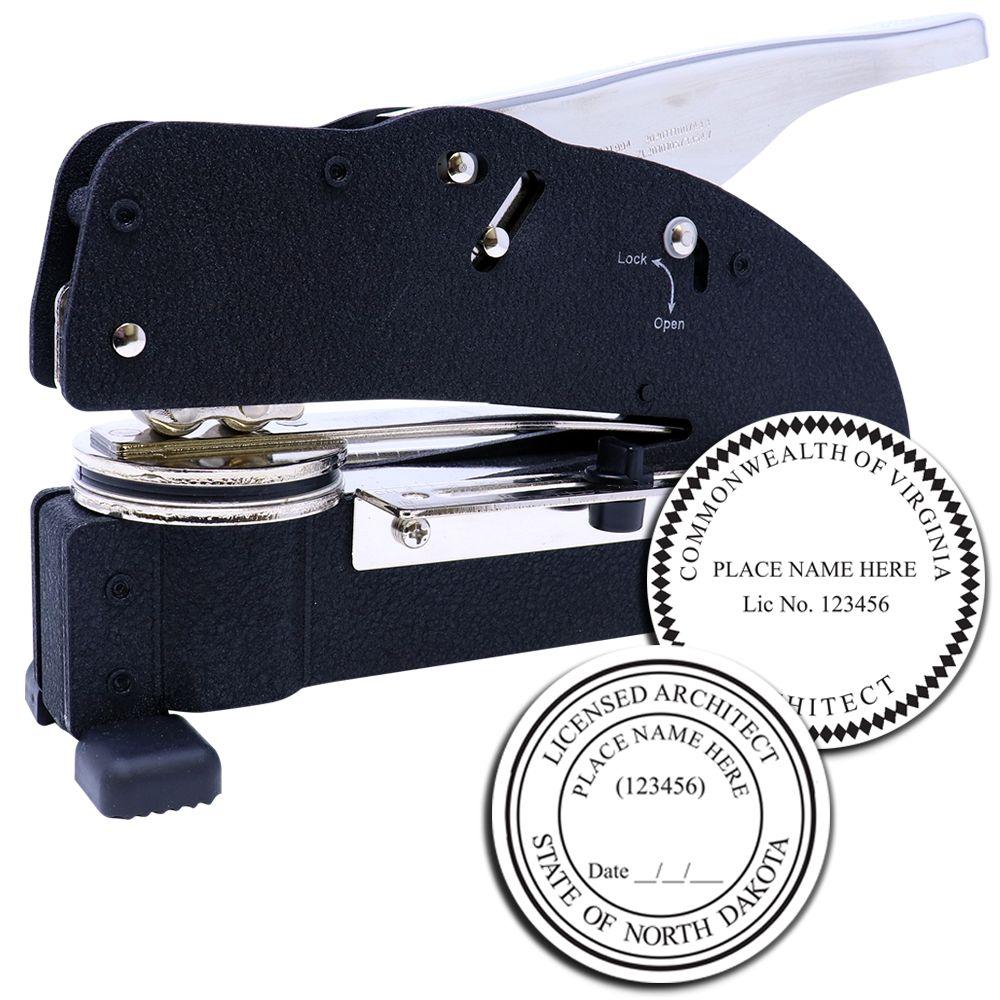

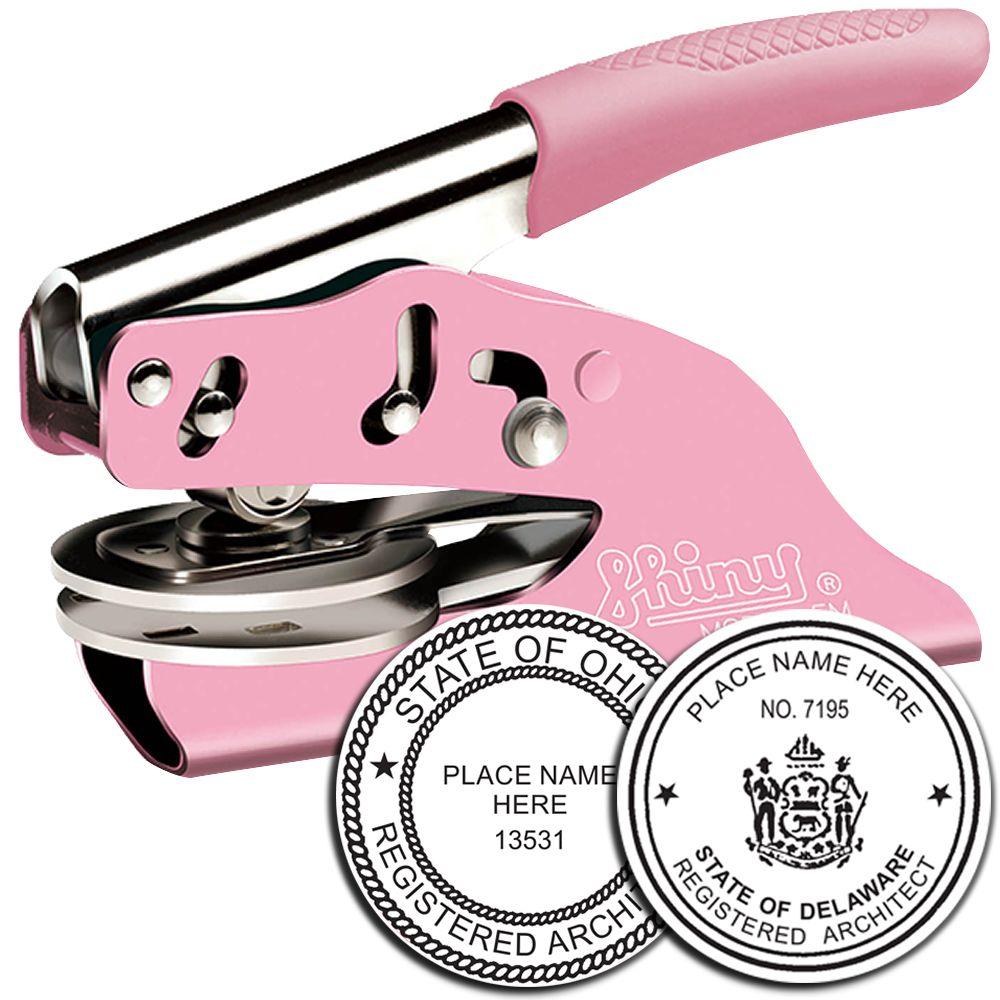
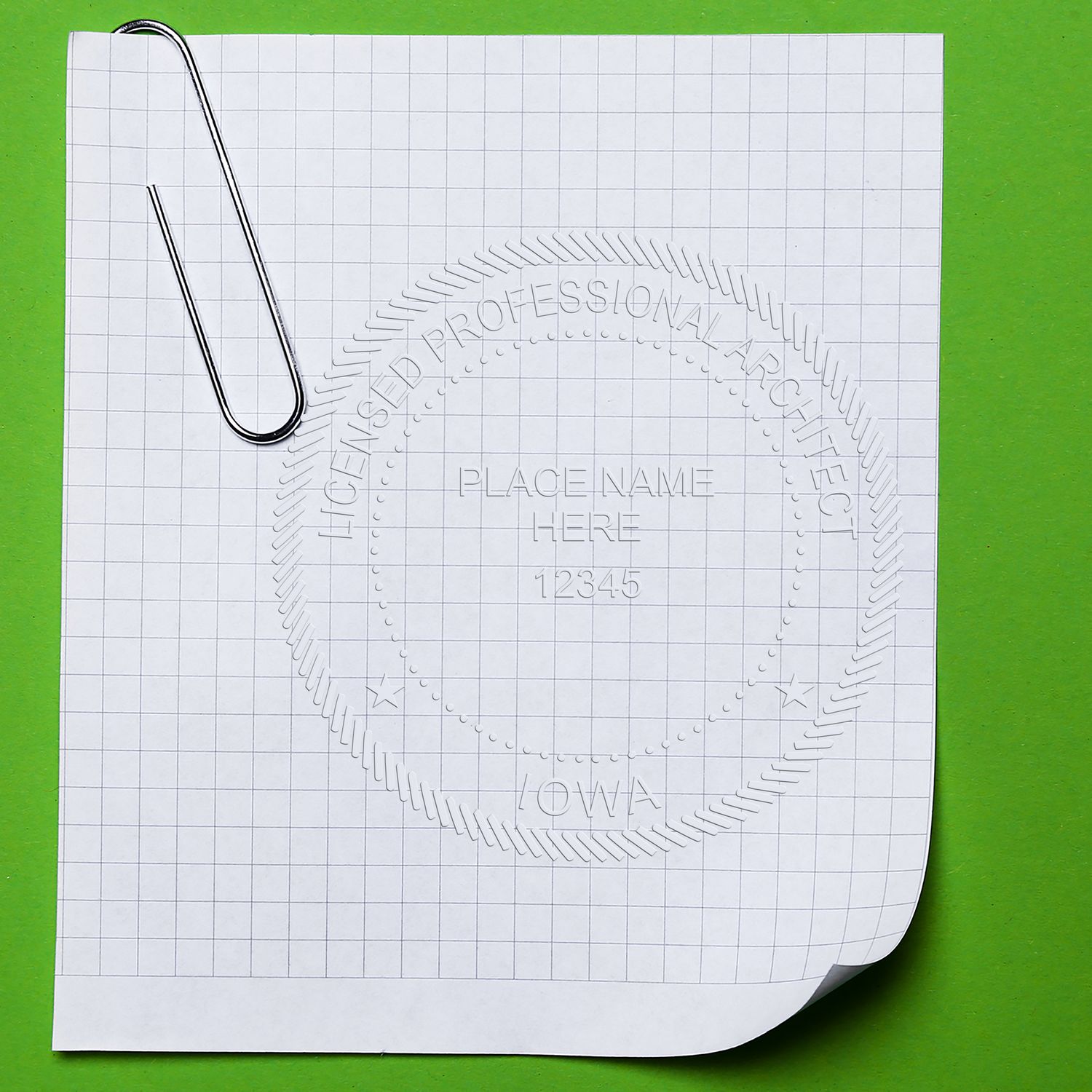
Choose The Right Style
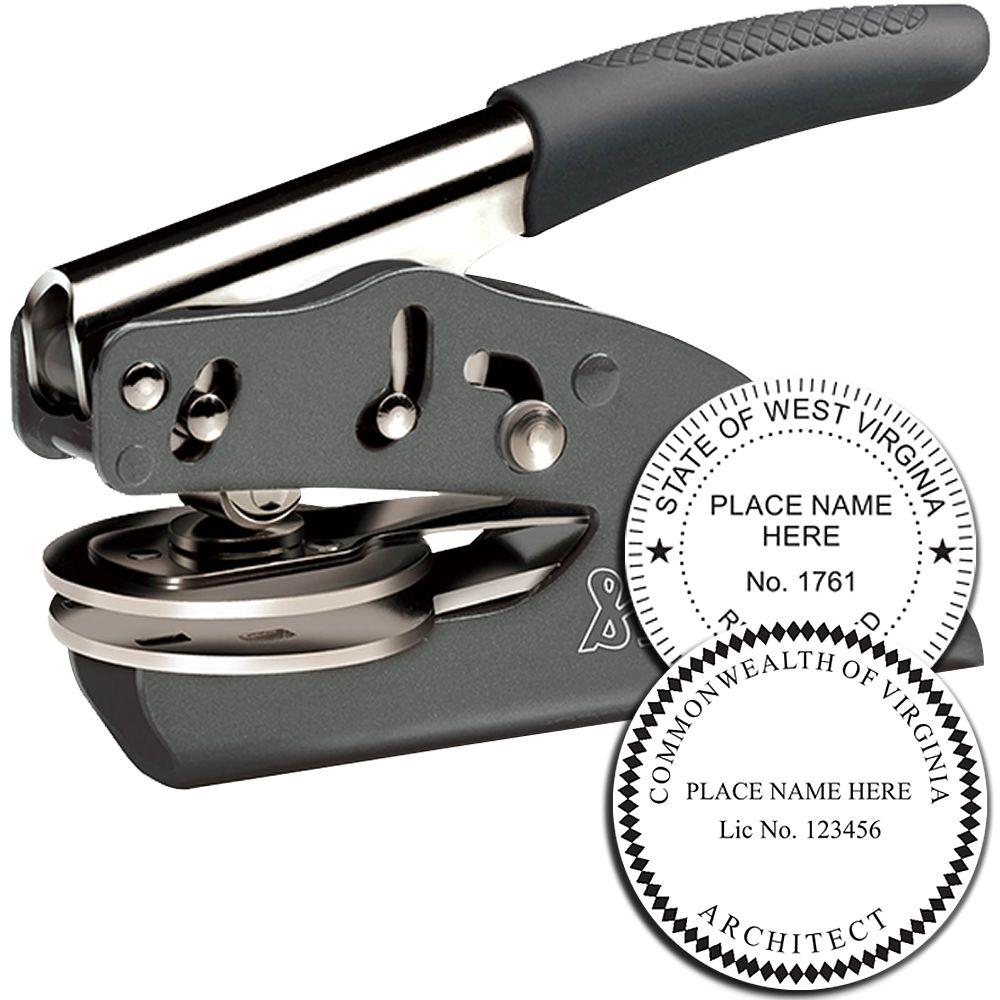
Your next step is figuring out which type of seal works best for your workflow. You’ve got several options:
- Handheld Embosser: Easily portable, good for documents you handle on the go.
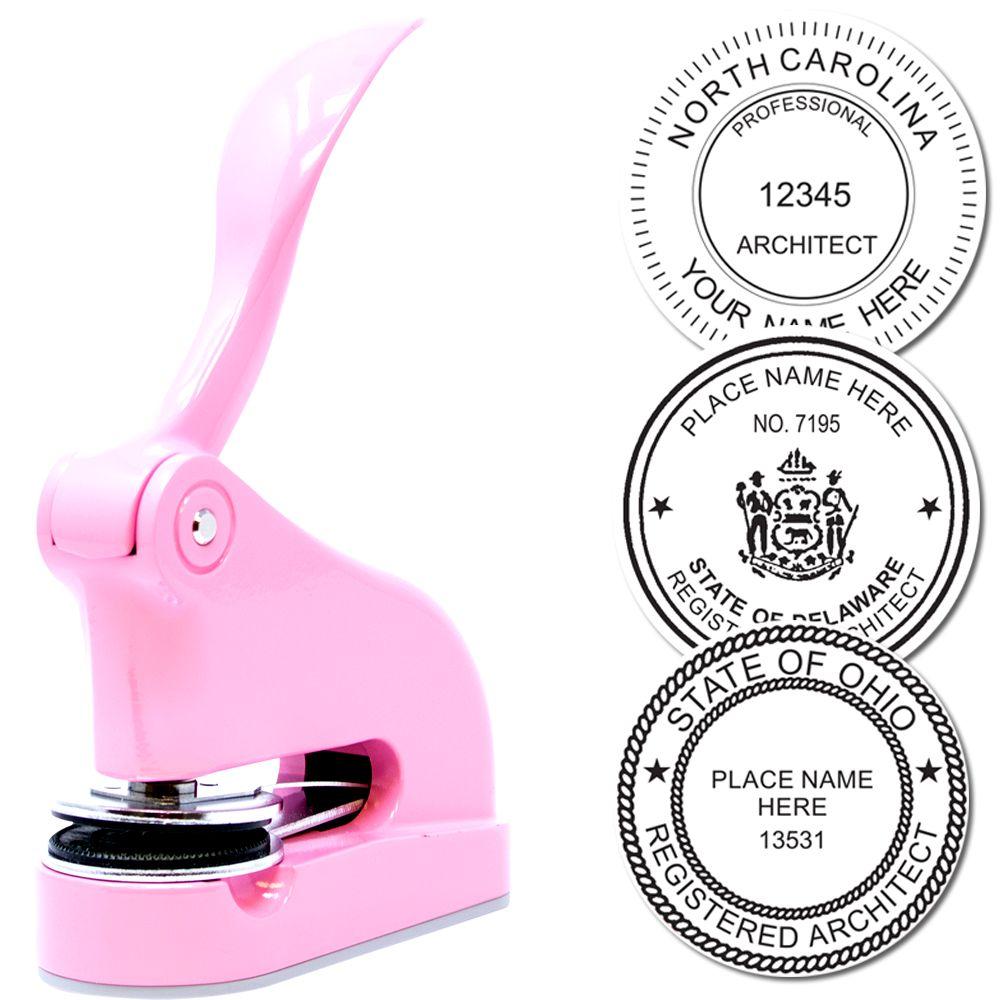
- Desk Embosser: Sturdy and ideal if you work mostly in one location.
- Digital Seal: Perfect if you often submit electronic plans or want a convenient backup.
Look for a model that feels ergonomically comfortable. After all, if you’re sealing multiple pages, you’ll want a tool that’s easy on your hands.


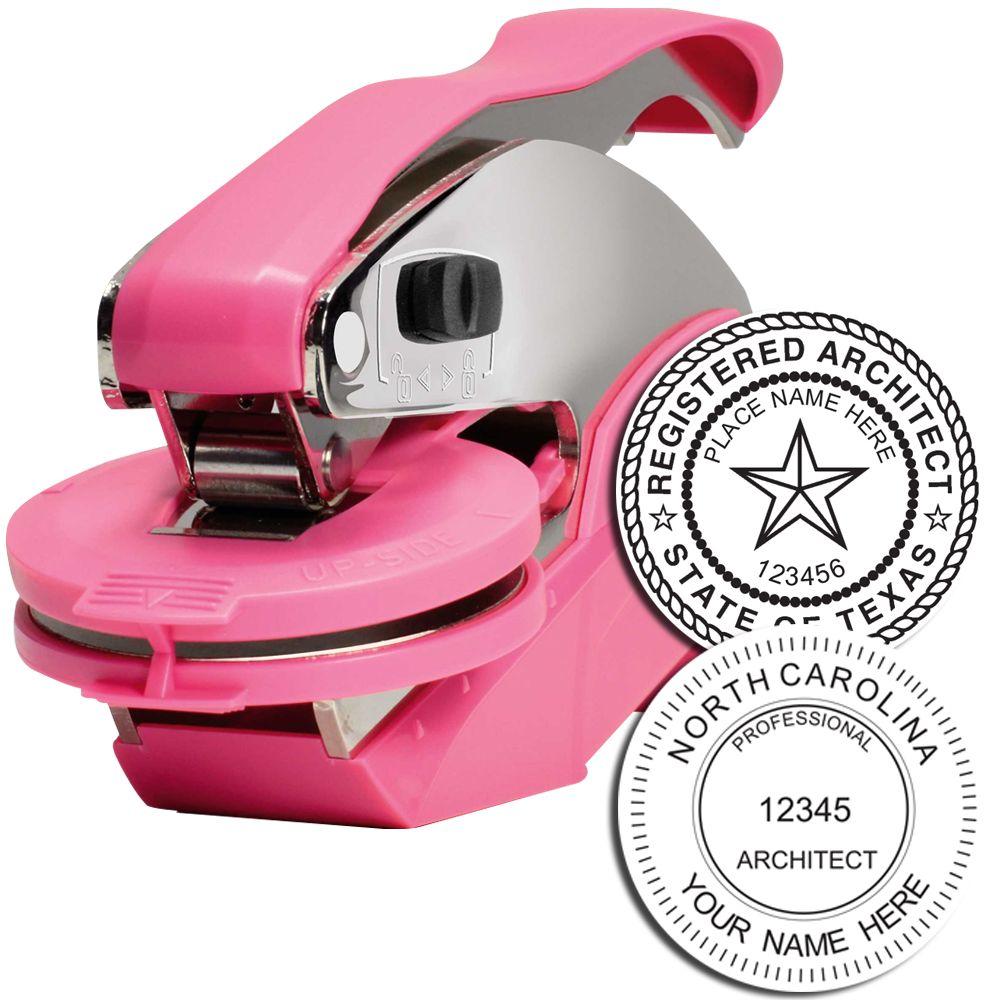
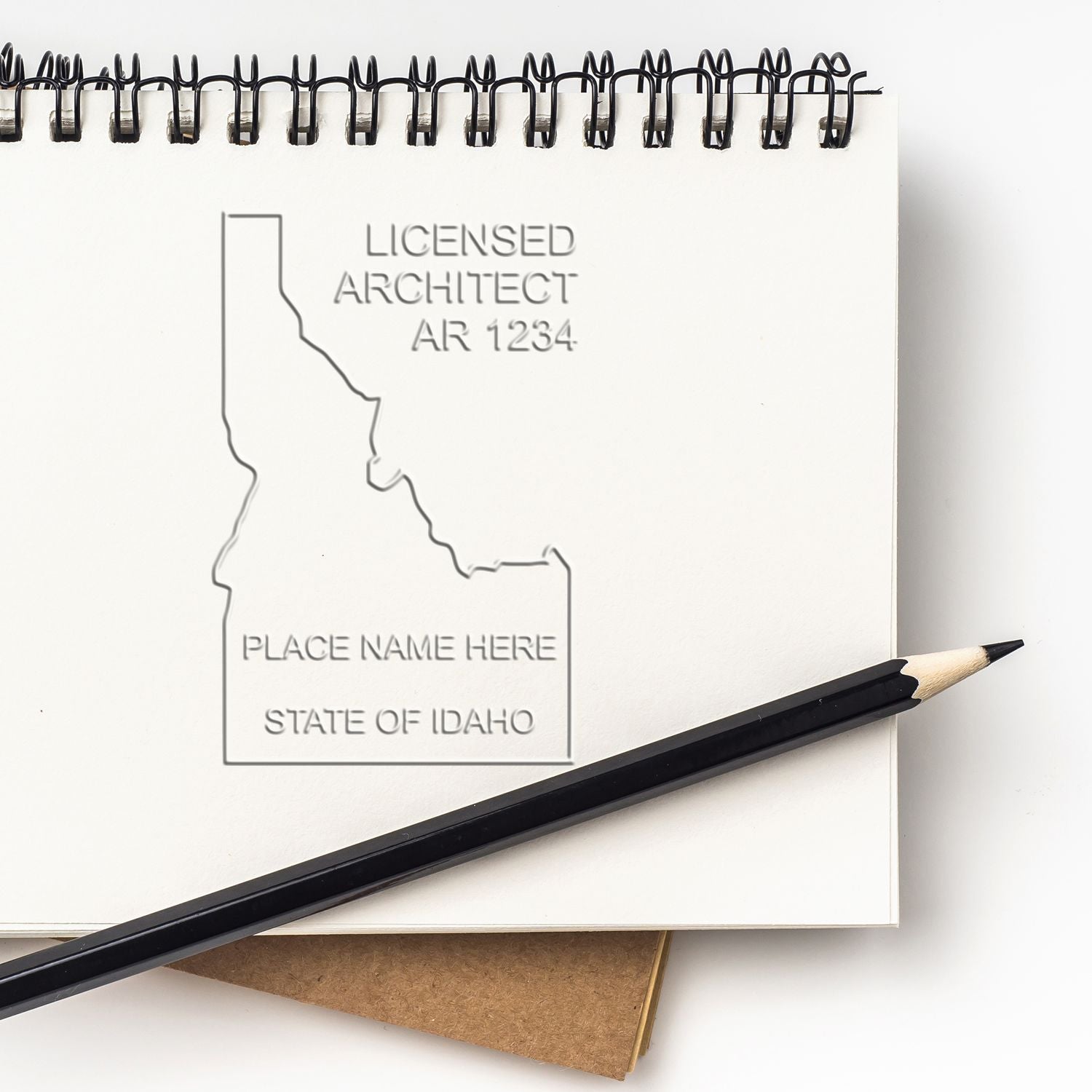

Compare Manual Vs. Self-Inking
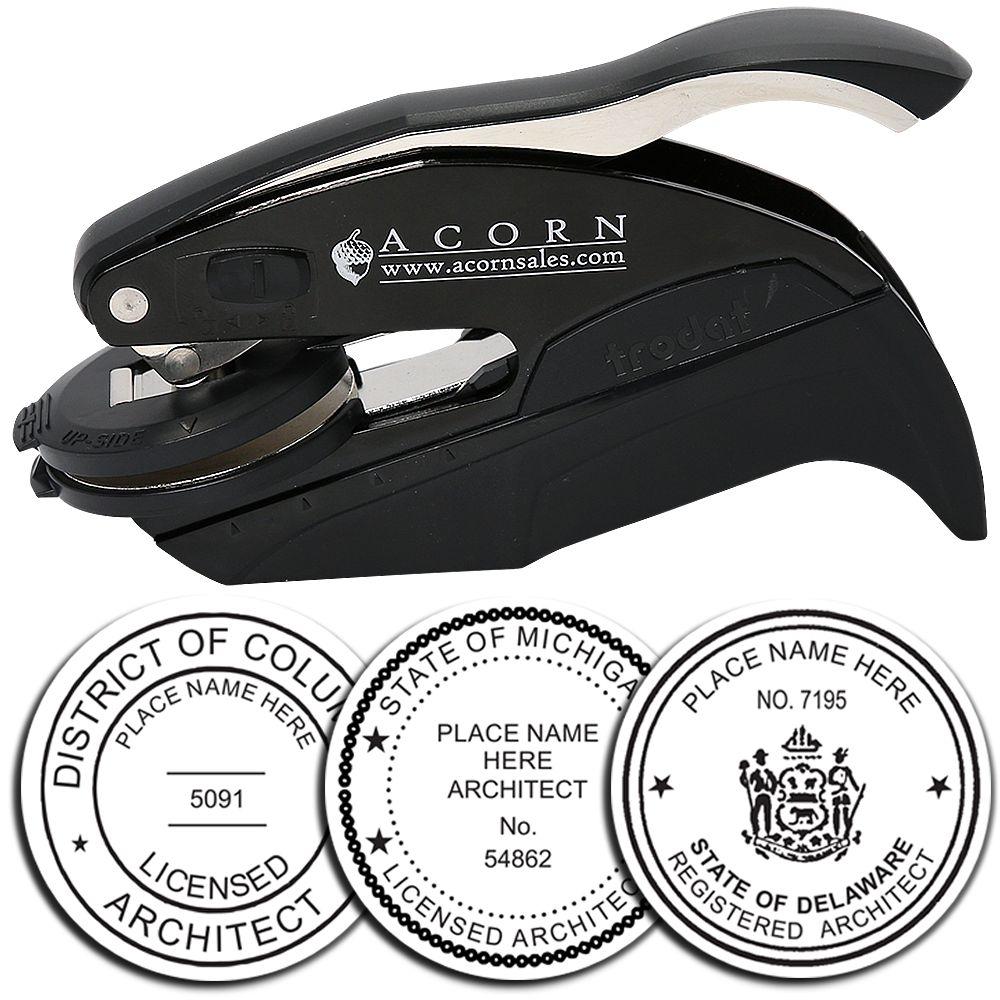
Some folks prefer the reliability of a basic manual embosser. Others lean toward a self-inking device that can quickly leave a crisp mark. If you’re consistently stamping stacks of drawings, a self-inking option might save time and reduce smudges. On the other hand, a classic manual embosser fits neatly into a drawer, making it a low-maintenance staple you can use over and over.
Get A Trusted Supplier
When choosing an embossing tool, trust matters. At Acorn Sales, we’ve been making HI Architectural Seal Stamps, Hawaii Architect Seals, and Digital Architect Stamps for over 60 years. Our state-compliant seals and quick turnaround times ensure you’ll stay on schedule for every project. If you want an one-stop shop, we’re here to help you find just the right style and size for your needs.
Choosing your Hawaii stamp
Choosing the right Hawaii architect stamp embossing is a smart move for any architect aiming to project professionalism. Decide on the style, confirm it meets local requirements, and order from a supplier like Acorn Sales that makes state-compliant seals. Once you’ve got your embossed stamp in hand, you’ll be ready to make those final design approvals both official and impressive. Happy stamping!
Frequently Asked Questions
What’s the difference between an embossed seal and an ink stamp?
Embossed seals leave a raised impression, while ink stamps create a flat mark. Both are valid, but embossing can look more professional.
Do I need my seal to be state-approved?
Yes. For Hawaii, make sure you follow official guidelines for layout and text to avoid issues.
How often should I replace my embosser?
If you notice the imprint weakening or the die getting worn, it may be time for a new tool. Proper storage helps prolong its life.
Are digital seals accepted for official documents in Hawaii?
Many jurisdictions allow digital seals, but confirm any electronic submission rules before using them for final approvals.








