
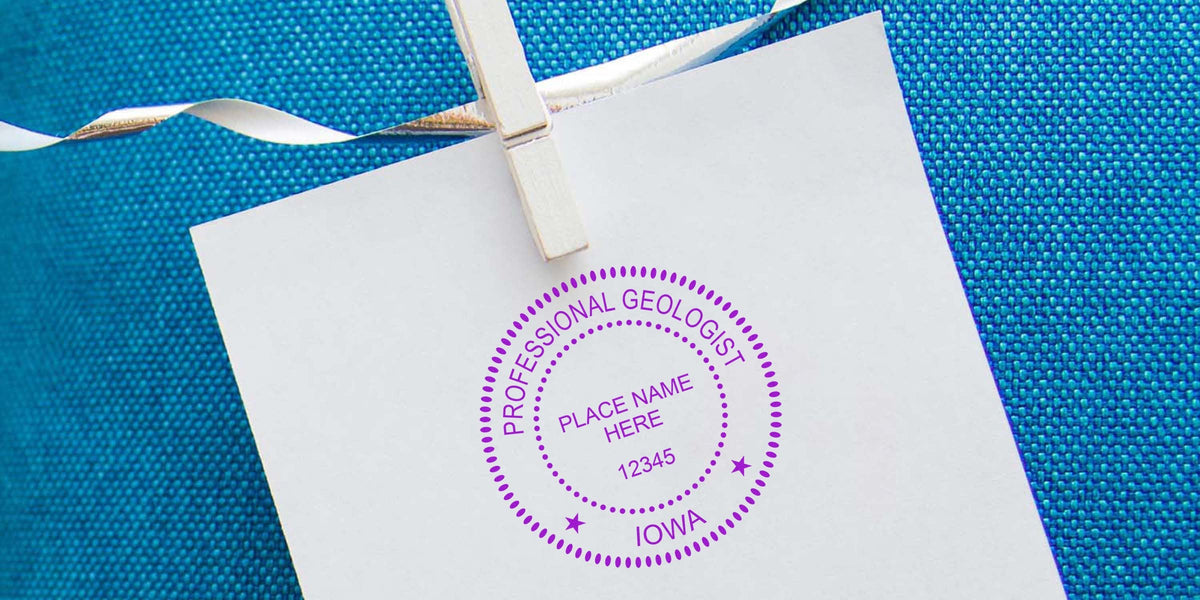
If you’re shopping for an Iowa geologist stamp embosser, you probably already know this tool is more than just a fancy gadget. It’s a critical part of your professional toolkit, lending a certified mark of authority on documents, reports, and records. But how do you pick one that meets Iowa’s requirements and stands the test of time? Let’s walk through everything you need to know so you can make an informed decision with confidence.
Sure, the process might feel a bit overwhelming at first, especially if you’re new to the stamp and seal world. You might wonder which design to use, how the impression is supposed to look, or whether you should go handheld or desktop. Plus, we’ll talk about freebies like a digital seal, which could save you time and effort. By the end of this guide, you’ll have a clear roadmap for selecting the right embosser so you can focus on what matters—your geologist expertise in the great state of Iowa.
Understand The Role Of An Embosser
Professional stamps and seals have roots going back centuries. In modern times, for geologists like you, an embossed seal offers a distinctive, tactile impression that’s legally recognized throughout Iowa. This raised imprint verifies your credentials and assures clients, colleagues, or government agencies that your work meets professional standards.
- Confirms authenticity: An embossed seal is difficult to forge, which safeguards your professional reputation.
- Adds credibility: Clients often look for official seals on geological reports and proposals.
- Complies with Iowa rules: Iowa’s licensing board typically mandates a clear, legible mark that identifies you as a licensed geologist.
Because it’s your seal of approval (quite literally), you’ll want to make sure it looks clean and precise. Mistakes in your seal impression could raise questions about the validity of your documentation. That’s why choosing the right embosser matters.
Why Use An Embosser Over Ink?
With an embosser, you get a subtle yet unmistakable mark that’s pressed right into the paper. Ink stamps can fade, smudge, or run out of ink, but an embosser leaves a raised impression. Many geologists prefer this traditional method for its longevity and professional appearance. Even if you use an ink stamp on some documents, having a sturdy embosser in your toolkit will expand your options and ensure compliance with various requirements.
Meet The Iowa Requirements
Every state has slightly different guidelines for stamps and seals, and Iowa is no exception. Making sure you follow the proper specifications ensures your seal is valid. If you need deeper detail on the official rules, you can check out iowa geologist stamp requirements.
Why Iowa Sets Strict Rules
Iowa’s licensing board wants to protect the public, plain and simple. A standardized seal helps confirm that the document created or reviewed by a geologist isn’t a fake. The consistent information in the seal design also reminds anyone reading those documents that you’re up to date on your license and meet the state’s professional standards.
Getting Familiar With Approved Designs
Typically, you’ll see a circular design that includes your name, license number, and the words “Licensed Professional Geologist” or a similar phrase. Some seals feature the state outline, while others keep it simpler. Check Iowa’s guidelines to confirm the precise text and layout. Then, share that information with your stamp or seal provider so you get a product that meets all the criteria.
Choose The Best Embosser Type
Once you’re sure your seal’s design meets Iowa regulations, the next step is picking an embosser style that fits your workflow. You can choose from two main types of embossers: handheld and desktop. Both styles produce a crisp, raised impression, but they differ in size and leverage.
Handheld vs Desktop
A handheld embosser is small and portable. It’s a good choice if you travel often or need to seal documents on the go. By contrast, a desktop embosser usually has a larger handle or heavier base, giving you more leverage with less hand strain, which can be helpful if you emboss large stacks of documents.
Here’s a quick comparison to help you decide:
| Feature | Handheld Embosser | Desktop Embosser |
|---|---|---|
| Size | Compact | Larger, stable |
| Portability | Easy to carry | Stationary, for office |
| Leverage | Manual pressure needed | More force with less effort |
| Ideal Usage | Occasional or travel | High-volume documents |
Selecting the right format really depends on your day-to-day workflow. Consider how many documents you’ll be sealing, how thick those documents are, and whether you need to relocate your stamping station often.
Emphasizing Durability
Durability often comes down to the material of the embosser. Chrome-plated steel, heavy-duty aluminum, and sturdy plastics are common. If you do a lot of stamping each week, you might prefer a heavier metal option that can handle high-volume use. If you’re just getting started or only stamping occasionally, a lighter, more affordable model could be entirely sufficient.
Ensure Quality Impressions
There’s no point buying an embosser that leaves a faint or patchy impression. When your seal isn’t crisp, it’s tough for someone to read the details, and that could spell trouble for your documentation.
- Test the impression: Ask your supplier for sample images or a test run if possible.
- Check maximum paper capacity: Some embossers are designed to handle several sheets at once, but that might reduce clarity.
- Use quality paper: Thick, high-stock paper yields better impressions, so avoid super-thin sheets.
Keep all these factors in mind as you shop around. If your stamp or seal is tough to read, you’ll lose time redoing documents or clarifying your credentials.
The Paper Thickness Factor
It might surprise you, but the thickness of your paper can affect how your embosser works. If you’re often stamping multi-page reports, you’ll probably want a design that accommodates at least regular copy paper plus a cover page. Don’t force your embosser onto a thick document if it’s not rated for that capacity. You’ll risk breaking your tool or ending up with awkward partial imprints.
Work With Acorn Sales
When you’re ready to purchase your Iowa geologist seal, it helps to turn to a trusted supplier. Acorn Sales has been in business since 1964, offering professional stamps and embossers nationwide. You can choose from a variety of handheld and desktop styles that suit your preferences.
- Expertise in professional seals: Acorn Sales specializes in stamps and seals for multiple industries, including geology.
- Free digital seal included: You’ll get an electronic version of your seal along with your physical embosser. Great for e-documents or quick sharing via email.
- Customized to Iowa standards: They’ll ensure your name, license number, and professional title match the Iowa guidelines, so you can skip the guesswork.
Why Acorn Sales Stands Out
Acorn Sales focuses on quality craftsmanship. Whether you emboss a single page or dozens every day, you can expect a clean, legible impression. The hardware is designed for longevity, so your seal remains sharp for years. You also benefit from knowledgeable customer service if you ever have questions about Iowa’s guidelines or stamp maintenance.
Prevent Common Pitfalls
There are some pitfalls geologists run into when they’re ordering or using a new embosser. Let’s tackle those head-on so you can avoid them entirely.
- Not confirming license details. If you mistype your name or license number, you’ll be stuck with an invalid seal. Double-check your info before finalizing the order.
- Over-embossing pages. Pressing down too forcefully can tear softer paper. Moderate pressure is usually enough. If you need deeper embossing, choose a heavier model rather than forcing a lightweight one.
- Misplacing the digital seal. Your digital seal is handy for online documents. Keep the file in a secure folder so you don’t have to request it again.
- Ignoring local updates. Laws can change, and you’ll need to update your seal accordingly. Bookmark the Iowa licensing board’s website for official announcements, and replace your seal if the rules shift.
Handling Replacements Or Revisions
If Iowa’s regulations ever change your required text, or you simply need to update your personal information, you may have to order a new embosser. It’s smart to check your board’s announcements once a year. Also, if the impression starts looking dull, you might need a replacement insert or a new embosser altogether. Regular maintenance can extend the life of your tool, but sometimes it’s easier to invest in a fresh unit.
Final Thoughts And Next Steps
Choosing an embosser for your Iowa geologist work doesn’t have to be complicated. With a clear sense of what Iowa requires, plus an understanding of handheld versus desktop embossers, you’ll be prepared to order a seal that meets every professional standard. Working with a reliable supplier like Acorn Sales gives you peace of mind that your seal is top-quality and accurately follows the guidelines. After all, the last thing you want is a stamp that fades or breaks when you’re halfway through an important stack of geological reports.
So go ahead and pick the embosser that best fits your workflow—one that’s comfortable, durable, and leaves a crisp, professional impression. From there, you’ll simply need to maintain your embosser, store your digital seal in a secure place, and watch for any changes in Iowa’s regulations. In no time, you’ll have everything in order, so you can focus on what you do best: providing trusted geological expertise and insights for the projects that shape Iowa’s future.
By investing a little time up front to select the right Iowa geologist stamp embosser, you’ll save yourself plenty of hassle down the road. And who doesn’t want that? Let your professional seal showcase that you care about accuracy, quality, and compliance. Once you’ve got your embosser in hand, you’ll wonder how you ever worked without it. Happy sealing!
Frequently Asked Questions
Does my purchase come with a free digital seal?
Yes. At Acorn Sales, you receive your physical embosser and a complimentary digital seal. The electronic file comes in handy for online documents or emailing official forms, so you can keep your workflow moving without printing everything.
Which is better, a handheld embosser or a desktop model?
It depends on your specific needs. A handheld embosser is convenient if you’re on the go or only emboss documents occasionally. A desktop design gives you more leverage, making it easier to emboss large batches of paperwork without straining your hand.
How do I keep my seal impressions crisp?
Several factors matter, including the paper stock and the pressure you apply. Start with the recommended paper thickness, and press smoothly for a few seconds. If the impression looks uneven, check your embosser’s alignment or upgrade to a heavier model for more consistent results.
What happens if I need a replacement?
If your embosser breaks or your license details change, you can order another embosser or get a replacement insert that fits your existing handle. It’s a good idea to check your seal’s clarity every so often. If you spot worn lettering or weaker impressions, it may be time to swap it out.








