
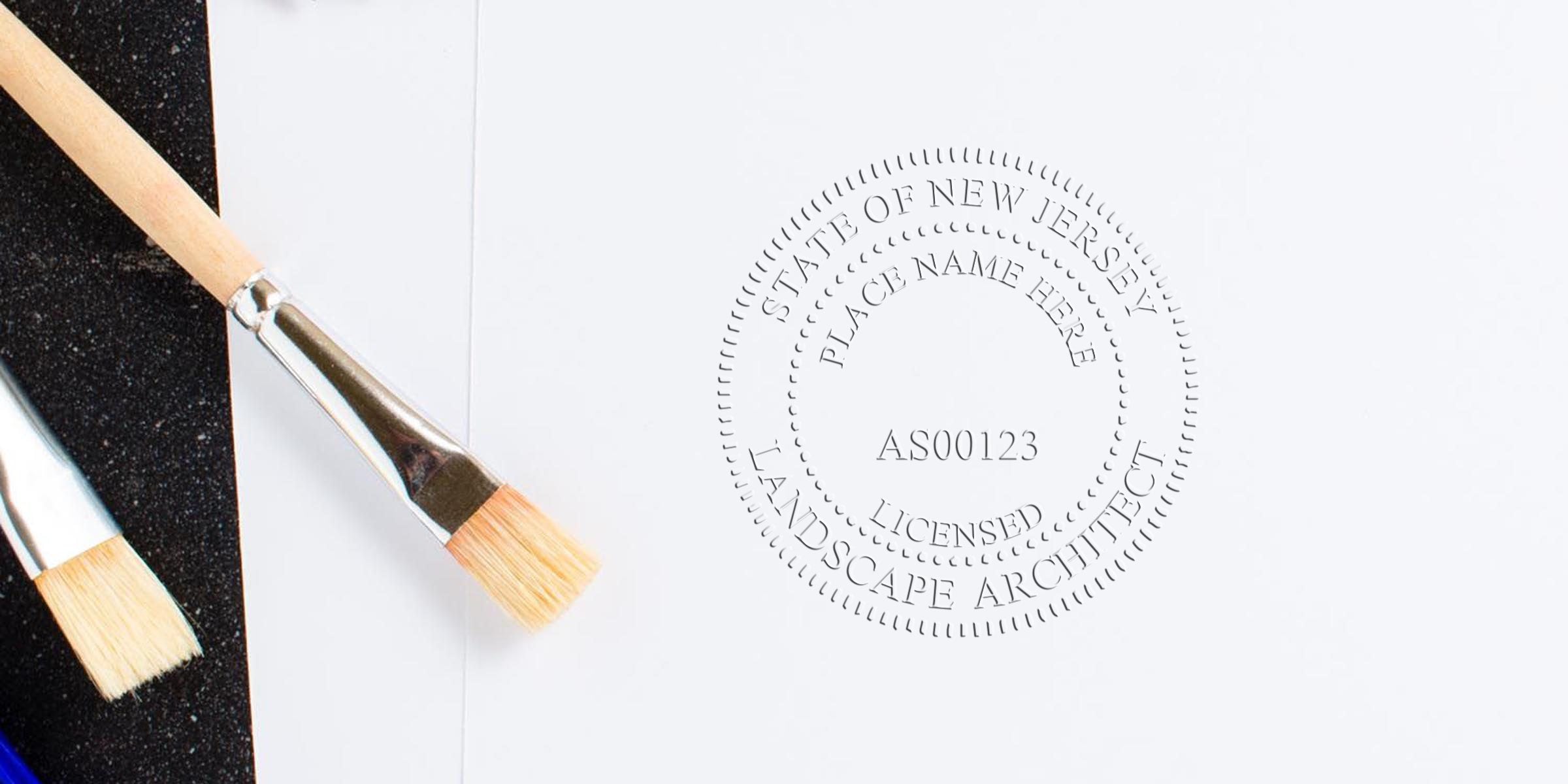
Are you in the market for a New Jersey landscape architect seal embosser? If so, you already know this tool isn’t just for show. It’s a vital part of your professional practice, signifying your credentials and satisfying state requirements. Choosing the right embosser might feel overwhelming at first, but you’ll soon find it can be a straightforward process when you know what to look out for. From understanding state regulations to considering everyday practicality, here’s an in-depth guide to help you pick an embosser that checks every box.
Understand the Embosser’s Role
Your seal embosser is more than a simple stamp, because it adds an official, raised impression to your plans and documents. This raised impression makes your work instantly recognizable and harder to falsify than ordinary ink stamps. An embosser is also a sign of professionalism, right up there with well-crafted plans and thoughtful project management. But what exactly is the big deal?
- The raised seal provides a tactile, three-dimensional mark of authenticity.
- Many local authorities require embossed documents for official submissions.
- An embosser indicates you’re following the rules set out for licensed landscape architects in New Jersey.
You might be asking, “Why not just use a digital seal?” In some situations, a digital or electronic seal may be acceptable. However, many clients and local building departments appreciate (and sometimes require) the old-fashioned touch of an embossed design. It’s a visual and physical cue that the document in question is legitimate, and for many projects, that’s a huge advantage.
Don’t forget that your seal’s format is usually standardized, and it must include the correct details—your name, license number, and the necessary wording that the state of New Jersey mandates. If you’d like an in-depth look at those specifics, you can check out our new jersey landscape architect stamp requirements. Having the right layout on your seal means you’ll be in compliance from day one.
Meet New Jersey Requirements
Every state sets its own guidelines on professional seals, and New Jersey is no exception. You might hurry into buying any old embosser, only to discover your design doesn’t meet official standards. To avoid that headache, start by reviewing the rules on:
- Required Information: Certain text and identifying details must appear on your seal. Typically, this includes your name as it appears on your license, the words “Landscape Architect,” and any other state-specific text.
- Dimension and Shape: Many states have minimum and maximum diameters for seals. Make sure your embosser is sized correctly, so it fits precisely on your documents without crowding text or logos.
- Ink vs. Emboss: While the official format in some places might allow for an inked stamp, New Jersey often expects (or prefers) an embossed seal impression that’s clearly legible. Double-check the official language to see which applies to your situation.
It pays to know these regulations before you order your embosser. If you’re unsure whether your design meets state guidelines, look for a supplier that stays up to date with the legal specifics—some suppliers, like Acorn Sales, can confirm compliance for you so you don’t accidentally violate any stipulations.
Compare Different Embosser Types
Not all embossers are created equal. Some are built for convenience on-the-go, and others are more suited for frequent office use. Which one fits your workflow best? Let’s break down the most common categories.
Pocket Embosser
A pocket embosser folds up neatly, making it easy to toss into a bag or briefcase. If you visit job sites regularly or expect to sign off on documents away from your desk, a pocket design could be a solid pick.
- Advantages: Compact, portable, low-profile
- Disadvantages: Smaller handle can sometimes require more hand strength if you’re embossing in large quantities
Desk Embosser
A desk embosser sits on a sturdy base, delivering clean, easy-to-read impressions with minimal effort. Because of its weight and leverage, this style is fantastic for individuals who emboss large stacks of documents.
- Advantages: Stable, comfortable to use, easier on your hands
- Disadvantages: Bulkier, not ideal for travel
Long-Reach Embosser
If you regularly place your seal deeper on a page—like near the center of large documents—a long-reach embosser can make the process quicker and smoother. This type typically has a larger throat depth, enabling you to press the seal well beyond the paper’s edge.
- Advantages: Perfect for bigger sheets, allows deeper embossing areas
- Disadvantages: Can be heavier, usually more expensive
Here’s a quick comparison table to help you see how these differ:
| Feature | Pocket Embosser | Desk Embosser | Long-Reach Embosser |
|---|---|---|---|
| Portability | High | Low | Low |
| Ease of Use | Moderate | High | High |
| Paper Size Flexibility | Limited | Standard | Extended |
| Ideal Environment | On-the-go | Office | Large-format documents |
When in doubt, think about your normal routine. If you only work from your office, a desk or long-reach option might be your best friend. If you reliably travel or attend client meetings, a pocket embosser might be more convenient.
Look at Practical Features
Beyond basic types, features matter too. The best embosser is one you can comfortably manipulate, day after day, without straining your body or wearing out your patience. Here are a few practical considerations:
Weight and Ergonomics
Especially if you plan on embossing multiple documents in a row, you’ll want something that doesn’t hurt your wrist or cramp your hand. Desk embossers often feature a lever mechanism that requires minimal force. A bulky design might tire you out quickly, so be sure to weigh your comfort as you shop around.
Durability and Construction
You need an embosser that’s built to last. Most high-quality embossers are made with sturdy metals that resist bending, cracking, or misalignment. A cheaply made product could lead to uneven seals or require frequent part replacements. You don’t want to risk your official documents turning out subpar because the embosser’s mechanism suddenly jammed.
Customizing Your Seal Plate
Some suppliers allow you to swap out the seal plate if your information changes, such as a name change or updated license details. Having a removable or replaceable seal plate can be a game-changer. Instead of buying an entirely new device, you can just update your plate. It’s worth looking at this option if you anticipate adding new professional credentials or adjusting your contact information.
Work with a Trusted Supplier
Where do you buy a New Jersey landscape architect seal embosser? While you could poke around office supply stores or random websites, it’s wise to choose a supplier with a track record. After all, you’re placing a lot of trust in this small tool to uphold your professional identity.
- Look for a supplier that knows New Jersey regulations inside and out.
- Ask about free digital seals, which can come in handy for electronic submissions or quick email attachments.
- Consider a business that’s been around for decades, such as Acorn Sales, which has been serving professionals since 1964. Their long history suggests they’re doing something right.
If you’re feeling uncertain about your design, you can often share your details with a supplier before you finalize your order. Reputable suppliers confirm everything is correct and official, so you’re not left scrambling to comply with the state’s guidelines after you’ve already placed your order.
Maintain Your Embosser
Taking good care of your embosser ensures crisp, professional impressions every time you press down. Maintenance doesn’t have to be complicated. You just need a few simple habits to keep your tool working optimally.
Clean the Plate
The embossing plate can collect dust or tiny paper particles, especially if you’re embossing frequently. Gently brush away any debris with a soft cloth to avoid buildup. If you notice smudges, lightly wipe the plate with a damp (not wet) cloth and dry it thoroughly.
Store It Properly
Here’s a tip: store your embosser in a dry area away from direct sunlight. Moisture can lead to rust, and excessive heat can warp certain plastic components. If you’ve got a pocket embosser, keep it in a small protective case so the handle and plate aren’t jostled around.
Check for Wear
Your embossed impressions should remain sharp and consistent. If you notice faint or uneven markings, you might need to contact your supplier or replace parts. Waiting too long could lead to questionable impressions, which might be rejected by a local authority.
Use It Smoothly
It’s tempting to press down on your embosser with all your strength, but patience can lead to cleaner impressions. Apply even pressure and hold it in place for a moment so that the paper fully molds to your seal design. Rapid or forceful stamping can cause a partial imprint, leaving some letters or lines faded.
Remember, light maintenance goes a long way toward preserving your embosser’s life span. And if you ever have doubts about the official layout of your seal, consult a supplier who specializes in New Jersey regulations.
Choosing the right New Jersey landscape architect seal embosser comes down to balancing your needs: ease of use, portability, compliance, and of course, personal preference. Look for a supplier that understands state requirements and offers reliable customer support. When your seal arrives, invest a little time into learning how to use it smoothly and store it correctly, so it keeps giving you crisp, professional impressions. After all, your seal isn’t just a stamp—it’s your professional identity on paper, a physical representation of the expertise and credibility you bring to every project.
Frequently Asked Questions
Do I really need an embosser if I have a digital seal?
It depends on your workflow and the requirements you face. Some agencies accept digital seals, but many still expect embossed documents for added security. If you want absolute versatility, it’s wise to own both.
Is the design different for a New Jersey landscape architect seal embosser compared to other states?
Yes. Each state tends to have its own style, text requirements, and spacing. Make sure you stick to the New Jersey guidelines, or the seal might be invalid.
How long does an embosser typically last?
A well-made embosser can last for years, even decades, especially if you keep it clean and avoid forcing it through excessive amounts of paper at once.
What is the benefit of ordering from Acorn Sales?
Acorn Sales has been around since 1964, so they’ve got a proven history of reliability. They also offer a free digital seal with every order, which is a nice perk if you ever need an electronic version.
Can I order replacement parts or just the seal plate later on?
Many suppliers, including Acorn Sales, provide replacement plates or parts. This is handy if your name changes, your license details update, or your existing plate starts to wear.








