
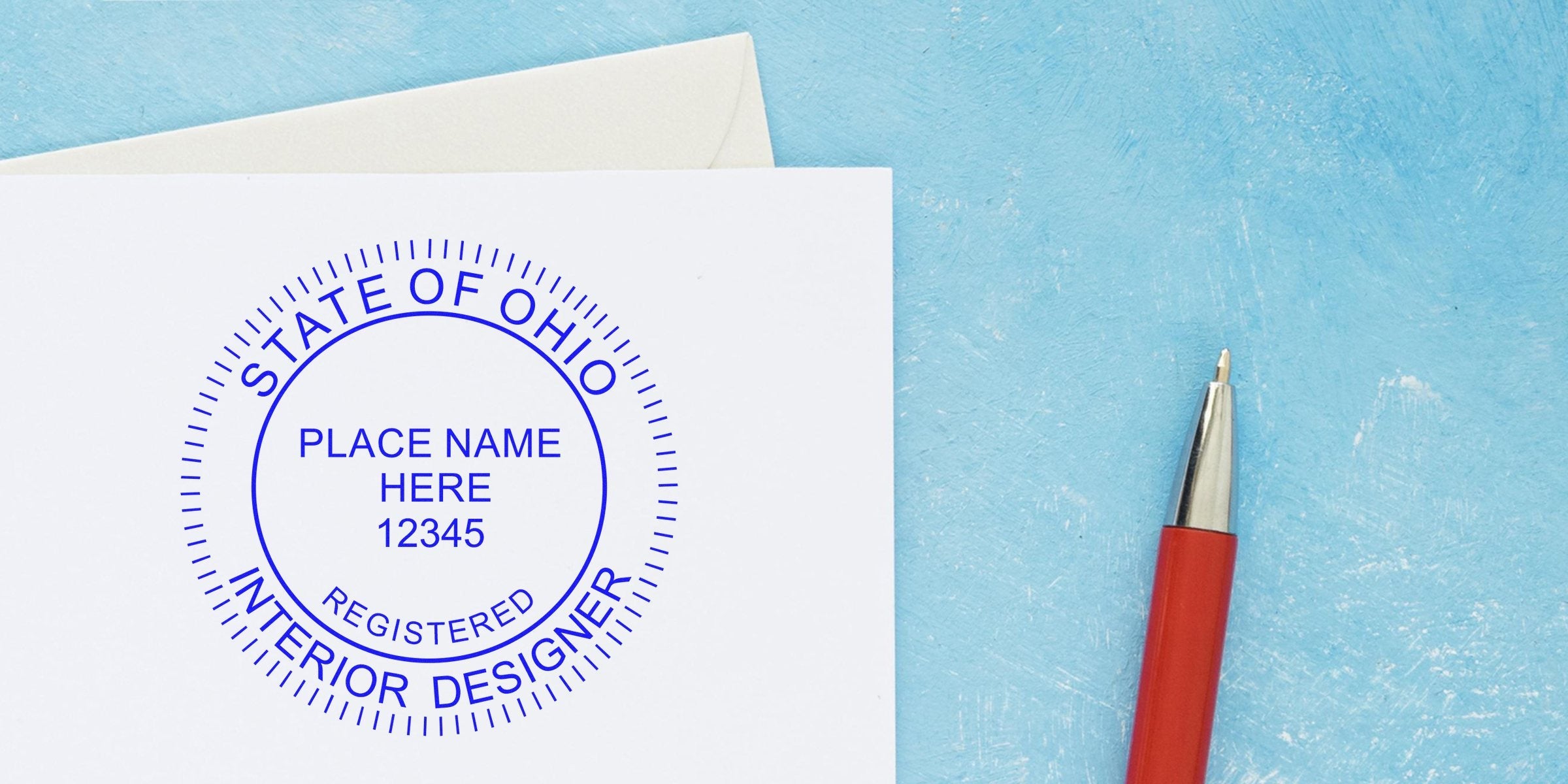
Choosing the right Ohio interior designer seal embosser can feel daunting if you’re not sure what to look for. You want to meet state requirements, present a professional image, and ensure your embossed seal is crisp and legible on every project document. On top of that, you might wonder whether a handheld or desk model suits you best, or which brand provides the durability you need. The good news is, once you understand the fundamentals, you’ll be well on your way to picking an embosser that fits seamlessly into your daily workflow.
Since 1964, Acorn Sales has helped design professionals like you find the perfect sealing tools, and they include a free electronic seal file with every order, which can come in handy for digital submissions. In this post, we’ll walk you through what Ohio requires, the different embosser types, and tips on care and maintenance. By the end, you’ll have the confidence to choose the embosser that delivers a crisp seal every time.
Understand Ohio Requirements
To begin, you’ll want to familiarize yourself with Ohio’s rules for interior designers. While each state has its own procedures, Ohio typically mandates that a registered interior designer must place a state-authorized seal on official drawings and specifications. This seal affirms that you’ve met the qualifications to provide interior design services and that the documents you’re submitting meet professional standards.
In practical terms, your seal demonstrates accountability and helps protect both you and the public interest. Some building departments may even refuse documents that don’t carry the proper seal, so you’ll want to be sure that you’re using an Ohio interior designer seal embosser that meets the exact specifications set by the state. That way, your paperwork is less likely to face any hiccups during inspections or plan reviews.
If you haven’t done so already, check the official Ohio guidelines for interior designers to find details on the seal’s layout and size. Most will outline the required outer ring, text such as “Registered Interior Designer,” and your name or license number. Pay attention to details like lettering style or minimum diameter so you don’t waste time or money ordering a seal that doesn’t meet those criteria. Whether you’re stamping blueprints or official forms, you want the final impression to convey professionalism from the first glance.
Compare Handheld Versus Desk Models
When you’re shopping for an Ohio interior designer seal embosser, one of the first decisions you’ll make is whether a handheld or desk model is right for you. Each has advantages, and your choice often depends on factors like where you’ll use it most, how often you’ll need it, and your comfort with applying pressure.
Handheld Embossers
- Ideal if you move between multiple job sites or offices
- Lightweight and compact, perfect for slipping into a bag or drawer
- Require a bit more hand strength, especially if you’re embossing thick paper or multiple pages
Desk Embossers
- More substantial and typically stable, so less strain on your wrist
- Often provide a deeper, cleaner impression because of their sturdier design
- Take up more space on a desk, but they’re easier to use for high-volume tasks
If you appreciate the convenience of working wherever you are, a handheld embosser might be your best bet. On the other hand, if you frequently emboss a lot of documents in your main office, you’ll value the ergonomic advantages of a desk model.
Check the Materials and Build Quality
You want an embosser that can handle repeated use without showing signs of wear. After all, an Ohio interior designer seal embosser is an investment in your professional image. Look for metallic components like steel or brass, which are well known for their durability. A sturdy frame ensures that your embosser can create consistent impressions over the years.
When shopping, keep an eye out for features like:
- Reinforced handles to reduce bending or looseness
- Clear alignment marks that help position the paper accurately
- Anti-slip grips, so the embosser doesn’t wander on your desk
Additionally, double-check the manufacturer’s specifications on sheet capacity. Some embossers are designed to tackle thicker paper stock or multiple pages, while others are better for single-sheet embossing. If you frequently handle construction drawings or heavier blueprint sheets, you’ll appreciate an embosser that doesn’t stick or slip trying to impress more robust paper.
Consider the Seal Depth and Orientation
Seal depth essentially refers to how far the paper can slide into the embosser before the imprint is made. If your typical documents have a larger margin, you might need an embosser with a greater reach, so you can place the seal exactly where it’s required. Some department rules can be quite fussy about where the seal sits—being off by a couple of inches could end up being an issue on official records or plan sets.
Orientation also matters. Depending on the model, the seal might be rotated in a way that it’s easier to emboss along the top, bottom, or left-hand side of the page. Handle placements can vary from left-handed to right-handed use. Matching your normal working style is crucial for minimizing wrist strain. Plus, you won’t have to fumble with flipping documents in awkward directions before making that polished impression.
When you’re ordering your embosser, be sure to review:
- The maximum reach distance
- Whether it’s best for top, side, or bottom embossing
- The direction of the text and symbols, so your final seal doesn’t appear reversed
It might feel like a lot of small details, but each one helps ensure you can quickly align your documents and produce a neat, readable seal on the first try.
Know the Value of an Electronic Seal
Increasingly, design professionals also need a digital version of their official seal for electronic submissions or for inclusion on PDFs. If you’re like many interior designers, you juggle both paper and digital documents every day. That’s why it’s worth checking if your chosen vendor includes a free electronic seal file, which saves you the hassle and expense of creating one from scratch.
Acorn Sales, for example, has been in business since 1964 and provides a free electronic seal with every order. You can simply insert this seal image into your documents to meet e-filing requirements. In some instances, an electronic seal won’t replace the physical version, but it’s invaluable for projects that are partially or fully paperless. Checking city regulations to make sure an e-seal is acceptable for certain steps can save you time, money, and multiple re-submissions.
Explore Stamp Alternatives
While you’re considering an embosser, you might also be curious about using a rubber or self-inking stamp for certain tasks. If you’re in a rush or prefer a quicker mark, an Ohio interior designer stamp can be a handy backup or alternative. You’ll find this option especially useful when you have to sign a large stack of documents quickly. Just ensure you still meet any embossing requirements if those are specifically cited in your jurisdiction.
You can learn more about this alternative when you check out the Ohio interior designer stamp. Many designers combine both an embosser and a stamp to tackle various submission types. It might sound like overkill at first, but having both can reduce overall wear on your embosser and keep your workflow smooth when deadlines loom.
Follow a Simple Usage Guide
If this is your first time using an embosser, there are a few best practices to guarantee crisp and professional imprints:
- Align Your Paper: Before inserting the sheet, note any guide lines or alignment markers on the embosser to ensure your seal sits exactly where you want it.
- Position Carefully: Slide your paper into the embosser until it reaches the desired depth, keeping it flat. Tilted pages produce uneven imprints.
- Apply Steady Pressure: Squeeze or press down with a smooth, consistent motion. Avoid quick jerks or half-presses, as they can cause partial impressions.
- Inspect the Result: Double-check that all text and design elements are visible and not distorted. If anything is blurry or incomplete, re-emboss on a fresh spot.
- Keep It Clean: After each use, brush away any paper scraps or residual ink (for combination models). Dust buildup affects print clarity over time.
If you’re embossing multiple sheets, it can help to create a workflow where you line them up, confirm alignment, then emboss in batches. Once you get a rhythm going, you’ll find it’s a straightforward process that quickly becomes second nature.
Care and Maintenance Tips
An embosser isn’t an everyday disposable item. With a little attention, it can remain in top condition for years:
- Wipe it down if you notice any debris or ink buildup
- Avoid storing in extreme temperatures, which can warp components
- Keep a small brush or cloth handy to remove paper shavings from the device
- Check the handles and moving parts periodically to ensure they remain tight
If your embosser starts sticking or producing inconsistent imprints, a quick cleaning might do the trick. Some interior designers also keep an extra insert or die plate in case the original one becomes worn over time. Most high-quality embossers let you replace the seal die instead of buying an entirely new device, which saves you money.
Consider a Trusted Supplier
Choosing a proven supplier is one of the best steps you can take to get a high-quality Ohio interior designer seal embosser. You want someone who knows the ins and outs of state guidelines and can vouch for the compliance and durability of their products.
Acorn Sales has been around since 1964, and their staff has guided countless interior designers, architects, and engineers to the right seal. They also understand that you might sometimes need your embosser or digital seal in a hurry, so they strive to keep shipping times quick. Plus, with every order, you get that free electronic seal, a must-have in our increasingly digital world.
If you have specific questions—like the diameter of the seal, the best orientation, or how to handle special requests—don’t hesitate to reach out to a reputable supplier. They’re usually eager to help so you can find a model that makes your day-to-day workload simpler, not harder.
Recap the Key Takeaways
- Ohio regulations require a clearly identifiable seal on your design documents
- Handheld embossers are portable, desk models are great for frequent tasks
- High-quality materials ensure consistent impressions over the long haul
- Seal depth and orientation matter for precise placement
- An electronic seal adds modern convenience, especially for digital submissions
- A reliable vendor, like Acorn Sales, makes all the difference in product quality and support
Remember, fine-tuning your embosser selection to your daily workflow and state guidelines pays off in peace of mind. Once you have your perfect tool in hand, you’ll be ready whenever a client, contractor, or building official needs those final, clearly embossed documents.
You’re now equipped to navigate the world of Ohio interior designer seal embossers with confidence. Once you zero in on the right model—taking into account your comfort, frequency of use, and design specs—you’ll create professional impressions that help you stand out. Whether you decide on a handheld embosser for on-the-go work or a desk setup for frequent stamping, you’ll be able to mark your projects with the authority and polish they deserve. And if you ever have questions, don’t forget that a dependable supplier is just a call or click away. Happy embossing!
Frequently Asked Questions
Is an Ohio interior designer seal embosser mandatory?
Yes. Most accredited interior designers operating in Ohio need an official seal for documented drawings. Official paperwork may be rejected by local building departments without the proper seal.
How do I know if my embosser meets Ohio’s specifications?
Always review Ohio’s official rules for size, shape, and text requirements. In many cases, the supplier will indicate compliance. When in doubt, ask for sample images or proof of compliance from your supplier.
Can I use a rubber stamp instead of an embosser?
While a rubber stamp can be an additional tool, certain documents specifically require a raised seal. Check local guidelines. Some offices accept stamps, but others insist on embossed seals for security and authenticity.
How do I maintain consistent impressions over time?
Clean your embosser regularly, ensure the alignment guides remain intact, and keep moving parts lubricated or tightened. Proper storage in moderate-temperature environments also helps avoid warping or rust.
Why choose Acorn Sales for Ohio interior designer supplies?
Acorn Sales has been a trusted name since 1964, offering Ohio-compliant seals and stamps, plus a free electronic seal with each purchase. Their products are built for durability, and their customer support helps you find exactly what you need.








