
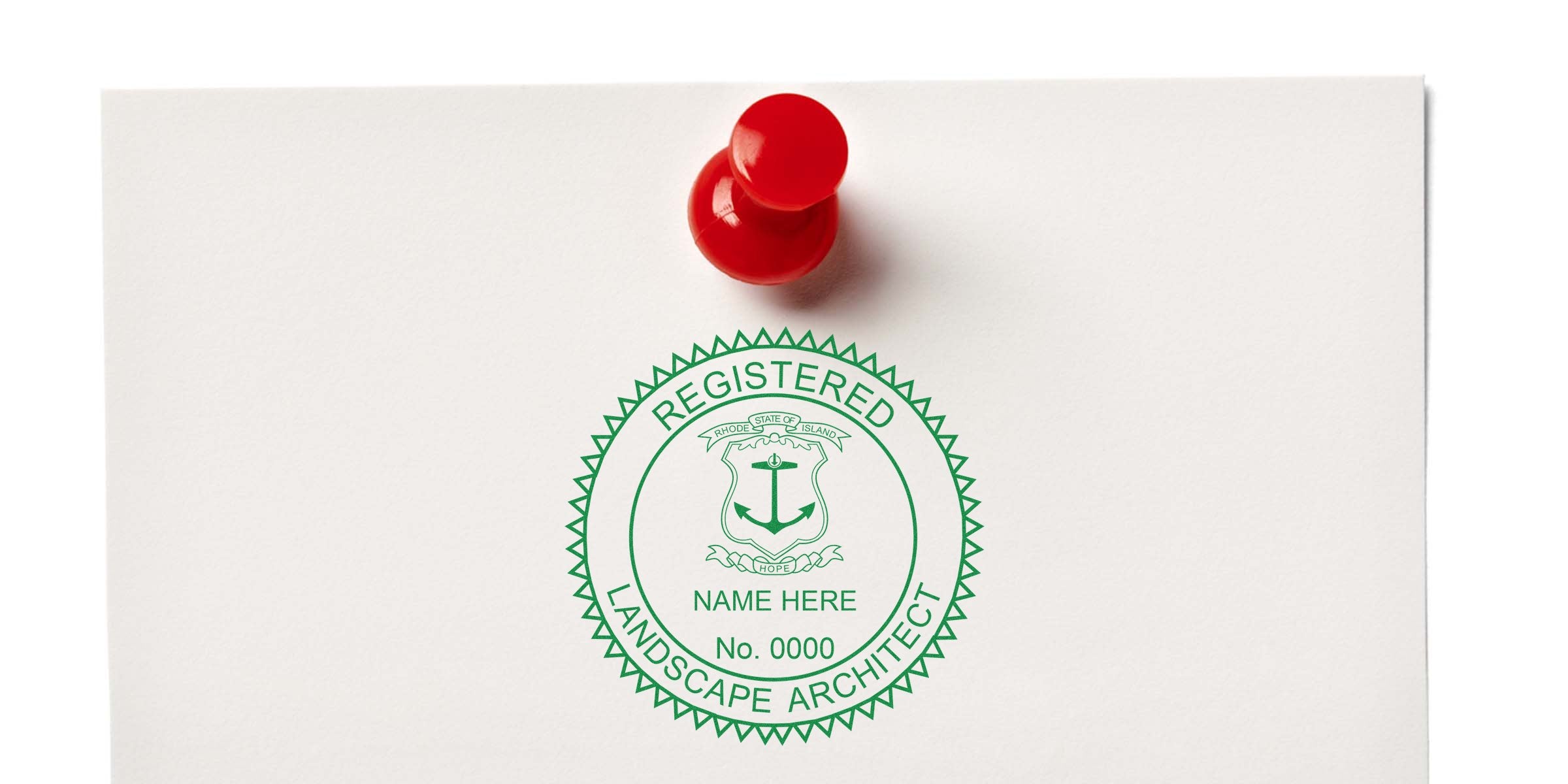
If you’re shopping for a Rhode Island landscape architect seal embosser, chances are you want something sturdy, easy to use, and fully compliant with state regulations. Let’s walk through the key considerations so you can choose an embosser that aligns with your professional needs and reflects your personal style. Whether you’re just starting as a licensed landscape architect in Rhode Island or exploring a replacement for an older device, understanding these factors upfront saves you time, headaches, and money.
Understand Stamp vs. Embosser
Before diving into embosser specifics, it’s helpful to know the difference between a traditional ink stamp and an embosser. Both are used to authenticate your documents, but they offer different finishes and experiences.
- A stamp applies ink directly onto the document’s surface.
- An embosser creates a raised seal impression, adding a tactile and visual distinction.
In Rhode Island, many landscape architects like the professional appearance of a raised seal. An embossed seal feels permanent, which can be reassuring if you’re stamping important plans or official proposals. If you’re uncertain which option you need, you can look at the rhode island landscape architect stamp requirements to ensure you meet formal guidelines.
Why Some Prefer a Raised Seal
- Added professionalism: The embossed design can catch a reviewer’s eye and communicate authenticity.
- Document security: Raised seals are harder to replicate through simple photocopies.
- Longevity: Embosser impressions don’t fade like ink can over many years.
Still, it’s a personal choice. Some professionals carry both a stamp and an embosser. If you anticipate regular presentations, an embosser can make your documents feel more official, while a stamp might be quicker for everyday desk work.
Study The RI Requirements
Rhode Island, like many states, has specific rules about what your seal should include. While these rules can seem complex, the basics are straightforward. The seal must display your name, your official title (Landscape Architect), and your license number. Its wording and layout should follow state guidelines precisely.
Checking the Most Up-to-Date Regulations
Because rules change over time, you’ll want to confirm current formats and requirements with:
- Rhode Island Board of Examiners (to see if there’s any new standard).
- Professional associations or local chapters (they often post updates on their websites).
Staying on top of these requirements protects you from unpleasant surprises, like having documents rejected because the seal layout isn’t recognized. That’s why many professionals in the state regularly revisit the official guidelines or reach out to colleagues who have already navigated any recent changes.
Consider Embosser Materials
Next, think about the materials used in constructing the seal embosser. Some embossers feature metal bodies, others rely on plastic housings, and a few combine both. Generally, metal embossers last longer under frequent use, but they can feel heavy if you’re traveling back and forth between job sites. Plastic versions may be lighter and more affordable, though they often wear out quicker.
Breaking Down Material Choices
| Embosser Type | Durability | Ideal User |
|---|---|---|
| Solid Metal Body | Very high | High-volume stamping, frequent travel |
| Metal-Plastic Combo | Medium to high | Occasional stamping, moderate budget |
| Mostly Plastic | Lower | Light stamping, minimal budget |
If you expect to authenticate multiple sets of plans each week (especially if you’re working on numerous landscaping projects at once), a solid metal body can handle repeated use more comfortably. Consider how often you’ll be pressing the handle and how easily you want to cart it around. A portable metal embosser might weigh more, but it offers peace of mind when you need reliability on short notice.
Decide On Embosser Design
Not all Rhode Island landscape architect seal embosser devices look alike. While the layout of the official seal is typically standardized, you may encounter variations in handle design, orientation (top-loading vs. bottom-loading), and personalization options.
Top-Loading vs. Bottom-Loading
- Top-loading: You position your document from above and press down. This style can be intuitive but might be slightly bulky.
- Bottom-loading: You slide the document underneath the embosser, align it, and squeeze or press from the base. This style often offers more control for precise placement.
If you frequently emboss large sheets, a long-reach embosser (which can reach further into the document) might be indispensable. For instance, if you prefer stamping near the center of a blueprint, a longer reach ensures you won’t be stuck only sealing edges or corners.
Personalizing Your Seal
Names can be spelled differently, and sometimes professionals choose to include middle initials if the official listing matches that format. Even subtle text changes can matter when finalizing your approved seal. As you work with a supplier, be sure to confirm your name’s spelling, license number, and any special brand or personal preference.
Explore Digital Solutions
Digital solutions are rapidly gaining popularity. While the tradition of a raised seal is still going strong, some professionals add a digital seal to electronic documents. This is especially common when sending final plan sets via email or through an online portal.
Why a Free Digital Seal Helps
Many reputable suppliers, like Acorn Sales, offer a free digital seal as part of their package. That means you get:
- A high-resolution seal file you can embed into PDFs or other documents.
- Consistent branding across both physical and digital documents.
- Faster document sharing without compromising authenticity.
You can combine a physical embosser with this digital option, so you’re ready for anything. If a municipal board requests paper copies, you have your raised seal at the ready. If a client or partner wants a digital version, your official seal can go in the file with a few clicks. The result: convenience for you and clarity for everyone who handles your work.
Check Trusted Suppliers
Choosing the right embosser involves more than just reading about specs. Ideally, you’ll collaborate with a supplier known for quality, accuracy, and customer support. That way, if you run into any mishaps—like discovering a small error in your license number or needing urgent service—you have someone in your corner.
What to Look For in a Supplier
- Longevity: A company that’s been around for decades has proven reliability. Acorn Sales, for example, has served professionals since 1964, so they understand the ins and outs of official Rhode Island landscape architect stamps and seals.
- Print Quality: Every single impression should be crisp and legible, not fuzzy or uneven.
- Flexibility: Prompt turnaround times, multiple shipping methods, and the ability to offer additional services (like a free digital seal) make the overall experience smoother.
Don’t be shy about asking questions: “How sturdy is your handheld embosser?” or “Do you carry extra plates if my license information changes?” If the supplier sounds knowledgeable and responsive, that’s a strong sign you’ll have a positive experience.
Maintain Valid Credentials
An embosser is only part of the puzzle. You’ll need to stay updated with Rhode Island’s continuing education requirements, license renewals, and any regulation shifts that might affect your seal. Over time, you might even move addresses, change your business name, or alter other details. Each scenario may require you to adjust your official seal or request new documentation.
Tracking Ongoing Requirements
- Mark your calendar for when your license renewals are due, and start the paperwork well in advance.
- If you’re actively submitting design plans for public or government review, check the submission guidelines again or ask for confirmation from the relevant department.
- In the event of new statewide legislation, talk to your peers or professional association to see how changes impact your seal usage.
Keeping your license in good standing means ensuring your seal remains valid and recognized. This translates into fewer compliance headaches and smoother project approvals, which is something every landscape architect can appreciate.
Concluding Thoughts
Choosing the right Rhode Island landscape architect seal embosser might feel like a small detail in the broader world of landscape design. But let’s be honest: the smallest details can make or break your professional image when it comes to official documents. By understanding the state requirements, deciding which style suits your workflow, and partnering with a trusted supplier, you’ll end up with an embosser that consistently delivers crisp, authentic impressions.
Remember, you also have the option to add a free digital seal to your toolkit. This approach lets you blend the convenience of online document processing with the authority of an embossed impression. Whether you’re sealing plans for a suburban backyard redesign or a large-scale commercial development, that official raised impression signals to everyone involved that you mean business.
Feel free to share any personal preferences or experiences with your seal. After all, every designer has their own approach—and that’s part of what makes landscape architecture so creative and rewarding. If you haven’t yet picked out your embosser, take a moment to explore your options and confirm that they meet Rhode Island’s strict criteria. Once you’re set, you’ll be stamping (or embossing) with total confidence.
Frequently Asked Questions
Does My Embosser Need Special Ink?
Traditional embossers don’t require ink. Instead, they create a raised impression. If you want a corresponding inked design, you could pair it with a separate inker or use an ink stamp version.
What If I Change My Name or License Number?
You’ll likely need a new seal. Confirm the updated details with the Rhode Island regulatory board first, then contact your supplier for a revised embosser plate or an entirely new device.
How Often Should I Check My Embosser for Wear?
It’s wise to inspect your embosser regularly, especially if you use it daily. Check for any misalignment or fading in the raised impression. If issues pop up, you can usually replace just the die or insert rather than the entire unit.
Can I Use a Digital Seal Instead of an Embosser?
A digital seal can be used for electronic documents, but many boards and agencies still require a physical embossed or stamped seal for paper submissions. Consult the latest Rhode Island regulations to see if digital-only seals are fully accepted for your projects.
Where Can I Find More Information About Rhode Island Requirements?
In addition to contacting the Rhode Island Board of Examiners for Landscape Architects, you can look at the rhode island landscape architect stamp requirements. You can also talk to suppliers like Acorn Sales, which stay current with changes to licensing terms.








