
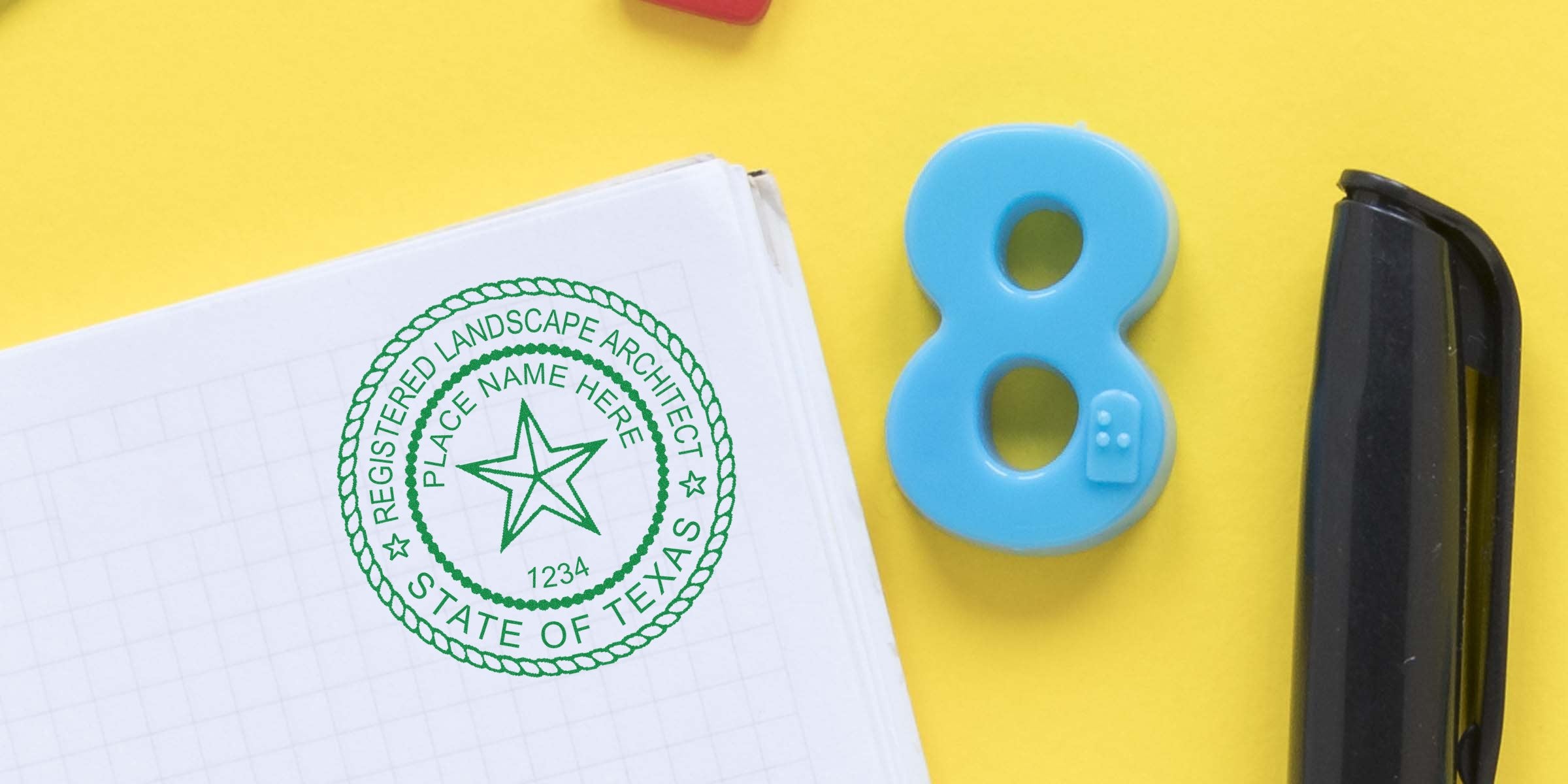
Understand the Texas Landscape Architect Seal Embosser
Choosing the right Texas landscape architect seal embosser can feel a bit like searching for the perfect tool in a crowded workshop. You know you need it, you know it needs to meet specific requirements, and you want it to last for years. But how do you figure out the best option for your practice, your style, and your budget? In this post, we’ll walk through what a seal embosser actually does, why it matters for Texas landscape architects, and how you can ensure yours ticks all the right boxes so you can focus on designing the next great outdoor space.
You already know this: in Texas, licensed landscape architects are required to stamp or seal certain official documents. That’s where an embosser—an instrument that crimps your professional information onto the page—enters the scene. A crisp seal on plans and documentation says, “I’m a pro who abides by regulations,” and that can help build confidence in your work. But there’s more to consider than just how a seal looks. We’ll cover functionality, compliance, and user experience, so you can pick a seal embosser that helps you meet Texas standards while keeping your workflow simple.
Know the Purpose of a Seal Embosser
So, why exactly do Texas landscape architects need a seal embosser instead of a stamped signature or a digital file? In short, the Texas Board of Architectural Examiners (TBAE) wants professionals to demonstrate authenticity on their project-related documents. The raised impression from an embosser proves that the document is legitimate, permanent, and free from easy duplication. While a stamp might also convey official status, many practitioners prefer the tactile and professional look of an embossed seal.
Embossing as a Trust Symbol
- Embossing is instantly recognizable because of the raised imprint.
- It signals that the document is created by a qualified landscape architect.
- It’s not easily altered or forged, adding another layer of protection.
If you’re new to the field, learning to use your official seal is part of meeting your professional responsibilities. There’s a lot of pride in pressing that seal on a set of plans. It’s your personal mark that says, “I stand by this design.”
Identify Key Design Features
Not all embossers are created equal. Some are designed for handheld use, while others are built for desktop stability. Before you commit to a particular model, consider where and how you plan to use it. Do you expect occasionally needing to emboss documents on-site—the trunk of your car doubling as a workstation? Or will you primarily use your seal at your office desk, with stacks of plans waiting for your signature?
Desktop vs. Handheld
- Desktop models typically offer more leverage, making it easier to press deeper into the paper.
- Handheld models are portable, but they might require more force from your hand or wrist.
Impression Depth and Orientation
Some embossers allow you to adjust the depth of the seal, which helps if you have thicker paper or different page margins. Also, consider orientation: do you prefer a library-style seal that embosses from the top edge, or one that works from the bottom edge of a sheet?
Consider Compliance with Texas Rules
Since you’re required by TBAE regulations to include essential details on your seal, be sure your embosser reflects those guidelines. Many states have specific elements—like your name, your license number, and the state you’re licensed in. Any old seal won’t do. It has to be the right design for Texas licensure.
Check the Official Requirements
If you’re looking for a quick rundown of what to include on your seal, be sure to visit the texas landscape architect stamp requirements. You’ll find a step-by-step guide for ensuring compliance with the relevant state regulations. Having the correct text and layout means you’re less likely to run into issues when you submit documents for official review.
Common Compliance Components
- The words “Texas” and “Landscape Architect”
- Your name as it appears on your license
- Your license number
- Necessary size and layout requirements
If your embosser doesn’t reflect the correct state wording or your exact license info, you might have to reorder or risk rejections from permitting authorities.
Evaluate Material and Durability
You want this seal embosser to last. Whether you just passed your licensure exam or you’re a seasoned architect looking for an upgrade, an embosser is an investment. Look for sturdy construction—solid metal frames, corrosion-resistant finishes, and reliable pivot points. Plastic-bodied embossers might work if you only stamp a handful of documents a month, but they can wear out faster if you’re regularly processing large volumes of paperwork.
Metal Construction Advantages
- Tends to produce a sharper, cleaner impression
- Usually resists bending or distortion over time
- Offers a heavier feel, which some architects find more stable
Considering Ergonomics
If you’re a high-volume user, you’ll appreciate a comfortable grip or a model that’s easy to press. A cheaper handle might lead to sore wrists after repeated use. Seek out embossers that advertise ergonomic design or additional leverage features.
Check Budget and Value
Let’s be honest. Your seal embosser probably isn’t the biggest financial decision you’ll make this year, but staying within budget is still important. The price range can vary widely, from budget-friendly models to premium desktop embossers with bells and whistles like adjustable impressions or reinforced handles.
What Affects Cost?
- Construction material (steel vs. plastic vs. alloy)
- Type (handheld vs. desktop)
- Special features (adjustable depth, ergonomic lever)
- Brand reputation
You could find a cheap embosser, but it may not hold up after a year. Balancing cost with quality usually leads to the best long-term value.
Compare Stamp Versus Seal
Maybe you’re thinking, “Why not just get a rubber stamp?” That’s an option—Texas does allow ink stamps for professional use if they meet the official design. However, the raised impression from a dedicated embosser can look more professional and is typically harder to replicate. Most landscape architects appreciate the classic feel of a crisp, embossed seal.
On the other hand, an ink stamp can be faster, especially when you have large quantities of documents to finalize. Some professionals even keep both on hand. The key is ensuring each meets the official standards. But if you lean toward tradition and want that distinctive tactile impression, the embosser will be your go-to.
Follow Best Practices for Embossing
Once you have your Texas landscape architect seal embosser, you’ll need to use it correctly to keep your documents looking sharp and professional. Embossing isn’t complicated, but a few best practices will save you frustration.
Positioning
Aim to place the seal near the bottom or corner of your document so it doesn’t obscure your carefully drawn plans. You want the seal to be visible, yet out of the main design area. Double-check the TBAE guidelines if there’s a required location for official submittals.
Prepping Your Document
- Make sure the paper is flat and free from folds or creases.
- Place the page in the embosser so the text aligns with the die.
- Press firmly and steadily to ensure a clean impression.
Checking Each Impression
Different paper thicknesses can affect how the raised image looks. Check the first few documents you emboss to confirm everything is nice and clear. If something looks off—for example, your license number is blurry—consider adjusting the paper placement or confirming the mechanism is in place correctly.
Restore or Replace When Needed
Like any mechanical tool, your seal embosser can wear down. With each impression, the metal dies slowly degrade. It might not be obvious after a few months, but if your final impressions start looking uneven, faint, or misaligned, that’s your cue to do some maintenance.
Maintenance Tips
- Clean the embosser occasionally with a soft cloth to remove paper dust.
- Check screws and joints to make sure they aren’t loose.
- Store it in a protective case or box, keeping the environment dry.
Sometimes tightened screws or a replacement die can extend the device’s life. If the wear is too extensive, retiring the unit for a new one might be more cost-effective. It’s frustrating to replace a tool, but having a legible seal is nonnegotiable if you’re running your practice by the book.
Why Choose Acorn Sales
Acorn Sales has been a trusted supplier of Texas landscape architect stamps and seals since 1964, and it’s easy to see why. Not only do they meet the official TBAE requirements, they also provide a free digital seal with your order. That means you’re covered if you ever need to add a digital copy to your documents. It’s a huge time-saver, especially when you have to email drawings or proposals.
Reputation and Experience
Having been in the business for over half a century, Acorn Sales has a proven track record for quality manufacturing and customer service. When you order an embosser, you can be confident it will match your licensing details accurately. For you, that translates into peace of mind: no worrying about redoing an order or scrambling to meet a submission deadline because the wording was spelled incorrectly.
Customization and Support
No two landscape architects are alike. Maybe you prefer a desktop style with a reinforced handle, or you need something portable. Acorn Sales stocks various options, and their customer service staff can help you decide which product aligns with your needs. If you have a question about adjusting the impression depth or verifying that your name is spelled exactly as on your license, they’re there to assist.
Understand Digital Possibilities
Even though this post focuses on physical embossers, you might occasionally need digital versions of your seal. Whether you’re finalizing PDFs or using specialized design software, digital seals can save you from printing everything out. However, the physical embosser is still vital for official, paper-based documents like site plans or legal contracts that must have the raised imprint.
Managing Hybrid Stamping
- Use the physical seal for in-person meetings and original documentation.
- Keep the digital seal on file for quick electronic submissions.
- Understand that TBAE may have guidelines on digital usage—read them carefully.
A hybrid approach lets you stay flexible. You can present a professional image regardless of whether your client wants a digital version or a hard copy they can hold in their hands.
Choose Your Optimal Embosser
Now that we’ve covered the essentials, how do you wrap up all this information and pick “the one”? It helps to write a quick list of your needs. Do you prefer portability, or do you want the extra leverage of a desktop model? Are you stamping dozens of sheets, or do you just need the occasional design to be sealed? Once you jot down the must-haves and nice-to-haves, your decision will be simpler.
Decision-Making Steps
- Confirm TBAE requirements (text, size, layout).
- Decide on handheld or desktop.
- Pick a reliable supplier—like Acorn Sales—for compliance and durability.
- Check if they offer a free digital seal for your convenience.
- Factor in your budget, remembering that cheaper units may not last.
The good news: once you have a solid embosser, it’s one less thing to worry about. You’ll be confident every document you send out meets state guidelines and presents a polished, professional image.
Summary and Next Steps
A Texas landscape architect seal embosser is more than a mere tool. It’s a statement of your professionalism, a tangible mark of authenticity on crucial documents. So take your time picking the right one. Put together a quick checklist—requirements, design preferences, budget—and make a decision you’ll be happy with for years to come.
If you need more details on official Texan guidelines, take a peek at the texas landscape architect stamp requirements. And when you’re ready to invest, consider Acorn Sales. They’ve been around since 1964, offer a free digital seal, and truly understand the needs of Texas landscape architects. You deserve a hassle-free experience and a seal that upholds your professional integrity, so why not trust a company that’s been committing to quality for decades?
Choosing the perfect seal embosser may feel daunting at first, but a little research and careful checking of Texas guidelines will ensure every document you sign meets the mark. With a trusted supplier, you’ll streamline your processes and present your work in the most professional light possible. Happy embossing!
Frequently Asked Questions
Do I really need a physical embosser if I have a digital seal?
It’s best to have both. Certain official documents must show the raised seal to comply with Texas regulations, while the digital seal is handy for electronic submissions.
How often should I replace or service my embosser?
This depends on usage volume. Routine checks for faint impressions or worn parts can help you decide if it needs replacement or a quick tune-up.
What if I change my name or license number?
You’ll need a new seal embosser that reflects your updated credentials. Past seals won’t be valid if the info doesn’t match your current license details.
Is it a problem if my embosser design is slightly different from another architect’s?
As long as you meet TBAE’s essential specs (name, license number, correct wording), variations in typeface or style are usually acceptable. Always verify with the board guidelines to avoid any issues.
Where can I find an approved design template for my seal?
Check your licensing board’s website or the specific texas landscape architect stamp requirements for sample designs that match official standards. You can also consult Acorn Sales, who can guide you toward the correct layout.








