
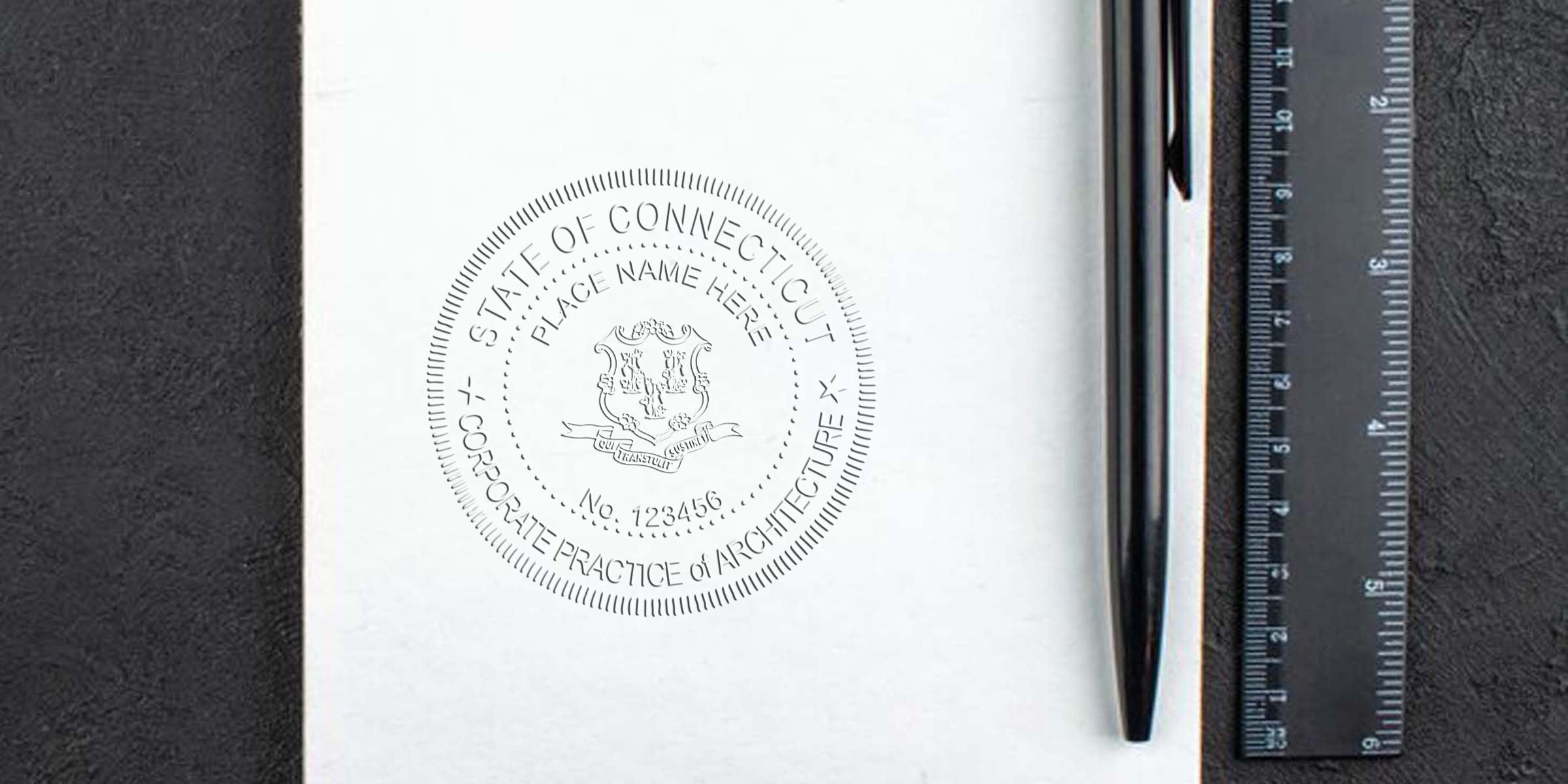
Review Connecticut Architect Stamp Laws
If you’re a Connecticut architect, you’ve likely wondered how to stay on top of state regulations without drowning in legal jargon. Fortunately, Connecticut architect stamp laws boil down to a few straightforward guidelines that help protect the integrity of your profession. You want to seal your documents properly, keep your license in good standing, and show your clients you follow professional standards. Below, let’s walk through what you need to know.
Confirm Your Professional Credentials
Before you ever press your seal onto a plan, double-check your license status so you’re 100 percent compliant. Connecticut requires architects to have a valid and active license. If your license has lapsed, or if you haven’t renewed on time, hitting documents with your stamp could lead to professional penalties you don’t want.
- Confirm your renewal deadlines yearly.
- Keep updated contact information on file with the state.
- Consider reminders in your calendar so you don’t miss important renewal dates.
Choose a Compliant Stamp Supplier
State laws also require that your seal meets specific design and text guidelines. That’s where a trusted stamp supplier can make all the difference. At Acorn Sales, we’ve been making professional stamps and seals for over 60 years. Our Connecticut Architect Stamps and Connecticut Architect Seals are crafted to meet the exact specifications you need.
- Enjoy quick turnaround times, so you get your seal faster.
- Avoid guesswork, because we focus on ensuring state compliance.
- Opt for digital architect stamps and seals if you want an efficient way to apply your seal electronically.
If you’d like more detail on what your seal must include, check out the connecticut architect stamp requirements for a clear breakdown.
Follow Proper Sealing Guidelines
Sealing is more than just pressing a stamp onto paper. Make sure you understand where and how often to place your seal so your documents remain valid.
- Sign each set of plans (along with your printed name) near the stamp.
- Use consistent ink color. Black ink is typical, but double-check if your local building authority has a preference.
- Never share your seal or digital stamp credentials, as each seal is meant just for you.
Maintain Records And Renewals
Staying organized might not be your favorite task, but it’s essential. You’ll want to archive stamped documents in a secure location and keep track of any changes to your license. Having a solid record of every sealed page can protect you from disputes and show you’ve followed all Connecticut regulations.
- Keep digital backups where possible, labeled with clear file names.
- Note project details (like the client and date) to track your documents quickly.
- Store your physical seal in a locked drawer when not in use.
Remember, you’re not just stamping a piece of paper. You’re validating your expertise and trusted professional standing. With the right Connecticut architect stamp, you can present your final documents confidently. If you have additional questions or need the perfect seal, Acorn Sales is here to help.
Frequently Asked Questions
Can I Let Someone Else Use My Stamp If I Supervise Them?
Sharing your stamp is a no-go. You alone are responsible for your seal, so letting another person use it, even under supervision, can jeopardize your license.
Is A Digital Seal Valid In Connecticut?
Yes. Digital architect stamps are allowed if they meet the same legal guidelines as physical seals. Acorn Sales offers digital options that conform to Connecticut standards.
What Happens If My License Expires?
You should not stamp or sign any architectural documents until your license is renewed. Continuing to seal plans with an expired license can lead to fines or disciplinary action.
Does The Stamp Ink Color Matter?
Typically, black ink is standard, but some municipalities may have their own guidelines. When in doubt, use black ink, or confirm with the authority requiring your plans.
Which Documents Must I Seal?
You’ll need to seal construction drawings, specifications, and any official plans that require architectural oversight. Always confirm local rules if you’re unsure about specific documents.








