
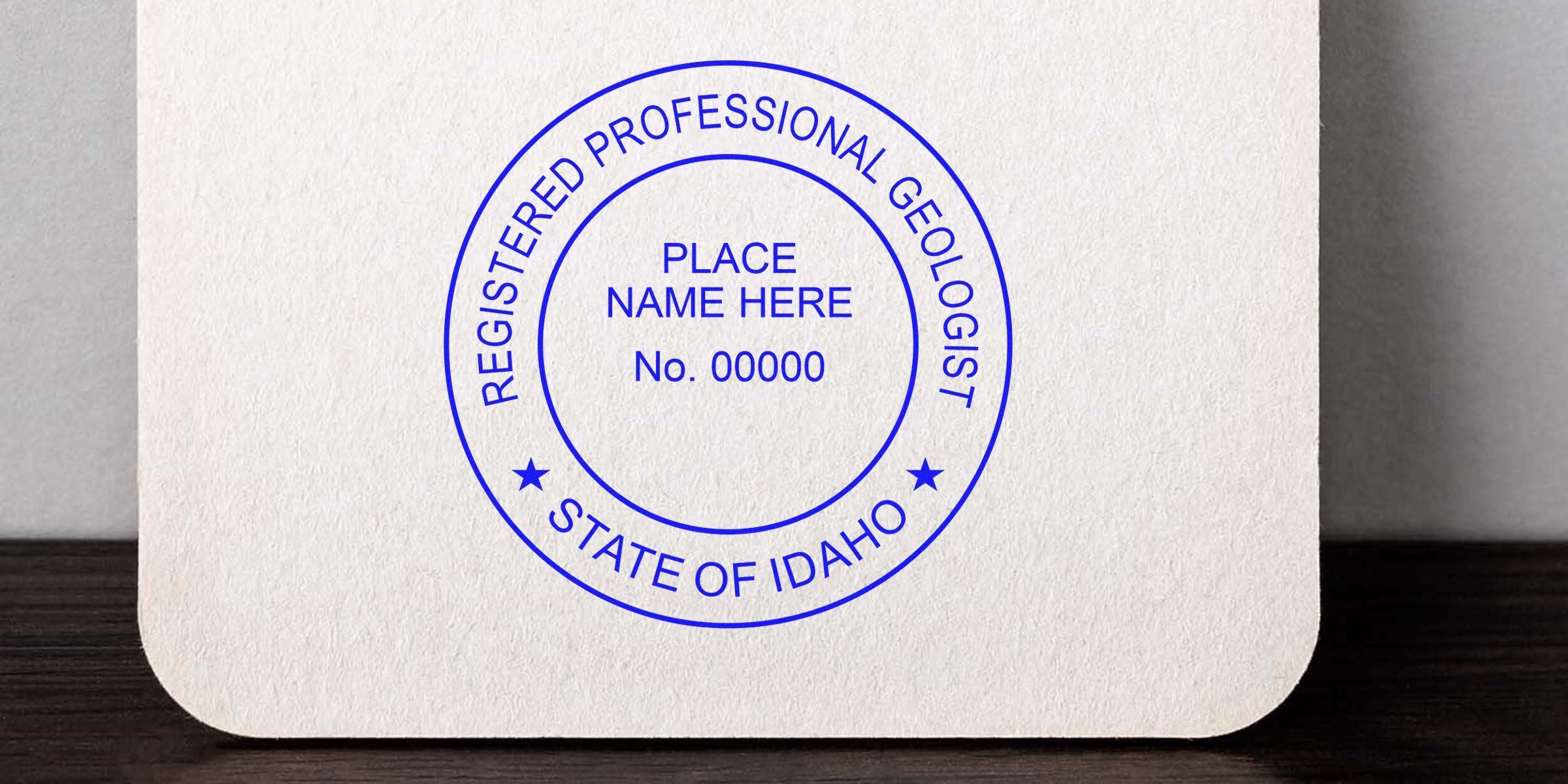
Designing your ideal Idaho geologist seal design might feel a bit overwhelming at first. After all, there are regulations to follow, layout choices to sort through, and materials to consider, right? The good news is that once you understand the basics, creating a seal that meets official requirements and reflects your professional identity becomes surprisingly straightforward. You’ll even find some fun ways to customize it to your taste.
In this article, you’ll explore how Idaho’s professional standards shape your seal, what to consider when choosing materials, and tips for caring for your stamp or embosser. Whether you’re a newly licensed geologist or you’ve been practicing for years, this overview will help you craft a seal design you’ll be proud to use every day.
Explore Idaho Geologist Seal Design
At the heart of every professional seal is a design that meets state regulations. In Idaho, licensed geologists are required to carry a seal or stamp bearing key details, such as your name and license number (sometimes called your registration number). The purpose is to formally authenticate and validate your geological documents, from reports to official drawings.
When you think about your Idaho geologist seal design, you’ll want it to be functional, but it can also look neat on your documents. That’s where customization choices come in. You can pick between a stamp or an embosser, and you can decide on certain flair elements, like fonts and layout, so long as they stay within Idaho’s guidelines.
Key Design Elements
- Your Full Name: Must match your license records.
- Your License Number: Must be legible and clear.
- State-Specific Text: This typically includes “State of Idaho” and references to your profession, such as “Professional Geologist.”
- Round or Rectangular Layout: Round seals are most common, though rectangular versions exist for specific design preferences.
By incorporating these elements, you’ll satisfy official Idaho geologist rules while ensuring the design looks sharp. If you’re ever uncertain about precise design requirements, it’s best to review the official guidelines or consult with a trusted supplier who knows Idaho geologist standards front to back.
Learn About Idaho Requirements
Before you finalize your seal design, you’ll want to get up to speed on all the Idaho-specific requirements. These are outlined by the state’s licensing board and can sometimes be updated, so always double-check the latest regulations. Each state board sets its own guidelines, and Idaho is no exception. The main focus is making sure your seal is easily readable, properly labeled, and not prone to forgery.
To get a deeper look at the essentials, take a moment to review the Idaho geologist stamp requirements. This resource highlights key points such as dimension guidelines, wording, and usage rules. Because your seal’s validity hinges on adherence to these standards, it’s a good idea to keep these details on hand.
Typical Compliance Factors
- Clear Wording: The text must accurately reflect your profession as a geologist.
- Legibility: The entire seal must be easily readable.
- Proper Dimensions: Most seals are around two inches in diameter for easy stamping.
- Official Letters or Abbreviations: Some states specify certain abbreviations, so verify you’re using any mandated text accurately.
Staying compliant might sound like extra work, but think of it as your professional safety net. It’s a way to ensure every set of plans, reports, or documents you produce is recognized as official and reliable.
Pick the Right Materials
Even the best seal design isn’t very helpful if the physical impression comes out smudged or poorly embossed. That’s why your first major decision is usually between a self-inking stamp, a pre-inked stamp, or an embosser. Each choice offers convenience, clarity, and durability, but the best option depends on your day-to-day workflow.
-
Self-Inking Stamp
- Built-in ink pad for quick, repeated use.
- Typically lasts several thousand impressions before the ink pad needs replacing.
- Produces crisp, easy-to-read seals with minimal effort.
-
Pre-Inked Stamp
- Uses a special reservoir of ink for a high-quality impression.
- Often offers a slightly sharper look than self-inking designs.
- Can handle a large volume of impressions before fading.
-
Embosser
- Crimps the paper, creating a raised seal with no ink needed.
- Makes an elegant impression that’s tough to replicate or alter.
- Sometimes requires more pressure to ensure a clean imprint, especially with thicker paper.
Paper vs. Electronic Use
While physical impressions are standard for official documents, you might also need to provide electronic versions of your seal. In many states, and likely in Idaho, you’re allowed to use an electronic seal on digital drawings or PDFs, as long as it follows the same rules as your physical seal. Some suppliers, including Acorn Sales, offer a free electronic seal when you purchase a physical stamp or embosser. This perk can save you time (and money) when you’re finalizing digital documents for review.
Design the Seal Layout
Now for the fun part: customizing your seal so that it’s 100 percent your style. In Idaho, the core elements (your name, your license number, and official identifying text) are standardized, but you have some wiggle room for typographic flourishes, spacing, and arrangement. You can even decide if you want a round or rectangular seal, as long as it’s within the state guidelines.
Typography and Spacing Tips
- Font Choice: Clean, easy-to-read fonts like Arial or Times are common, though a slightly more decorative font can work if it remains legible.
- Size Matters: Don’t squeeze your name and license number too close. Adequate spacing helps avoid blur when stamping or embossing.
- File Format: If you’re submitting a design or using a custom service, it’s best to have a high-resolution file. This ensures that the lines and text stay crisp in the final product.
Optional Border Details
Most seals have a border circle (or rectangle) encasing the text. If you want to stand out, you can add subtle design elements within the border, like a slight pattern or a simple line detail. Just be sure not to clutter the layout or obscure crucial text.
Order and Care Tips
Once you’re ready to place your order, give your chosen supplier the exact details you want on your seal. If you’re working with an experienced company that has created Idaho geologist seals before, they’ll typically guide you and confirm you’re following all the rules.
Ordering Steps
-
Gather Your Details
- Full name as it appears on your license
- Correct license number
- Format preference (round, rectangular)
-
Select a Platform (Stamp or Embosser)
- Decide between self-inking, pre-inked, or an embosser.
- Consider how often you’ll use it and where you’ll apply it.
-
Complete Your Proof
- Review the digital proof of your seal.
- Double-check spelling, number placement, and spacing.
-
Confirm and Checkout
- Provide shipping info and finalize your payment details.
- If the supplier offers a free electronic seal, be sure to add that to your cart.
Maintenance Essentials
- Store Properly: Keep your stamp in a cool, dry place to prevent ink evaporation or rubber damage. If you have an embosser, keep the parts free of dust.
- Refill Ink Pads: Self-inking or pre-inked stamps eventually need refills. Follow the manufacturer’s instructions to avoid over-inking.
- Test Regularly: Give a quick test stamp or emboss on scrap paper now and then. This helps you catch any clarity issues early.
A little bit of care goes a long way. By maintaining your seal, you’re ensuring that each impression remains a clean, professional mark that represents you well.
Partner With Trusted Suppliers
Here’s the thing: your seal is only as good as the company that makes it. From design accuracy to craftsmanship, you need a reliable partner who understands Idaho geologist requirements. That’s where a reputable provider becomes essential.
At Acorn Sales, we’ve been in business since 1964 and specialize in stamps and seals for professionals across multiple industries. It’s our job to confirm that your seal meets Idaho guidelines, produce a quality product, and provide you with a free electronic seal so you can handle digital documents, too. We know how important your professional credibility is, and we’re here to take the guesswork out of the process.
So, as you shop around, look for a company that has a solid track record, uses quality materials, and offers clear communication. If you can find good reviews from other Idaho geologists, that’s even better. You want your seal to last for years, and you want the peace of mind that it follows official standards.
To double-check technical details, recommended sizes, or updates to state regulations, visit the Idaho geologist stamp requirements. If you still have questions, your licensing board is a great resource, as is a trusted supplier like Acorn Sales.
By following Idaho’s guidelines, paying attention to legibility, and partnering with a reliable stamp provider, you’ll end up with a geologist seal that feels right at home on any report or document you produce. A perfectly designed, properly cared-for seal can boost your professional credibility and make your daily workflow more efficient.
Ready to get started? Take a few minutes today to browse your seal format options and confirm you have all your license details on hand. Then go ahead and finalize that Idaho geologist seal design so you can stamp or emboss with confidence. If you have any clever tips or personal experiences with ordering and designing your seal, feel free to share. You never know who needs that spark of insight to design their perfect seal next. Happy stamping!
Frequently Asked Questions
Do I have to use a specific shape for my Idaho geologist seal?
According to Idaho regulations, round seals are most common and generally expected, but you can choose a rectangular shape if you prefer, as long as the required text is still legible, properly placed, and meets the board’s guidelines.
Can I incorporate unique design elements, like color?
Colorful ink or unique borders can be a nice touch if you want your Colorado or Washington seals to stand out, but for Idaho geologists, you’ll usually stick to plain black ink for clarity. Simple design flourishes in the border are possible, but keep it professional so no text is obscured.
Do I need a physical seal if I only plan to submit digital documents?
Yes. Even if you produce mostly digital documents, Idaho typically requires you to own a physical seal. The benefit is that you can authenticate hard-copy documents whenever needed, while your free electronic seal can handle digital submissions.
What’s the difference between pre-inked and self-inking stamps?
A self-inking stamp has a built-in ink pad that flips against the die each time you press down. A pre-inked stamp, on the other hand, holds ink within the stamp’s body, allowing it to seep through the die. Both options deliver crisp impressions, but pre-inked stamps often produce slightly sharper lines.








