
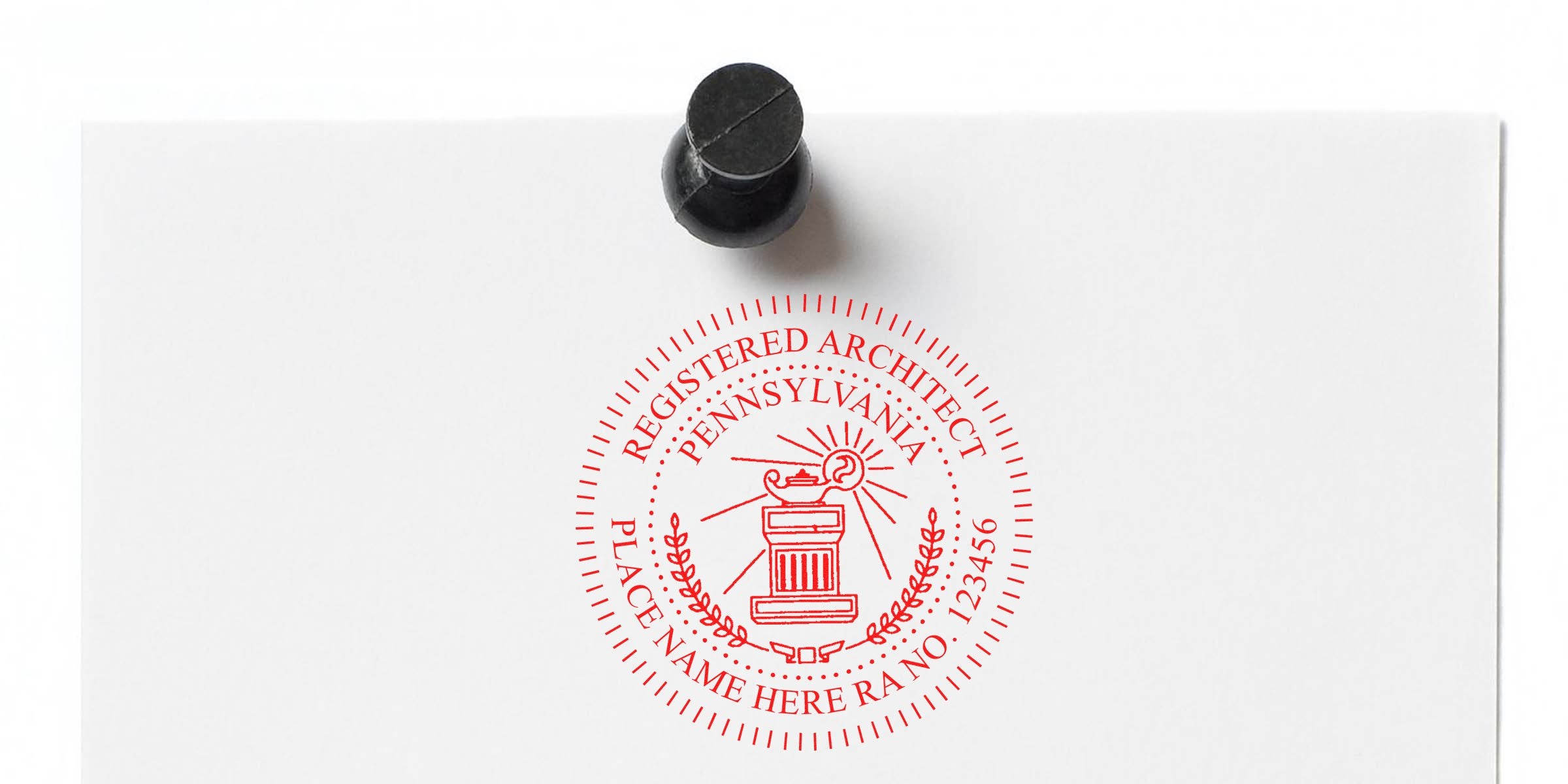
Designing the perfect Pennsylvania architect seal is a key step that showcases both your professional identity and your compliance with state regulations. By focusing on clarity, accuracy, and durability, you’ll ensure your seal holds up in every project you take on. Below, you’ll find practical tips to guide you through each stage of creating and maintaining your seal.
Start With Compliance Basics
To begin, it helps to confirm you meet all state-specific guidelines. Pennsylvania typically requires certain information on your seal, including your name, your license number, and the phrase “Registered Architect.” If you’re not certain about the exact rules, double-check the pennsylvania architect stamp requirements to be sure you’re on the right track.
- Verify that your license details match official records
- Make sure the words “Commonwealth of Pennsylvania” or “State of Pennsylvania” appear correctly
- Use legible typography so officials and clients can read it easily
Incorporate Key Design Elements
Successfully creating your Pennsylvania architect seal design means balancing a professional look with the necessary legal details. Consider these pointers:
- Stick to standard shapes like circles or ovals for quick recognition
- Use fonts that are clear and spaced well, so your letters don’t blur
- Opt for crisp black ink for easy scanning and photocopying
If you also need a digital version, remember to keep the resolution high enough that any official review or printing won’t distort your seal.
Maintain Your Architect Seal
Once you have your seal, regular upkeep helps you avoid any compliance issues. You don’t want smudged ink or a worn-out impression that makes your credentials look questionable.
- Store your stamp somewhere cool and dry to keep the rubber from warping
- Double-check your imprint now and then to confirm it’s still sharp and readable
- Update your seal if any personal or professional details change
Where to Turn for Your Seal
When you’re ready to get your stamp, you deserve a trusted partner who understands Pennsylvania requirements inside and out. That’s where Acorn Sales comes in. We’ve been making state-compliant stamps and seals for over 60 years. If you need a Pennsylvania Architect Stamp, Digital Architect Seal, or PA Architectural Seal Stamp, we have you covered. Plus, we offer a quick turnaround so you can focus on designing and signing off on projects without delay.
By following these guidelines for your Pennsylvania architect seal design, you’ll not only keep your practice aligned with state requirements but also present a polished, professional image to clients. Remember, even small details make a big difference in demonstrating your credibility. Once your seal is set, you can confidently stamp all your project documents, knowing you’re in full compliance.
Frequently Asked Questions
Do I really need a physical seal if I also use a digital seal?
Sometimes yes. Pennsylvania’s regulations often require a physical stamp for certain documents, although digital seals are accepted for electronic submissions. It’s wise to keep both on hand.
What happens if I change my name or license number?
You’ll need a revised seal to match any official updates. A mismatch can invalidate your documents.
Is a pre-inked stamp or a self-inking stamp better?
Both can work well. Pre-inked stamps typically provide a slightly crisper impression, while self-inking stamps offer convenience. It comes down to personal preference.
Why does the ink color matter?
Black ink is commonly recommended for clarity. It scans well, makes photocopies look sharp, and meets most official standards.
Can I design my own seal artwork?
You can design something that meets Pennsylvania regulations, but double-check with a reliable supplier who will ensure the final layout is compliant.
What if my seal impression is rejected?
Always confirm your seal is up to date and accurate. If officials reject it for any detail, contact a trusted supplier like Acorn Sales to adjust the design or replace the stamp.








