
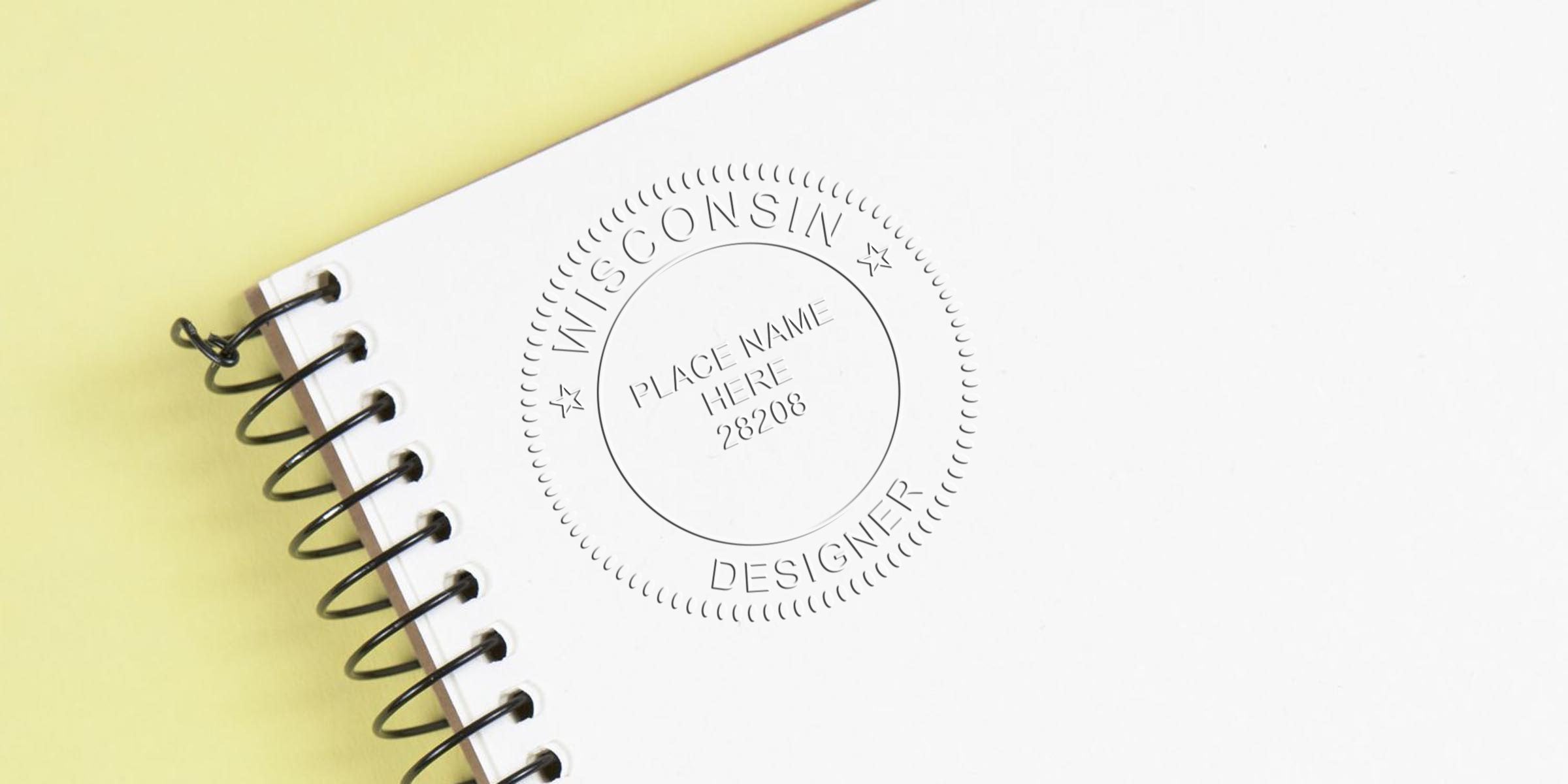
Recognize the Importance
When you begin your career as a professional interior designer in Wisconsin, one of the most critical administrative steps is ensuring you have a valid, well-crafted Wisconsin interior designer stamp design. This stamp or seal represents your authority under state regulations and assures clients and government bodies that you stand by your work. It might sound like just another bureaucratic hoop, but think of it as a mark of professionalism. It also signals to homeowners and contractors that you adhere to recognized Wisconsin interior designer guidelines every time you sign those drawings.
Stamps and seals have a long history in various fields, from architecture to engineering. For Wisconsin interior designers, a personalized seal indicates you’ve met state licensing requirements. It’s a quick way for reviewers or local building departments to check that your credentials are up-to-date. Getting your seal right—both visually and in compliance with the rules—doesn’t have to be complicated. All you need is clarity on what the state demands and a plan to design or purchase the perfect stamp.
Follow the Wisconsin Rules
Before you jump into any design ideas, it’s essential to understand Wisconsin’s legal requirements for interior designer stamps and seals. The state wants to ensure your stamp is easy to read, consistent, and placed properly on all professional documents. At the core, your seal must verify that your license or registration is valid. Most guidelines revolve around clarity and identifying information, so anyone looking at your drawings can confirm they’ve been prepared by a properly credentialed interior designer.
What specific elements should your seal or stamp feature? Typically, you’d expect:
- Your name or business name as it appears on your official license.
- A clear statement of your credential (e.g., “Registered Interior Designer”).
- Any unique registration number required by the Wisconsin regulatory board.
- The word “Wisconsin” or “WI” to confirm the jurisdiction.
Some states require specific shapes or sizes, but Wisconsin rules often focus on readability instead of demanding a particular seal size. That said, many professionals opt for a circle about 1 ⅝ inches in diameter for easy placement on standard drawing sheets. It’s large enough to stay legible, but not so big that it distracts from the design details on your plans.
Beyond shape and size, you’ll also want to stay consistent in how the seal appears on your documents. If you’re stamping digital drawings, ensure the stamp’s lines and text remain crisp when printed. If you’re stamping physical documents, double-check that your ink is bold and does not smear. Consistency is reassuring to building officials and helps maintain your professional image.
Outline Your Stamp Layout
Once you know the rules, it’s time to create a layout that works best for you. Think of your seal as part form and part function. You want it to look professional and clean, while still including all legally required details. Because we’re talking about a Wisconsin interior designer stamp, your design or arrangement might contain your full name in the top or bottom arc, with your license number running right under it.
Below is a quick reference table you can use as you brainstorm:
| Element | Suggested Placement | Why It Matters |
|---|---|---|
| Name/Business Name | Top arc-center | Immediate recognition of identity |
| "Registered Interior Designer" | Center or bottom arc | Shows legitimacy and registration |
| License Number | Beneath your name | Quick confirmation of credentials |
| "Wisconsin" or "WI" | Bottom arc-center | Clearly identifies state jurisdiction |
Once you’re happy with your draft layout, check it against any style requirements in your industry circles or with local authorities. For instance, some city building departments may prefer a specific orientation. You could ask colleagues or experienced mentors if they’ve noticed any preferences among local jurisdictions. That way, you’ll avoid the hassle of re-doing your stamp after initial rejection.
Also, don’t forget to consider clarity for both large-format design sheets and smaller documents. If you’re stamping an 8.5" x 11" paper, a highly detailed, intricate boundary on your seal could become hard to read when reproduced. Simplicity is typically the safest path: crisp lines, readable text, and a simple border.
Choose a Trusted Supplier
A well-made stamp or seal leaves a good impression in more ways than one. When you’re ready to purchase the real deal, it’s wise to go with a reputable company that knows the ins and outs of Wisconsin interior designer requirements. One such supplier is Acorn Sales, which has been in business since 1964. Over the years, they’ve perfected the process of delivering high-quality stamps and seals for professionals.
With Acorn Sales, you’ll also get a free digital seal included with every order. This helps if you frequently submit electronic drawings or prefer digital stamping to speed up your workflow. That’s especially useful when you manage projects in multiple locations or have a tight schedule. You can easily apply your digital seal, ensuring that your documents remain compliant without delays in printing or mailing.
There’s also peace of mind when you choose an established supplier. If you need repairs, adjustments, or even a reordering of your stamp, you can rely on experienced customer support. Working with a reputable brand helps you avoid cheap knock-offs that might deteriorate after just a few uses.
If you want more details about specific stamp types, feel free to look into the Wisconsin Interior Designer Stamp resource. It’s a solid reference on materials and varying design choices that maintain compliance with Wisconsin guidelines. Browsing through some examples can also spark ideas for your own layout.
Tips for Selecting the Right Stamp
- Consider whether you’ll be stamping mostly paper or a variety of materials.
- Check if you need extra accessories, like replacement ink pads, to keep stamps crisp.
- Ask about warranty or return policies in case you need changes.
- Inquire about electromagnetic stamps for large-scale copying or specialized printing processes.
You want to strike that ideal balance between staying within Wisconsin’s rules and showcasing your identity as a designer. A top-tier supplier will help you align form and function.
Wrap Up and Next Steps
Your stamp symbolizes much more than just ink on paper. It’s a beacon of authenticity, signaling to clients and officials that you’re a skilled and recognized professional in Wisconsin. By focusing on a clear layout, meeting state guidelines, and selecting a trusted supplier, you’ll set yourself up for success. Even in the age of digital plans, a physical seal is often required for certain legal documents and official submittals. When your stamp is crisp, legible, and includes all mandated details, you’re showing the world that your firm or personal practice operates at the highest level of professionalism.
Now that you know how to craft a compliant and visually appealing design, you’re ready to move forward. If you still have questions or just want to see additional samples, take a look at the Wisconsin Interior Designer Stamp resources. You’ll find plenty of guidance there, including tips on format selection and best practices for usage.
Remember, investing in a reliable stamp from Acorn Sales—an experienced name in the business since 1964—can make all the difference. You get a free digital stamp for convenience, access to dedicated support, and products designed to meet Wisconsin standards. That’s a small step that elevates your credibility in front of clients and colleagues. Once you have your stamp in hand, you’re set to confidently sign every drawing, calculation, and project guideline that crosses your desk. Happy designing!
Frequently Asked Questions
Do I have to use a specific shape for my Wisconsin interior designer seal?
There’s usually no mandated shape in Wisconsin, but round seals of about 1 ⅝ inches in diameter are popular for readability. Rectangular or square seals are sometimes allowed, too, as long as all the required text is visible.
What if my legal name is too long to fit attractively on the seal?
You can work with your supplier to adjust font size or text orientation. Just ensure your name appears exactly as it’s registered with the state so there’s no confusion about the stamp’s authenticity.
Do I need a separate seal for digital documents?
Many professionals use a digital file of their stamp to place on PDFs or CAD plans. Companies like Acorn Sales provide a free digital version, making it easy to maintain consistency between physical and electronic documents.
Can I customize my seal with extra elements like a border design or logo?
Typically, you can add small details as long as mandatory text remains clear. However, local authorities might have guidelines against logos overshadowing the licensing details. Keep the design tasteful so it doesn’t dilute the official purpose.
How often should I recheck my stamp details for accuracy?
Revisit the information whenever you renew your license or any business details change, such as switching from a maiden name to a married name. You want to ensure your contact details and license information always match state records.








