
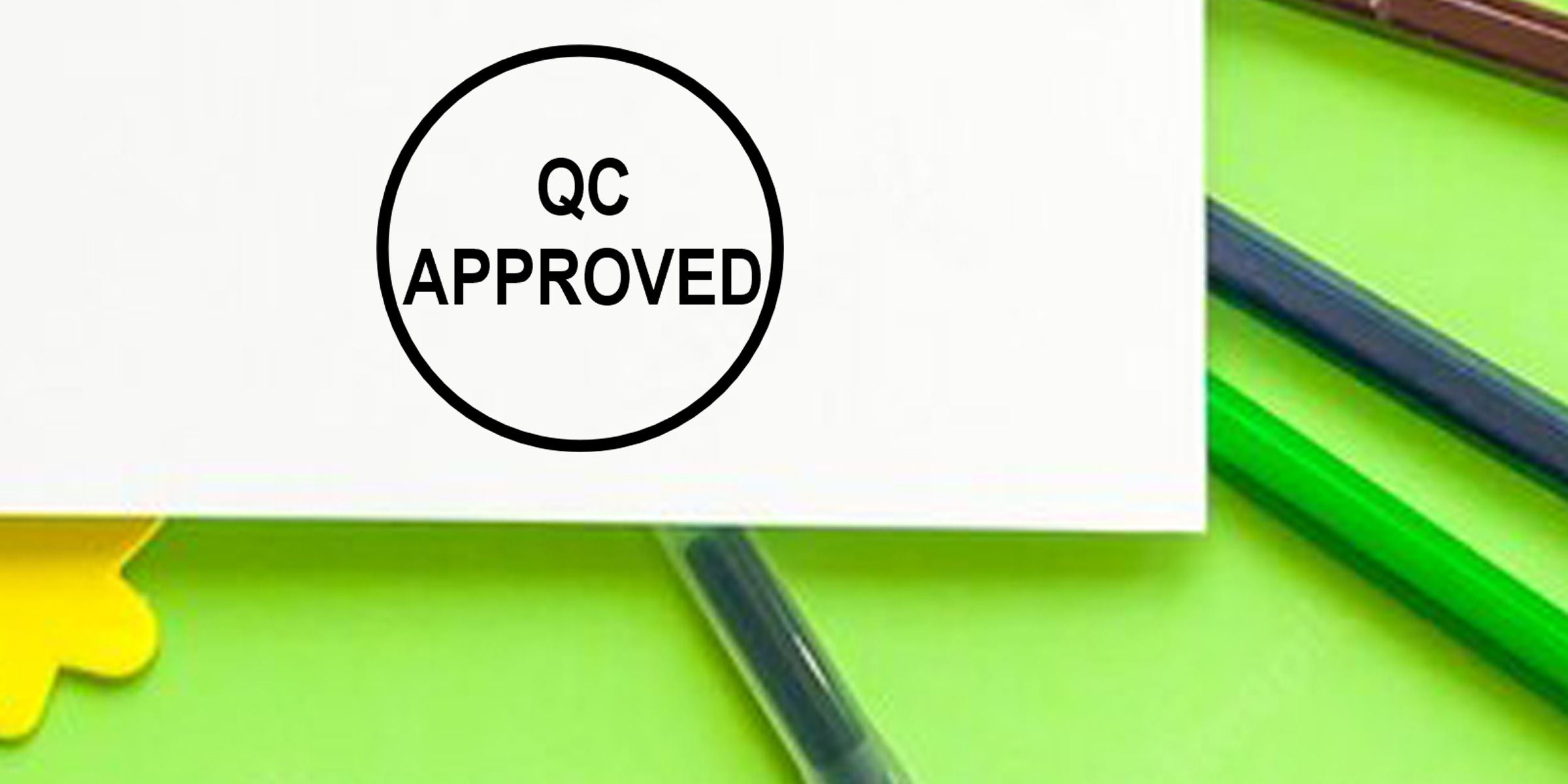
Understand Custom Inspection Stamps
When you’re dealing with tight production schedules or strict laboratory protocols, a dependable tool that clearly marks items as pass or fail can make your day run more smoothly. That’s where custom inspection stamps for pass/fail come in handy. They’re specialized stamps that let you quickly label products, documents, or parts according to your internal quality standards. Essentially, you’re swapping messy handwriting or improvised markings for a polished, uniform stamp that streamlines your quality checks.
But custom inspection stamps can be more than just basic pass/fail markers. You can include your company logo, date fields, or unique codes so you can trace each item to its appropriate batch. Whether you’re verifying finished goods in a warehouse or approving lab samples, these stamps give you a clear, visual way to share results with your team.
Here’s the key point: custom inspection stamps can help you save time and reduce human error by bringing consistency to your entire process. Once you’ve got your stamp design in place, you can verify items in seconds. Faster approvals ultimately mean faster shipping or filing, which leads to satisfied clients and smoother day-to-day operations.
Why Pass/Fail Markings Are Essential
You might wonder: do you really need formal stamps to say “pass” or “fail”? Fair question. After all, you could scribble a checkmark or an “X” by hand. However, a standardized pass/fail marking helps prevent confusion, especially when multiple people review the same part or document. Plus, it’s harder to tamper with or misread a bold ink stamp. If your team is juggling dozens or hundreds of items in a day, you’ll appreciate how quickly these stamps cut through the noise.
- Consistency: Everyone knows precisely which items meet the standards and which ones don’t.
- Accountability: A customized stamp can show who performed the inspection, making it easier to track performance and feedback.
- Professional Appearance: Handwritten notes can look messy. A neatly designed pass/fail stamp appears more credible and is easier to spot at a glance.
- Compliance: Many industries require itemized approvals or rejections. Proper stamps ensure you’re following those regulations without extra hassle.
Whether you’re in manufacturing, QA labs, or a medical facility, pass/fail stamps provide a uniform way to confirm each item’s status. Your colleagues, clients, or regulatory bodies will appreciate the clarity.
Design Your Optimal Stamp
Having a custom inspection stamp that fits your exact process is invaluable. You might use a simple two-word pass/fail design, or go for something more in-depth, like your company’s logo plus a date line. Below are a few pointers on how you can tailor your stamp to fit your needs:
Choose Your Wording
First things first: do you want just “PASS” and “FAIL,” or do you need more specialized text like “Approved,” “Rejected,” or “QC OK”? Maybe you handle specialized processes that require extra notes, such as “Sterile” or “Tested.” This decision usually depends on your industry and daily workflow. If you’re not sure, consider practicing with trial labels to see what resonates with your team.
Add Branding or Logos
A splash of branding can go a long way toward looking professional. If you’re working in a setting where your stamp impressions end up on key documents, shipping labels, or archived materials, a recognizable logo helps you stand out. It also signals that you’re taking quality control seriously. Should you prefer discreet branding, you could go with a small company logo, even if it’s just a monochrome design.
Include Dates or Reference Codes
You might want your stamps to show the date of inspection or an internal reference number. This practice is especially common in industries that require thorough documentation, such as pharmaceuticals or aerospace. If your inspections need precise record-keeping, consider adding a small text field that your team can fill in each time you stamp. Or think about a rotating date mechanism that automatically aligns the correct date for you. That way, you’ll get an instant, verifiable timestamp.
Factor In Stamp Size
Always keep your physical space in mind. Are you stamping large boxes, small product labels, or official documents? If your stamp is too big, you’ll waste valuable label space. But if it’s too small, the text might be hard to read. Also, consider whether you prefer a handheld self-inking stamp or a pre-inked model. Each offers different benefits in terms of clarity and re-inking frequency.
When you plan these details carefully, you’ll end up with something that not only marks an item as pass/fail, but also supports traceability and brand appearance.
Increase Efficiency In Daily Use
A custom inspection stamp for pass/fail can become an unsung hero of your quality control process, but only if you use it effectively. Here are some tips that might help:
Organize Your Workflow
Set up designated areas where items move from “pending inspection” to “approved” or “rejected.” Position your stamp right where you need it most—perhaps near a workstation or close to a final packaging table. By making the stamp accessible, you cut down on time wasted searching for the right tool.
Train Your Team
Get your crew on the same page. Explain how to handle the stamps (especially date or code adjustments if those are included), as well as where to store them after each shift. A quick, five-minute rundown can prevent smudged impressions, missing ink pads, or confusion about how to interpret the stamped message.
Prevent Errors
Nobody likes to see a pass mark on a defective item or a fail mark on something that meets every spec. To avoid mix-ups, create a quick reference chart that shows what each stamp impression means. You could even assign color-coded stamps for different inspection levels—say, green ink for pass, red for fail—so it’s immediately obvious if something is good to go or needs further review.
Keep It Clean
Smudgy or unclear stamp impressions are a nuisance. Wipe the stamp head occasionally—but be gentle—so leftover ink or debris doesn’t interfere with your next stamp. If you start seeing blurred impressions, it’s likely time to replace the ink pad or re-ink the stamp.
Following these simple steps ensures that your pass/fail stamp usage becomes second nature for you and your team.
Maintain And Care For Your Stamps
Like any frequently used tool, your custom inspection stamps can’t run at 100% forever without some TLC. Proper maintenance keeps ink impressions crisp and your stamping process as quick as possible.
Clean The Die Plate Regularly
If ink residue accumulates on the rubber or polymer die plate, your stamp impressions might end up blotchy. Use a damp cloth or specially formulated stamp cleaner for a quick wipe.Re-Ink Before It’s Too Late
Waiting until your seal is completely dry risks faint or half-missing impressions. Once you notice the ink getting lighter, refill or replace the ink pad. Be careful not to over-ink—too much can lead to dripping or smudges.Store Stamps Upright
Avoid tossing your stamp into a drawer where it might store ink sideways, risking dried-out areas or leaks. Instead, place it in a stable, upright holder. Some stamps come with plastic covers or built-in stands to make storage easier.Keep Them Away From Heat
High temperatures can dry ink prematurely or warp your stamp’s materials. If you work in a hot environment, consider storing your stamps in a cooler spot. You’ll extend their lifespan and maintain crisp impressions.
Proper care means fewer disruptions. You won’t be scrambling for replacements or dealing with lopsided prints in the middle of a busy shift.
Select The Right Supplier
Not all stamps are created equal, and you want a reliable partner who ensures top-notch quality. At Acorn Sales, we’ve been making custom stamps and seals since 1964, delivering quick turnaround times alongside stellar customer service. For over 60 years, we’ve helped everyone from small labs to major industrial plants find the perfect inspection solutions.
Feel free to explore other stamp makers as well, but keep an eye on factors like product quality, availability of customization options, and customer reviews. You want to see a solid track record of reliability and a reputation for attention to detail—especially if you need specific features like date bands, advanced ink formulas, or unique engravings.
If you’re curious about more ways to customize your own inspection tool, don’t hesitate to check out personalized inspection stamps. They’re a solid starting point if you want additional text fields, brand details, or color-coded designs that go beyond the classic pass/fail. Or, if your operation requires automated labeling, you might consider custom quality control stamps with specialized numbering features.
Key Questions To Ask A Potential Supplier
- What’s your typical turnaround time?
- Can you include our company logo or date bands in the design?
- Do you offer design proofs before finalizing orders?
- What’s your return or replacement policy if the stamp isn’t up to our standards?
By clarifying these points ahead of time, you’ll ensure you’re getting a stamp that’s tailor-made for your day-to-day operations. And with a trustworthy supplier, you can count on steady reorders and the occasional tweak to the design without any headaches.
Discover Other Pass/Fail Applications
While most people think about pass/fail stamps for final product inspections in manufacturing, you can also use them in other interesting ways. Here are a few you might not have considered:
- Laboratory Testing: Quickly mark lab samples that either meet or fail certain chemical or physical criteria.
- Documentation Reviews: If you process a lot of paperwork, you can stamp them as pass/fail versions to confirm readiness for the next stage. For instance, you might want to look into custom inspection stamps for documentation.
- Warehouse Logistics: Stamp shipments or incoming loads as passed inspection. Likewise, you can mark faulty goods for immediate return to the supplier. Check out custom inspection stamps for warehouses if you manage large storage facilities.
- Education or Training: For internal training materials or practice tests in corporate scenarios, you could adopt pass/fail stamps to give quick, clear feedback.
When you broaden how you use pass/fail stamps, you open new doors for time-saving processes. Explore your departmental or project needs, and see where a simple, recognizable stamp could eliminate guesswork.
Integrate Into Your Workflow Seamlessly
You don’t want your new inspection stamps to feel awkward or out of place. To truly simplify your process, map out where these stamps best fit in the sequence of tasks. Are you finalizing each product on a conveyor belt, or maybe evaluating documentation at a desk?
Create A Step-By-Step Flow
Imagine your daily routine. Maybe items enter the facility, get tested in a lab, move to a QA station, and then proceed to the packaging area. Insert your pass/fail stamp protocol right after the pertinent checks. If an item passes, you stamp it and place it in the “approved” pile. If it fails, you stamp it and move it aside for further review.
Label Storage Bins
It may help to create labeled bins or shelves for each category—passed items, failed items, or items waiting for additional tests. When lightly used or questionable items need reevaluation, you can easily find them due to that big fail stamp. Plus, everyone else on your team can spot them at a glance.
Adopt Digital Tracking When Needed
Stamps alone don’t solve every recording requirement. If your industry demands extensive digital logs, you can integrate your stamps by taking photos of each pass/fail item or scanning them into a system. The physical stamp ensures you can quickly verify an item’s status in person, but your digital tracking keeps a central record that you can reference anytime.
This kind of hybrid approach—physical stamping plus digital logging—can bring you the ultimate balance of efficiency and accuracy.
Compare Ink And Stamp Options
You might think a stamp is just a stamp, but there’s variety in the materials, ink types, and styles. Consider these differences:
| Stamp Type | Characteristics | Ideal Use |
|---|---|---|
| Self-Inking Stamp | Built-in ink pad, re-inks automatically with each press | Faster stamping, minimal mess |
| Pre-Inked Stamp | Ink stored in the stamp’s text plate, yields crisp impressions | Best for high-volume tasks needing sharp images |
| Traditional Rubber Stamp | Requires separate ink pad, usually more versatile design choices | Good for occasional use or specialized ink colors |
| Specialty Stamps | May include date wheels, rotating bands, or quick-change text plates | Perfect for multi-message or time-sensitive labeling |
Once you know what you need, it’s easier to zero in on the right style. If you’re stamping hundreds of times daily, a self-inking or pre-inked model will likely save you valuable seconds. But if you’re dealing with odd surfaces or unique inks (like quick-dry or permanent types), you might need a more specialized approach.
Consider Industry-Specific Requirements
In some fields, it’s not enough to simply say “pass” or “fail.” Your stamps might need specific FDA wording, ISO standards, or compliance disclaimers. For instance, in pharmaceutical labs, each stage of testing might require unique stamps to indicate which protocol was used.
- Medical or Biotech: If you’re dealing with sterile items, you might need a specialized ink that's safe for your materials.
- Electronics: Products could require anti-static packaging, so your stamp or ink shouldn’t produce static charges.
- Food and Beverage: Ensure the ink you use is food-safe if there’s any chance of direct or indirect contact with edibles.
In these scenarios, it’s crucial to clarify your compliance needs, especially if certain types of ink are regulated. That’s why a reputable supplier (like Acorn Sales) can offer specialized advice, ensuring you comply with all relevant laws and regulations before finalizing your design.
Tailor Stamps To Different Departments
Let’s say you have multiple stages of inspection—raw materials, in-process items, and final checks. Instead of using the same pass/fail stamp everywhere, you might consider department-specific stamps:
- Production: Custom inspection stamps for manufacturing that mark items before they move to assembly.
- Packaging: Custom inspection stamps for packaging that confirm packaging integrity.
- Receiving: Custom inspection stamps for receiving that ensure shipments arrive in good condition.
Having different stamps for each department cuts down on confusion. It also provides a clear audit trail when questions about quality crop up.
Boost Accountability With Initials Or Signatures
If your facility needs to trace each inspection back to an individual, add a line for initials or signatures on the stamp. Some stamps come with a small blank area where the inspector can add a quick scrawl. This feature proves especially handy in industries that must show who specifically approved or rejected each item.
When people are accountable for their own pass/fail decisions, they stay mindful of accuracy. It also helps managers or auditors track any persistent issues or recurring mistakes. For instance, if a certain inspector is marking too many valid items as fails, or too many defective items as passes, you can identify training needs right away.
Save Time And Resources
Time is money, right? And rummaging around for separate labels or scribbling notes on a sticky pad can slow you down. Custom inspection stamps for pass/fail centralize and streamline your entire process. Here’s how:
- Instant Verification: One firm press is all it takes to categorize an item.
- Reduced Errors: Consistency in stamping reduces the chance of mislabeling.
- Easy Auditing: Stamps offer a clear paper trail for future reference or regulatory reviews.
- Lower Costs: Reusable stamps eliminate the need for stacks of sticky notes or large volumes of printed labels.
If you’re occasionally dealing with specialized tasks—like barcoding or labeling for tamper-proof packaging—stamps can still be part of your solution. For instance, you might consider custom inspection stamps for tamper-proofing if your products require extra security. Or if you’re shipping internationally, you might want pass/fail stamps in multiple languages to meet overseas compliance standards. The possibilities are practically endless once you figure out your exact needs.
Partner With A Trusted Industry Veteran
It’s one thing to buy a standard pass/fail stamp off the shelf—but if you really want a well-crafted custom solution, picking a seasoned partner can make all the difference. Acorn Sales has been proudly producing stamps and seals since 1964, which means we've spent decades refining our processes to serve everyone from isolated test labs to massive manufacturing lines.
We pride ourselves on quick turnaround and stellar customer service, which means your ordering experience can be smooth from first design draft to final delivery. If you ever run into a design snag—maybe you need to resize your company logo or choose a new ink color—our experienced team can guide you to the right fix. And if you decide to order multiple stamps for different departments, we’re fully equipped to ensure brand consistency across all your designs.
Having a repeatable, professional pass/fail routine boosts your reputation and fosters trust with customers. So it’s worth partnering with a service that genuinely cares about quality and reliability.
Final Thoughts
At the end of the day, custom inspection stamps for pass/fail are about making your life easier. You want a crystal-clear, time-saving method of labeling goods or documents that either meet your standards or need to be pulled from the line. No more squinting at scribbled notes, no more guesswork on who inspected which item, and no more confusion in your QA records.
Whether you’re integrating pass/fail stamps into an existing workflow or building a quality control process from scratch, designing them thoughtfully will bolster your operational efficiency. From branding and convenience to compliance and accountability, there’s a lot you can gain from something as simple as a specialized stamp.
If you’re ready to adopt your own custom solution, consider teaming up with an experienced stamp maker like Acorn Sales. With over six decades of serving the business community, we have the know-how to craft a stamp that fits perfectly into your daily routine. Give it a try, and you’ll likely wonder how you managed inspections any other way.
Feel free to reach out if you have more questions about customizing your inspection stamps. A little planning goes a long way, and soon enough, you’ll have a quick, efficient, and visually consistent system that supports your quality control efforts at every turn.
Frequently Asked Questions
How Are Pass/Fail Stamps Typically Used?
They’re commonly applied in manufacturing lines, labs, or any quality assurance process to instantly show if an item has met specific criteria. With a quick press, you clearly mark each item as approved or rejected.
Can I Include My Company Logo?
Absolutely. Adding your logo is a great way to keep messaging consistent and professional. Many businesses like to incorporate a small logo or brand identifier directly on the stamp.
What If I Need Multiple Languages?
You can request a custom design that accommodates more than one language. This is especially handy for international shipments or globally distributed products needing universal clarity.
How Many Impressions Can I Get From One Ink Pad?
This varies by stamp type and size, but most quality self-inking or pre-inked stamps can offer thousands of impressions before needing a refill or pad replacement. Keep an eye on the stamp’s clarity—when it starts to fade, it’s time for more ink.
Which Industries Benefit Most?
Just about any field that performs regular inspections can use pass/fail stamps. Examples include factories, test labs, pharmaceutical companies, food-processing facilities, warehouses, and even educational institutions.








