
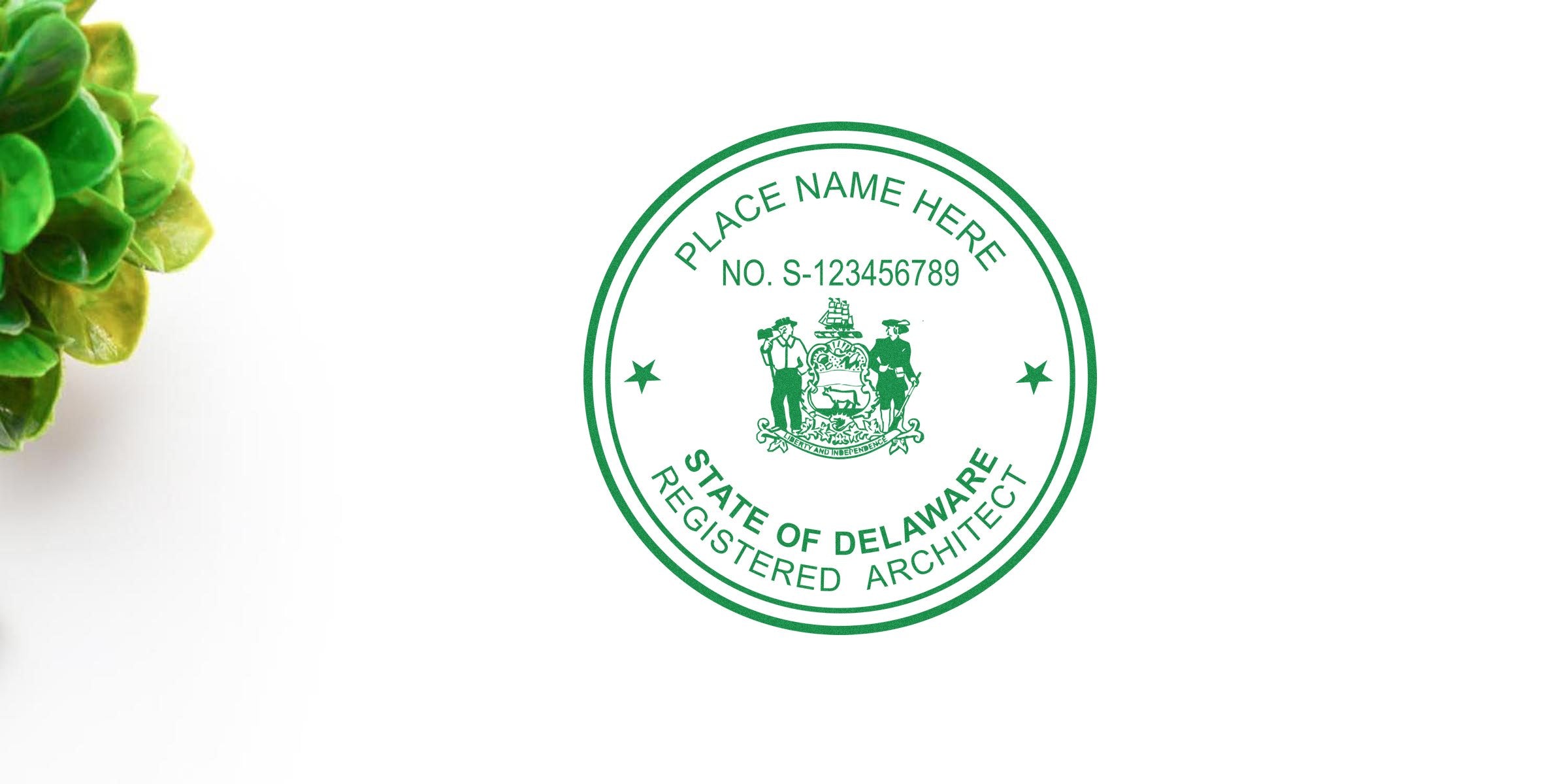
Imagine you’re about to kick off your next big design project in Delaware. You’ve got floor plans, client meetings, color schemes, and everything else swirling around in your head. But there’s one critical detail that ensures official sign-off: following proper Delaware architect seal guidelines. Understanding these guidelines is essential for submitting compliant drawings, protecting your professional reputation, and streamlining your approval process. In this post, we’ll explore how these guidelines work, why they matter, and how you can make them a natural part of your workflow.
You’ll also pick up tips on choosing a reliable supplier and find practical answers to common questions. By the end, you should feel more confident about handling your seal obligations with minimal stress.
Understand The Delaware Architect Seal
Professional seals do more than just decorate your plans. They certify your credentials and stand as proof that your work meets strict professional standards. In Delaware, architects are responsible for stamping sets of drawings and documents before they’re officially submitted for permitting or project approval. Without a properly executed seal, a project can face costly delays or outright rejection.
Yet, there’s more to your seal than a simple stamp. The design must follow specific dimensions, layout rules, and text requirements mandated by the state. While these details might seem minor, they can have huge ramifications. If your seal is formatted incorrectly, a building official could require you to resubmit—and no one wants that.
What Makes The Seal Unique
- Shape and Size: Typically a circular seal that packs essential info such as your name, license number, and the title “Registered Architect” or “Architect.”
- Text Requirements: Delaware commonly specifies the precise wording and spacing within the seal’s border.
- Digital vs. Physical: Modern times call for digital versions of seals, but many professionals still rely on a physical stamp or embossing tool.
If you’re unsure how to align your stamp with local regulations, or if you’ve never ordered one before, it helps to study the official seal requirements. You’ll often find these laid out on your licensing board’s website. Still, the process can be confusing if you’re new to Delaware-specific demands.
Follow Core State Guidelines
To stay ahead of potential roadblocks, you’ll want to familiarize yourself with the major rules that govern the use of your Delaware architect seal. These guidelines typically cover who applies the seal, when to seal documents, and how to display it across physical and digital media.
Verify Your Eligibility
Before you even apply your seal, confirm you’re fully licensed in Delaware. For architects who hold multiple state licenses, it’s easy to mix them up—especially if you manage projects beyond Delaware. Make sure your Delaware license is current, and keep a note of the expiration date.
Apply the Seal Correctly
You can’t just slap your seal anywhere on the page. In Delaware, architects generally place it on title sheets and index pages, as well as on each page featuring original calculations or design elements. Some architects also include it on detail sheets to give local authorities quick visual confirmation of their responsibility for the content.
- Placement: Aim for a location that’s clear and unobstructed, typically in the lower corner near your signature line.
- Legibility: Make sure your name and license number are easily readable, even if reproduced in black-and-white copies.
- Signature Requirements: Double-check how you’re required to sign: digitally or hand-signed. Some city offices demand an original “wet” signature, while others accept digital signatures if they meet specific encryption or authentication standards.
Understand Timelines
Delaware’s architectural guidelines often specify when a seal is required. Typically, you’ll place your seal before you submit the documents to local building departments, zoning boards, or other approving authorities.
- Preliminary Drawings: You usually don’t need a seal for informal reviews or client presentations.
- Final Construction Documents: These nearly always require your official seal, plus a matching signature and date.
Making the seal part of your final design stage checklist helps avoid end-of-project scramble. After all, nobody wants to realize at the last minute that they’ve missed an official step.
Align With Shared Standards
Architectural practice in Delaware is not an isolated process. You often need to coordinate with team members who might not be based in the same state. Ensuring compliance across the board is easier if you have a shared set of guidelines for your entire project team.
Communicate Requirements Clearly
Whenever you start a new project, gather your team—engineers, drafters, technicians—and spell out the rules that affect stamp usage. This conversation ensures everyone is on the same page about the format, location, and timing of your seals. Especially if you work with consultants from other states, clarifying Delaware’s unique guidelines upfront saves everyone from confusion later on.
Incorporate Seals Into Templates
Consider integrating a designated “seal box” in your project templates. This extra layer of standardization can prevent accidental misplacement of your stamp. If you need multiple seals (for example, your structural engineer’s or mechanical consultant’s), ensure all spots are labeled, sized, and arranged according to Delaware’s official regulations.
Stay Up to Date
Architectural guidelines can change without big announcements. Even if you’ve been practicing in Delaware for years, it never hurts to double-check the current licensing board rules for dimension updates, text requirements, or new digital signature policies. Keeping a simple spreadsheet of known changes or bookmarking official resources can give you a heads-up whenever policy shifts.
Explore Your Seal Options
It’s easy to picture a basic rubber stamp for your seal, but you have more than one choice these days. Whether you plan to keep it traditional or embrace the digital era, selecting the right tool ensures you comply with delaware architect seal guidelines while showcasing professional polish.
Self-Inking Stamps
If you’d like a quick way to apply your seal without messing with extra ink pads, a self-inking stamp might be your best friend. Though they’re popular and simple to use, you must ensure they’re sized correctly and produce legible text. A faint impression, after all, can lead to rejections.
Embossing Seals
Embossers create a raised impression on the paper. You might have seen these on official documents or wedding invitations. They’re visually appealing and carry a certain gravitas. Some Delaware jurisdictions still prefer, or even require, embossed seals for official documents. However, embossed text can be harder to scan or copy, so weigh how your local building department typically processes documents.
Digital Signatures and Seals
Modern architectural practice often calls for e-submissions. If that’s your scenario, a digital seal that meets Delaware’s security requirements (like encryption and date-stamped verification) can save you massive amounts of time. The key is to ensure your digital seal complies with official guidelines, which might specify the resolution, file format, or authenticity measures recommended statewide.
Combining Seals
In some cases, you might need a physical stamp plus a digital signature, especially if you’re dealing with a local office that requires hard copies and online submissions. The best approach is to confirm the preferred format with the building department or zoning board before finalizing any drawings.
Streamline Your Approval Process
Securing speedy approvals isn’t just about meticulous design—it’s also about presenting your documents in a clear, organized manner that resonates with municipal authorities. Strategically using your Delaware architect seal can give you an edge.
Create a Consistent Document Set
When officials see consistent formatting, they’re more likely to trust you’ve followed proper procedures. Label your drawings methodically, include a table of contents, and ensure your seal appears consistently on each required page. This uniform approach eases the reviewer’s job, which may help them speed up the process.
Track Every Submission
Keep digital and physical records of the documents you submit, including details about which pages were sealed and when. This record acts as proof if someone ever questions the legitimacy or timing of your stamp. It also comes in handy if local authorities request changes mid-review—you can update the records and re-stamp only the affected sheets.
Use a Checklist
A quick pre-submission checklist is your secret weapon. Consider including these line items:
- Delaware license verification.
- Proper seal placement.
- Correct naming convention on each page.
- Relevant signature format.
- Consistent page labeling (sheet numbers, revision dates, etc.).
By checking off these items, you reduce the chance of small errors tanking your entire submission. If your schedule is tight, adopting a routine like this can be a life-saver.
Avoid Common Pitfalls
While the concept of stamping might seem straightforward, unexpected missteps can creep up on you. Let’s go through the most common culprits so you can keep your process hassle-free.
Illegible or Incomplete Seals
Sometimes the text inside the seal gets muddled, especially if you use a stamp that’s too small or has low-quality ink. Always ensure the final impression remains crisp, with every character easy to read. If your stamp starts wearing out, replace it quickly—nobody wants a faint or distorted imprint on crucial documents.
Missing or Wrong Information
It’s amazingly easy to overlook the correct wording or mix up your license number. Double-check everything as you prepare your order. If you find out after the fact that your stamp has an error, fix it right away.
Mixing Up States
Some architects licensed across multiple jurisdictions accidentally apply the wrong stamp. When you’re juggling a big workload, a moment of inattention can lead to placing a “California” or “New York” seal on a Delaware project. To avoid confusion, store stamps separately with clear labels to ensure you’re always pulling the correct seal for the job.
Inconsistent Usage
If your plan sets contain multiple pages, each with different versions or smaller sets (like mechanical or electrical drawings), it’s easy to skip a page. Building authorities might flag those missing seals and demand additional verification, causing frustrating delays. Setting a consistent routine for stamping each new or revised sheet can avoid that pitfall.
Collaborate With Trusted Suppliers
Obtaining a properly formatted seal is a breeze if you work with the right provider. At Acorn Sales, we’ve spent more than 60 years creating Delaware Architect Stamps, Delaware Architect Seals, Digital Architect Stamps, and fully compliant embossing tools. You’ll discover that professional suppliers don’t just make the product. They guide you through the specs, from layout and sizing to the best type of ink for crisp impressions.
What to Look For in a Supplier
- State Compliance Knowledge: The vendor should know Delaware’s guidelines backward and forward.
- Quality and Durability: Your stamp must last through busy seasons without smudging or breaking.
- Turnaround Time: Projects move fast, and you can’t wait three weeks for your seal. Quick delivery is key.
- Personalized Service: If you have questions about signature requirements or digital conversions, a helpful representative can save you hours of guesswork.
You can further explore detailed technical requirements at delaware architect stamp requirements if you need guidance on everything from dimension details to letter sizing. It’s your go-to resource before placing a seal order.
Why Acorn Sales?
For decades, Acorn Sales has been a trusted name in state-compliant seals. We recognize the high stakes you face as a licensed architect. Every seal we produce goes through quality checks to ensure it meets Delaware’s specific standards. Our goal is to help you finalize your projects with confidence, whether you’re imprinting a physical seal on a fresh stack of drawings or uploading a digital version for online review.
If you’re new to the world of stamping, you’re not alone. Thousands of architects, engineers, and other professionals have started with a single phone call or online chat. Don’t hesitate to reach out to a reputable supplier, ask all your questions, and finalize details before you place your order.
These delaware architect seal guidelines might seem like another administrative task, but they’re integral to safeguarding your professional credentials and project timelines. By mastering the requirements now, you’ll save yourself from red tape later. As you refine your stamping process, gather feedback from your project team, local officials, and your stamp provider. Each adjustment makes your next round of drawings smoother and more precise.
If you’re thinking about ordering or updating your Delaware Architect Stamp or Seal, Acorn Sales is ready to help you get the correct format and the best product for your needs. That way, you can focus on what you do best—creating outstanding, safe, and innovative designs for your clients.
Frequently Asked Questions
When Do I Need To Apply My Delaware Architect Seal?
You should apply your seal to all final construction documents before submitting them to local authorities. Typically, preliminary or conceptual sketches don’t require a seal, but always verify your local jurisdiction’s policies just in case.
Is a Digital Seal Accepted for All Submissions?
Many municipalities accept official digital seals, especially if they’re backed by secure encryption and authentication measures. However, some still demand wet signatures and physical stamps. Contact your local building department to confirm the preferred method.
Can I Use the Same Seal for Multiple States?
Generally, no. Each state has unique requirements for text, shape, and other factors. Using the same stamp or seal across different states could lead to compliance issues. Keep all your state-specific seals labeled and organized separately.
What Happens If My Seal’s Design Changes?
If Delaware updates its seal design or text requirements, you’ll need to order a new stamp or modify your digital seal. Always stay on top of licensing board announcements to ensure you’re using the current standard.
How Long Will My Physical Stamp Last?
With proper care, a quality seal can last for years. That said, ink pads can dry out, and embossing dies can wear down. If you notice faint impressions, be sure to replace the relevant parts or consider a new device to keep your documents crystal clear.








