
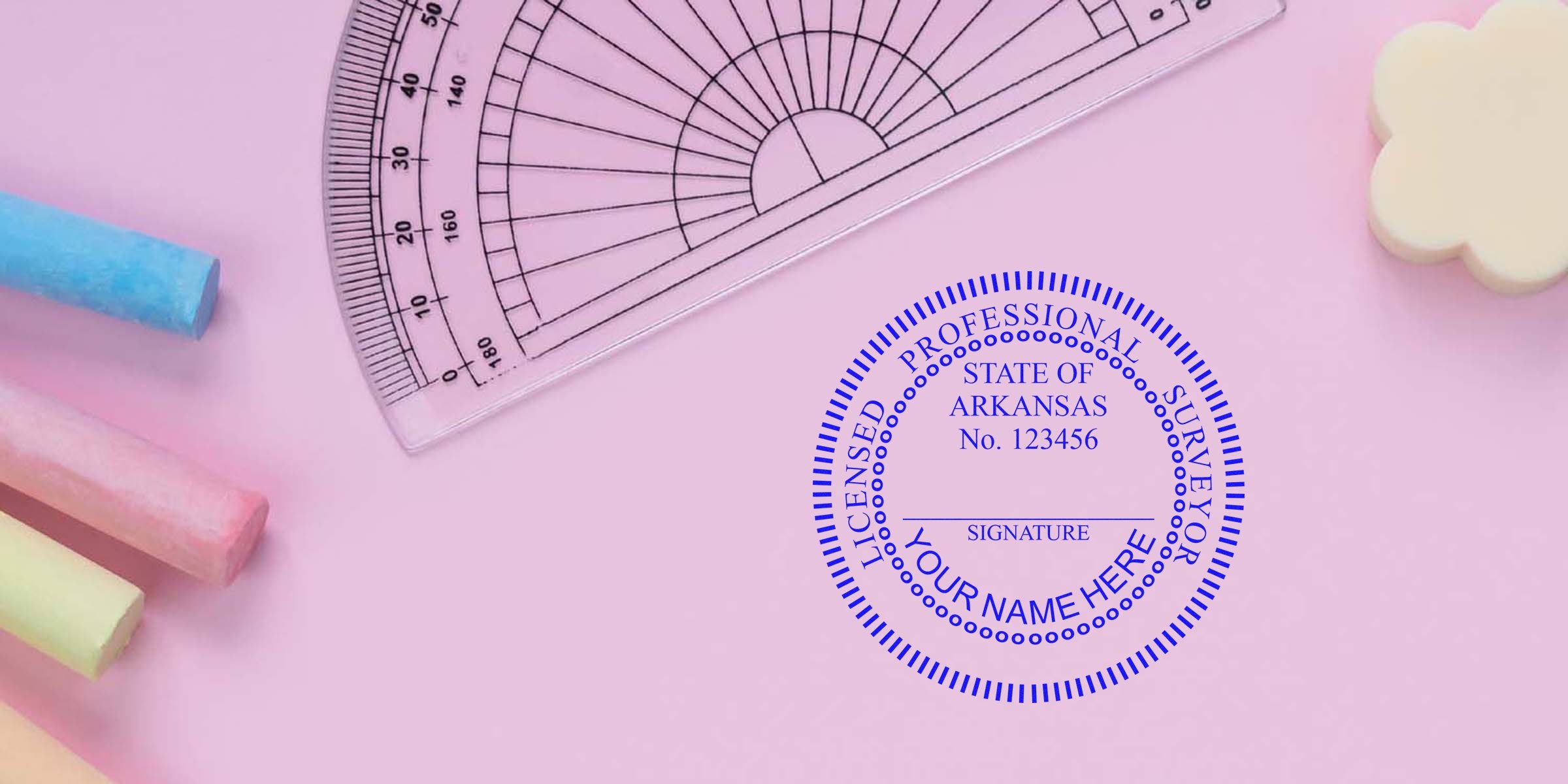
Have you ever wondered how to create an Arkansas land surveyor seal design that meets all the requirements and still looks professional? Designing your seal can feel like a puzzle—especially when you factor in shape, size, and state rules. In this friendly guide, you’ll learn how to piece everything together so your seal works perfectly for official documents.
To get you started, here’s a clear roadmap of what you need to know. By the time you finish reading, you’ll understand how to fulfill Arkansas regulations, gather the right info for your seal, and pick the best materials. And if you’re looking for a trusted place to order your stamp or embossing seal, you’ll find a helpful tip about Acorn Sales along the way.
Understand Seal Requirements
If you’re curious about why Arkansas requires surveyors to have an official seal, it’s mainly for legitimacy and record-keeping. When you add your seal to a document, you’re confirming that the work you provided meets the state’s standards for accuracy and reliability. That seal is more than just a fancy emblem: for clients and officials, it’s a hallmark of your professional commitment.
Why the Seal Matters
You might already know that every state sets its own guidelines for surveyor seals, and Arkansas is no exception. Your seal will likely appear on plats, drawings, and other legal documents to verify authenticity. Without an approved seal, any survey you submit might be questioned—or even rejected. That’s why spending time on the right design is as critical as the survey itself.
Rules from the Arkansas Board
Arkansas guidelines often specify the information that must appear on your seal. Although exact requirements can change, you can generally expect to include:
- Your full name, matching the name on your license.
- Your Arkansas license number in a prominent spot.
- A clear indication that you’re a Licensed Professional Surveyor (if relevant).
- The words “State of Arkansas” or similar text.
Since official regulations may be updated, it’s always best to double-check with the Arkansas State Board before you finalize your design. Doing so helps ensure your seal meets current requirements.
Gather the Essential Details
Once you’ve confirmed the main rules, it’s time to gather the essentials. Think of it like a quick checklist of everything you need before you start finalizing the design. This step helps you avoid mistakes that could require a do-over later on.
Name and License Requirements
Before creating any artwork, make sure you spell out your name and license details exactly as they appear on legal documents. Even minor differences—such as using a middle initial when it’s not on your license—might lead to confusion. Consistency matters.
If your license number has a zero at the front, don’t forget to include it. Likewise, if the license format changes (for instance, from “LS1234” to “PS1234”), use the correct version. Missing these small details could make your seal invalid in the eyes of Arkansas authorities.
Plan Layout and Dimensions
Designing your seal’s layout is often the most creative (and fun) part of the process. But it’s also where you need to be extra mindful of size, readability, and any official guidelines that talk about diameter and lettering.
Typical Seal Shapes
Most Arkansas land surveyor seals come in a circular shape, though rectangular and oval formats can also be permissible in certain contexts. That said, the circle is a classic for surveyor and professional seals because it’s easy to place on various documents. If you prefer a different shape, just verify whether your chosen layout is acceptable under Arkansas rules.
Size Specifications
The diameter of your seal typically sits around 1.75 inches to 2 inches. You’ll want a size that fits neatly on most pages without overpowering your drawings. This range also ensures the text and details remain legible—not too crammed and not overly spaced out.
Here’s a quick look at common seal layouts:
| Layout Feature | Common Practice |
|---|---|
| Shape | Circular (mostly) |
| Diameter Range | 1.75–2 inches |
| Font Style | Standard, easy-to-read typeface |
| Required Text | Name, License Number, “Arkansas” |
When in doubt, ask yourself how the seal would print on a typical 8.5 x 11-inch sheet. If it feels too big, adjust accordingly. Remember, the goal is to make your information clear without overwhelming the rest of the page.
Select Materials and Formats
What do you prefer for applying your seal—an old-school rubber stamp, a crisp embossing press, or a digital file? Each option has its pros and cons. Some professionals like the tactile feel of an embossing seal, while others need the convenience of a pre-inked or self-inking stamp. Your choice generally depends on how often you’ll need to seal documents and your personal workflow.
Rubber Stamp vs. Embossing Seal
A rubber stamp is straightforward: dip it in ink (if it’s not pre-inked) and press it onto the page. You get a clear impression that’s easy to read—just be mindful that smudges can happen if you press too hard or apply too much ink.
An embossing seal, on the other hand, creates a raised design. This style often looks more official but can be tricky to scan or photocopy. If you regularly submit digital copies of your documents, keep in mind that an embossed impression might not always show up clearly.
Electronic Seals and Signatures
Electronic seals are on the rise, particularly if you’re submitting surveys via email or online portals. Many software packages allow you to place a digital version of your seal on documents. This approach is fast and convenient, but be sure your electronic seal includes all the required features, from your name and license number to correct sizing.
If you ever need a physical backup, you can also print and manually stamp or emboss your documents. That way, you’re covered whether you’re delivering electronic or hard-copy files.
Order from a Trusted Supplier
When you’ve nailed down your Arkansas land surveyor seal design, the next step is ordering your stamp or seal from a reputable provider. For a flawless final product, choosing a specialty company can make a big difference in quality and compliance.
Free Digital Seal from Acorn Sales
Acorn Sales has been in the business since 1964, offering trusted solutions for Arkansas professionals. They can provide a free digital seal alongside your order—perfect for those times you need to send a document electronically in a pinch. Their team double-checks your details so you can feel confident everything is spelled correctly.
Steps to Place Your Order
- Gather Your Details: Confirm the exact spelling of your name, your license number, and any additional text your seal requires.
- Pick Your Format: Decide whether you want a rubber stamp, an embossing seal, or both. You might also opt for an electronic seal to streamline your workflow.
- Verify Compliance: Acorn Sales can help ensure your seal meets Arkansas requirements, but it’s smart to confirm any special rules if your circumstances are unique.
- Finalize and Check Proofs: Your supplier may send you a proof of the design. Review everything carefully to avoid last-minute surprises.
- Receive Your Seal: Once your seal arrives, test it on a scrap sheet before using it on official documents. Confirm that the impression is crisp, legible, and properly sized.
Don’t forget that if you need a companion stamp for your practice, you can also check out this Arkansas land surveyor stamp option, which complements your seal for marking up plans and documents quickly.
Feel free to start designing your Arkansas land surveyor seal as soon as you’ve gathered the essentials. Once you’re ready to place an order, having a reliable partner—like Acorn Sales—can take the guesswork out of picking the right materials. You’ll end up with a seal that looks good on paper, helps your professional reputation, and meets all of Arkansas’s regulatory requirements. Good luck, and happy designing!
Frequently Asked Questions
Is an Arkansas land surveyor seal mandatory for all survey drawings?
Yes, Arkansas typically requires licensed surveyors to include an official seal on survey drawings and plats. This applies to anything you submit for public record.
Should I use color ink for my rubber stamp?
Typically, black ink makes the clearest impression and is widely accepted. Some professionals use blue for contrast, but be sure it’s readable when scanned or copied.
Do I need a wet-signature if I have an electronic seal?
Electronic sealing often includes an electronic signature component, but double-check Arkansas Board guidelines. In some cases, you may need a handwritten signature to accompany the seal, especially for paper filings.
Can I adjust the seal’s design to reflect my personal style?
While you can have some freedom in font choice and edge design, it’s essential to keep the required information top of mind. The Arkansas Board generally wants uniformity so the seal is easy to identify.
What if I change my name or license number?
You’ll need a revised seal. Contact your licensing board for the official steps, and then update your seal with a trusted supplier so it reflects your new details accurately.








