
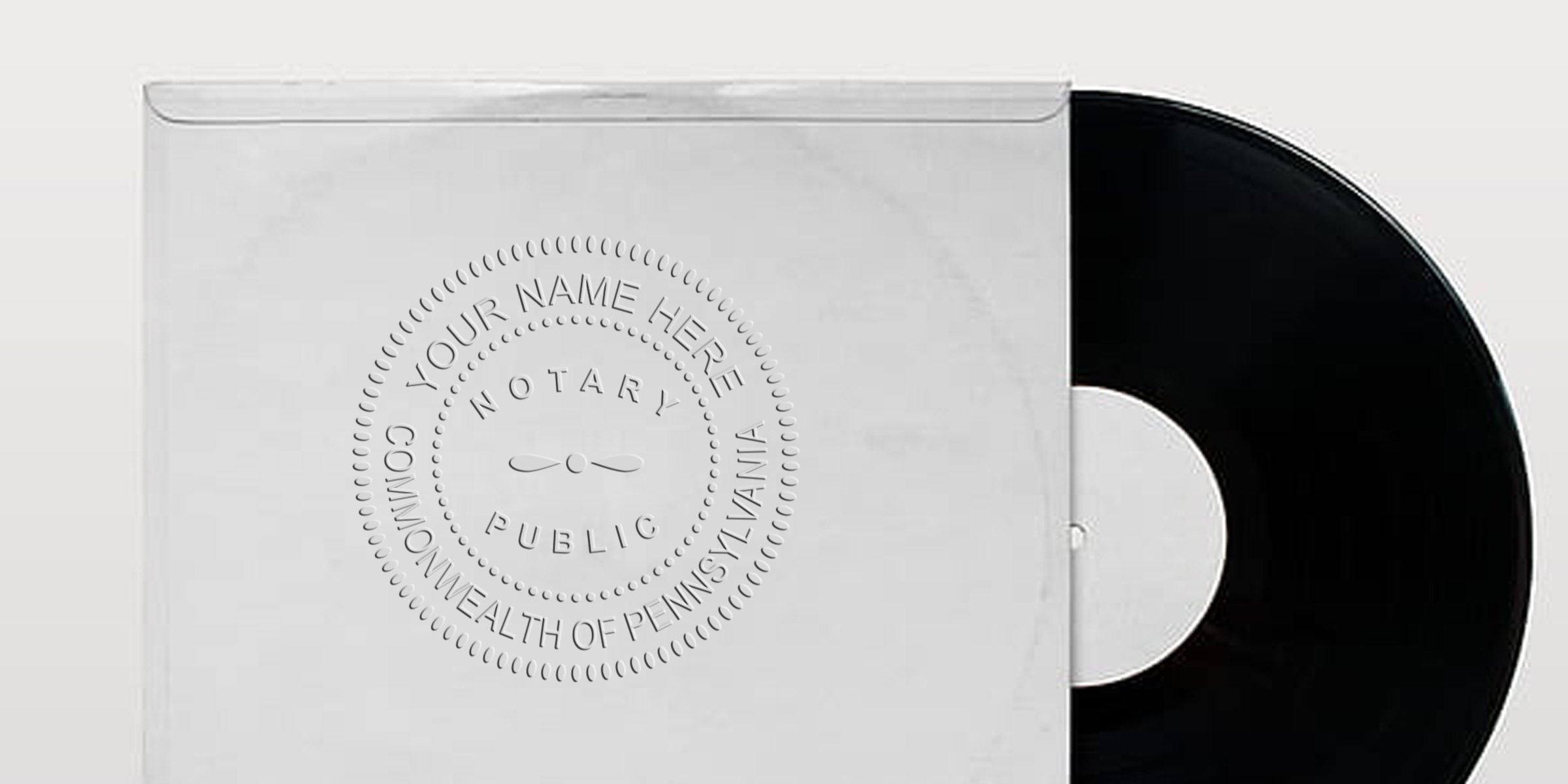
Looking to snag the best deals on your Pennsylvania notary stamp and seal? You’re in the right spot. Whether you’re just starting your notary journey or hoping to refresh worn-out tools, finding the perfect stamp and seal doesn’t have to be complicated. Let’s walk through what you need to know, so you can shop with confidence.
Know The Basics
Before you buy anything, it helps to understand the basics of Pennsylvania notary requirements. You’ll need a stamp that clearly displays your name, the words “Notary Public,” “Commonwealth of Pennsylvania,” and your commission expiration date. The seal can be an embosser or ink stamp, but it must meet legal guidelines and produce a clear, readable impression.
- Make sure your full name matches your official notary commission.
- Check that the design complies with Pennsylvania regulations.
- Spot-test for clarity on scrap paper before stamping official documents.
Choose Your Stamp Type
You’ll come across two main styles: self-inking and pre-inked. Both stamps work well for everyday notary tasks, but there are a few key differences.
-
Self-Inking
- Has a built-in ink pad that re-inks after each use.
- Typically lasts for thousands of impressions before refilling.
- Offers a good balance of affordability and quality.
-
Pre-Inked
- Uses an ink reservoir in the stamp die, creating crisp, detailed images.
- Can last even longer than self-inking versions.
- Usually costs a bit more but pays off in precision.
If you prefer the traditional appearance of an embossed seal, you can opt for an embosser instead. However, keep an inked stamp on hand for any documents that require a dark, visible mark.
Get The Best Deals
Everyone loves saving money, especially on business essentials. Here are a few pointers:
- Bundle Your Supplies: Look for sets that combine your notary stamp, embosser, and ink refills. Packages often cost less than buying items separately.
- Shop Reputable Sellers: Scoring a deal is great, but make sure the supplier is trusted, offers refunds for defects, and provides quick support if anything goes wrong.
- Compare Online Options: Search for sales or coupons, and don’t forget to keep an eye out for free shipping promotions. You can also check out pennsylvania notary supplies to see options crafted specifically for Keystone State regulations.
Why Pick Acorn Sales
If reliability, quick turnaround, and compliant seals matter to you, consider Acorn Sales. We’ve been in the stamp and seal business for over 60 years, helping notaries like you stay efficient and confident. Here’s what you can expect:
- Decades Of Experience: You’ll get products built by a team that knows the notary world inside and out.
- Always Compliant: Our stamps and seals meet Pennsylvania’s legal standards, so you can finalize documents with peace of mind.
- Speedy Service: Get your order processed fast, so you’re never stuck waiting when you need to notarize important papers.
And because we’re devoted to quality, we test each stamp and seal for crisp impressions every time. No smudges. No faded ink. Just smooth transactions.
A seal must be distinct and readable to be valid. If your stamp or embosser is worn out, it’s crucial to replace it right away. An unclear seal can cause documents to be rejected, which no notary wants.
In a nutshell, the right Pennsylvania notary stamp and seal can save you time, ensure compliance, and enhance your professional image. By weighing the benefits of different stamp types and picking a reputable supplier like Acorn Sales, you’ll set yourself up for notary success. If you have questions or want to explore more, check out our linked resources, and feel free to reach out anytime.
Frequently Asked Questions
Do I Need Both a Stamp and an Embosser?
You only need one official seal, but many notaries keep both. A stamped impression is easier to see on photocopies, whereas an embosser offers a traditional raised image. It’s often handy to have both in your toolkit.
How Often Should I Replace My Stamp or Seal?
It depends on usage. Stamps can last for thousands of impressions before needing ink refills or replacement. Embossers usually hold up longer, but it’s wise to replace the die if the raised text starts to look faint.








