
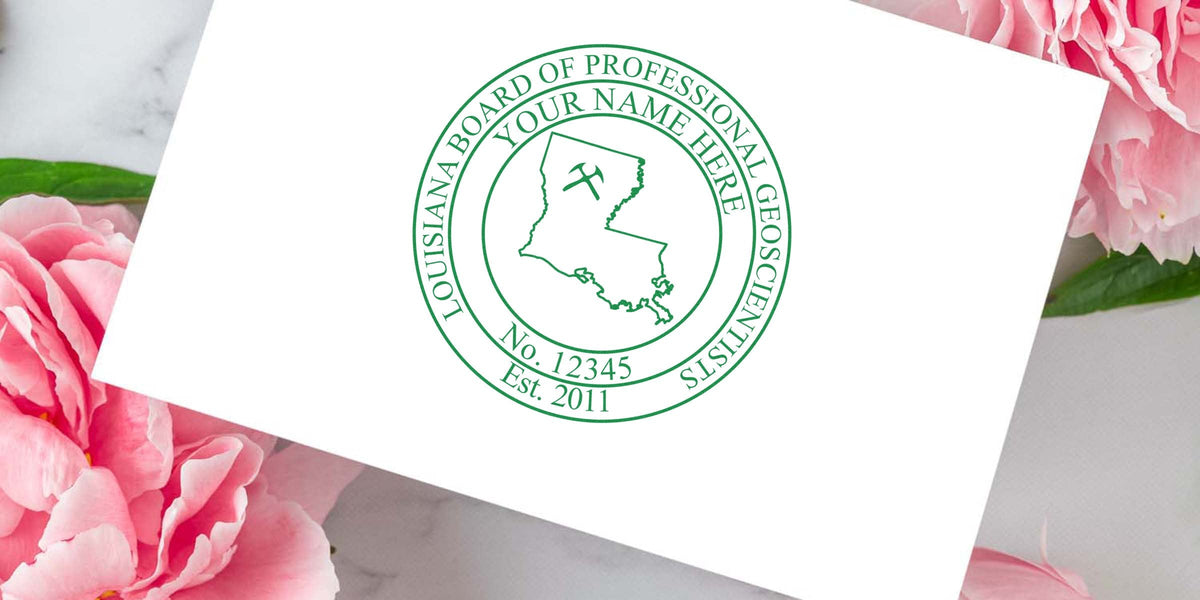
Are you on the hunt for the perfect geologist stamp louisiana design that meets state regulations and helps you showcase your professional credentials? As a practicing geologist in Louisiana, you likely need a reliable stamp or seal to authenticate reports, maps, and other documentation. In this post, you’ll discover what goes into meeting official requirements, how to choose a design that suits your style, and ways to keep your stamp in good shape for years. By the end, you’ll have a clear path to selecting the right product for your daily workflow.
Understand Louisiana Geologist Requirements
Louisiana has specific guidelines for professional geologists when it comes to identifying your work clearly and accurately. These guidelines often include using a stamp or seal that lists your name and license number, among other details. Even if you’re just starting out, it’s crucial to become familiar with the state’s standards so you can avoid compliance hiccups.
Many state boards require precise dimensions, fonts, and wording. You’ll find some differences between stamps, seals, and even digital versions. Here are a few points to keep in mind:
- Confirm the exact wording and outer ring phrase the Louisiana board wants on the stamp.
- Double-check the mandated size: some states have a minimum diameter, while others have a range.
- Ensure your name and license number are current and match your official documents.
If you need more specific guidance, look at the official board rules in Louisiana. It’s also smart to consult helpful industry sources to see if your stamp meets the recommended standards. Whenever you’re unsure, reach out to experienced suppliers or colleagues who’ve already navigated these requirements. They can share firsthand insights about the best approach. For a closer look, feel free to check out our Louisiana geologist stamp resource, where you can see design options built around authorized specifications.
Choose the Best Stamp Type
Once you’ve got a handle on the official guidelines, it’s time to pick the stamp style that fits your needs. Different geologists have different workflows, so picking the right type can make your day-to-day tasks smoother. Here’s a quick overview:
Rubber Stamp With Ink Pad
- Pros: Affordable, easy to replace if worn out.
- Cons: Requires a separate ink pad, which can be messy if you’re traveling frequently.
Self-Inking Stamp
- Pros: All-in-one design that keeps your workspace tidy. Ink is stored in the stamp, so it resets automatically after each impression.
- Cons: Ink may need refilling eventually, and refill cartridges can vary by brand.
Pre-Inked Stamp
- Pros: Creates crisp, sharp impressions and usually lasts longer before needing a refill.
- Cons: Costs a bit more at the outset.
Embosser
- Pros: Raises the paper with a professional, tamper-evident seal.
- Cons: Less convenient for large batches of documents, and the raised imprint might not scan or copy as clearly as ink.
Ultimately, the decision comes down to how often you’re stamping and where you plan to use it. If you’re primarily in an office, any option might work. But if you spend a lot of time in the field, a self-inking or pre-inked stamp may be more convenient. Try to strike a balance between price, durability, and day-to-day practicality, so you’re not left juggling messy ink pads or constantly reordering supplies.
Explore Key Design Elements
A well-crafted Louisiana geologist stamp generally includes a few essential elements: your name, license number, the words “Licensed Professional Geologist,” or a state-specific variation. While these are often standardized, you do have some freedom when it comes to the overall design style.
Here are a few design details to consider:
- Font Choice: Crisp and clear fonts are easier to read, especially when stamping multiple times. It helps if your name and license number stand out.
- Shape: Circular stamps are common, though a rectangular or oval shape can look just as professional. Just confirm the shape aligns with state board regulations.
- Outer Border: Most official stamps have a bold border or two rings. This framing helps your credentials pop and looks official on documents.
- Readability: Test any mockup. If you can’t make out a letter or number without straining, increase the size or switch to a simpler font.
Since geologists often rely on clarity, you’ll want each detail to be readable at a glance. Watch out for fancy script fonts or overcomplicated design elements, which can make your stamp appear fuzzy.
Why Trust Acorn Sales
Choosing a stamp supplier is about more than just picking a product off the shelf. You need a partner who understands the nuances of professional requirements in states like Louisiana. That’s where Acorn Sales comes in.
We’ve been in business since 1964, and we take pride in guiding geologists through their stamp orders. Our experience means you get:
- Accurate Designs: Every stamp and seal from Acorn Sales meets state regulations for clarity, sizing, and layout.
- Free Digital Seal: Along with the physical stamp, we provide a complimentary digital version of your seal so you can authenticate electronic documents.
- Reliable Materials: Whether you go with self-inking, pre-inked, or an embosser, we use top-quality components that withstand regular use.
- Customer Support: If you’re unsure about which design you need, we can walk you through your choices in plain English. Our goal is to save you time and guesswork.
No matter where you practice, your professional reputation matters. When you stamp or seal a document, you want it to reflect the level of care you put into your geologic reports. We strive to help you do exactly that by ensuring your stamp is properly aligned with Louisiana’s rules and guaranteed to produce sharp, consistent impressions.
Maintain and Use Your Stamp
Once you’ve chosen a design, you’ll want to keep your stamp in top condition. After all, it’s a critical part of your professional toolkit. Poorly maintained stamps can produce blurry or incomplete impressions, which raises questions about document authenticity. To avoid these pitfalls, try the following tips:
-
Store It Properly
Keep your stamp in a dry, clean area. Exposure to extreme temperatures, moisture, or direct sunlight can dry out the ink and warp certain materials. -
Refill Ink on Time
Self-inking and pre-inked stamps need periodic refilling. If you notice a lighter impression, it’s time to add more ink. Be sure to use the ink type recommended by your stamp’s manufacturer. -
Clean It Regularly
Dust and debris can build up over time, especially if you’re working in the field. Use a lint-free cloth or a gentle brush to remove dirt from the stamping surface. -
Test Before Large Jobs
If you’re stamping multiple pages, do a quick test on scrap paper. That way, you’ll know if you need to refill ink, clean the surface, or adjust the alignment. -
Replace Worn Parts
Rubber dies can degrade or crack, particularly if the stamp is old or used very frequently. If you see any dents or warping, it might be time for a replacement to preserve clarity.
Following these guidelines extends the life of your stamp and ensures every document you certify is beyond reproach. Even better, if you ever need a new design, you already know exactly who to call.
Conclusion
Securing the right Louisiana geologist stamp can be a straightforward process once you understand the state board requirements and weigh your product options. From selecting a shape that meets guidelines to choosing a high-quality supplier, each step plays a role in creating a polished impression on every document. You’ll also want to keep your stamp in excellent condition, ensuring each seal is crisp, clear, and fully compliant.
Ready to take the next step? Find out more about the full range of compliant designs at Louisiana geologist stamp, where you’ll see flexible options that cater to your personal style. Whether you opt for self-inking or an embosser, having a reliable stamp is a cornerstone of your professional practice. If you have additional questions about maintaining your stamp or need further guidance about Louisiana’s rules, reach out, and we’ll be glad to help. You’ve worked hard to become a licensed geologist, and a well-made stamp will help you feel confident in every document you sign.
Frequently Asked Questions
Do I need both a stamp and an embosser for my Louisiana geologist documents?
You typically only need one authorized marking method, either a stamp or an embosser, to meet state requirements. Most professionals choose an ink stamp for everyday tasks because it’s faster. However, an embosser offers a raised impression that’s hard to replicate, which adds a layer of security.
What if I change my name or my license number?
You’ll likely need to update your stamp right away to remain in compliance. Contact the state board to confirm any new rules, and then order a revised stamp that reflects your updated name or license details. It’s smart to phase out your old stamp to avoid any confusion on future documents.
Are digital seals acceptable in Louisiana?
In many situations, digital seals are acceptable for electronic documents, but you should confirm the specific stipulations with the Louisiana board. At Acorn Sales, we provide a free digital seal when you purchase your physical stamp. This means you can authenticate PDF reports, online submissions, and other digital work just as easily as you would a printed version.
How soon can I start using my new stamp?
As soon as you receive it, inspect the design for accuracy. If everything looks good and matches your license details, you can begin using it right away. Just remember to review your board’s guidelines on the correct usage of your newly issued seal.








