
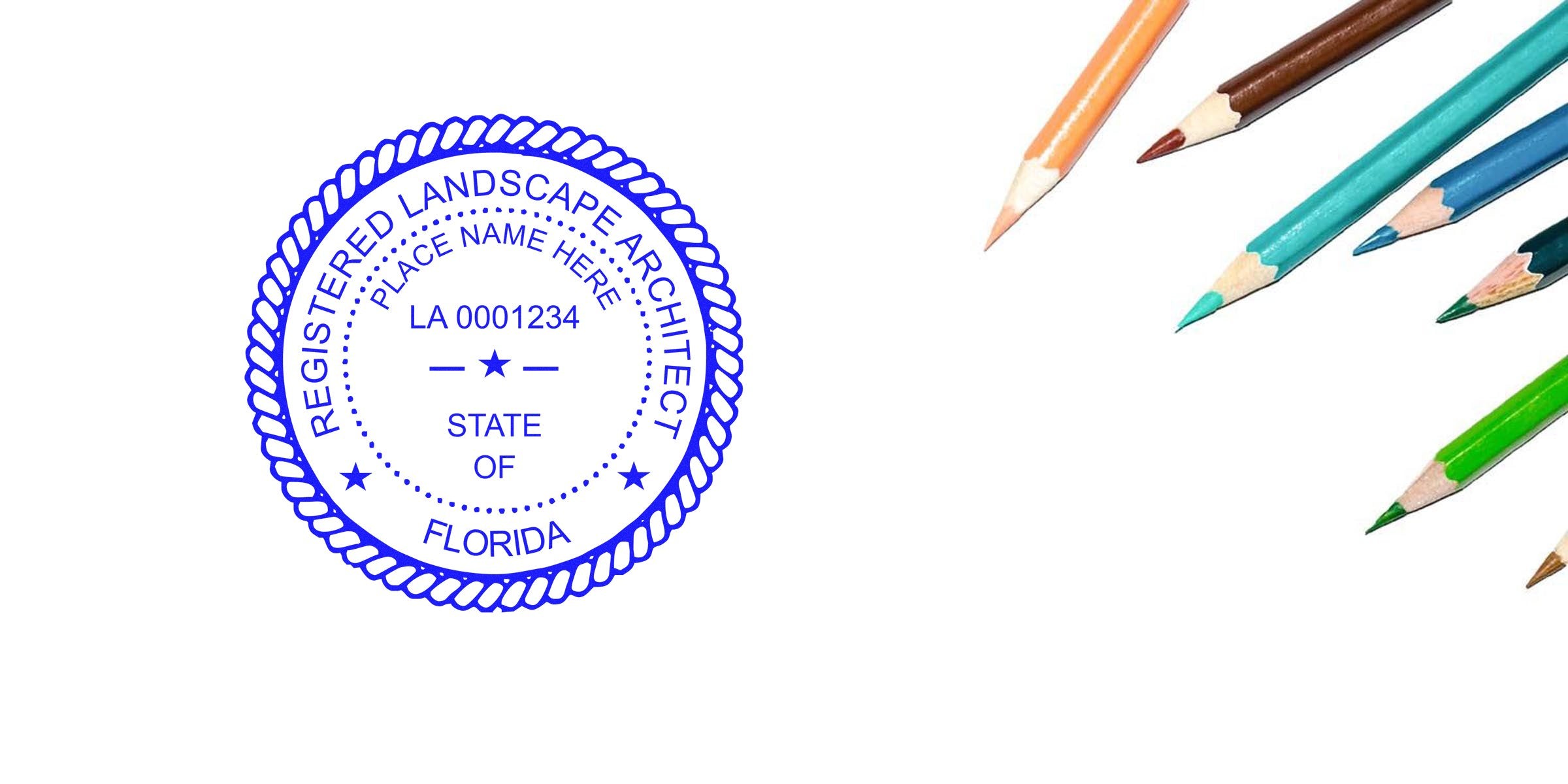
Explore Florida Landscape Architect Seal
Florida landscape architect seal design might sound like just another step in your professional journey. However, it is so much more than a simple rubber stamp on your plans. When you place your seal or stamp on finalized drawings, you convey both your commitment to Florida’s regulations and your dedication to upholding industry standards. Plus, you reinforce your own credibility by showing you have fulfilled all the requirements set out by the state licensing board.
But here’s the thing, you might wonder: “Why does the seal design matter so much?” A well-crafted seal ensures clarity on official documents and prevents any confusion when your plans are reviewed by permitting authorities. It can also set your work apart and highlight your attention to detail. Let’s walk through the essential background, best practices, and maintenance insights you need to make sure your seal is a strong reflection of your professionalism. Along the way, you’ll see exactly why having the right Florida landscape architect seal can help you stay compliant and look polished.
The Role And Purpose
Your Florida landscape architect seal is designed with both function and authority in mind. It identifies you as a licensed professional who meets the state’s educational, experiential, and ethical standards. This particular mark is what separates your work from that of an unlicensed individual.
- Legal Requirements: Certain documents must be sealed to be deemed valid, including official drawings, site plans, and certain regulatory submissions.
- Verification: Both clients and permitting agencies can quickly confirm that a qualified professional prepared the plans.
- Professionalism: It underscores your expertise, reflecting positively on your reputation in the field.
Key Components Of The Seal
The Florida landscape architect seal commonly includes several vital details. While specifics are guided by the Florida Board of Landscape Architecture, you’ll often see:
- Your Name: Ensures clarity and ownership.
- License Number: A straightforward way for reviewers to confirm your credentials.
- Official Text: Often references “Registered Landscape Architect” or similar language as required by state regulations.
Always confirm that your seal adheres to current state rules. If you’re unsure, you can check out the florida landscape architect stamp requirements for more details on mandated text, permissible fonts, and size guidelines.
Meet State Requirements
You’ve earned your license and you’re eager to provide quality service to clients, but it’s crucial to stay on top of Florida’s regulations. By following the rules meticulously, you protect both your credibility and your right to practice.
Registration Numbers And Placement
One of the most important elements of your Florida landscape architect seal is your registration number. Every time you affix your stamp or seal on a document, that identifying number must be clearly visible. The reason? It offers a quick reference for anyone who needs to confirm your license is valid and up to date.
As for placement, you typically seal or stamp the cover sheet or final page of your plans. Some professionals prefer to place the seal on each individual sheet. Either approach might be permissible, but be consistent with whichever method you choose.
Typical Stamp Dimensions
Florida’s licensing board typically outlines specific minimum or maximum seal sizes. You’ll often see a diameter of around two inches for a round seal, although exact dimensions are subject to regulations. When in doubt, confirm with the state board or check official guidelines so that your seal remains legible, especially when reproduced or scanned.
Here’s a quick reference table you might find helpful:
| Element | Suggested Size/Format |
|---|---|
| Seal Diameter (Round) | Approximately 1.75 - 2 inches |
| Font Size (Name/Number) | Legible at scales for plan review |
| Ink Color | Typically Black (unless specified) |
Ink Colors And Materials
Traditional black ink is the norm for many legal documents because it scans and copies well. However, if the Florida Board of Landscape Architecture dictates a certain color, you must follow those guidelines. You also want to make sure the ink doesn’t smear easily. Some pros choose a pre-inked stamp with fast-drying ink to avoid smudges. Embossing seals are another way to offer a professional touch, although embossed impressions should still be clear enough to reproduce in digital copies.
Craft A Compliant Layout
Designing your Florida landscape architect seal might feel slightly daunting at first, but the process becomes easier when you follow a few straightforward principles. Most states, Florida included, have guidelines that aim to balance clarity with consistency across each licensee’s seal.
Align With Official Standards
Your design should generally include the state-defined border, official wording, your personal details, and space for your license number. If you’re tempted to add an artistic flourish, double-check whether it’s allowed. Sometimes, states have strict guidelines on the border shape, text alignment, and even the arrangement of license numbers.
Format The Text Correctly
Often, you must place the words “State of Florida” or “Florida Landscape Architect” in a specific order. Text alignment can be crucial because each detail matters when it comes to verifying the authenticity of your submission. If you place “Landscape Architect” above your name instead of below it, you could end up with an invalid seal. So, keep a close eye on spacing and text orientation.
Include Your License Details Prominently
Your name and license number need center stage. When plan reviewers look at your documentation, they want to see these details right away. If you include them in too small a font, the reviewer might miss them, or worse, suspect something’s amiss with your seal.
Choose A Reliable Provider
Getting a seal that meets Florida’s rules and holds up over time starts with a reputable supplier. You don’t want to trust something as important as your license validation to a random online shop that might not know Florida’s regulations.
In fact, many landscape architects turn to Acorn Sales, a trusted supplier of Florida landscape architect stamps and seals. We’ve been in business since 1964 and understand the nuances of Florida’s professional requirements. We also provide a free digital seal with your purchase, offering convenience and cost-effectiveness.
What To Look For In A Seal Supplier
- Regulatory Knowledge: Do they tailor the seal or stamp to meet Florida’s guidelines?
- Quality Materials: Durability is key. A worn-out seal leads to smudged or unclear impressions that cause confusion.
- Customer Support: Can you talk to a real person if you have issues with the design or shipping?
When a company has a long history in the stamp and seal business, it’s a good sign they’re familiar with state-specific specifications. You’ll want to check whether they offer both rubber stamps and embossers, so you can pick a style that fits your needs best. And if they have digital seal options, that’s a bonus to keep your process streamlined.
Use A Digital Seal
In our digital-driven era, having a digital version of your seal can save a lot of hassle. Not only does it let you easily place your seal on electronic documents, but it also ensures you can swiftly respond to clients who request PDF drawings or need immediate updates.
Benefits Of Going Digital
- Speed: Insert it into drawings without printing and rescanning.
- Clarity: Digital seals maintain consistent resolution, reducing the risk of unreadable text.
- Professional Image: You demonstrate that you’re adept at modern tools, making a positive impression on tech-savvy clients.
When you order from Acorn Sales, you’ll get a free digital seal included. Even if you prefer a classic rubber stamp or an embosser for certain documents, a digital file means you can pivot at a moment’s notice. It’s all about building flexibility into your workflow.
Maintain The Seal Over Time
Once you have your Florida landscape architect seal, the journey doesn’t end there. Seals and stamps demand occasional care, just like any other tool.
Check For Wear And Tear
Rubber stamps and embossers can degrade over time, potentially leading to faint, incomplete, or crooked impressions. Paying attention to the crispness of your stamp can help you avoid rejections from permitting departments. If your impression looks fuzzy or half-inked, it might be time for a replacement.
- Refill Ink: If you’re using a self-inking stamp, watch the ink levels. Keep a backup ink pad.
- Clean Regularly: Dust and debris can cling to your stamp or embosser, spoiling the final imprint. A quick wipe with a dry cloth is usually enough.
Update Your Design As Needed
State regulations can evolve, although it doesn’t typically happen often in Florida. However, if the Florida Board of Landscape Architecture decides on new text or formatting, you’ll need to update your seal accordingly. Always be aware of any policy changes so you can adapt quickly.
If you move or change your name, you may be required to request an updated seal. It’s always wise to keep a close eye on your license’s renewal date and confirm that your seal is consistent with your current information. And if you have colleagues or co-owners, make sure each person’s seal is distinct, eliminating confusion when documents require multiple signatures.
By prioritizing a correct Florida landscape architect seal design, you show that you’re serious about meeting regulatory obligations and offering top-tier service. A properly crafted seal helps your projects move smoothly through approval processes, saving you and your clients potential delays and headaches. Whether it’s a rubber stamp, an embosser, or a digital file, knowing the guidelines and working with a knowledgeable supplier like Acorn Sales (in business since 1964) sets you up for success.
Keep your seal clean, use it on the right documents, and always stay current with Florida regulations. That way, your seal remains a proud emblem of your professional status—one that not only checks the boxes for compliance but reflects the value and expertise you bring to every landscaping project you design. Happy stamping!
Frequently Asked Questions
Am I Required To Use A Specific Ink Color?
Typically, black ink is recommended for readability, scanning, and photocopying. However, if Florida’s board updates the rule or you’ve been advised otherwise, follow that specific guidance.
Can I Add A Logo To My Seal?
In most cases, your seal is strictly for licensing details and shouldn’t include decorative elements like a personal or company logo. Check the state’s specifications, and if you’re still unsure, reach out to the board for confirmation.
Is A Digital Stamp Also Legally Valid?
Yes, a digital seal can be valid if it meets Florida’s standards for electronic signatures and seals. Just be sure you’re aware of any additional security or encryption requirements that the board might have in place.
What Happens If My Design Doesn’t Meet Current Regulations?
Using a noncompliant seal can lead to rejected plans or worse, disciplinary action. If you think your seal might be outdated or improperly formatted, it’s best to get a new one that meets current rules.








