
Understand Montana Requirements
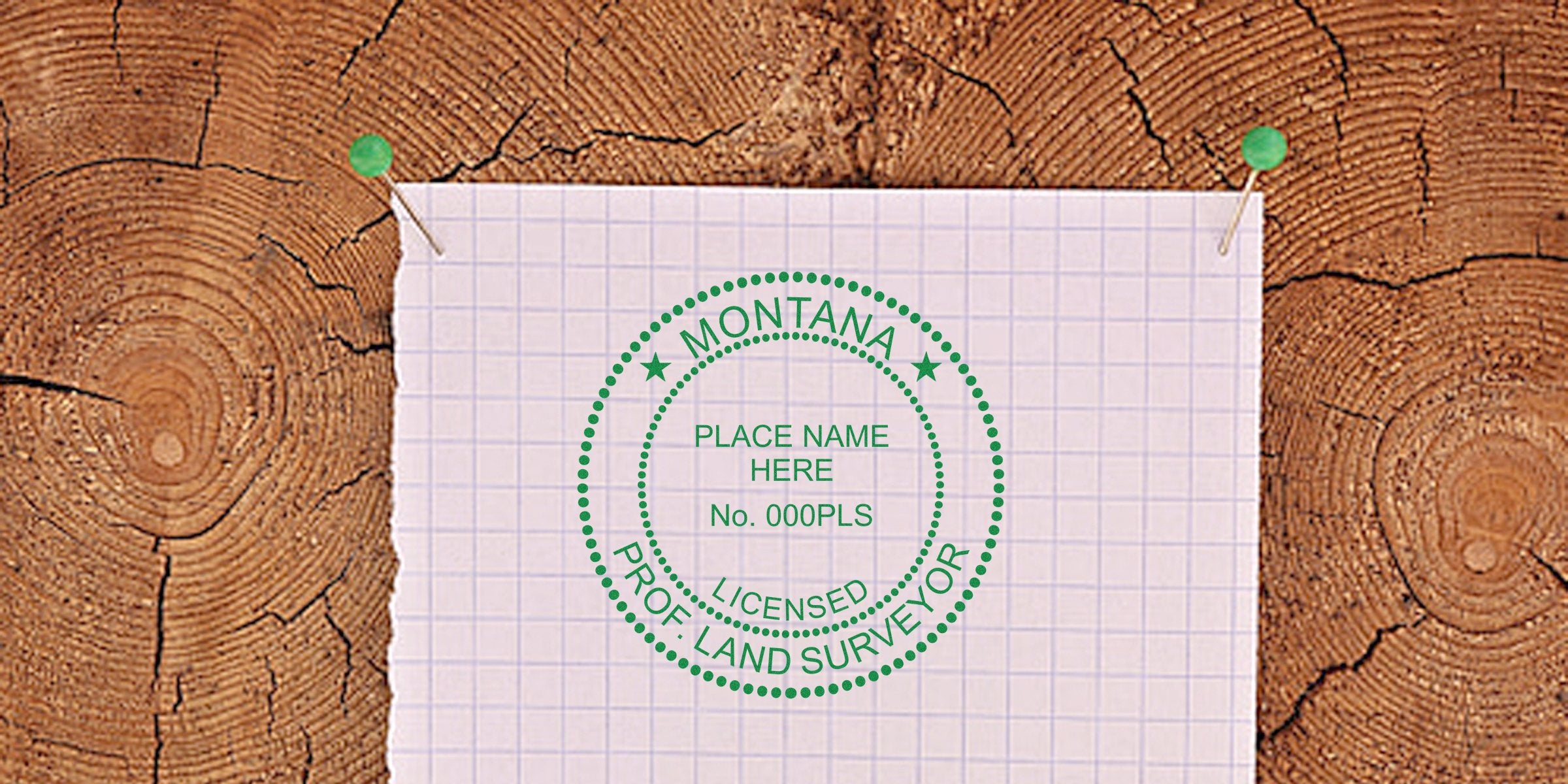
Being a professional land surveyor in Montana means you have to follow state guidelines for stamping your documents. Right off the bat, you might wonder about the ideal Montana land surveyor stamp size. Generally, the Montana Board of Professional Engineers and Professional Land Surveyors is pretty specific about how your stamp or seal needs to appear on official documents. Yet, there’s a bit of freedom too, especially when it comes to sizing, as long as the result is legible and meets regulatory standards.
Because each project can look a little different, it’s wise to review the board’s most recent requirements so you don’t risk non-compliant paperwork. If you’re ever unsure, a quick call or email to the board can clear things up fast. In most cases, though, your seal or stamp should be prominent enough to show your name, license number, and that all-important “Professional Land Surveyor” designation. Let’s dive deeper into how sizing plays out and the factors you’ll want to consider.
Why Sizing Matters
You might be tempted to grab the smallest (or biggest) seal available, but size does matter for clarity. Documents you stamp will often be scanned or photocopied, which means a clean, legible impression is key. A properly sized stamp ensures that your name, license number, and relevant text don’t blur or become unreadable in the process.
On top of that, regulators can reject improperly sized stamps if they judge the text too small or the outer border unclear. Taking the extra time to confirm your stamp’s dimensions can save you headaches down the line. If you need more background details, you can also check out the montana land surveyor stamp guide, which delves into specific requirements for visibility and proofs.
Learn The Common Stamp Dimensions
When people mention “common dimensions” for a Montana land surveyor stamp, they usually refer to round or rectangular seals that measure around 1 to 2 inches across. This sweet spot keeps the lettering crisp while satisfying the typical board guidelines. Still, you want to verify the board’s recommended measurement every couple of years in case regulations shift.
Sample Shapes And Sizes
While round stamps are popular for their classic look, you might prefer a rectangular or square layout. Here are a few examples some surveyors use in Montana:
- Round seals with a 1⅝-inch or 2-inch diameter
- Rectangular stamps roughly 1 inch by 2 inches
- Square seals ranging from 1.5 inches to 2 inches on each side
No matter the shape, the most important factor is making sure the text remains readable and that the seal properly references your professional status. You’ll typically see your name at the top, your license number in the center, and “Professional Land Surveyor” or a similar designation around the edges. Just keep the official layout in mind when selecting your size.
Checking For Updates
Even if you’ve used the same stamp for years, it’s good practice to glance at the board’s announcements for any rule tweaks. All it takes is something as simple as a half-inch difference to cause compliance issues. By confirming any new guidelines, you’ll stay up to date and avoid re-printing or re-stamping project documents.
Consider Legibility And Clarity
Think about the times you’ve picked up a document and struggled to read the fine print. The last thing you want is a client or an agency squinting at your unrecognizable seal. Legibility goes hand-in-hand with professionalism. That’s why the size you pick should prioritize clarity.
Key Tips For Readable Impressions
- Contrast Matters: Ink color plays a role. Consider black, blue, or another dark ink that pairs well with typical drafting or printing paper.
- Avoid Crowded Text: If your name and license number appear scrunched, a slightly bigger stamp might suit you better.
- Check Different Paper Types: Some official papers have a heavier texture or glossy finish, and your stamp could blur if it’s too small or if the ink doesn’t sit well.
Document Scanning And Duplication
In Montana land surveying, electronic submission is becoming more common. A crisp digital scan of your stamped document can streamline approvals, but only if your stamp remains clear in the scanned version. If your current seal is borderline illegible when scanned, it’s time to explore a new design with a more suitable size.
Choose Between Stamp Types
Picking the right Montana land surveyor stamp size is half the battle. You also want to decide on a stamp type that creates consistent, neat impressions. Not all stamps work the same way, and each has its perks. Whether you go with a pre-inked model, self-inking variety, or a traditional rubber stamp, just be sure the final outcome is readable and meets Montana’s guidelines.
Pre-Inked Stamps
Pre-inked stamps store ink in the stamp itself. With a gentle press, you typically get a sharp, precise imprint. They’re great if you want minimal mess and portability. Keep in mind, you’ll want to see a sample before buying, so you can confirm the impression remains crisp at the chosen dimensions.
Self-Inking Stamps
A self-inking stamp has a built-in ink pad, re-inking itself after each press. They’re popular among surveyors who stamp a lot of pages in a single day, since they’re quick, convenient, and less messy. Sizing options usually vary, so you can often find the perfect match for your sealing requirements.
Manual Rubber Stamps
If you’re more old-school, a manual rubber stamp might feel right. You’ll need a separate ink pad, and it can take some practice to keep everything neat. The upside is that rubber stamps often come in a wide range of custom sizes, giving you plenty of flexibility. However, do test your stamp on sample documents to make sure the lettering is consistent and easy to read.
Care For Your Stamp Properly
Once you’ve found your ideal Montana land surveyor stamp size, you want it to last. Proper maintenance can extend the life of your stamp, preserve ink quality, and ensure consistent prints every time. A neglected stamp can lead to smudged or uneven impressions, which may not be acceptable for official documents.
Cleaning Your Stamp
You’ve likely seen stamps that accumulate dried ink around the edges or in the letter grooves. That buildup causes incomplete or blurry prints. Give your stamp a quick wipe with a lint-free cloth every few uses. For stubborn ink residue, some stamp manufacturers recommend mild soap and water, but confirm this won’t damage your specific model.
Proper Ink Use
If you’re working with a pre-inked or self-inking stamp, keep an eye on ink levels. Low ink often means uneven impressions, forcing you to press harder and risk an unreadable stamp. For manual stamps, store the ink pad out of direct sunlight and away from heat or cold extremes. Extreme temperatures can dry out or thicken the ink, causing blotches.
Avoid Common Pitfalls
When you’re buried in paperwork, it’s easy to make a stamping slip-up. Small errors in stamping seem minor, but they can create bigger problems if a regulatory department flags them. Here are a few frequent pitfalls you can circumvent with some upfront planning.
Over-Inking Or Over-Pressing
Applying too much pressure tends to blur the text. If you notice each impression is a bit fuzzy around the edges, dial back your stamping force or adjust your ink levels. It might sound nitpicky, but ensuring a crisp outline is a hallmark of professional land surveying documents.
Forgetting To Replace Worn Parts
Those built-in ink pads in self-inking stamps don’t last forever. If your impressions start fading, it might be time for a new pad. The same goes for the actual rubber or polymer surface. Over time, letters and borders can degrade, making them unreadable. Keep an eye on stamp performance so you can replace components as needed.
Using The Wrong Surface
Your stamp will look great on standard white paper, but what if you need to stamp a blueprint or a heavier cardstock? If the final project is a large-format plan with a slightly coated finish, the ink might bead up or smear. Test a sample first so you don’t wind up with a half-legible seal.
Take The Next Step
If you’re ready to order or replace your Montana land surveyor stamp, you’re on the right track to stay compliant. Choosing the right size, ink type, and quality can make your day-to-day surveying tasks more efficient. More importantly, a clear stamp inspires trust with clients and regulators.
Ordering And Replacements
When shopping for a new stamp, the best approach is to gather a short list of manufacturers known for quality. Read reviews from fellow surveyors, ask colleagues for suggestions, and compare the design proofs before sealing the deal. If your chosen vendor offers sample impressions, jump on that opportunity. A quick test can prevent wasted money on a stamp that’s too small or too large.
Also, think ahead. You might go through busy seasons when you’re stamping dozens of documents daily. Stock up on extra ink or replacement pads when you place your main order. That way, you won’t need to scramble when the ink suddenly runs low just as an urgent report is due.
Always Comply With Relevant Laws
Montana regulations can change. Every so often, the board revisits guidelines, including acceptable seal dimensions. Make it a habit to skim official updates or subscribe to the board’s newsletter. Any modifications to text style, wording, or layout will typically come with a grace period for compliance, but you want to be proactive, not scrambling last minute.
Summary And Practical Tips
Because a professional seal is a must-have in your land surveying toolkit, finding the right Montana land surveyor stamp size gives you immediate peace of mind. A crisp seal means you’ve dotted your i’s and crossed your t’s from a legal standpoint, plus it looks more polished in project deliverables. You never know who might see those documents—potential clients, municipal officials, or peers—and a clear, properly sized stamp reflects a level of diligence worthy of a trusted professional.
Before you finalize your purchase, remember:
- Make sure your stamp meets the state’s published sizing, layout, and legibility rules.
- Test the stamp on typical paper and alternate materials you commonly use.
- Keep up with rule changes, especially if you’re renewing your license or ordering a new stamp.
- Clean and maintain your stamp regularly to avoid smudges and incomplete impressions.
By following these steps, you’ll comfortably select, use, and care for your Montana land surveyor stamp. In turn, you’re protecting your professional reputation and simplifying your workflow whenever you sign off on official documents. If you’re still weighing the best approach, don’t hesitate to reach out to fellow surveyors or the Montana board. A little homework now can save lots of hassle later. Good luck with your next stamp, and here’s to many clean, compliant impressions in the years ahead!
Frequently Asked Questions
What is the standard Montana land surveyor stamp size?
Montana land surveyor stamps are commonly made in round, square, or rectangular formats, with many professionals using sizes around 1 to 2 inches across. Popular options include 1⅝-inch or 2-inch round seals and 1 inch by 2 inch rectangular stamps. The best size is one that keeps your name, license number, and “Professional Land Surveyor” designation clear and legible while meeting current Montana Board requirements.
How do I know if my Montana surveyor stamp is compliant?
To stay compliant, your stamp should include the required professional information, be easy to read, and follow the latest Montana Board of Professional Engineers and Professional Land Surveyors rules. It’s important to check the current regulations before ordering or replacing a stamp, since requirements can change. If you’re unsure, contact the board directly to confirm the correct format and sizing.
Which stamp type is best for a Montana land surveyor: pre-inked, self-inking, or rubber?
The best stamp type depends on how often you stamp documents and how crisp you want the impression to be. Pre-inked stamps are ideal for sharp, clean impressions, self-inking stamps are convenient for high-volume use, and manual rubber stamps offer more flexibility in custom sizing. No matter which type you choose, make sure it produces a clear, professional impression on your typical documents.
Why does stamp size matter for land surveyor documents in Montana?
Stamp size matters because your seal must remain legible on printed, scanned, and copied documents. If the stamp is too small, the text can blur or become unreadable; if it’s too large, it may not fit well on plans or official forms. A properly sized Montana land surveyor stamp helps reduce the risk of rejected paperwork and supports a professional appearance.
How can I make sure my Montana surveyor stamp stays readable?
To keep your stamp readable, use the right ink level, avoid pressing too hard, and clean the stamp regularly. It also helps to choose a size that leaves enough space for your name and license details without crowding the design. Testing the stamp on the paper types you use most often can help you catch readability issues before submitting official documents.
When should I replace my Montana land surveyor stamp or ink pad?
You should replace your stamp or ink pad when impressions start fading, smudging, or showing incomplete text or borders. Worn stamp components can affect legibility and compliance, especially on documents that need to be scanned or filed. If you notice inconsistent prints, it’s a good time to order a replacement stamp or fresh ink pad before it causes delays.








