
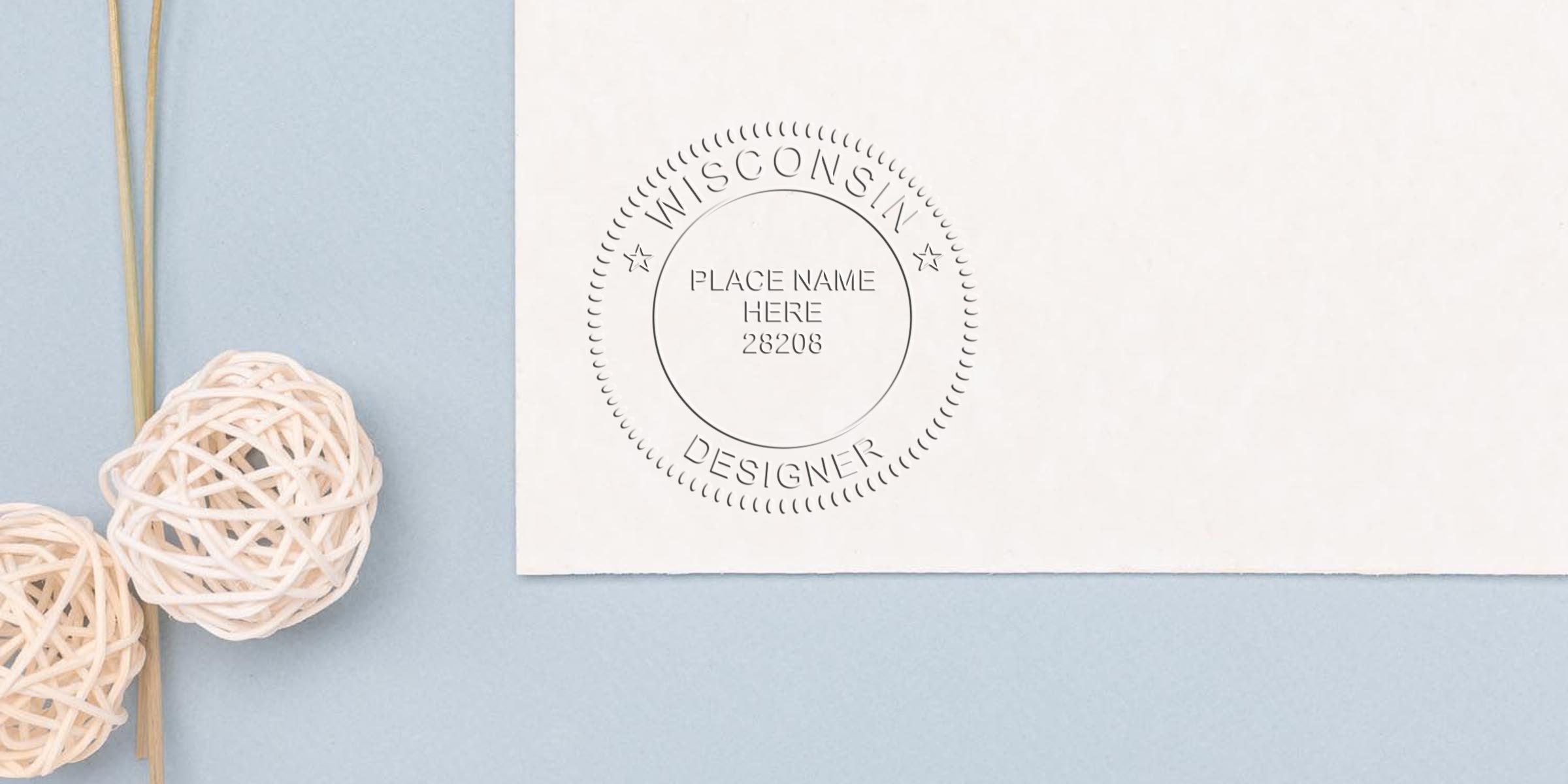
Written by Acorn Sales Company, manufacturing stamps and seals since 1964 · Reviewed by Holly R, VP of Sales and Marketing at Acorn Sales, against the Wisconsin Examining Board of Architects, Landscape Architects, Professional Engineers, Designers, Professional Land Surveyors, and Registered Interior Designers and Wis. Stat. § 443.17(3) on 21 September 2026 · Updated 21 September 2026
Your seal is between 1-5/8 and 2 inches overall and carries three things: your name as credentialed, your credential number and your city. Wis. Admin. Code § A-E 2.02(1) sets both halves of that, and the range is the same one Wisconsin applies to architects and engineers, so there is no smaller device for this credential. The city is the element national templates leave off, so name it expressly when you order.
The sealing duty is statutory. Wis. Stat. § 443.17(3) provides that “A Wisconsin registered interior designer who is responsible for preparing an interior technical submission for delivery to any person or for a public record shall date, sign, and impress his or her seal or stamp upon the interior technical submission and any other related documents prepared by the Wisconsin registered interior designer.” A-E 2.02(4) names registered interior design practice among the practices whose every sheet must be signed, sealed and dated, with the bound-volume relief in sub. (5).
Look for the specification in A-E 2.02, not in ch. A-E 14. The registration chapter created by CR 24-001 effective 1 August 2024 contains no seal provision at all; it was CR 24-028, effective 1 June 2025, that wrote registered interior designers into the seal rule alongside the other five professions. A-E 2.02(3) then permits an embossing seal, an ink stamp seal, a digitally printed seal or a digitally embedded seal in an electronic file.
Wisconsin interior designer seal requirements at a glance
| Requirement | Wisconsin rule | Source |
|---|---|---|
| Seal required | Yes | Wis. Stat. § 443.17(3) |
| Required elements | Your name as credentialed, Your credential number and Your city | Wis. Admin. Code § A-E 2.02(1) |
| Size and shape | Not less than 1-5/8 inches and not more than 2 inches overall diameter. | Wis. Admin. Code § A-E 2.02(1) |
| Device allowed | A-E 2.02(3), repealed and recreated by CR 24-028 effective 1 June 2025: “The registration seal may be an embossing seal, an ink stamp seal, a digitally printed seal, or digitally embedded seal in an electronic. | Wis. Admin. Code § A-E 2.02(3), as repealed and recreated by CR 24-028, eff. 6-1-25 |
| Signature and date | The statute and the rule agree that a date is required. | Wis. Stat. § 443.17(3) |
| What must be sealed | Interior technical submissions prepared for delivery to any person or for a public record, plus any other related documents you prepared, under Wis. Stat. § 443.17(3). | Wis. Stat. § 443.17(3), (4) |
| Electronic seal | No named technology. | Wis. Admin. Code § A-E 2.02(3), (7)(b)3, as created or recreated by CR 24-028, eff. 6-1-25 |
| Renewal and lapse | A credential not renewed by the renewal date may be renewed on payment of the renewal fee within five years of expiration under A-E 2.05(1); beyond five years A-E 2.05(2) sends the application to the relevant section for a competence determination and any conditions it imposes. | Wis. Admin. Code §§ A-E 2.045, A-E 2.05 |
| Firm requirements | A certificate of authorization is required, and registered interior designers are expressly inside that requirement. | Wis. Stat. § 443.08(2), (3)(a) |
| Regulator | The Wisconsin Examining Board of Architects, Landscape Architects, Professional Engineers, Designers, Professional Land Surveyors, and Registered Interior Designers | Wis. Stat. §§ 443.08, 443.17 and 443.175, 2023-24 Wisconsin Statutes published 4 Sept. 2026, with Wis. Admin. Code §§ A-E 2.02 and A-E 2.03(5) and ch. A-E 14 (interior designer registration, created by CR 24-001, Register July 2024 No. 823, eff. 8-1-24). A-E 2.02(3), (5) and (7) were amended or recreated by CR 24-028, Register May 2025 No. 833, eff. 6-1-25, which is the action that wrote registered interior designers into the seal rule. |
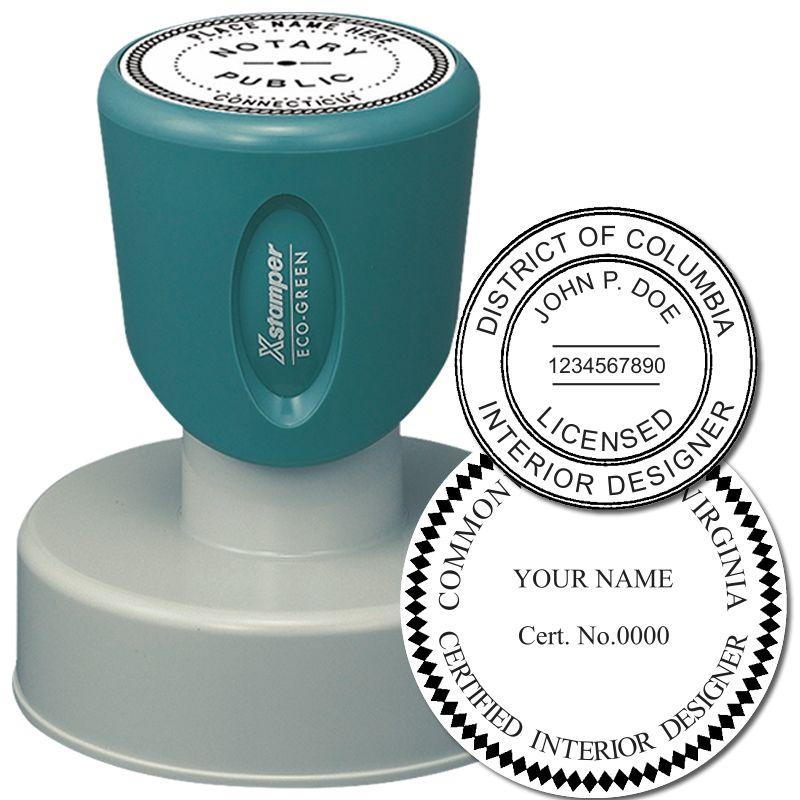



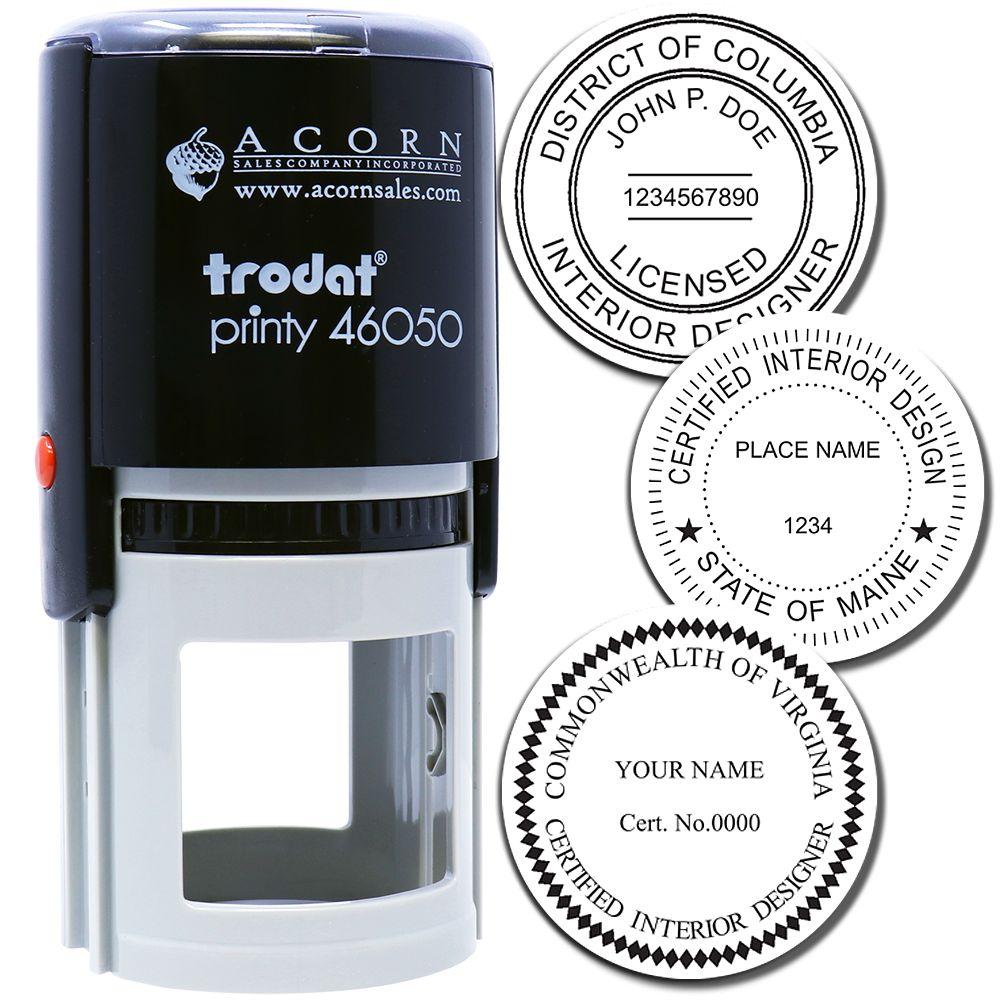
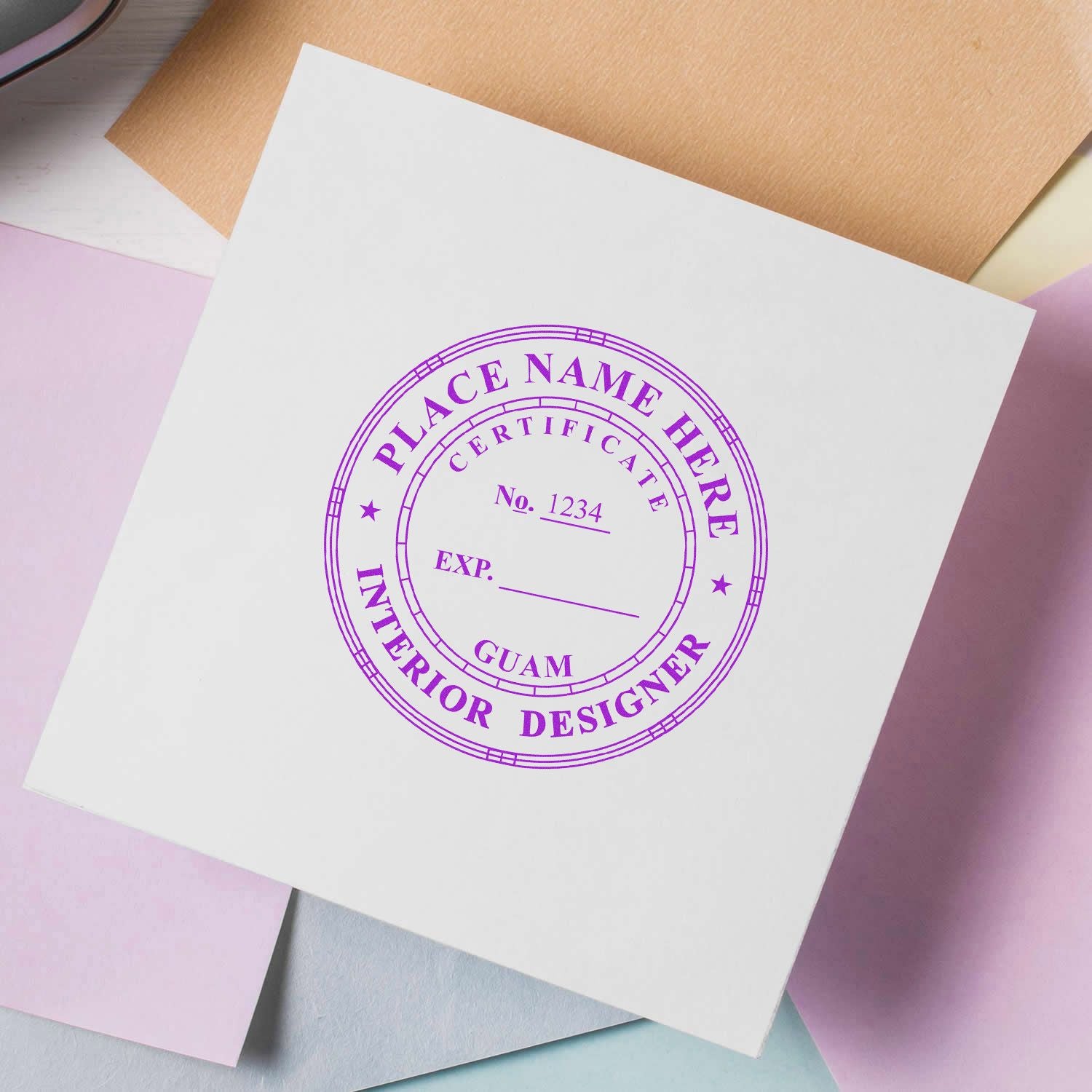
Is a seal required in Wisconsin?
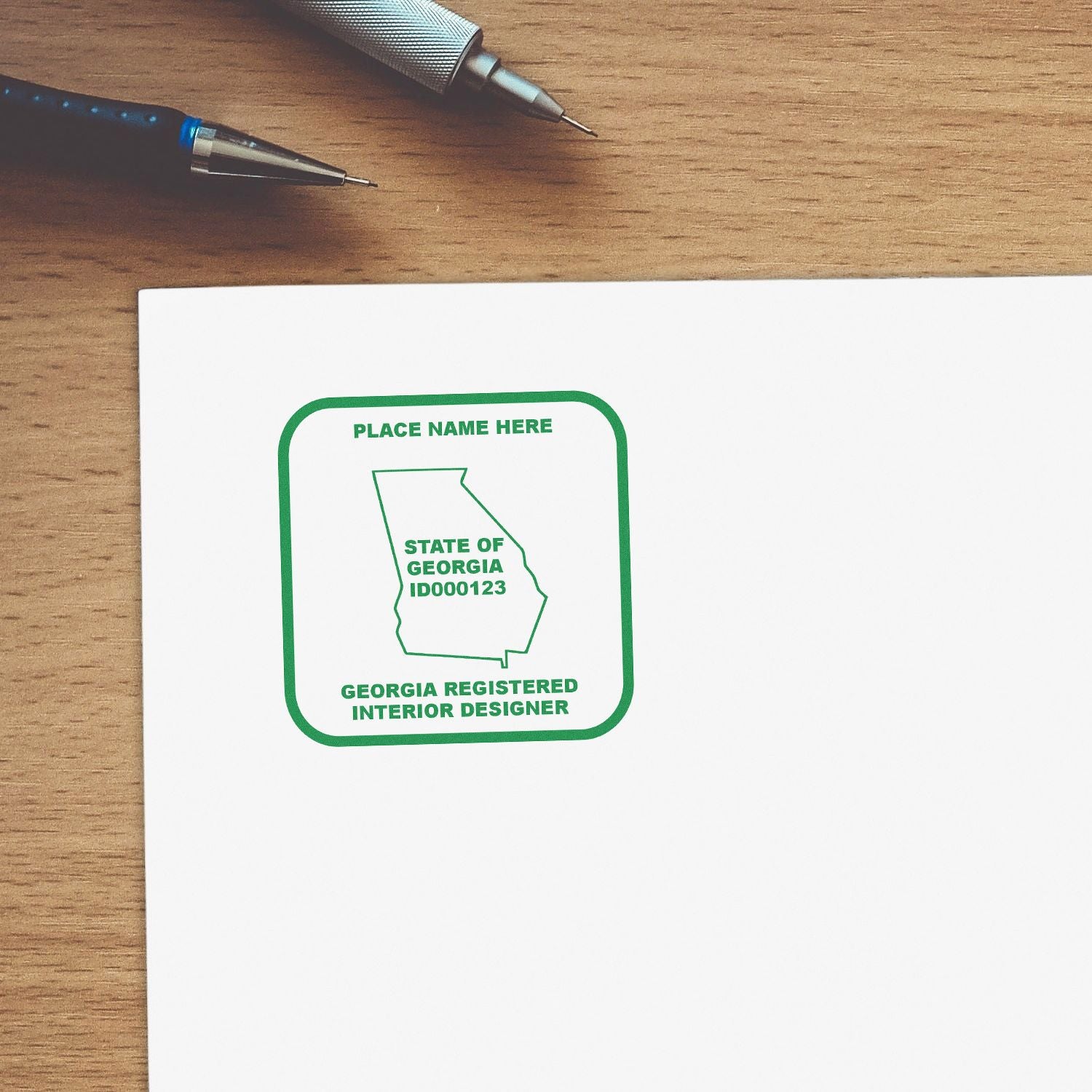
Wisconsin registered interior designers have a statutory sealing duty of their own. Wis. Stat. § 443.17(3): “A Wisconsin registered interior designer who is responsible for preparing an interior technical submission for delivery to any person or for a public record shall date, sign, and impress his or her seal or stamp upon the interior technical submission and any other related documents prepared by the Wisconsin registered interior designer.” The board rule runs in parallel: Wis. Admin. Code § A-E 2.02(4) names registered interior design practice among the practices whose every sheet must be signed, sealed and dated, and A-E 2.02(1) requires each credential holder to obtain a seal.
What must appear on the seal
- Your name as credentialed
- Your credential number
- Your city
Wis. Stat. § 443.17(2)(a) directs that “The registered interior designer section of the examining board shall promulgate rules establishing specifications for seals and stamps used by Wisconsin registered interior designers,” and (2)(b) forbids using a seal that does not satisfy them. Those specifications are in A-E 2.02, which was amended by CR 24-028 to name registered interior designers alongside the other five professions; ch. A-E 14, the interior designer registration chapter created by CR 24-001 effective 1 August 2024, contains no seal provision, so do not look there. That means your required elements are the same three the rest of the board’s credentials carry: name, credential number and city. The approved designs at A-E 2.02(2) are published as a diagram with no extractable text, so the ring wording has to be copied from the published image.
Size and shape
Not less than 1-5/8 inches and not more than 2 inches overall diameter. A-E 2.02(1): “The overall diameter may not be less than 15/8 inches nor more than 2 inches.” Wisconsin applies the same range to registered interior designers as to architects and engineers, so there is no smaller device for this credential.


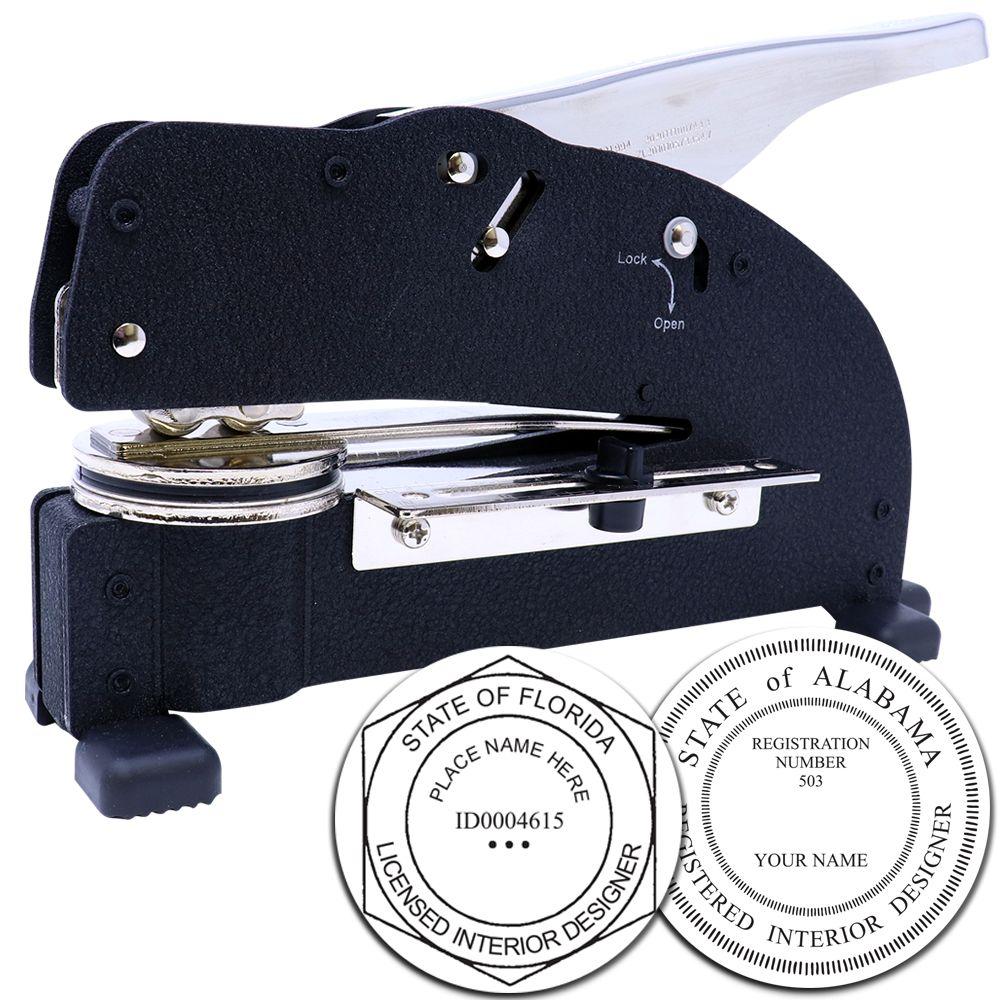
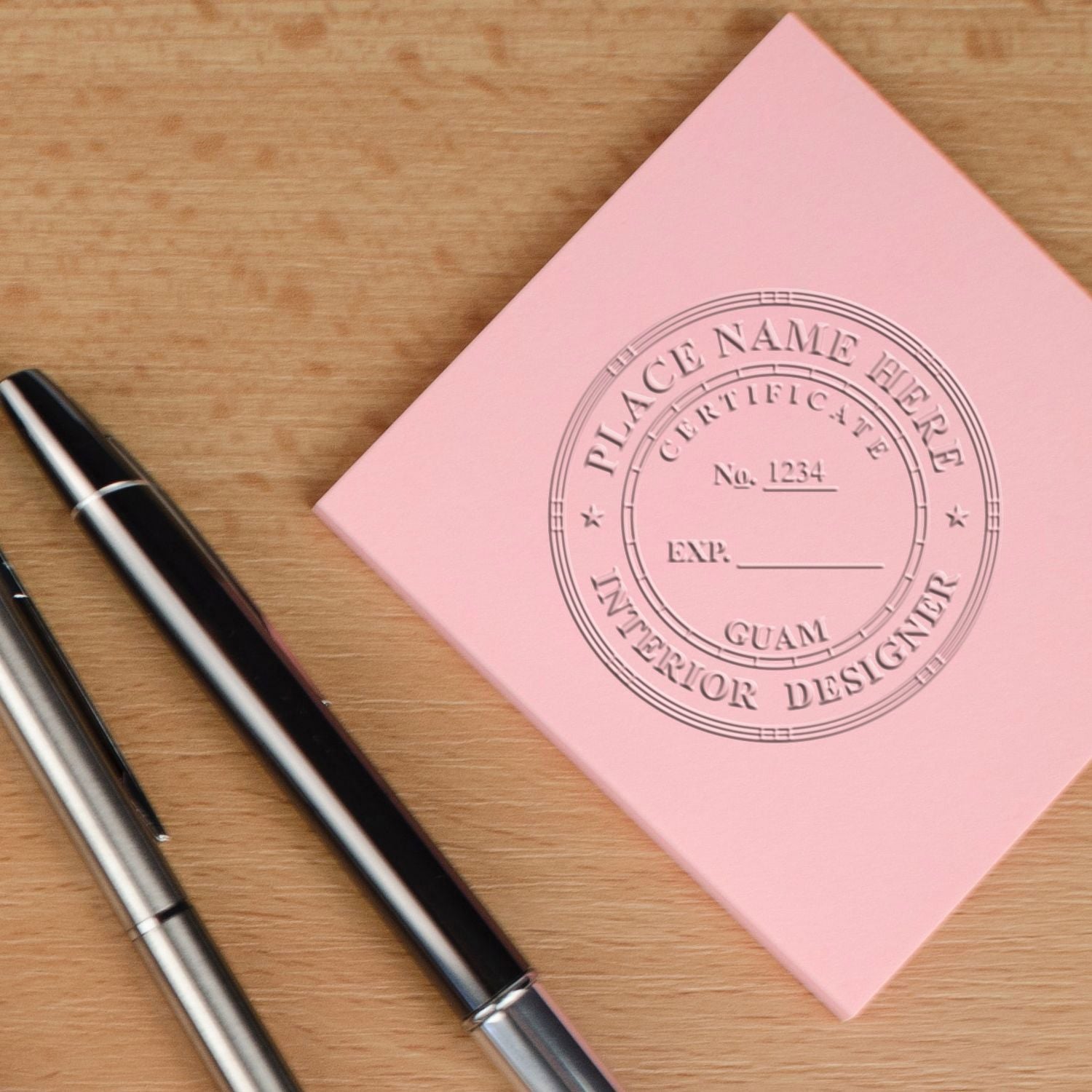

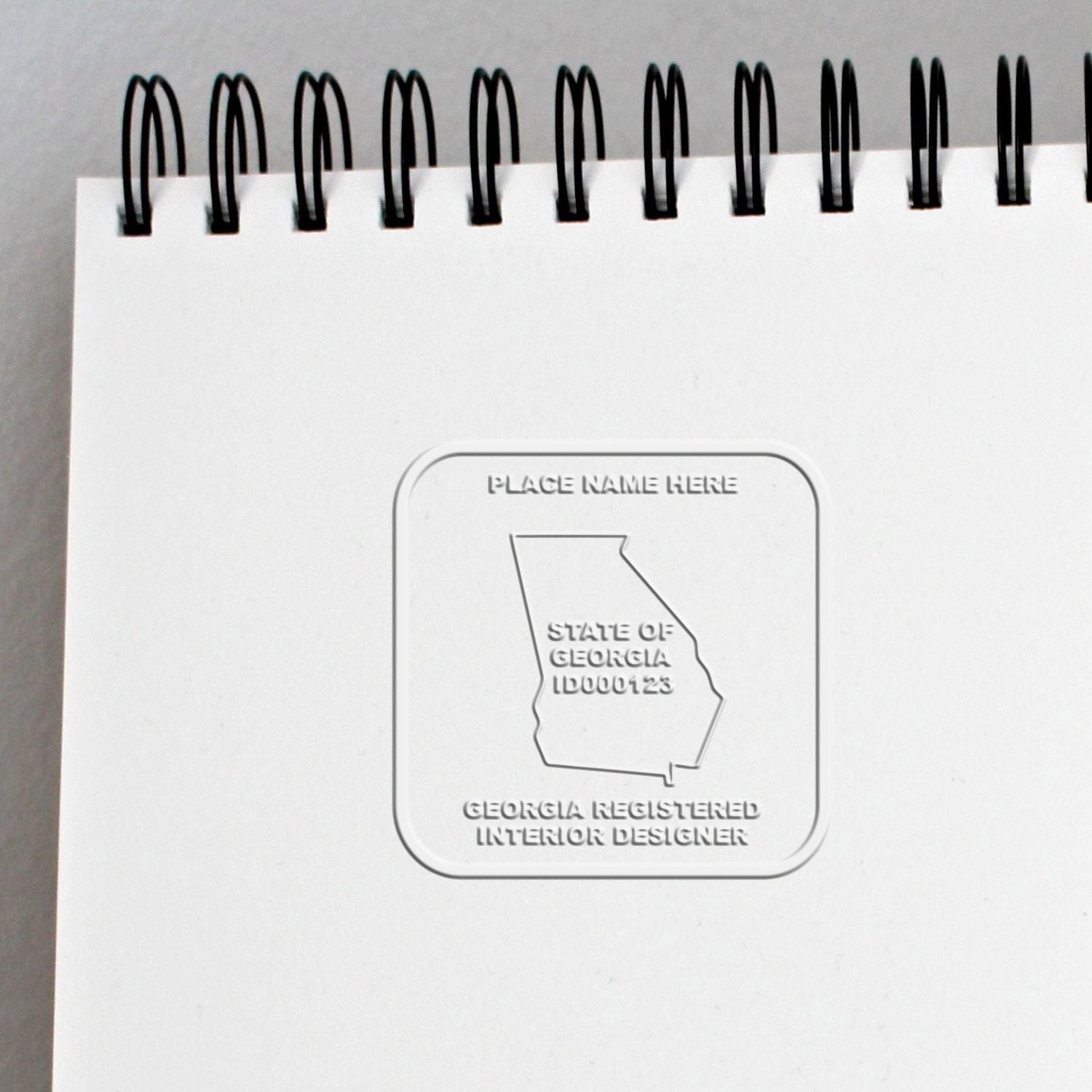
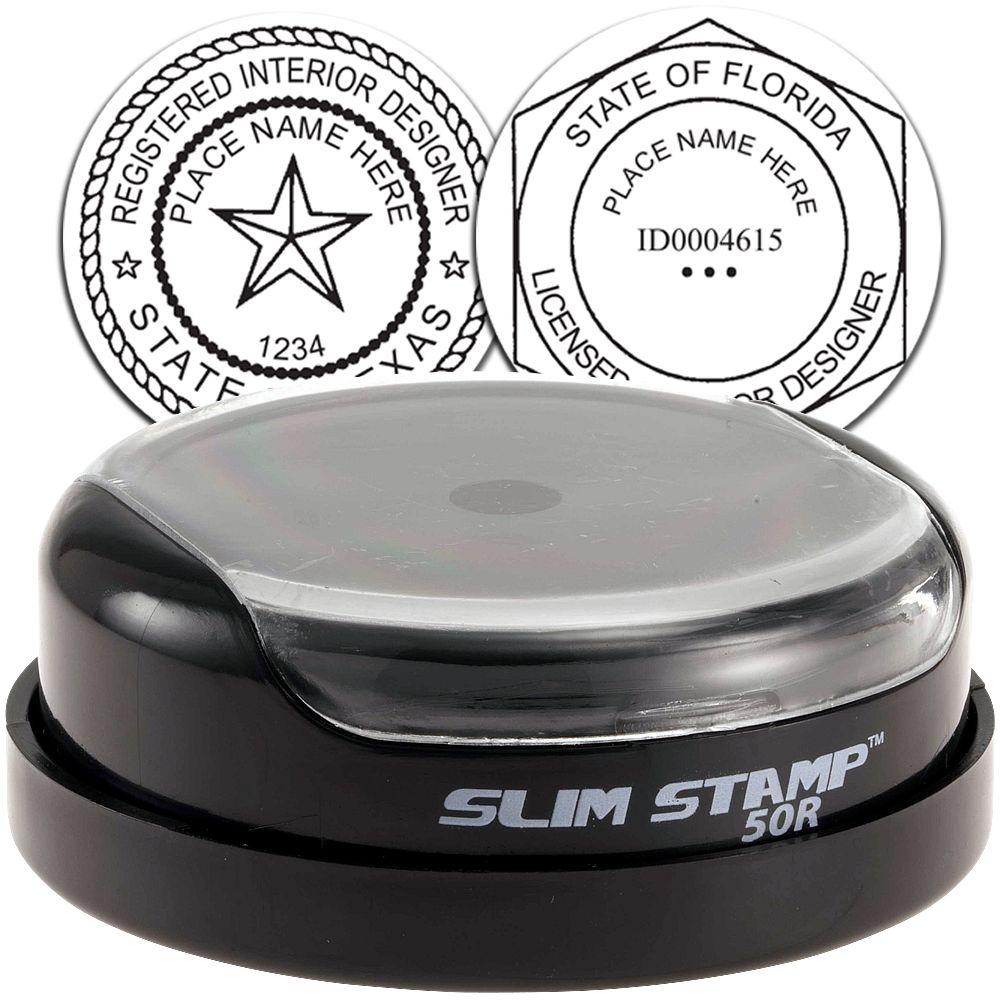
Embosser, rubber stamp or digital
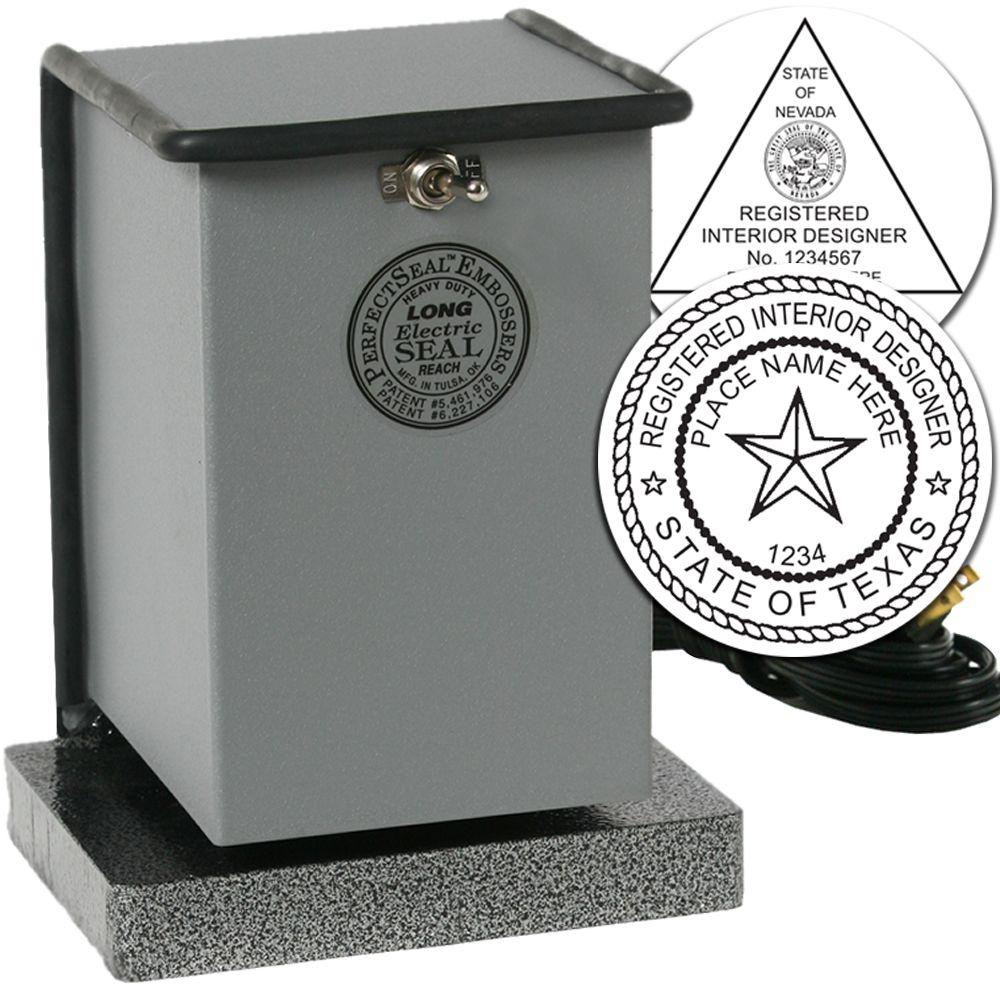
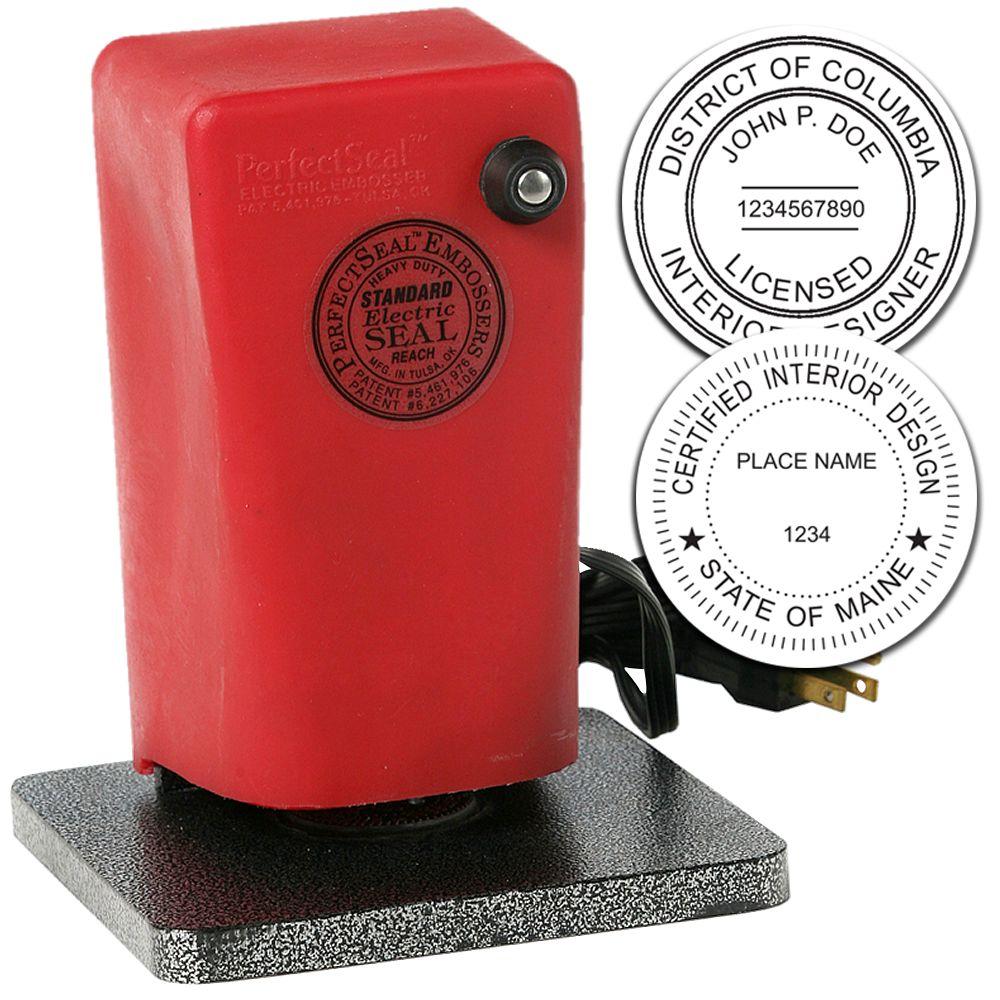
A-E 2.02(3), repealed and recreated by CR 24-028 effective 1 June 2025: “The registration seal may be an embossing seal, an ink stamp seal, a digitally printed seal, or digitally embedded seal in an electronic file.” The ink stamp seal is the safe buy, since interior technical submissions go to municipal reviewers as copies, with the same artwork supplied as a digital file.
Signing and dating
The statute and the rule agree that a date is required. Wis. Stat. § 443.17(3) requires you to “date, sign, and impress” your seal on the interior technical submission and related documents. A-E 2.02(7)(b) then gives three permitted combinations on documents filed as public documents: a physically placed seal with a handwritten signature in permanent ink containing the name and date; a digitally placed seal with a handwritten signature in permanent ink containing the name and date; or a digitally placed seal with an electronic signature containing the name and date. Signing across the face of the seal is not required.
Your municipality has to accept your seal, and the rule that describes it only arrived in 2025
Wis. Stat. § 443.175(2) is the provision that makes this credential worth holding: “If a city, village, town, or county requires a seal or stamp on interior technical submissions that are submitted for an interior alteration or interior construction project, the city, village, town, or county shall accept interior technical submissions impressed with the seal or stamp of a Wisconsin registered interior designer consistent with this chapter.” A Wisconsin municipality cannot insist on an architect’s seal for an interior technical submission that your seal covers.
The catch is the second half of that sentence. Wis. Stat. § 443.17(2)(a) told the registered interior designer section to promulgate seal specifications by rule, and (2)(b) provides that no registered interior designer may impress a seal “unless the seal or stamp satisfies the specifications established by rule under par. (a).” Those specifications now sit in A-E 2.02, which was amended by CR 24-028 effective 1 June 2025 to name registered interior designers alongside the other five professions. Ch. A-E 14, the registration chapter, has no seal provision at all, so anyone hunting for an interior-designer-specific seal chapter will come up empty.
So the practical answer is that your seal is the standard Wisconsin device: overall diameter between 1-5/8 and 2 inches, carrying your name, your credential number and your city. The city is the element that national templates omit. And unlike land surveyors and landscape architects, you are inside the certificate of authorization requirement in Wis. Stat. § 443.08(2), so the firm you practice through needs one.
Which documents must be sealed
Interior technical submissions prepared for delivery to any person or for a public record, plus any other related documents you prepared, under Wis. Stat. § 443.17(3). Under A-E 2.02(4) the default is every sheet, with the bound-volume relief in sub. (5) for the title or index sheet of a bound volume that clearly identifies all other sheets. A-E 2.02(6) requires any addition, deletion or other revision affecting public health and safety or a state or local code requirement to be signed, sealed and dated by whoever made or directed it. Wis. Stat. § 443.17(4) forbids sealing a document you did not prepare or letting anyone else use your seal.
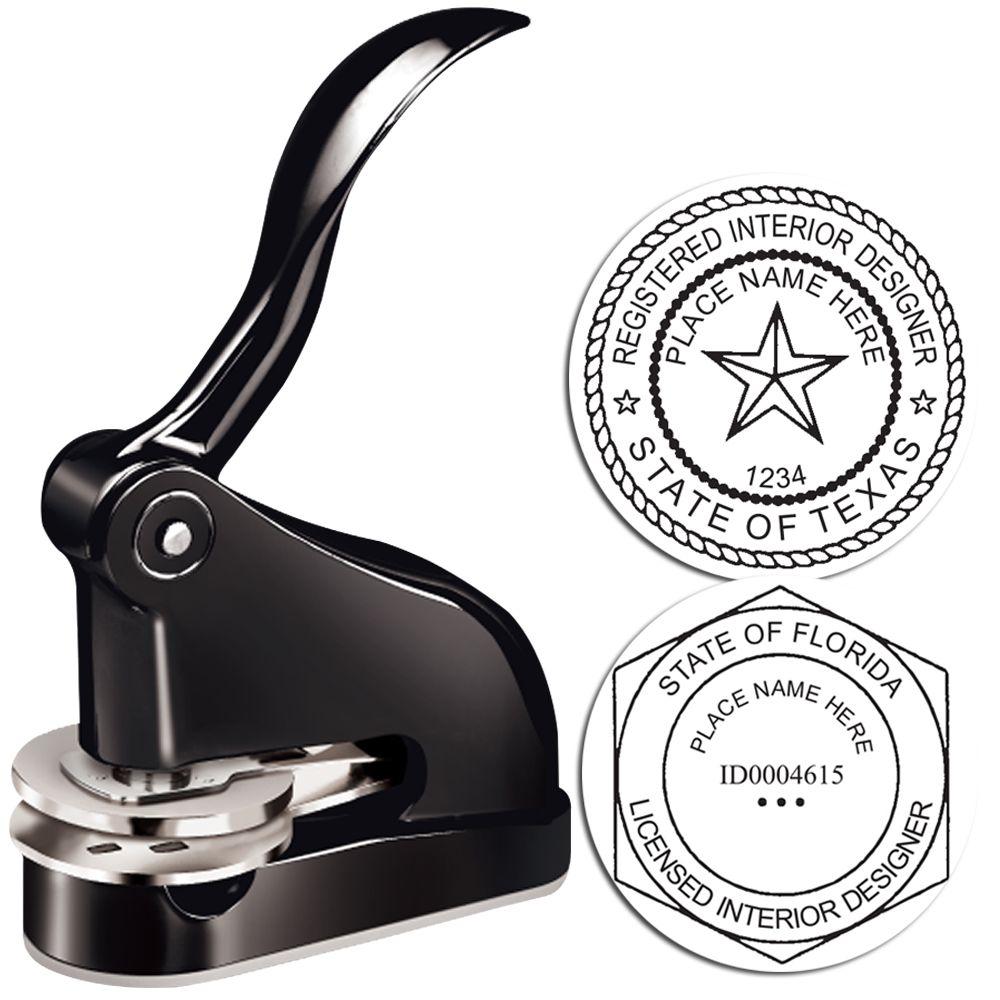




Electronic and digital seals
No named technology. A-E 2.02(7)(b)3 permits digital placement of a seal with an electronic signature containing the name and date, and A-E 2.02(3) recognizes a digitally printed seal and a digitally embedded seal in an electronic file. The board names no certificate authority, algorithm or tamper-evidence test. Both provisions came in with CR 24-028 effective 1 June 2025, which is also when registered interior designers were written into the seal rule, so there is effectively no pre-2025 Wisconsin electronic-sealing guidance for this credential to rely on.
Renewal, lapse and retirement
A credential not renewed by the renewal date may be renewed on payment of the renewal fee within five years of expiration under A-E 2.05(1); beyond five years A-E 2.05(2) sends the application to the relevant section for a competence determination and any conditions it imposes. A-E 2.045 provides retired status at 65 or after 20 years of active credential maintenance. Wis. Stat. § 443.17(2)(b) is the credential-specific limit on the device itself: no Wisconsin registered interior designer may impress a seal that does not satisfy the specifications established by rule, so a device built before the June 2025 amendments should be checked against the current A-E 2.02 rather than assumed good.
Firm requirements
A certificate of authorization is required, and registered interior designers are expressly inside that requirement. Wis. Stat. § 443.08(2) bars an individual architect, professional engineer, designer or Wisconsin registered interior designer from practicing as a principal, officer, employee or agent of a firm, partnership or corporation unless all personnel practicing on its behalf are credentialed and the firm holds a certificate of authorization under sub. (3)(a). A-E 2.03(5), created by CR 25-082 effective 1 July 2026, carries the same prohibition and exempts a sole proprietorship practicing under the same name as the individual. The firm holds no seal and its number does not go on the submission.
What to check before you order
Order to A-E 2.02, not to any interior-designer-specific chapter, because ch. A-E 14 contains no seal provision. That means an overall diameter between 1-5/8 and 2 inches carrying your name as credentialed, your credential number and your city. Name the city expressly when you order; it is a required element and suppliers leave it off. Send the approved design diagram attached to A-E 2.02(2) for the ring layout, since it exists only as an image. Take the ink stamp for municipal submissions and ask for the matching digital file. Check any device you already own against the rule as recreated by CR 24-028 effective 1 June 2025, because Wis. Stat. § 443.17(2)(b) forbids impressing a seal that does not meet the current specifications.
Browse interior designer stamps and seals.
Frequently asked questions
Is a seal required for a Wisconsin registered interior designer?
Yes, by statute and by rule. Wis. Stat. § 443.17(3) requires you to date, sign and impress your seal on an interior technical submission prepared for delivery to any person or for a public record, and on related documents you prepared. A-E 2.02(1) separately requires each credential holder to obtain a seal, and A-E 2.02(4) puts registered interior design practice inside the every-sheet rule.
What has to appear on a Wisconsin registered interior designer seal?
Three elements under A-E 2.02(1): your name as credentialed, your credential number and your city. That is the same set the other credentials on this board carry. The approved designs at A-E 2.02(2) are published as a diagram with no extractable text, so the ring wording has to be copied from the published image rather than typed from the rule.
What size is a Wisconsin registered interior designer seal?
A-E 2.02(1) states it as a range: “The overall diameter may not be less than 15/8 inches nor more than 2 inches.” Anything inside that band is compliant. Wisconsin applies the same range to registered interior designers as to architects and engineers, so a supplier who offers you a smaller device for this credential has invented the distinction.
Which rule prescribes the Wisconsin interior designer seal?
A-E 2.02. Wis. Stat. § 443.17(2)(a) directed that “The registered interior designer section of the examining board shall promulgate rules establishing specifications for seals and stamps used by Wisconsin registered interior designers,” and those specifications live in A-E 2.02 as amended by CR 24-028 effective 1 June 2025. Ch. A-E 14, the registration chapter, has no seal provision, so searching there comes up empty.
Embossing seal or ink stamp in Wisconsin?
Either, plus two digital forms. A-E 2.02(3), repealed and recreated by CR 24-028 effective 1 June 2025, provides that “The registration seal may be an embossing seal, an ink stamp seal, a digitally printed seal, or digitally embedded seal in an electronic file.” The ink stamp is the practical buy, since interior technical submissions reach municipal reviewers as copies, and ordering the matching digital file at the same time covers the electronic route.
Does my signature have to cross the Wisconsin seal?
No. A-E 2.02(7)(b) gives three permitted combinations on documents filed as public documents: a physically placed seal with a handwritten signature in permanent ink containing the name and date; a digitally placed seal with a handwritten signature in permanent ink containing the name and date; or a digitally placed seal with an electronic signature containing the name and date. Signing across the face of the seal is not among the requirements. The date is required either way, by both Wis. Stat. § 443.17(3) and the rule.
Do Wisconsin municipalities have to accept my seal?
Yes, on interior technical submissions. Wis. Stat. § 443.175(2) provides that “If a city, village, town, or county requires a seal or stamp on interior technical submissions that are submitted for an interior alteration or interior construction project, the city, village, town, or county shall accept interior technical submissions impressed with the seal or stamp of a Wisconsin registered interior designer consistent with this chapter.” A municipality cannot insist on an architect’s seal for a submission yours covers.
Which documents does a Wisconsin registered interior designer seal?
Interior technical submissions prepared for delivery to any person or for a public record, plus any related documents you prepared, under Wis. Stat. § 443.17(3). The default under A-E 2.02(4) is every sheet, with sub. (5) allowing the title or index sheet of a bound volume to cover the rest where it clearly identifies all other sheets. A-E 2.02(6) requires any addition, deletion or revision affecting public health and safety or a state or local code requirement to be signed, sealed and dated by whoever made or directed it.
Can I seal Wisconsin interior technical submissions electronically?
Yes, with no named technology. A-E 2.02(7)(b)3 permits a digitally placed seal with an electronic signature containing the name and date, and A-E 2.02(3) recognizes both a digitally printed seal and a digitally embedded seal in an electronic file. The board names no certificate authority, algorithm or tamper-evidence test. Both provisions arrived with CR 24-028 effective 1 June 2025, the same action that wrote this credential into the seal rule, so there is no earlier Wisconsin guidance on the point to fall back on.
What happens if my Wisconsin credential lapses?
A-E 2.05(1) lets a credential not renewed by the renewal date be renewed on payment of the renewal fee within five years of expiration; beyond five years A-E 2.05(2) sends the application to the relevant section for a competence determination and any conditions it imposes. A-E 2.045 offers retired status at 65 or after 20 years of active credential maintenance. The device-specific limit is Wis. Stat. § 443.17(2)(b): no Wisconsin registered interior designer may impress a seal that does not satisfy the specifications established by rule, so check a device bought before June 2025 against the current A-E 2.02 rather than assuming it still passes.
Does my firm need a certificate of authorization in Wisconsin?
Yes, and registered interior designers are expressly inside that requirement. Wis. Stat. § 443.08(2) bars an individual architect, professional engineer, designer or Wisconsin registered interior designer from practicing as a principal, officer, employee or agent of a firm, partnership or corporation unless all personnel practicing on its behalf are credentialed and the firm holds a certificate of authorization under sub. (3)(a). A-E 2.03(5), created by CR 25-082 effective 1 July 2026, carries the same prohibition and exempts a sole proprietorship practicing under the same name as the individual. The firm holds no seal and its number does not go on the submission.
Can someone else use my Wisconsin seal?
No. Wis. Stat. § 443.17(4) forbids sealing a document you did not prepare and forbids letting anyone else use your seal. That makes the device personal to you in the same way the other credentials on this board are treated, and it is the reason the seal carries your name rather than the firm’s.








