

Written by Acorn Sales Company, manufacturing stamps and seals since 1964 · Reviewed by Holly R, VP of Sales and Marketing at Acorn Sales, against the District of Columbia Board of Professional Engineering and DCMR chapter 17-15 on 22 September 2026 · Updated 22 September 2026
The District licenses you as a Land Surveyor and then requires your seal to read Professional Surveyor. DCMR § 17-1516.4 lists what every seal in the chapter must carry: the words District of Columbia, the licensee’s name, the license number, and the words Professional Engineer or Professional Surveyor as appropriate, plus any other information requested by the Board. The Department of Licensing and Consumer Protection calls the credential Land Surveyor on its list of license categories. The seal rule does not use that phrase, and ordering a die lettered Land Surveyor is the single most common way to get one made wrong here.
Beyond the wording the District is unusually quiet. Section 1516 contains no diameter, no shape and no border specification, so the layout is yours within a legibility test. Surveyors and engineers share one chapter of rules and one board: D.C. Official Code § 47-2853.06(e) establishes the Board of Professional Engineering and gives it both professions, and the agency also styles it the Board of Professional Engineers and Land Surveyors. This page is a reading of public sources and is not legal advice.
District of Columbia land surveyor seal requirements at a glance
| Requirement | District of Columbia rule | Source |
|---|---|---|
| Seal required | Yes. The seal and signature go on all land surveys, reports, plats, drawings, plans and calculations presented to a client or any public agency. | DCMR 17-1516.3 |
| Required elements | District of Columbia; the licensee’s name; the license number; the words Professional Surveyor; and any other information requested by the Board. | DCMR 17-1516.4 |
| Size and shape | Not prescribed. No diameter, border or shape appears anywhere in section 1516. | DCMR 17-1516, full section |
| Device allowed | Not prescribed. The seal must reproduce when copies are made, and computer generated seals are expressly allowed. | DCMR 17-1516.6 and 17-1516.9 |
| Signature and date | Handwritten signature adjacent to or across the seal, with the date written below the stamp. | DCMR 17-1516.9 |
| What must be sealed | Final land surveys, reports, plats, drawings, plans and calculations. On multi sheet sets, the title page and each sheet. | DCMR 17-1516.3 and 17-1516.7 |
| Electronic seal | Digital signatures need a unique signature, source verification, sole control, invalidation on change, and a list of hardware, software and parameters used. | DCMR 17-1516.10 |
| Renewal and lapse | Licenses expire 31 August in even numbered years. DLCP states 12 continuing education hours for land surveyors, including one ethics course. | DLCP Board of Professional Engineers page; DCMR 17-1513 and 17-1526 |
| Firm requirements | No surveying firm license. The professional design firm license reaches architecture, interior design and landscape architecture only. | D.C. Official Code 47-2853.64 and 47-2853.65 |
| Regulator | District of Columbia Board of Professional Engineering, within the Department of Licensing and Consumer Protection. | D.C. Official Code 47-2853.06(e); DLCP Board of Professional Engineers page |



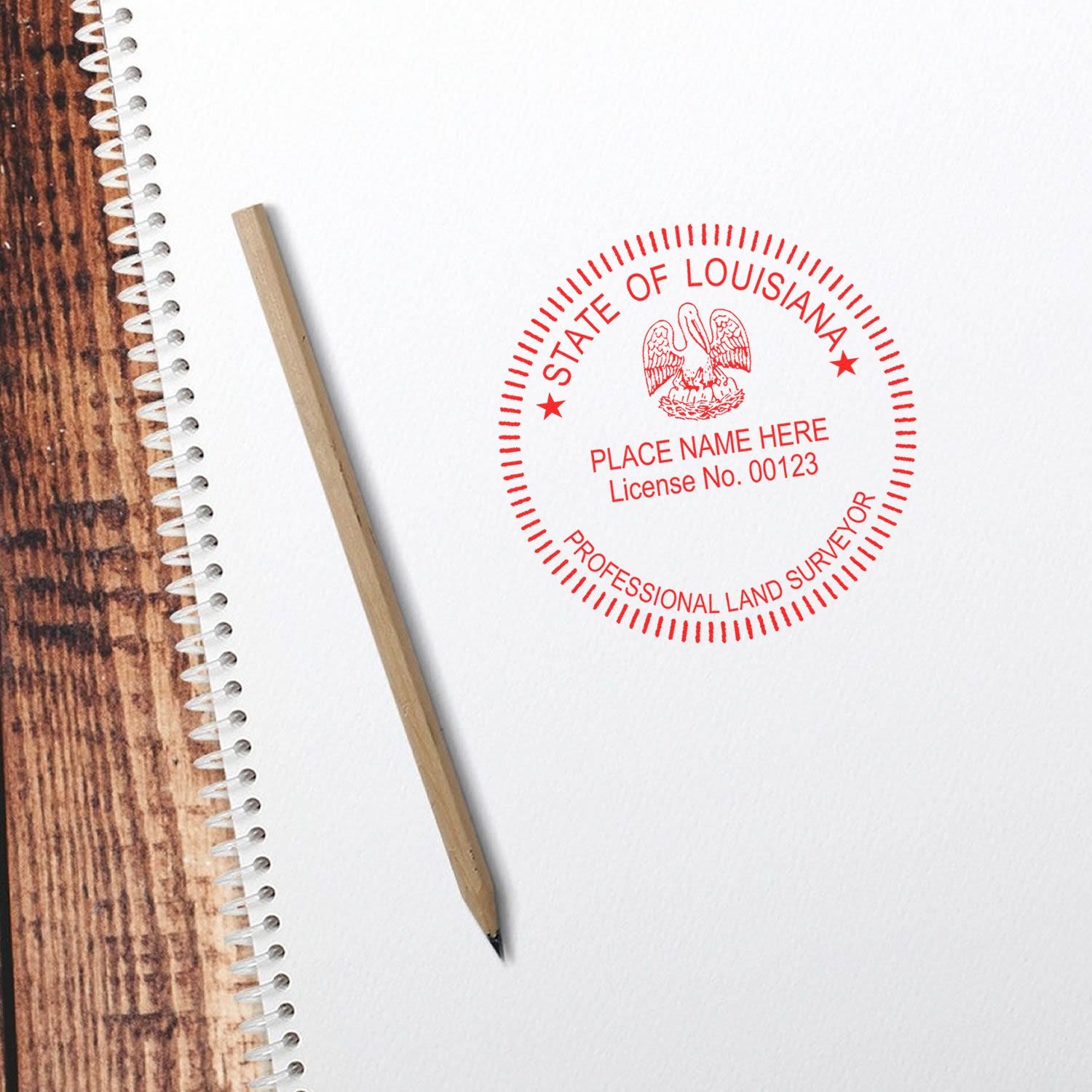
Is a seal required in the District of Columbia?
Yes, once work leaves your desk. DCMR § 17-1516.2 reads permissively, saying a newly licensed applicant may obtain an engineer’s or land surveyor’s seal as appropriate. The duty is at § 17-1516.3: the seal and signature of the licensee shall be placed on all land surveys, reports, plats, drawings, plans and calculations whenever presented to a client or any public agency, to certify that the work was done by the licensee or under the licensee’s control. Delivery to a client triggers it exactly as delivery to an agency does, and calculations are named alongside plats.
What must appear on the seal
DCMR § 17-1516.4 requires the words District of Columbia, the licensee’s name, the license number, the words Professional Engineer or Professional Surveyor as appropriate, and any other information requested by the Board. For a surveyor the operative phrase is Professional Surveyor. It is worth pausing on that, because the District licenses the category as Land Surveyor, the statute at D.C. Official Code § 47-2853.111 defines a scope of practice for land surveyors, and the Board is commonly called the Board of Professional Engineers and Land Surveyors. None of that changes the two words the regulation puts on the die.
Size and shape
The District prescribes neither. There is no diameter, no minimum lettering height, no border rule and no requirement that the seal be round anywhere in section 1516. What substitutes for a dimension is § 17-1516.6, which requires the seal and signature to be placed on original copy, tracings or other reproducible documents so that both reproduce when copies are made. Plats get copied, scanned and recorded, so a die that is too small or lettered too finely fails in the only way the District actually cares about, even though no number was broken.
Embosser, rubber stamp or digital file
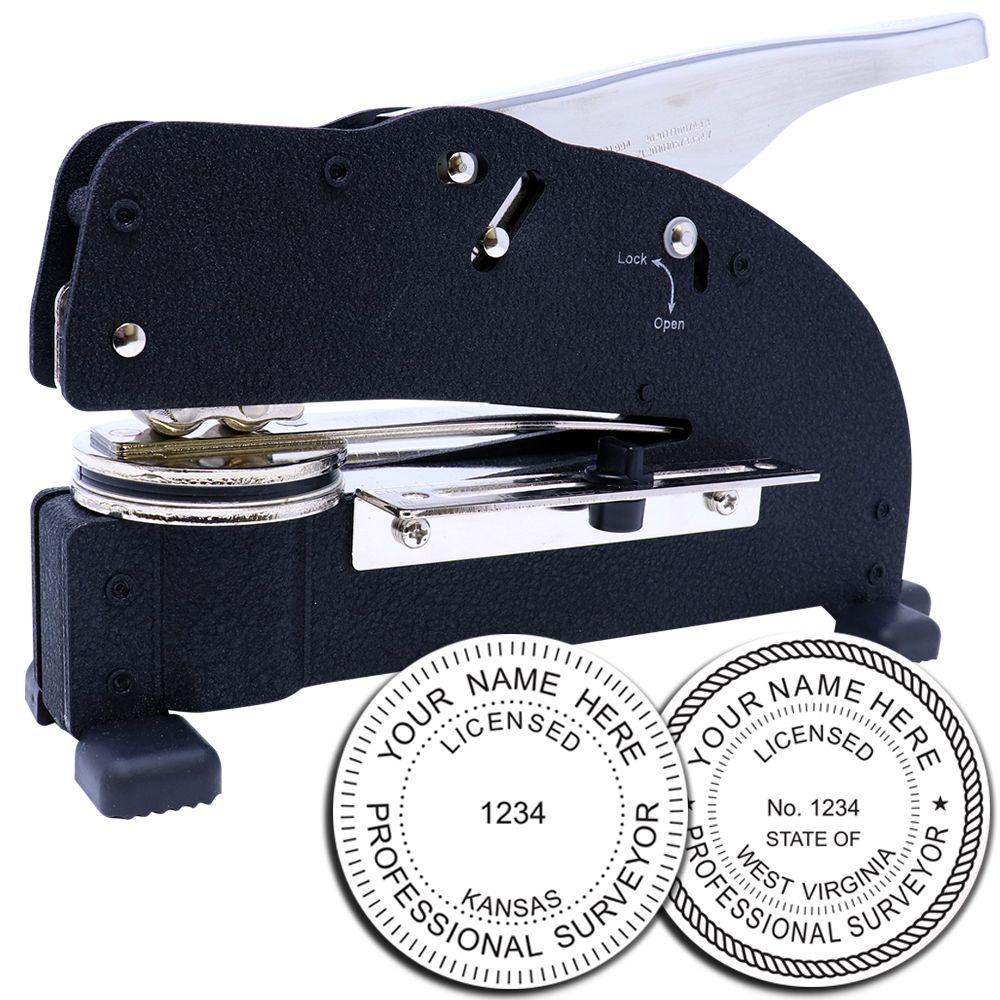
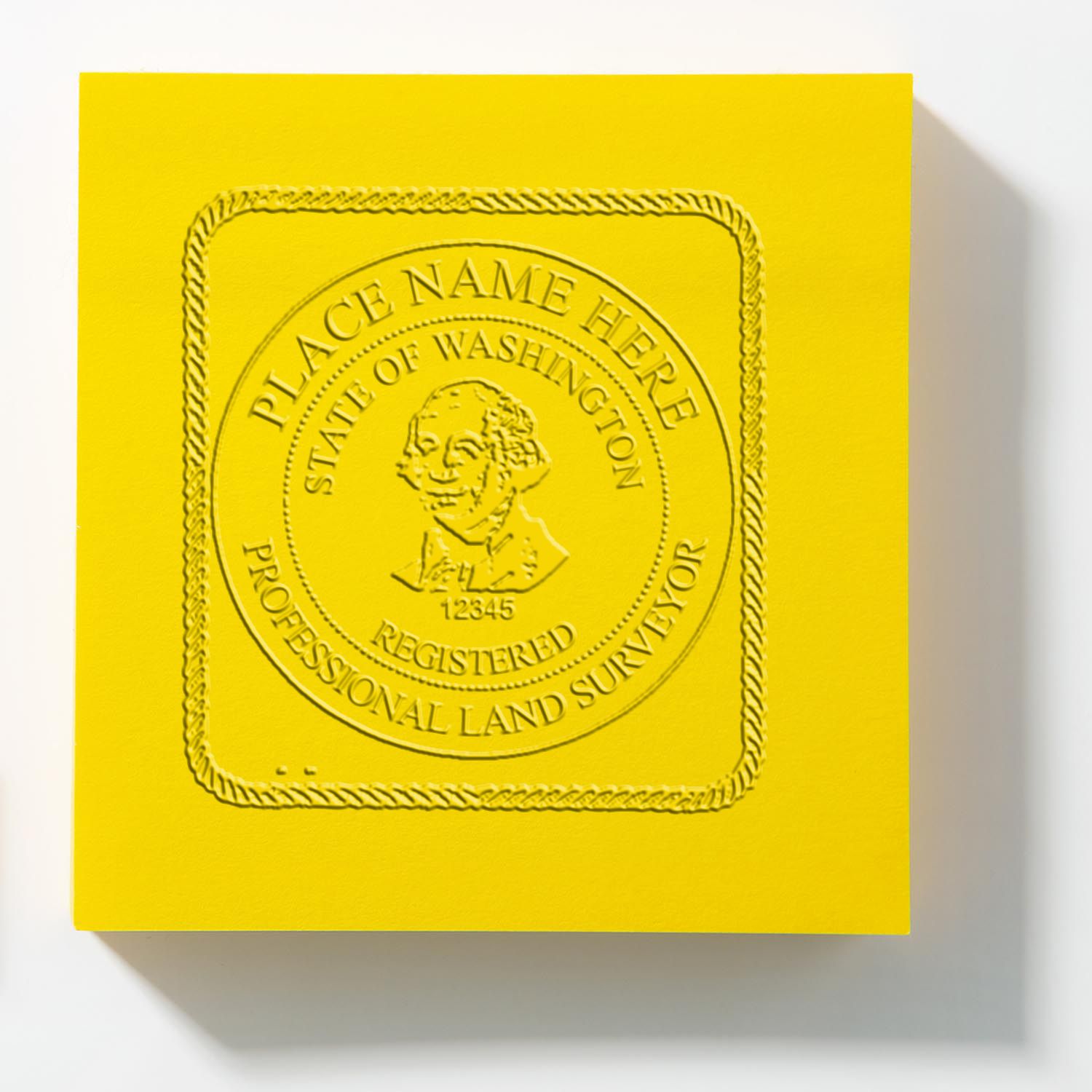
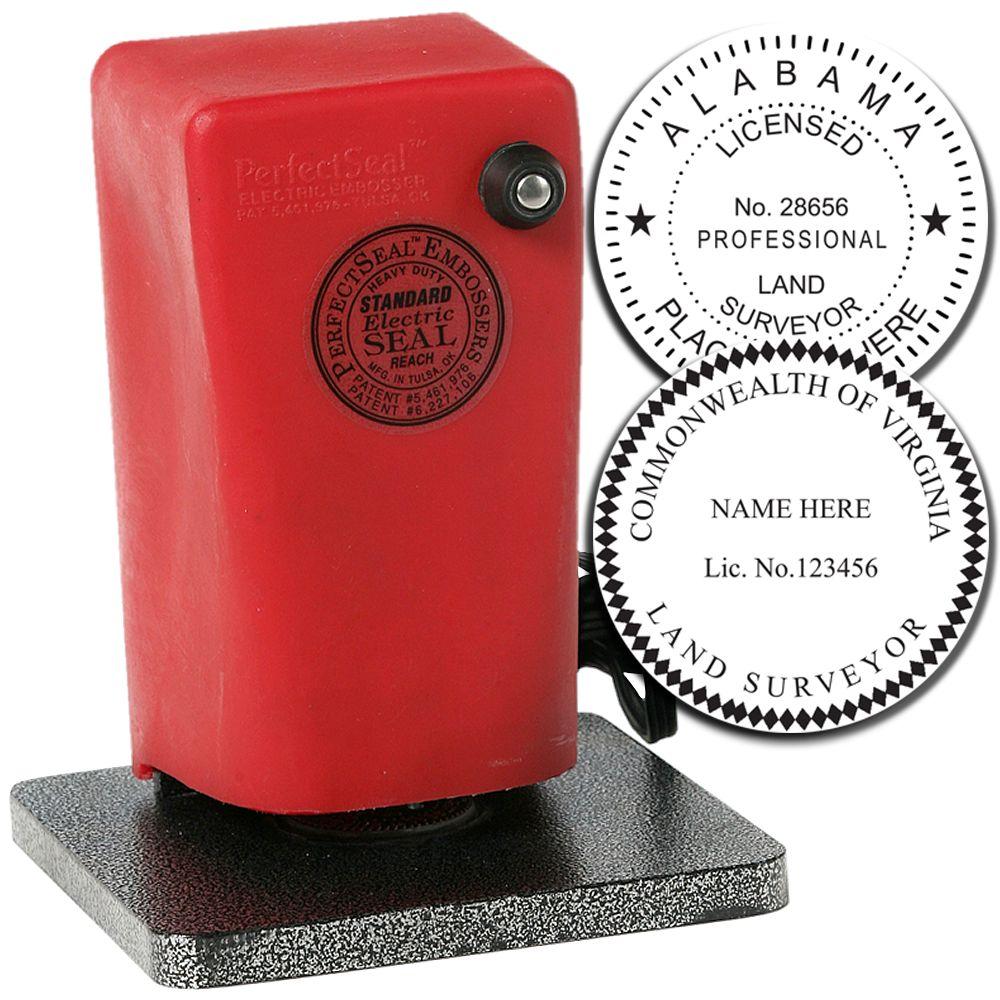
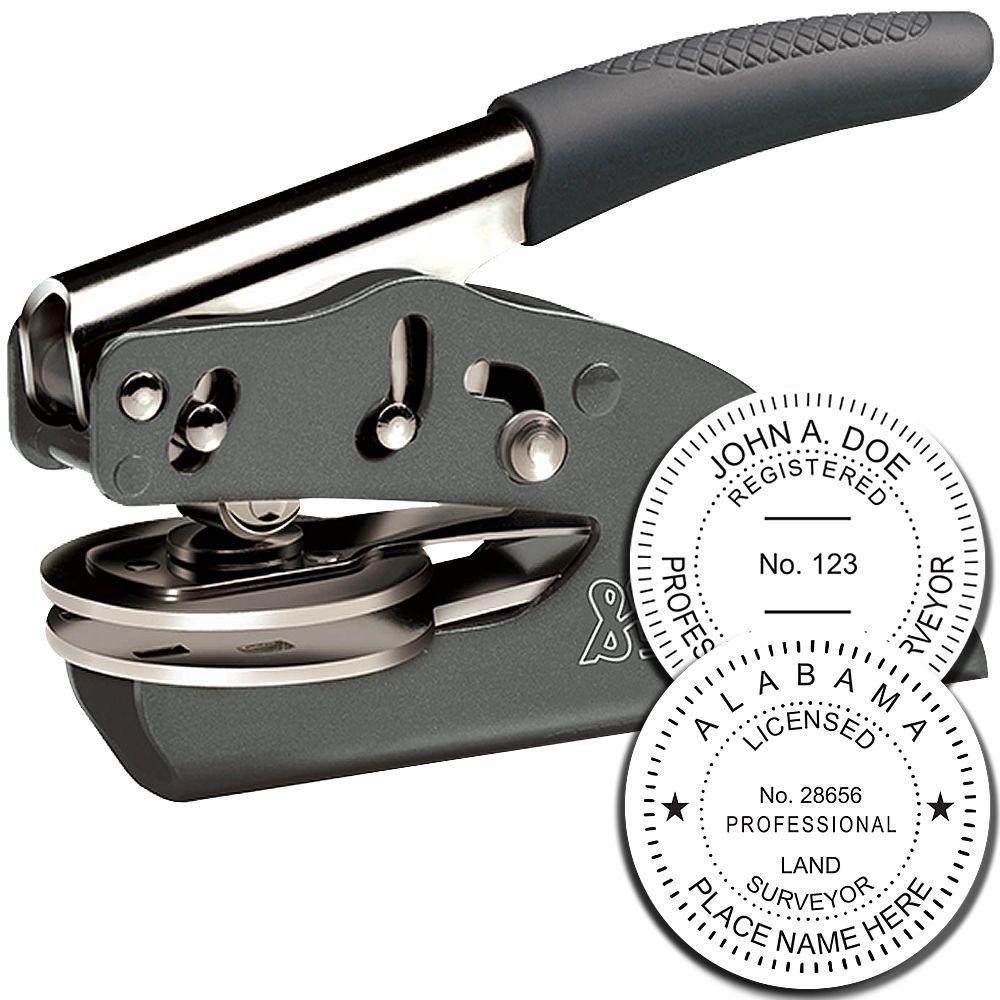
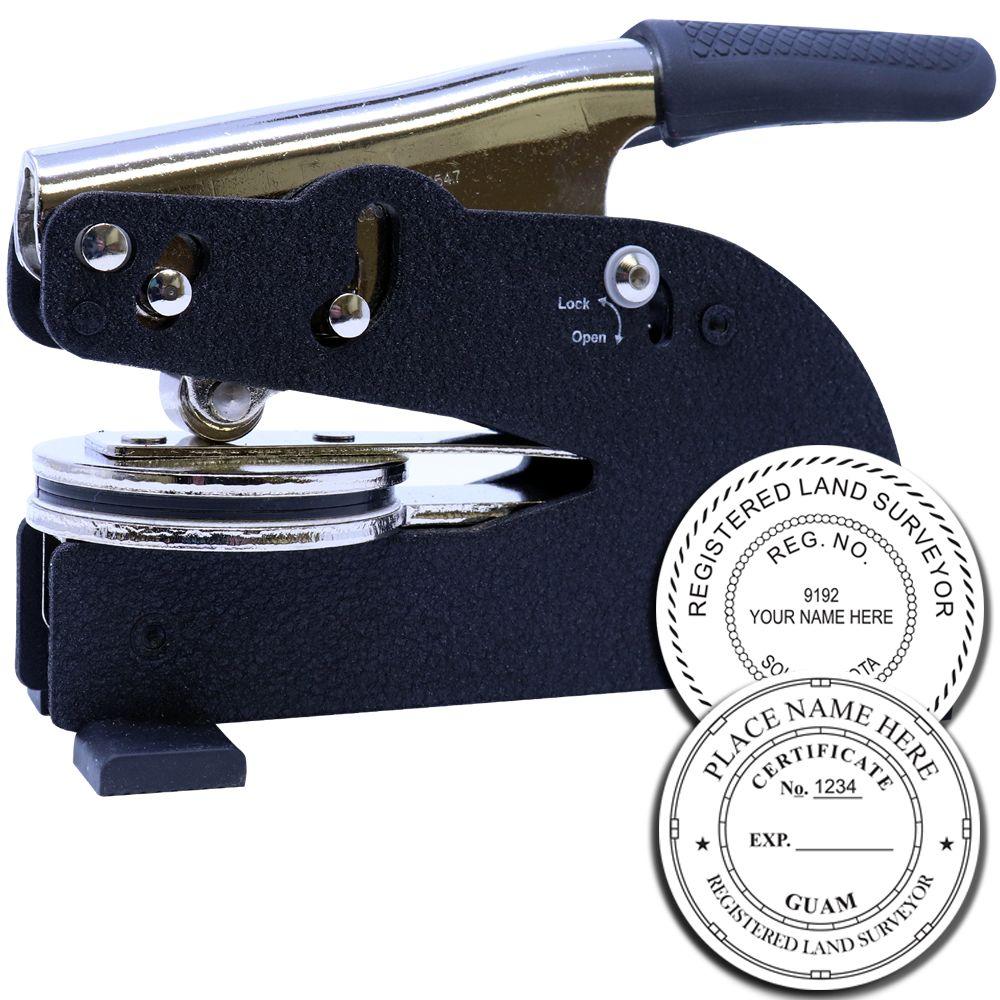
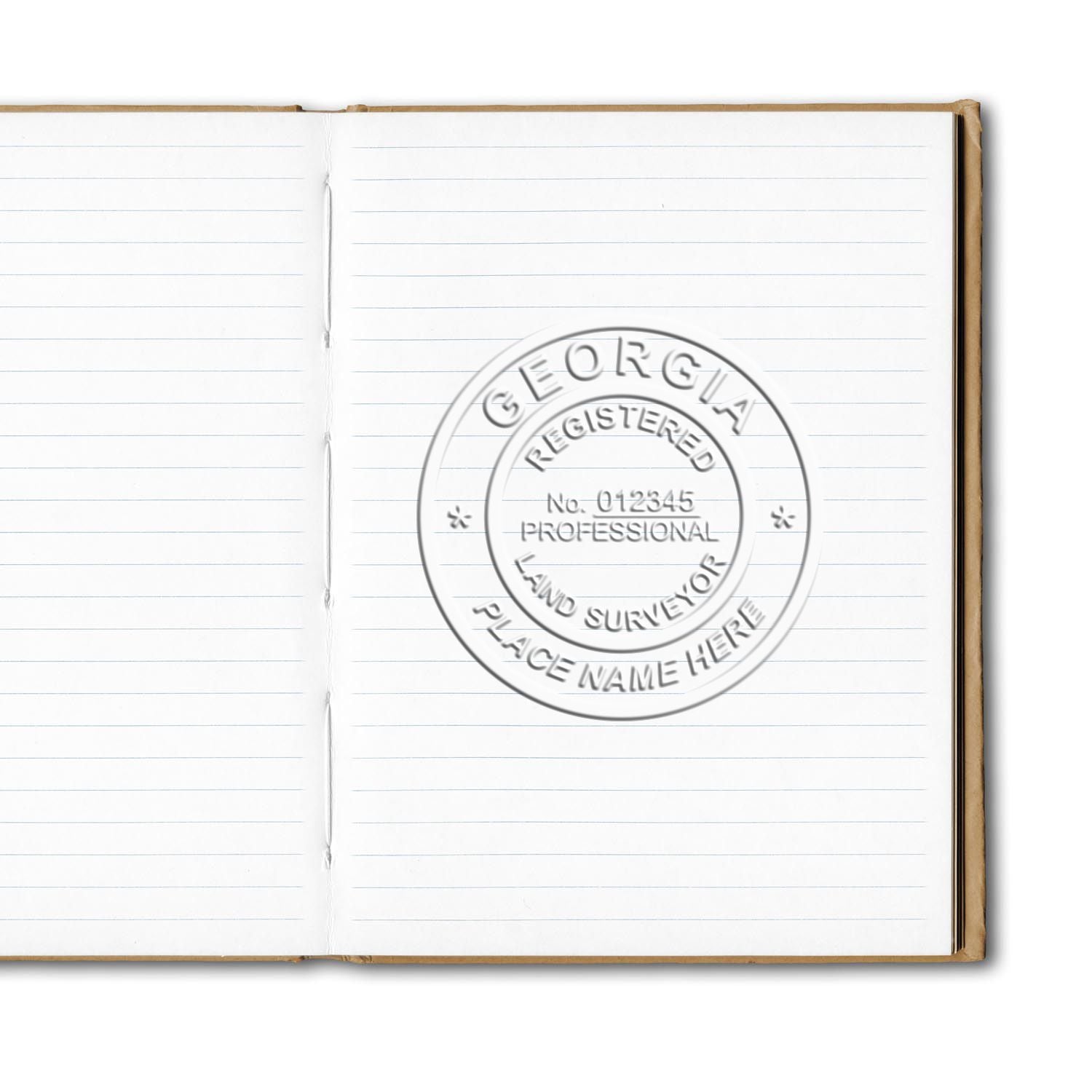
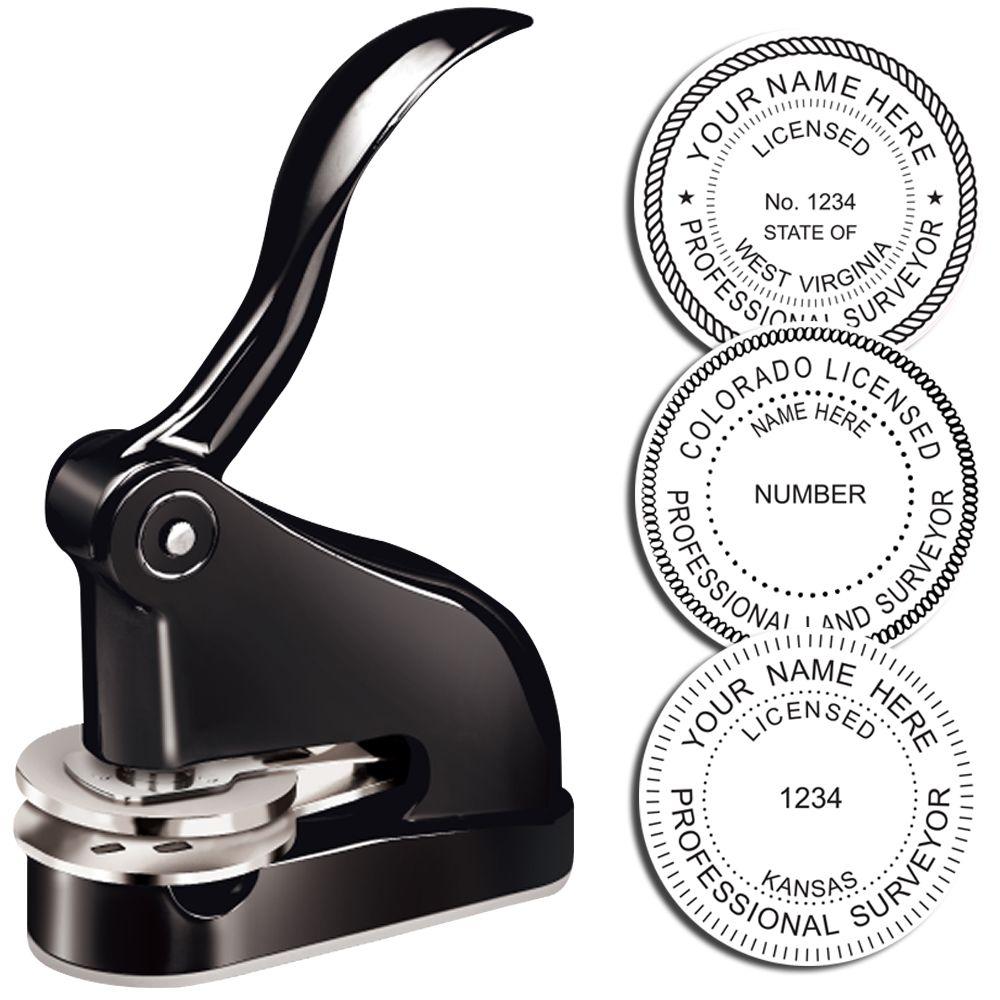
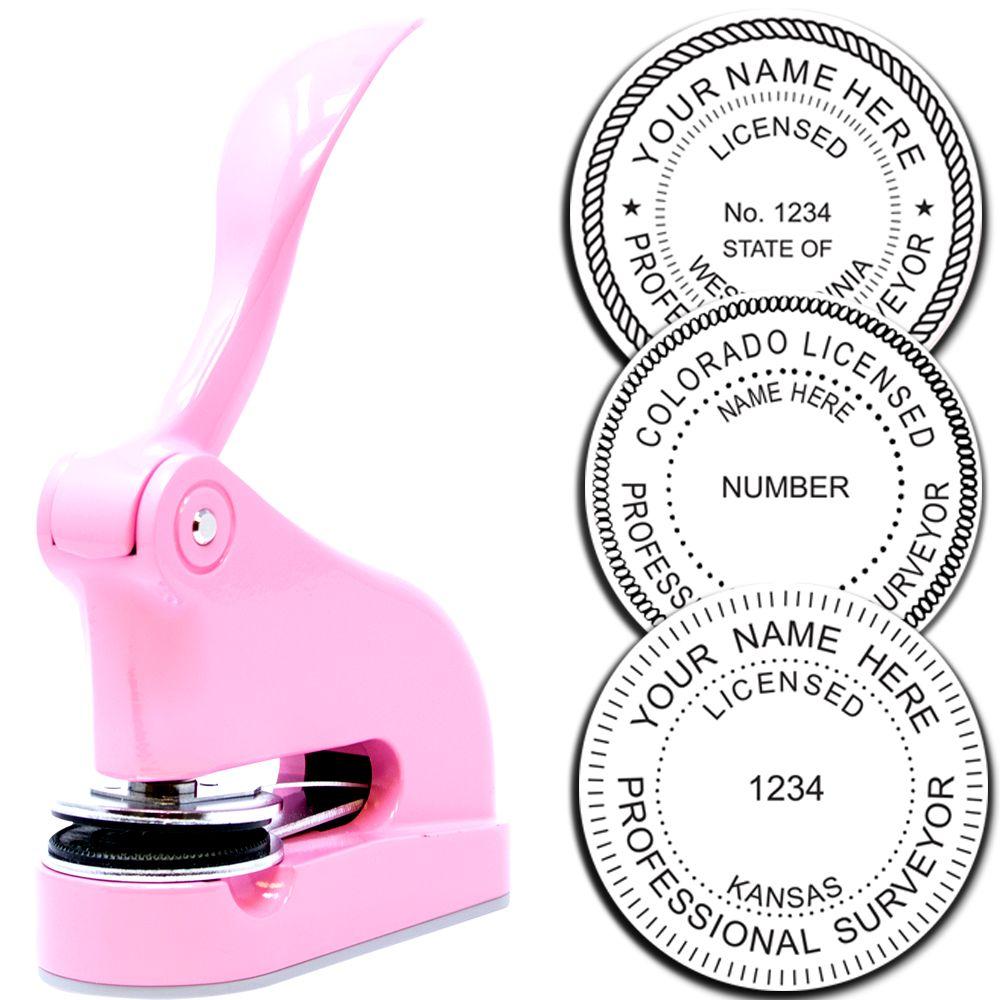
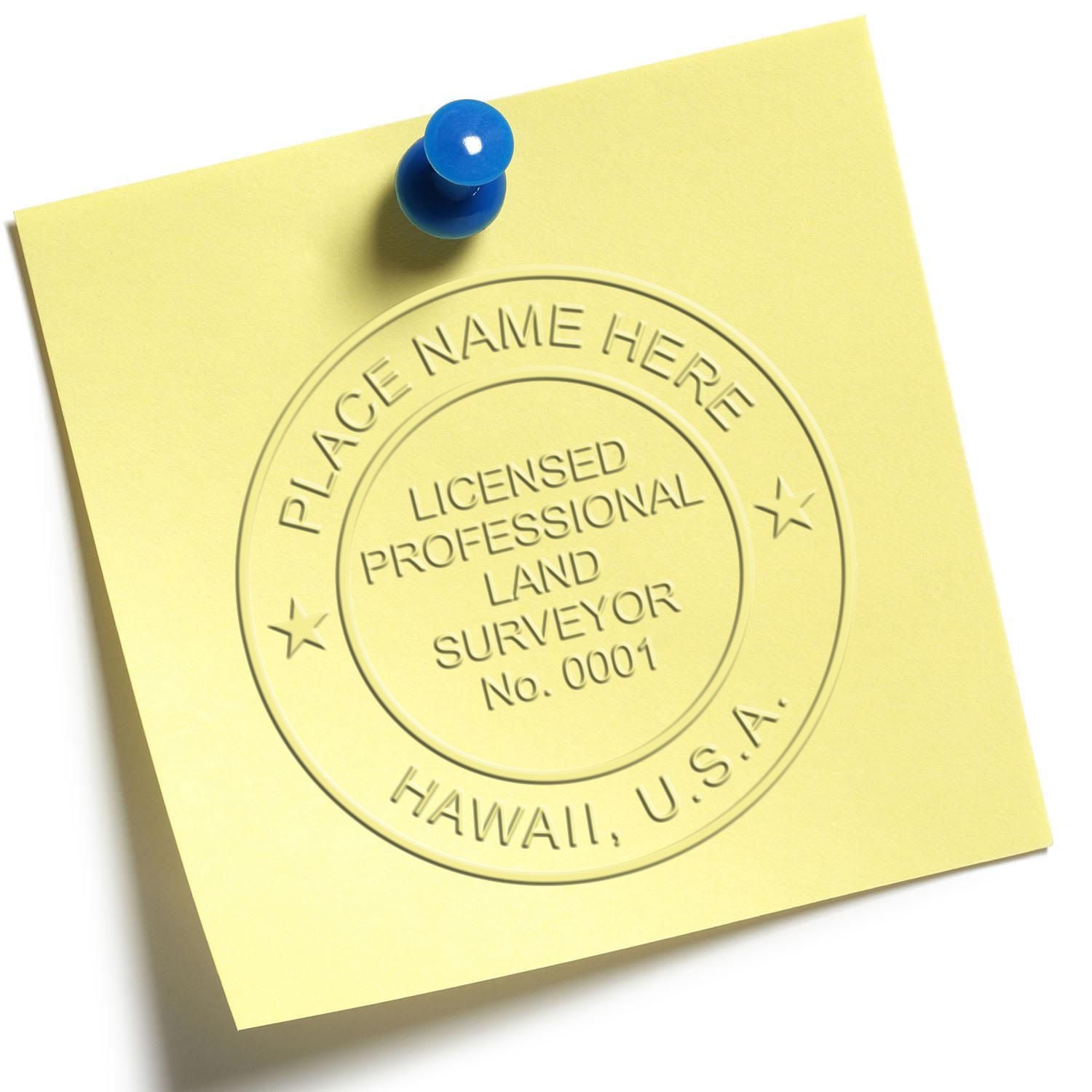
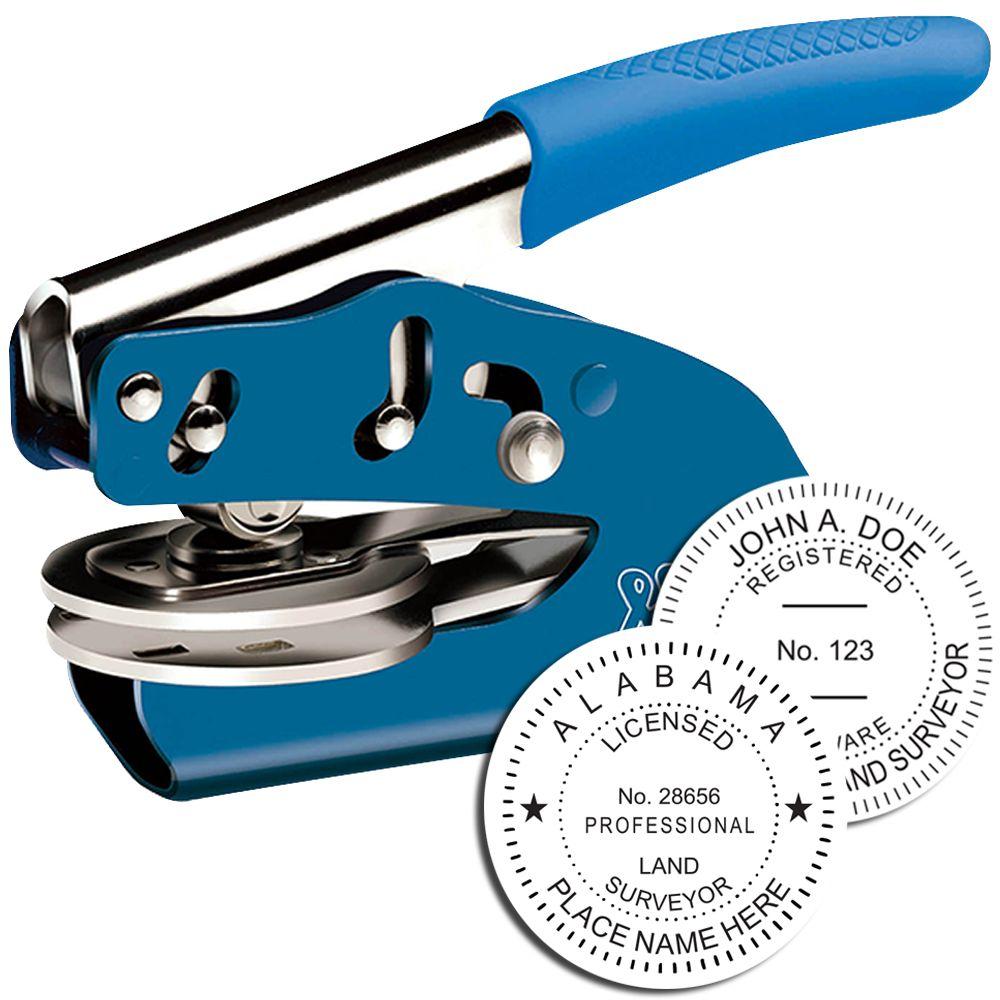
No instrument is named, so choose on the reproduction test. An embossed impression carries no ink and tends to vanish on a scan or a photocopy, which is the exact failure § 17-1516.6 is written against; on its own it is a poor choice for anything headed to a recording office. An inked rubber stamp reproduces reliably. A seal image is expressly contemplated, because § 17-1516.9 allows computer generated seals on final original drawings. Many District surveyors keep a rubber stamp and a matching digital file so the mark looks the same in both places.
Signing and dating
DCMR § 17-1516.9 gives the geometry for a computer generated seal that is not signed with a digital signature: it may be used on final original drawings provided a handwritten signature is placed adjacent to or across the seal and the date is written below the stamp. Beside or across the seal, and the date underneath. That is a layout instruction as much as a signing instruction, and it is a good reason to keep the face of the die uncrowded when the artwork is drawn.


Which documents must be sealed
The list at § 17-1516.3 for surveying work is land surveys, reports, plats, drawings, plans and calculations, in final form, presented to a client or any public agency. On the permit side the Department of Buildings tells applicants that a building plat submitted with an application must be signed by the applicant or authorized agent, and that where that person is a registered design professional the submission carries a license number and a professional stamp. A wall check, a building plat and a subdivision plat all travel through that office.
Plats and the Office of the Surveyor
The District keeps a second, older thread that surveyors need to know about. The Office of the Surveyor sits in the Department of Buildings, holds the District’s land records and issues building and subdivision plats, and the Department publishes a list of registered District land surveyors. D.C. Official Code § 1-1319 says the Surveyor shall, or a registered land surveyor may, on the request of a proprietor set out and mark the proper lines of a square, lot or piece of ground and furnish a certificate describing the dimensions and boundaries according to the plan. Section 1-1320 allows a proprietor to have a plat made by the Surveyor or a registered land surveyor. Board licensure and appearing on the Department’s registered surveyor list are recorded in two different places, and the sources read for this page do not set out how the Office of the Surveyor maintains that list, so ask that office directly if your work touches District land records.
Multi sheet sets, preliminary work and responsible control
Three subsections work together. DCMR § 17-1516.7 requires that where a document runs to more than one sheet, the first or title page is sealed and signed by all involved in the work or those who controlled it and are responsible for it, and each drawing is sealed and signed by the licensee responsible for that sheet. DCMR § 17-1516.5 allows unfinished or in progress documents to carry a seal or not, but requires a statement to the effect PRELIMINARY, NOT FOR CONSTRUCTION, RECORDING PURPOSES, OR IMPLEMENTATION. And § 17-1516.8 sets the outer limit: the seal and signature shall be placed on work only when it was under the licensee’s complete direction and control.
Electronic transmission and digital signatures
The District separates the two cases. Where a document does not require certification and is going out electronically, § 17-1516.9 requires the generated seal, if any, to be removed before transmitting, with a line carried in place of the signature and date stating that the document was originally issued and sealed by the named licensee, with the professional land surveyor number and the date of sealing, and that the document should not be considered a certified document. Where the document is signed with a digital signature, § 17-1516.10 requires an authentication procedure with a unique signature, a capability to verify the source, sole control by the person using it, and a link to the document such that the signature is invalidated if any data changes, plus a list of the hardware, software and parameters used to prepare it.



Renewal and lapse
The Department of Licensing and Consumer Protection states that land surveyor licenses expire on 31 August and renew in even numbered years, with 12 continuing education hours including one ethics course; professional engineers share the date and carry 20 hours. The chapter holds the rest of the machinery at § 17-1513 on expiration and renewal, § 17-1514 on inactive status, § 17-1515 on reinstating an expired license and § 17-1526 through § 17-1528 on continuing education and audits. Because the license number is on the die and the number survives renewal, an ordinary renewal is not a reason to reorder.
Firm requirements
The District does not license surveying firms. D.C. Official Code § 47-2853.65 requires a professional design firm license before a firm, franchise, partnership, association or corporation offers or performs professional design services, and § 47-2853.64 defines those as architecture, interior design or landscape architecture services. Surveying sits outside that definition, and the DLCP category list places Professional Design Firm under the Board of Architecture, Interior Design, and Landscape Architecture. General business licensing is a separate question from professional licensure.
What to check before you order
Read the proof against § 17-1516.4 and against your license record. The face must say District of Columbia rather than DC alone, carry your name exactly as the Board licensed it, carry the license number, and carry the words Professional Surveyor. Land Surveyor, Professional Land Surveyor, PLS and LS are all wording the regulation does not use, and any of them on a die is worth catching at proof stage rather than after a plat comes back. Leave clear space for the handwritten signature beside or across the seal and the date below it, and pick a size that survives copying rather than the smallest that fits. If you also hold a District engineer license, that is a second die, because one face cannot be both. For artwork to approve before anything is cut, contact us.
Frequently asked questions
Does a District of Columbia surveyor seal say Land Surveyor or Professional Surveyor?
Professional Surveyor. DCMR § 17-1516.4 requires the words Professional Engineer or Professional Surveyor as appropriate. The license category is called Land Surveyor, but that phrase is not the one the seal rule uses.
What else has to be on the seal?
The words District of Columbia, the licensee’s name and the license number, plus any other information requested by the Board. That is the whole of § 17-1516.4.
What size must the seal be?
The District prescribes no size and no shape. The governing constraint is § 17-1516.6, which requires the seal and signature to reproduce when copies are made, so pick a size that survives scanning, copying and recording.
Where do the signature and date go?
DCMR § 17-1516.9 places a handwritten signature adjacent to or across the seal, with the date written below the stamp, for a computer generated seal not signed with a digital signature.
Do plats have to be sealed?
Yes. DCMR § 17-1516.3 names plats expressly, along with land surveys, reports, drawings, plans and calculations, whenever presented to a client or any public agency.
Is board licensure the same as being a registered District land surveyor?
They are different things. The Board licenses the profession under DCMR chapter 17-15. The Office of the Surveyor, in the Department of Buildings, holds the District’s land records, issues plats and publishes a list of registered District land surveyors, and D.C. Official Code §§ 1-1319 and 1-1320 give a registered land surveyor a role alongside the Surveyor.
How do I handle a PDF that is not a certified document?
Under § 17-1516.9 the generated seal is removed before transmitting and a line goes in place of the signature and date, recording that the document was originally issued and sealed by the named licensee on the date of sealing and should not be considered a certified document.
What does a digital signature have to do here?
DCMR § 17-1516.10 requires an authentication procedure with a unique signature, a capability to verify the source, sole control by the person using it, and a link to the document that invalidates the signature if any data changes, plus a list of the hardware, software and parameters used.
When does the license renew?
DLCP states that land surveyor licenses expire on 31 August and renew in even numbered years, with 12 continuing education hours including one ethics course.








