
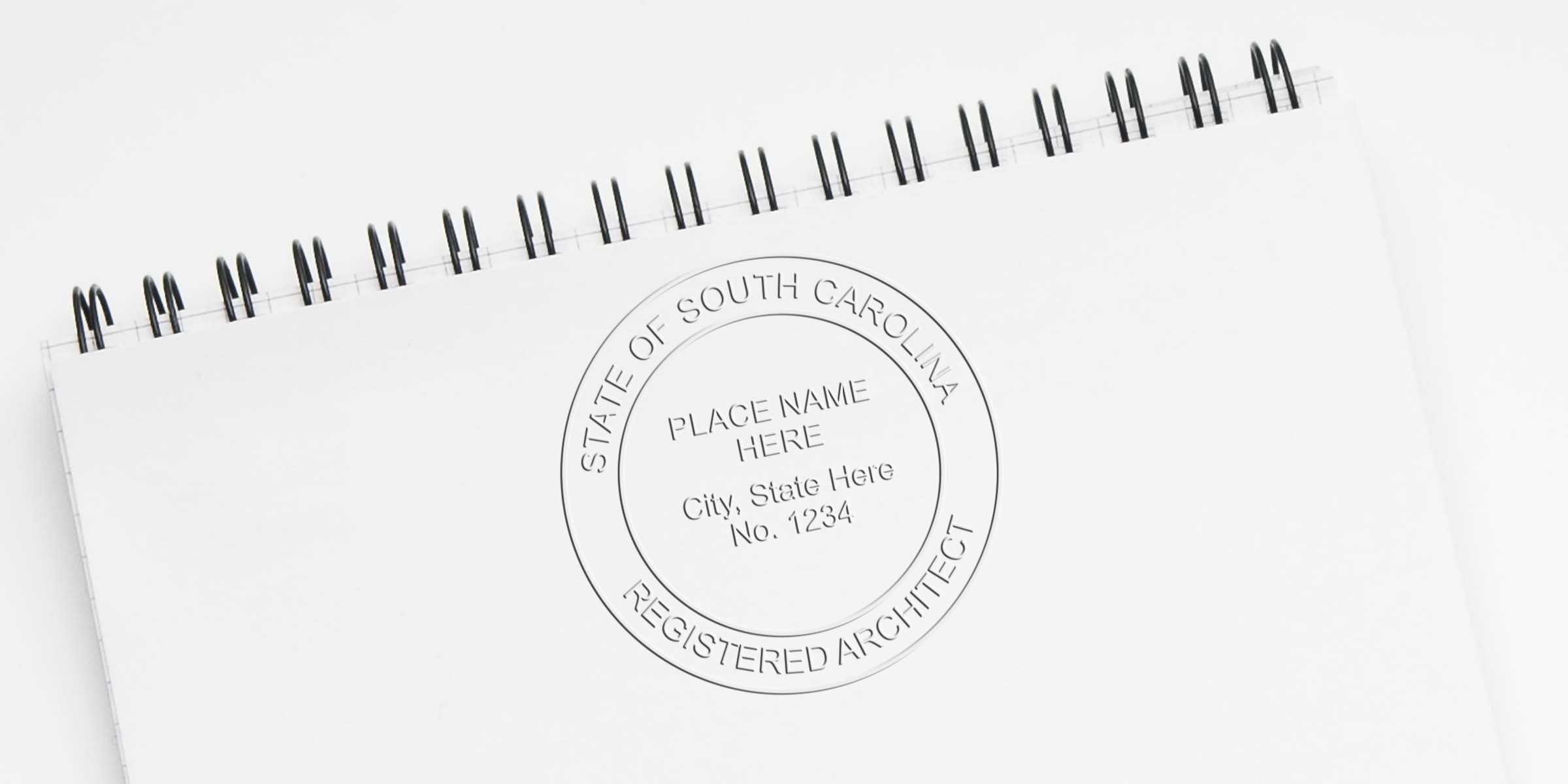
If you’re an architect practicing in the Palmetto State, you already know that “South Carolina Architect Stamp Regulations” are no joke. From the moment you start drawing up blueprints to the day you deliver final plans to your clients, these regulations guide how you certify your work. Following them isn’t just good practice, it’s required by law. Let’s walk through what these rules mean, why they matter for your day-to-day practice, and how you can keep your stamp usage fully compliant.
Understand The Basics
South Carolina requires that architects use an official stamp or seal on a wide range of documents, including project plans and design specifications. This stamp validates that your work abides by state laws, sets a professional standard, and closes any doubts about the authenticity of your drawings.
But what exactly goes on that seal? Typically, your name and license number appear together in a circular or rectangular format. Some states are flexible, while others provide templates. South Carolina is fairly specific, which is why it’s crucial to double-check the current rules with your licensing board. You wouldn’t want your seal to be out of date or, worse, non-compliant.
Here’s the key takeaway: When you place your stamp on construction documents, you’re asserting that you’re fully licensed, up to speed with relevant codes, and ready to stand behind your designs. It’s a big responsibility.
Why It Matters
If you’re curious why this fuss over a small imprint exists, consider it from a client’s perspective. They need the reassurance that their building plan has been vetted by a professional. Your stamp conveys trust. It says, “I meet the state’s requirements to design this building, and I take responsibility for the outcome.” And for you, it’s an opportunity to accentuate your credibility.
In short, it’s a small step that makes a huge impact.
Know The Stamp’s Purpose
You may be thinking, “What’s so special about a stamp?” The truth is, it’s not just a glorified signature. The South Carolina architect stamp is nearly as critical as your license itself. It’s how officials and clients identify your credentials, confirm project compliance, and hold you accountable in the event of any dispute.
When It’s Required
In many cases, drawings for new construction, major renovations, and structural changes must include your stamp before the plan reviews can move forward. Some minor projects, like small-scale home remodels or purely cosmetic changes, might be exempt. However, it’s essential to consult the specific rules provided by the South Carolina Board of Architectural Examiners. Don’t guess—stay informed.
What Happens Without It
Imagine your time and effort in creating a thorough set of drawings, only to have them rejected because there’s no valid seal. That’s not just frustrating, it’s a costly waste of resources. Projects can be delayed, permits withheld, and in worst-case scenarios, you could face fines or disciplinary action. The inconvenience could multiply if you already have a builder or homeowner anxiously waiting for approvals.
Follow Correct Placement Rules
Stamping your drawings might seem as simple as pressing a seal onto a piece of paper. But there are specific guidelines on where and how that stamp should appear. Usually, you’ll include the stamp (or seal impression) on each sheet of official drawings that you issue for permitting or construction. This ensures that no single page is left unverified.
Digital Versus Physical Stamps
In our increasingly digital world, you may wonder if a hand-pressed seal is still necessary. South Carolina acknowledges electronic seals, provided they meet uniform standards for security and authenticity. This electronic stamp must be password-protected or suitably encrypted. So if you plan to submit drawings electronically, check that your seal provider offers a secure digital option.
Use The Appropriate Seal Format
This part isn’t just about design preference. The state’s rules often specify the exact text, size, or shape required. That’s where a reliable supplier can help you out. You want your seal to look professional on drawings, but it also has to strictly follow any mandated layout.
Typical Wording
A standard seal usually includes words like “State of South Carolina” or “Licensed Architect” along with your name and license number. If the state updates the language or requires a new piece of information, you’ll need to revise your stamp accordingly. Keep an eye on the official guidelines, especially when you renew your license, just in case the wording changes.
Differentiate Between Stamp And Seal
You might hear people use the words “stamp” and “seal” interchangeably. In everyday conversation, that’s not a big deal, but legally speaking, there can be a subtle difference. Sometimes “seal” points to the design around the perimeter (the state name, your designation), while “stamp” references the physical device or digital tool used to apply that seal. For compliance’s sake, it’s often safer to use the exact language your licensing board uses.
Embossed Seals
An embossed seal leaves a raised pattern on the paper. It’s somewhat more traditional, favored by architects who appreciate the tactile authenticity it provides. However, embossed impressions can be harder to scan or photocopy, so be aware of potential legibility issues if you need to send electronic copies.
Inked Stamps
An inked stamp is a simpler alternative that provides consistent, clear impressions. It’s often more straightforward to photocopy or digitize. This method also tends to be popular because you can easily re-ink your stamp when it starts fading. As long as it meets the board’s rules, an inked stamp is a convenient choice.
Prevent Common Compliance Pitfalls
Who wants to redo an entire set of drawings because the stamp was placed incorrectly, or the seal text was wrong? Avoid wasted time by familiarizing yourself with the usual stumbling blocks. One common oversight is forgetting to sign the stamped sheet. In South Carolina, you typically need your official stamp plus a handwritten or digital signature.
Common Mistakes
- Placing the stamp too close to the edge, where it could be trimmed off.
- Using a nickname or short form of your name instead of the precise name registered with the board.
- Omitting license renewal dates, if they’re required in your state.
- Using an outdated version of the seal that doesn’t match the current standards.
Double-check each large document set before sending them out. Develop a quick mental (or written) checklist of essential items, like the correct stamp design, the right sign-off, and accurate date fields.
Store And Maintain Your Stamp
Once you’ve invested in a custom South Carolina Architect Stamp, you’ll want to keep it in good condition to avoid smudged impressions or security issues. A worn-out or dirty seal is risky. You also don’t want someone else using your stamp without your knowledge.
Practical Maintenance Tips
- Store your stamp in a clean, dry place.
- Wipe it occasionally with a lint-free cloth to ensure a crisp imprint.
- If it’s an embossed seal, be sure the device’s mechanisms still line up properly.
- Regularly update ink pads if it’s a self-inking or pre-inked stamp.
Protecting Your Credentials
Treat your architectural seal like you would a personal signature stamp. Lock it in a drawer, or keep it in a protected digital format if it’s electronic. By minimizing access, you reduce the chances of unauthorized usage. The last thing you want is your stamp on a set of plans you never approved.
Work With A Trusted Supplier
Finding the right place to buy your stamp or seal can be equally important as following the regulations. Acorn Sales has been in the stamp and seal business for over 60 years, offering quick turnaround times and state-compliant designs. When you partner with a company that already knows South Carolina’s guidelines, you avoid guesswork.
Why Acorn Sales?
- Over six decades of experience creating professional stamps and seals.
- Products that meet stringent state regulations.
- Options for both physical and digital seals.
- Competitive prices and fast, reliable shipping.
When you purchase through a trusted vendor, you gain peace of mind that your stamp is correct from the start. Need a new version if regulations change? They can help you handle that too.
Submit Documents Confidently
Even with the perfect stamp, you’ll still need to know your next steps. Submitting official documents to your client or local authority is a formality that you want to execute flawlessly.
Steps For Physical Submission
- Print the final version of your drawings.
- Verify each sheet’s correctness.
- Apply your stamp in the designated area on every required page.
- Sign each stamped page as needed by the state board.
- Double-check that each sheet is free from smudges or issues.
Steps For Digital Submission
- Use a secure digital seal with built-in encryption.
- Confirm your files are in the right format (often PDF).
- Attach your electronic stamp to every applicable page.
- Include an electronic or digital signature where specified.
- Submit the documents via the official e-permitting site or by email, depending on local protocol.
Understand Renewal And Updates
What if you renew your license or change your name? Your stamp has to reflect your current legal status and active license. Keep tabs on any changes in the South Carolina Board of Architectural Examiners’ guidelines, because the shape, wording, or format for stamps sometimes evolves.
License Renewal
Your license might be valid for multiple years, but the renewal process can prompt new standards. Always review the board’s rules to see if the official seal requirements have been updated. If you skip that step, you might end up with a stamp that’s out of compliance when you renew.
Name Or Business Changes
If you merge with another firm or change your name, you’ll likely need a revised stamp. The board generally expects the stamp to match the exact name under which you’re licensed. This could mean ordering a new stamp as soon as those legal changes go through.
Avoid Penalties And Legal Trouble
Let’s be honest, nobody wants to end up in a headache-inducing legal battle. But if you ignore South Carolina architect stamp regulations, the consequences can be serious. Fines, permit delays, and even professional license suspension are possibilities.
Consequences Of Non-Compliance
- Official Warnings: You might receive a notice from the board, giving you a certain timeframe to fix the problem.
- Fines: Monetary penalties can stack up if non-compliance goes unaddressed.
- License Revocation: In the worst cases, persistent violations could lead to losing your license.
Staying informed isn’t only about avoiding red tape, it’s also about preserving your good standing as a licensed professional.
Keep Clients And Officials Happy
If you’ve ever worked on a fast-paced project, you already know how crucial it is to keep building officials on your side. A well-stamped, clearly signed set of plans speeds up review times. It also reassures your client, who likely wants to move forward without delays.
Build Trust
When clients see the correct seal on every page, they sense your professionalism. Trust accumulates over these small measures, and it can go a long way toward smooth project communication and a positive final result.
Avoid Redundancies
Use consistent stamping procedures across all your projects. You can create a simple internal process that ensures every page is accounted for. This helps your team move faster, and it means fewer special checks for each set of documents.
Final Thoughts Before You Stamp
It’s amazing how something as small as a seal can carry so much weight in your architectural practice. Yet, following South Carolina architect stamp regulations is one of the easiest ways to boost your credibility and protect your license. By applying the correct seal, signing your sheets correctly, and staying up to date on any changes, you ensure that your projects start off in full compliance.
Consider your stamp a valuable tool, not just a legal burden. It’s a quick way to show that you’re playing by the rules, which is vital for your reputation as well as your clients’ peace of mind. And if you’re looking for a reliable source to get the right product, Acorn Sales is on standby to help you meet every specification.
At the end of the day, think of your stamp as a handshake—only more official. It’s the physical or digital symbol that confirms you’re ready to stand by the plans you create.
Feel free to leave a comment if you have additional questions or want to share your own experiences. By staying current on the regulations, you ensure that you’re not just checking boxes but also bolstering the integrity of every project you undertake. And that’s a win for everyone involved!
Frequently Asked Questions
Do I Need A Specific Design For My South Carolina Architect Stamp?
Yes. South Carolina typically provides exact formatting requirements, including text like “State of South Carolina” and your name plus license number. Be sure to check the current guidelines to confirm you’re using the correct design.
Is A Digital Stamp Acceptable?
South Carolina recognizes electronic seals if they meet security and encryption standards. You still need to ensure it’s authenticated, so always follow the official protocols when submitting digital drawings.
Can I Use The Same Stamp For Multiple Projects?
Absolutely, as long as your license remains valid and the stamp design hasn’t been rendered outdated by new regulations. Just remember to review your stamp periodically, especially around license renewal time.
What If I Make A Mistake On My Stamped Plans?
If you spot an error after you’ve stamped a document, fix the mistake and re-stamp the corrected sheet. Keeping meticulous records helps show you acted promptly to maintain compliance.
How Often Are Stamp Regulations Updated?
There’s no strict schedule for updates. It can happen if state laws change or if the board decides to revise its rules. Checking the board’s website or notifications around license renewal is a good way to stay informed.
Where Can I Order A Compliant Stamp?
You can order a South Carolina Architect Stamp from Acorn Sales, a trusted supplier offering state-compliant designs, both physical and digital. With their decades of experience, you can feel confident you’re getting exactly what you need.








