
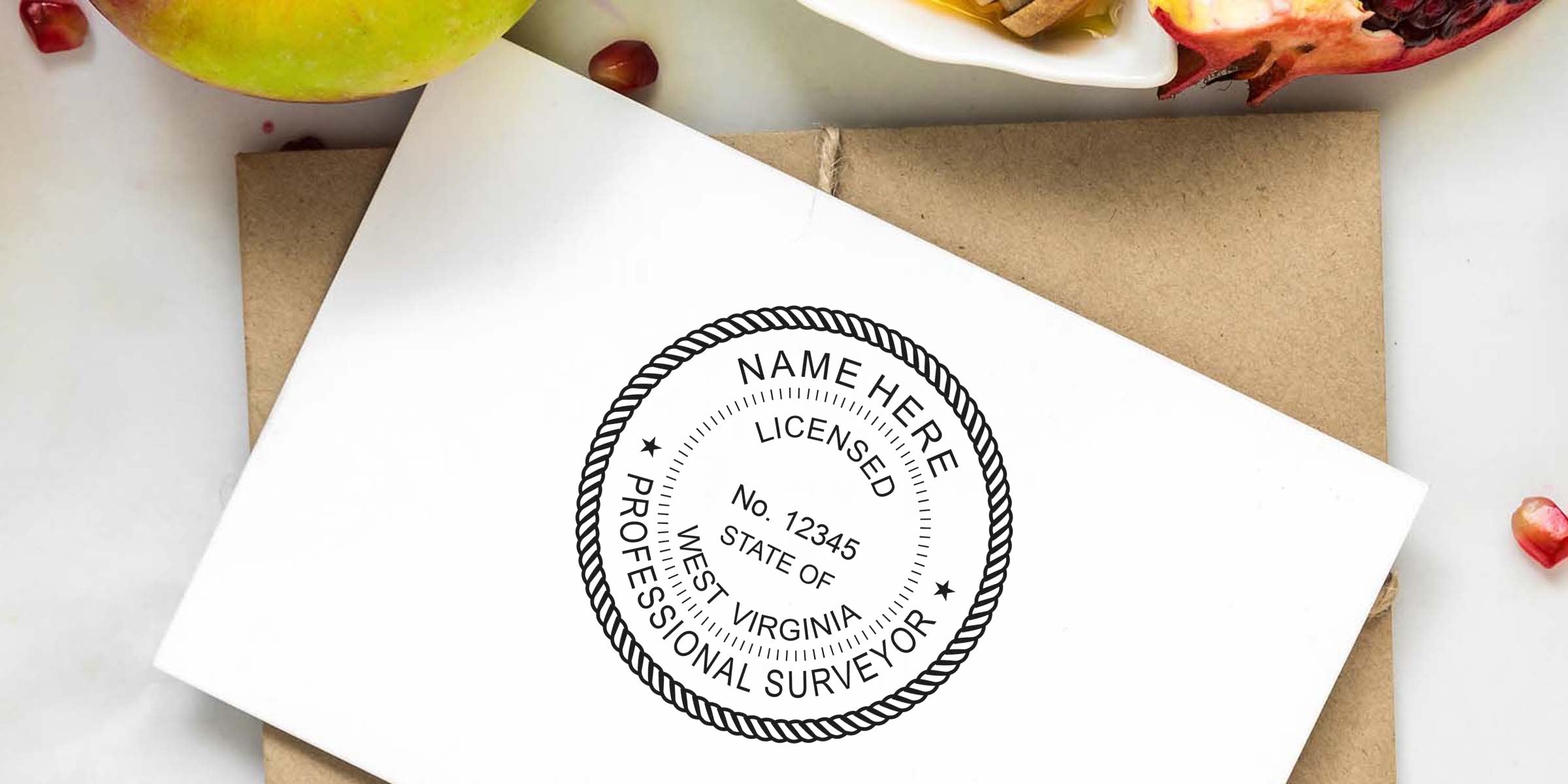
If you’ve ever typed “West Virginia land surveyor stamp laws” into your search bar and felt a little unsure about what’s required, you’re not alone. Surveying is a crucial profession that involves setting precise boundaries and gathering accurate data, but the rules about stamps and seals can seem a bit daunting at first. Fortunately, you can unravel these regulations with a bit of guidance. By understanding how West Virginia’s statutes apply to your seal, your documentation, and the scope of your work, you’ll feel more confident about meeting the state’s expectations.
Below, you’ll find a friendly walkthrough of the ins and outs of these laws. From learning how to become licensed to selecting the right stamp type, we’ll cover everything you need to know to stay compliant. Think of it as a roadmap that helps you sidestep common mistakes while gaining peace of mind. You’ll also see some handy lists and a compact checklist, so you know exactly how to put this knowledge into practice.
Understand West Virginia Regulations
Before you dive headfirst into your tools, it’s important to get a grip on the legal framework that governs land surveying in West Virginia. Each state has its own set of guidelines, and West Virginia is no exception. In general, surveyors must adhere to guidelines set out by the West Virginia Board of Professional Surveyors, ensuring every boundary is measured correctly and every mark is stamped accurately.
It’s not just about following rules for the sake of it. Proper compliance signals to your clients and colleagues that you take your responsibility as a surveyor seriously. By knowing what the state requires, you’ll avoid any nasty surprises should questions arise about your work. Always keep an eye on any updates or amendments. With legislation changing periodically, carved-in-stone knowledge from a few years back might need a fresh look.
Meet The Licensure Requirements
You already know that licensing is at the heart of professional surveying, but it’s worth mentioning how licensure ties directly into the use of a stamp or seal. You can’t just point to a random credential and call it good. West Virginia requires you to hold a valid land surveyor’s license before you’re legally permitted to apply your seal to final documents.
So, how do you earn that license? Often, it involves:
- Completing the needed education, typically a degree in surveying or a related field.
- Logging practical field experience under a licensed surveyor’s supervision.
- Passing state-specific exams that test your technical know-how and local regulation awareness.
Once you’ve aced these steps, you’re ready to keep your licensure active. Watch for renewal timelines and continuing education hours. A valid license plus a properly used stamp indicates that you meet West Virginia’s professional standards, giving both you and your clients additional peace of mind.
Choose The Correct Stamp
When it comes to stamps and seals, you’ve got options. Most professionals want a rubber stamp for convenience, but metal embossers add a distinguished feel to documents. Understanding which type of stamp best suits your workflow ensures your materials remain consistent and legible.
Below is a quick table comparing some popular choices:
| Stamp Type | Description | Best For | Pros | Cons |
|---|---|---|---|---|
| Rubber Stamp | Uses ink to mark your credentials | Bulk document stamping | Quick, simple, and easily replaced | Ink can smear if not fully dry |
| Self-Inking | Built-in ink pad for smooth, consistent impressions | Fast-paced offices | Reduced mess, standardized prints | Slightly more expensive than basic ink |
| Pre-Inked | Stamp surface is infused with ink | Crisp, high-volume usage | Very clean, detailed impressions | Requires special ink refills |
| Metal Embosser | Presses a seal design directly into the paper | Official documents | Elegant, tamper-proof impression | Not ideal for large-scale duplication |
No matter which stamp or seal you pick, you’ll want to confirm that it meets official dimensions and design standards set by the state. If you need a deeper dive into sizing or design, you can always reference the West Virginia Land Surveyor Stamp Requirements to ensure you’re aligned with the specific guidelines. Selecting the proper tool up front can save you time, money, and possible reprints later.
Clarify Official Use
It may be tempting to pull out your fancy new seal for business cards or promotional materials, but West Virginia regulations are pretty clear: your stamp should only be used on official documents. This includes surveys, reports, and plats that require your legal endorsement. Any casual or unofficial usage might create confusion over authenticity or scope.
When you do stamp official documents:
- Check the final draft before stamping. Verify all measurements, references, and data.
- Make sure you’re licensed at the time of stamping. An expired license could render the seal invalid.
- Keep a consistent look across documents for easy recognition.
Following these steps not only shows professional diligence, but also ensures that your sealed documents meet the West Virginia Board’s standards. Your stamp is your fingerprint in the surveying world, so treating it with respect helps maintain credibility.
Maintain Proper Documentation
Beyond the physical act of stamping, there’s a whole realm of paperwork, record-keeping, and file organization that goes hand in hand with compliance. Don’t just rely on memory to confirm your project details. Keep digital and physical records of every survey you complete. This includes:
- Project location and scope
- Associated maps, field notes, or sketches
- Final stamped documents with accurate date markings
Keeping these files in order helps you quickly retrieve information if, for instance, a client has questions years later. Plus, should you ever face an audit or formal dispute, having thorough documentation will help you address inquiries with ease.
It’s also wise to store secure backups of your digital records. Cloud storage, password-protected drives, or external hard drives can be lifesavers if your primary data becomes inaccessible. Remember, your stamp represents a professional promise, so storing the evidence of that promise is all part of the job.
Avoid Common Pitfalls
Even experienced surveyors can trip up if they’re not keeping a watchful eye on state requirements, project oversight, or even small details like ink dryness. Here are a few common pitfalls to watch out for:
- Neglecting to update your license, leading to unintentional misconduct.
- Overlooking stamp clarity, causing unreadable or partially smudged seals.
- Using the stamp on drafts or incomplete documents, which can lead to confusion and legal complications.
- Skipping date verification, missing the crucial detail of when the survey was finalized.
If you’re unsure whether a document calls for stamping, don’t hesitate to pick up the phone or send an email to your local board or a trusted mentor in the field. Sometimes a quick question can save you from big problems down the road.
Find A Trusted Supplier
So, where do you actually get these stamps and seals? Look for a supplier who understands the details of West Virginia’s design requirements and ensures each tool matches official guidelines. That’s where companies like Acorn Sales step in. We’ve been making official seals for over 60 years, and we include a free digital seal with your purchase so you can finalize documents electronically, too.
Why does that matter? Because you want to know that every element—from the diameter of your seal to the spacing of the text—is up to code. A reputable provider also offers good customer service, so you can ask questions about design, shipping, and reorders without feeling lost. Getting your seal from a trustworthy source is one of the simplest ways to ensure compliance right from the start.
Follow A Quick Checklist
To help you visualize the entire process, here is a concise checklist you can keep handy. Tick off each step as you go:
-
Confirm Licensure
- Ensure your license is current and in good standing.
-
Obtain The Proper Stamp
- Pick between rubber stamps, self-inking, pre-inked, or metal embossers.
- Verify the seal’s size and design according to West Virginia requirements.
-
Establish Document Procedures
- Decide which types of documents require stamping.
- Align your workflow (draft→review→final) so you stamp only the final copy.
-
Organize Your Records
- Store digital scans and paper copies of all your stamped documents.
- Maintain a log of project details and sealing dates.
-
Keep Up With Renewals
- Mark your calendar to renew your license on time.
- Update your seal if required by state changes.
Following this list helps you lay out each step in plain sight, making it easier to avoid oversights that could put your practice at risk.
Putting your stamp on the line is a mark of your professional commitment to accuracy and responsibility. By following West Virginia’s guidelines, checking your license status, and sourcing a reliable stamp from a trusted supplier like Acorn Sales, you’ll set yourself up for a smooth, successful surveying practice. It’s all about confidence, transparency, and properly endorsing the work you’ve labored over.
Take a moment to review your own workflow. Are there steps you can streamline, or processes you should double-check? With the basics in place, you’ll be well on your way to a compliant, trustworthy operation that keeps your clients happy and your reputation intact.
Frequently Asked Questions
Can I Place My Stamp On Preliminary Drawings?
It’s best to hold off on stamping any document that isn’t fully ready for the public or official use. Drafts can change, and stamping them implies a final, professional endorsement. Always wait until you’re certain the document is in its final form.
What If My Seal Gets Damaged Or Lost?
Accidents happen. If your seal is compromised, get in touch with a reputable supplier, like Acorn Sales, right away. They’ll craft a replacement that meets West Virginia’s standards. Also, notify relevant stakeholders if you’re in the middle of official work and need a short pause to replace the seal.
Can I Use A Digital Seal Instead Of A Physical Stamp?
West Virginia generally allows digital seals, provided they meet the same criteria as physical ones. Acorn Sales includes a free digital seal when you order a physical one. This is a convenient way to endorse documents that are created or shared electronically, but be sure to research any additional steps your local board may require (like secure signatures).
Is There A Specific Ink Color I Must Use?
Typically, there’s no strict state requirement for ink color, but you should choose a color that’s easy to read on scans or photocopies. Black and blue are the most common. If a client or government agency requests a particular color, make sure your final document meets that request.








