
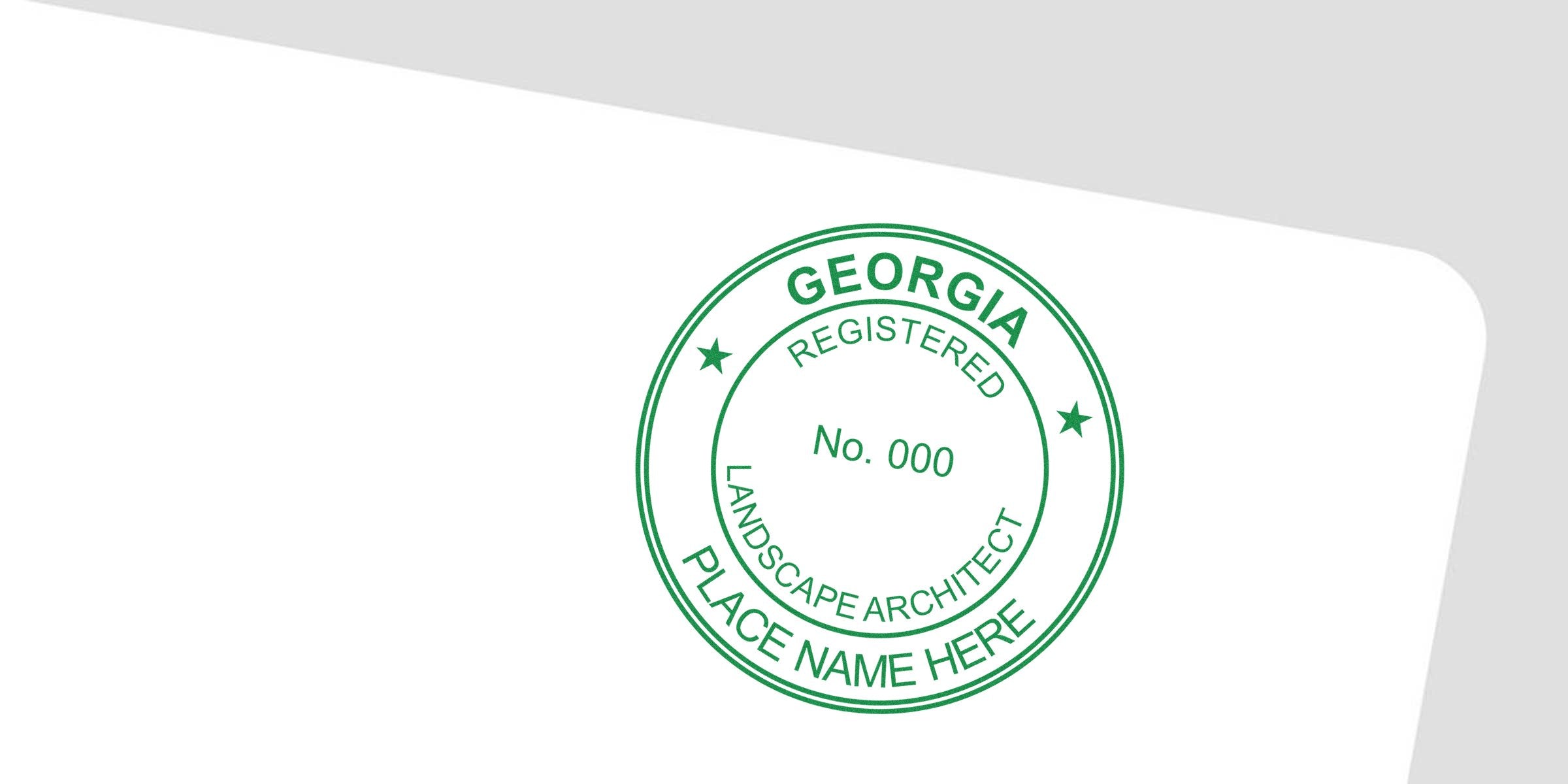
You’ve decided to build a name for yourself in Georgia’s vibrant landscape architecture community. Whether you’re just getting licensed or need a refresher on current guidelines, one piece of the puzzle stands out: placing your Georgia landscape architect seal order. You might wonder why the seal matters so much, or how to ensure it meets all state requirements. Let’s walk through an in-depth look at what you should know to order, use, and maintain your professional seal. By the end, you’ll feel confident about your next steps and ready to meet Georgia’s rules head-on.
Below, you’ll find a practical guide that outlines everything from licensing basics to selecting the right supplier. Let’s jump in so you don’t miss out on crucial details that can affect your career and reputation.
Understand Georgia Licensing Basics
Before you even think about your official seal, you’ll want a strong grasp of the state’s licensing framework. The Georgia State Board of Landscape Architects handles the licensing process, ensuring that all registered professionals meet education and exam requirements. They also set the standards for using your seal on official documents.
- Education and Exams. Typically, you need a degree in landscape architecture from an accredited institution. Candidates also complete the Landscape Architect Registration Examination (LARE), which tests your knowledge in design, planning, and professional practice.
- Experience Requirements. Georgia might require you to fulfill a certain number of supervised hours under a licensed landscape architect. These hours help prove your hands-on competence in real-world scenarios.
- Application Process. Once you have the required education, exam results, and experience, you submit a licensing application. If approved, you’ll receive your professional status, and that’s when the seal becomes vital.
Remember, your seal is more than a decorative element. It’s a mark of credibility that confirms your qualifications in Georgia. You’ll sign and stamp final plans, ensuring clients, contractors, and regulatory bodies see your work as valid and accountable. Understanding these licensing basics sets the foundation for how and why your seal is such a significant piece of your professional toolkit.
Clarify Mandatory Seal Elements
Every state has its own expectations for how a landscape architect’s seal should look, and Georgia is no different. Even small deviations might cause problems with compliance. So, it’s helpful to know what elements the seal must include and how it must be formatted.
- Text Requirements. You’ll need to include “Registered Landscape Architect” or an equivalent phrase that identifies your professional role. Your name should appear exactly as it does on your license.
- License Number. The seal must prominently display your official license number. Using the correct number ensures anyone can verify your license status if needed.
- Georgia Identification. Most seals for Georgia’s landscape architects include the word “Georgia” within the circular layout. This distinguishes your certification from that of other states.
- Legible Design. If your seal is unreadable, it might be rejected on official documents. Ensure the text size is clear enough for easy recognition.
The Board usually provides general specifications you can follow. In many cases, you’ll see official guidelines that describe things like seal diameter, acceptable fonts, or color usage. Getting these details right from the start saves you headaches later. You want your seal to look professional and hold up to scrutiny, so clarifying each mandatory element is a key step.
Order Your Official Seal
Once you know the basics of licensing and the design requirements, you’re ready to place your Georgia landscape architect seal order. This is the moment where details matter most. Choose wisely, because this seal will end up on virtually all your professional documents, from site plans to contracts.
- Verify Requirements. Double-check the Board’s guidelines so your seal aligns with the official specifications. Making changes after placing the order can be both time-consuming and costly.
- Gather Personal Details. You’ll need the exact spelling of your name, your license number, and any additional text that’s required. Prepare this information ahead of time to avoid mistakes.
- Choose a Format. Most professionals opt for a self-inking stamp, an embosser, or a pre-inked stamp. Each format has its perks. For instance, a raised seal from an embosser can be visually striking on certain documents.
- Request a Digital Version. Many suppliers also offer digital renditions of your seal. You can insert it into electronic documents or official filings. At Acorn Sales, you can even receive a free digital seal with your purchase, which is a handy perk for modern workflows.
If you’re not sure how to begin, you could also explore a Georgia Landscape Architect Stamp that meets state standards. As you go through the ordering process, keep in mind people may require multiple seal prints or digital impressions, so you want an option that feels easy and reliable. Also, time your order carefully so your seal arrives before any major project deadlines.
Select A Trusted Supplier
Choosing the right supplier for your seal can save you frustration, office delays, and potential rework. You want a partner that understands Georgia’s official guidelines, so you’re not stuck with a seal that fails to meet state regulations. But reliability isn’t just about meeting specifications. It also includes:
- Quality Materials. Some seals are made with cheap plastic parts that quickly wear out. Others use high-grade materials for crisp, consistent impressions.
- Years of Experience. It helps if your supplier is familiar with the needs of landscape architects. Acorn Sales, for instance, has been in business since 1964, so we’re well-versed in designing and delivering state-compliant products.
- Free Digital Seal. More and more projects now rely on digital documentation, so having a digital seal can be invaluable. Look for a supplier that offers a free digital file with your order, letting you stay versatile in an increasingly paperless industry.
- Customer Support. In case you have questions, run into shipping delays, or need a replacement, good customer service makes your life easier.
You might be tempted by quick, low-cost seal providers, but an overly cheap option may backfire if it doesn’t hold up on official renderings. Choosing a trusted supplier ensures your seal remains crisp for years. After all, your seal is a professional investment that represents your credibility, not just a random rubber stamp.
Comply With Signing Rules
Even with the perfect seal in hand, you’ll need to follow best practices for signing and sealing your final plans. After all, your license doesn’t merely hinge on having the correct stamp. It also depends on how you use it.
- Official Documents. In many cases, you should affix your seal only to final drawings, details, or other records that you personally oversee. Stamping preliminary sketches or incomplete designs could confuse clients or reviewing agencies.
- Original Signature. Most rules require your signature alongside the seal’s impression. That way, you affirm the accuracy and completeness of the documents you’re submitting. A signature can be hand-signed on paper or electronically applied with a certificate (if state law allows it).
- Date of Signing. Marking the date helps confirm the document’s timeline. It can also protect you if there’s a review later on about which version of the plan was officially sealed.
- Responsible Control. Georgia usually expects that you’ve directly supervised or performed the work that’s sealed. If you didn’t substantially contribute to the project, it’s best not to seal the plans.
You’ll want to stay familiar with the specifics the Georgia State Board of Landscape Architects has established. Failing to comply may lead to fines, license suspension, or even a full revocation, depending on the gravity of the violation. Proper usage demonstrates your professionalism and helps your projects move forward without any compliance hiccups.
Implement Your Seal Properly
With the formalities covered, let’s look at how to integrate your seal into everyday practice. This involves both physical documents and digital files. Careful implementation can save time, streamline approval processes, and cement your reputation as a reliable pro.
- Keep It Accessible. Store your physical seal where you typically work on official documentation. If you’re often on the go, consider a portable self-inking stamp that slips neatly into a bag or briefcase.
- Maintain Consistency. Always use the same seal and signature format to avoid confusion. If agencies see different versions or questionable alternates, they might suspect errors.
- Go Paperless Where Possible. Digital seals are increasingly popular for submitting files electronically. They can hasten plan reviews and cut down on printing costs. If you have a free digital seal, keep it in a secure folder or with a password-protected signature, especially if you share work computers.
- Double-Check Legibility. Once you stamp or embed the seal, make sure it’s clear and easy to read. Sometimes, a faint stamp can be misread or might not meet official standards.
Physical stamps may still be the norm in certain offices, but you’ll likely notice a growing push toward e-documents. Taking advantage of both worlds—physical and digital—helps you stay prepared for any submission format your client, municipality, or firm prefers.
These points should keep you from getting bogged down by last-minute uncertainties. Each question highlights practical scenarios you’re likely to face when you begin using your seal in day-to-day operations.
Wrapping up, ordering your official seal and complying with state rules is simpler when you know where to start. From verifying the exact layout to choosing a trusted supplier, every detail matters in presenting yourself as a skilled professional. Take advantage of free digital options, so you don’t miss out on an efficient workflow. It all comes back to credibility, so a well-chosen seal can set a strong tone for your projects.
If you haven’t done so already, this is your prompt to place your Georgia landscape architect seal order. Whether you prefer a physical embosser, self-inking stamp, or a digital file for easy electronic submissions, selecting the right product ensures that your final deliverables look professional and meet official guidelines. Acorn Sales has been in business since 1964, offering reliable service and a free digital seal, so you can check off multiple boxes at once. Best of luck in your continued work across the great state of Georgia. You’ve got this.
Frequently Asked Questions
How Do I Get My Seal Quickly?
Most suppliers offer expedited shipping for an additional fee. If you’re on a tight timeline, confirm the production and delivery estimates before placing your order. That way, you’ll avoid last-minute stress when you need to seal essential documents.
Can I Use a Digital Seal Instead of a Physical Stamp?
Yes, digital seals are accepted in many professional circles, provided that they match Georgia’s guidelines. However, you’ll want to confirm specific agency preferences since some municipal offices still require a physical stamped version. Having both can cover all your bases.
Is the Free Digital Seal Included With All Orders?
At Acorn Sales, you get a free digital seal file when you purchase a physical seal, which is extremely helpful if you need to submit files via email or online portals. Always ask your preferred supplier if they offer something similar.
How Do You Handle Changes in License Status?
If you change your name, update your license number, or need a new stamp for any reason, many suppliers will help you with the process. Just make sure you don’t continue using an outdated seal, because that could invalidate documents or cause confusion.
Where Can I Learn More About Georgia’s Rules for Seals?
The best source is the Georgia State Board of Landscape Architects. Their website provides official documents, updates on any regulatory changes, and direct contact information if you need clarification.








