
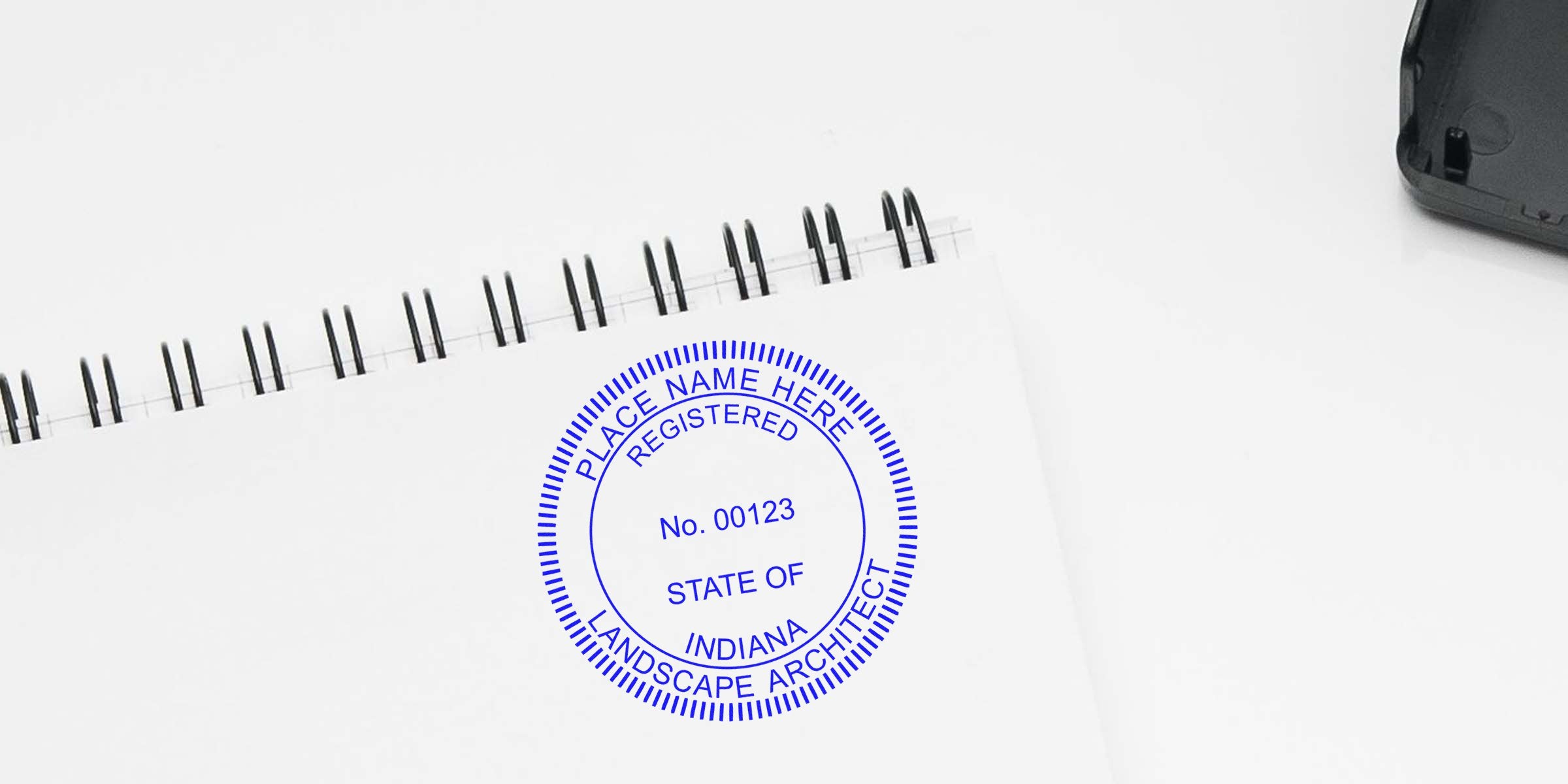
Understand Indiana Stamp Costs
If you’re researching the Indiana landscape architect stamp cost, you’re already on track to fulfilling an important requirement for practicing in the state. But what does that cost really include, and why do some people end up spending more than necessary? In this guide, you’ll see exactly what you’re paying for, and how you can avoid shelling out extra money for something that shouldn’t break the bank. Think of it like choosing a reliable pair of work boots—durability, comfort, and overall value matter more than a flashy label.
Why Cost Matters
Let’s be honest, getting any professional credential involves paying some fees here and there. When you tack on the added cost of a custom stamp, you might worry that your budget is about to take a big hit. Knowing the average price range in advance can keep you from making impulse buys or panicking if you see high costs. In most cases, your official stamp doesn’t have to be pricey to do its job properly.
Quick Overview
- Basic self-inking stamps can run between $20 and $60, depending on the supplier.
- Manual hand stamps might cost a bit less.
- Embossers, which crimp the paper and leave a raised seal, often cost more due to their design.
For many people, these price points seem manageable, but it never hurts to learn more about what’s behind the numbers.
Review Professional Stamp Purpose
Before diving into price ranges, let’s clarify why you need a professional seal or stamp in the first place. Picture this: You’re about to submit your design plans for a major client in Indianapolis. They love the blueprint and can’t wait to see the final outcome. But if you don’t have a legally recognized seal, your carefully prepared documents might get sidelined.
Why It’s Required
In Indiana, a licensed landscape architect must authenticate official plans and drawings by applying an approved seal. The seal shows that the work meets professional standards set by the state licensing board. Essentially, your stamp is like an ID badge that confirms you’ve met specific requirements and that your plans are legit.
Where You’ll Use It
- Construction drawings for private clients
- City or county permit paperwork
- Public projects requiring official verification
Once you have your physical or digital seal, you can confidently stamp away on key documents, so authorities and clients know you’re qualified for the job.
Check Indiana Regulations
Indiana state law has specific guidelines on the design, usage, and renewal of professional landscape architect stamps. If you haven’t already, it’s helpful to review the Indiana Landscape Architect Stamp Requirements to be sure you’re following every rule.
The Licensing Board’s Role
The Indiana Professional Licensing Agency oversees licensing for landscape architects. Their standards cover everything from educational requirements to continuing education hours, and of course, the official stamp or seal. Here’s a quick look at what the board typically expects:
- A clear, legible imprint that includes your name, license number, and “Licensed Landscape Architect” wording.
- The stamp’s design should follow the format authorized by Indiana regulations.
- A consistently sized impression—I’m talking about a neat circle or rectangular frame that is easy to recognize and read.
If you’re unsure about design layouts or dimension details, double-check with the board’s guidelines or your chosen supplier’s template.
Renewal Periods and Associated Costs
Once you’re licensed, you’ll renew your credential every two years (or whatever cycle the board enforces at the time). Renewals often involve continuing education fees. These fees have nothing to do with your stamp, but it’s an extra cost to keep in mind. If you decide to update your stamp each renewal cycle, that could mean additional expenses—though many stamps last for years if you clean and store them properly.
Explore Key Cost Factors
Different factors can influence how much you pay for an Indiana landscape architect seal or stamp. Understanding these helps you compare options and steer clear of unnecessary upsells. After all, a top-of-the-line product doesn’t necessarily have to be the most expensive one on the market.
Material Quality
Look at durability compared to price. A sturdy metal embosser, for example, costs more than a simple plastic self-inking model. If you’re stamping multiple documents each day, you might want to invest in a better build. On the other hand, if you only need to seal a handful of documents each month, a lower-priced plastic stamp might be completely fine.
Common types of stamps and typical price ranges:
| Stamp Type | Estimated Price Range |
|---|---|
| Self-Inking Stamp | $20 – $50 |
| Pre-Inked Stamp | $25 – $60 |
| Hand Stamp (Rubber) | $15 – $30 |
| Desk Embosser | $35 – $60 |
| Pocket Embosser | $40 – $70 |
Supplier Reputation
We’ve all been tempted by a great online deal. But cheaper suppliers might lack quality control, messing up your name, license number, or the seal design. In some unfortunate cases, you could receive a design that isn’t even recognized by the Indiana board. To avoid that headache, check supplier reviews and testimonial pages before buying.
Bundle Deals
Some suppliers bundle stamps with extra ink cartridges, carrying cases, or even digital versions. A free electronic seal (the high-resolution image file) can be especially handy if you frequently submit designs online. Bundles might cost more upfront, but they’re often convenient and can save you money if you need several items like additional ink or a second stamp for your co-worker.
Avoid Overpaying Strategies
No one wants to spend more than necessary, right? If you’re worried about hidden fees or surprise add-ons, here are some practical ways to keep your final cost under control.
Shop Around
First and foremost, compare at least two to three reliable stamp suppliers. This gives you a sense of the average price, so you’ll know if someone’s offering “too good to be true” discounts or if they’re marking up prices beyond reason. Reading customer reviews helps you judge not just cost, but also the level of service you can expect.
Look For Something Extra
Sometimes, paying a moderate price can come with perks that feel like freebies. Maybe you get a replacement ink pad or an extra handle for your embosser. If the supplier includes a free electronic seal with your purchase, that can be worth an extra $20 to $30 on the market. Consider the brand, shipping speed, and after-sales support as part of the overall value.
Consider Acorn Sales
If you’d like a head start on your comparison shopping, Acorn Sales might be a name to keep on your list. They’ve been in business since 1964, helping licensed professionals like you with stamps and seals for decades. Their Indiana Landscape Architect stamps meet state guidelines, and they even include a free electronic seal with many purchases. That could save you the trouble of ordering a separate digital file down the road. It’s about balancing the upfront cost with the confidence of getting a long-lasting product from a trusted supplier.
Wrap Up And Next Steps
Indiana may have all sorts of regulations for landscape architects, but buying your official seal doesn’t have to feel overwhelming or expensive. By understanding what drives the Indiana landscape architect stamp cost, you can pinpoint a product that meets both your budget and professional needs. Remember to keep these key points in mind:
- Familiarize yourself with Indiana’s licensing requirements and renewal periods.
- Compare multiple suppliers for price, bundle offers, and design quality.
- Look for reputable companies, such as Acorn Sales, that include a free electronic seal and adhere to state guidelines.
- Double-check your stamp’s accuracy before finalizing your purchase, and keep it clean to extend its lifespan.
The bottom line: A smart approach to shopping can help you avoid overpaying. Take a moment to list your priorities—durability, price range, and convenience—then find a supplier that delivers on all fronts. With the information in this guide, you’ll be well on your way to sealing your plans with confidence. Good luck, and happy stamping!
Frequently Asked Questions
Is the physical stamp legally required, or can I use only a digital seal?
Indiana typically requires a physical seal impression on official documents, though many modern firms also use electronic seals for digital plan submissions. For complete clarity, check with your local authorities. You might find that having both a physical stamp and a digital file is the best approach.
How much does shipping usually add to the final price?
Shipping can vary. Some suppliers charge a flat rate, while others add the cost based on your location. A rough estimate is about $5 to $10 for standard shipping. If you need your stamp overnight, expect a higher fee. It’s always good to see if your provider offers free or discounted shipping for orders over a certain amount.
Do I need multiple stamps if I work in different states?
Likely yes. You must meet each state’s requirements, which often means using a unique seal design for each jurisdiction. Check the specific rules in every state you practice, because they might have different shape or text requirements for the seal.
Should I replace my stamp after renewing my license?
Not necessarily. As long as the information on your stamp (name and license number) remains accurate, you can keep using it. If you’ve changed your name or if your state updates the seal format, then you’ll need a new one.
Is there a discount if I buy stamps in bulk for my firm?
Some suppliers do offer volume discounts, particularly if your company orders multiple stamps or embosser sets at once. If you know you and your colleagues all need updated stamps, it’s worth inquiring about group deals.








