
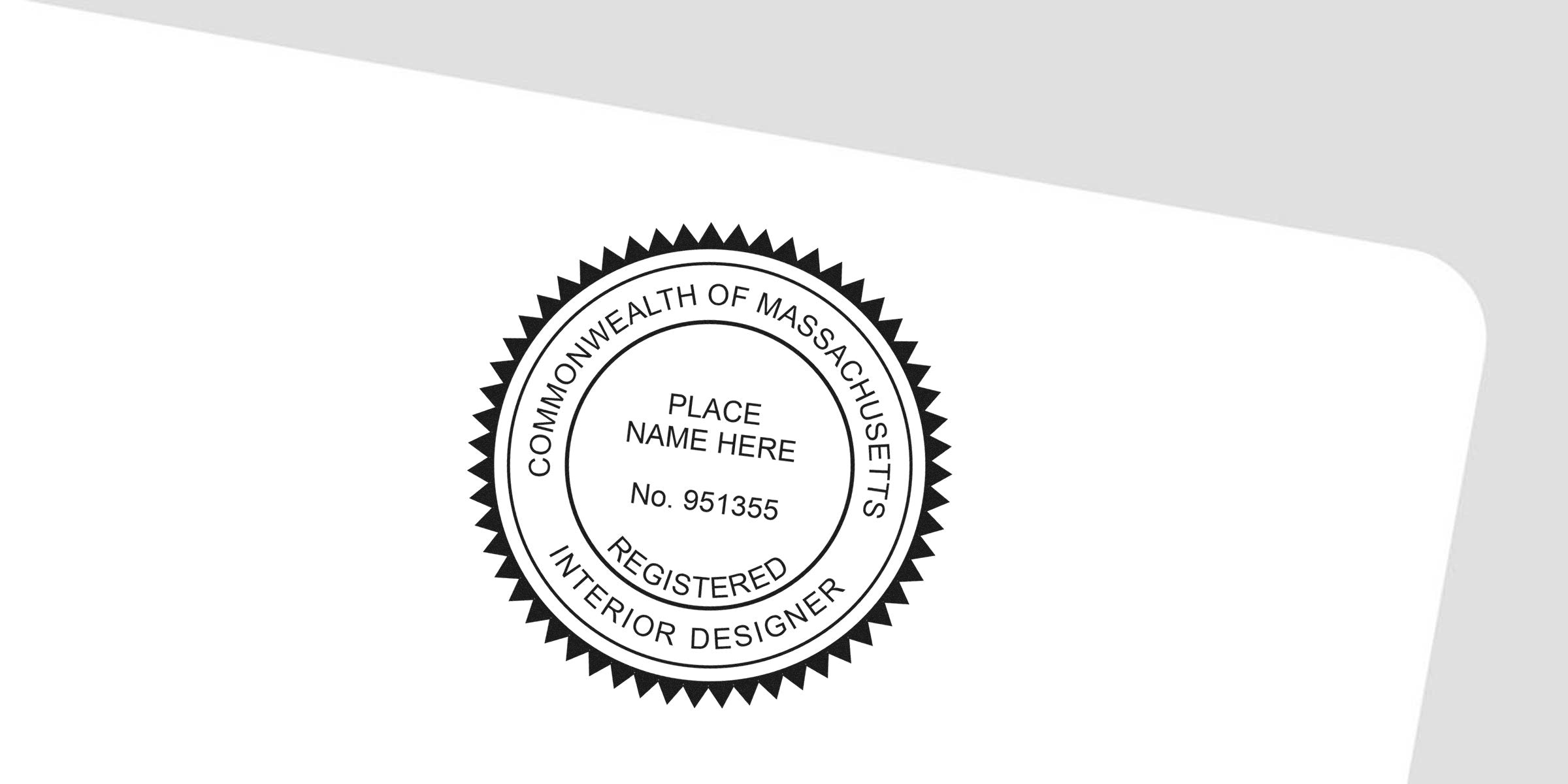
Are you an interior designer in Massachusetts wondering how to make your work stand out? One essential way is to use an official Massachusetts interior designer seal embosser. This specialized tool helps you verify your credentials, meet state requirements, and add that final professional touch to your plans. When you present drawings or documents with a crisp embossed seal, you instantly elevate the perceived quality of your work. That extra detail also reassures clients and regulatory boards that you take your responsibilities seriously.
In this guide, you’ll discover what you need to know about interior design regulations in Massachusetts, how an embosser fits into the big picture, and why choosing a reputable supplier matters. You’ll also learn about the convenience of having a digital seal at your fingertips. Ready to give your projects the stamp of authenticity they deserve? Let’s dig in.
Navigate the Significance
A seal is more than just a decorative mark. It’s a formal way to certify your drawings, plans, or any professional document you produce. In many fields—architecture, engineering, and yes, interior design—state or local agencies expect official seals on completed work.
- It verifies your status as a licensed or certified professional.
- It distinguishes your final documents from drafts or proposals.
- It creates consistency that helps clients and colleagues readily identify official content.
Even if you’re confident in your credentials, clients may not fully understand licensing. An embossed seal, placed prominently on your design plans, does the talking for you. Imagine handing over your meticulously planned floor layout with a crisp embossed imprint—there’s something about that raised finish that says, “We’ve got it covered.”
So if you’re debating whether you truly need a Massachusetts interior designer seal embosser, consider this: in a competitive industry, any detail that boosts your credibility can help you win trust quickly. And trust, in interior design, is invaluable.
Recognize the Requirements
Being an interior designer in Massachusetts isn’t just about picking paint colors or selecting the right fabric swatches. The state has guidelines to ensure projects meet safety, accessibility, and professional best practices. Your role might intersect with building code considerations, layout adjustments for compliance, and coordination with other licensed professionals, such as architects or contractors.
Licensing Basics
- Massachusetts requires a valid certification for interior designers who want to use the professional title officially.
- You’re typically expected to follow certain code regulations, especially for commercial or large-scale residential projects.
- Some projects may require your seal on final plans to confirm they meet local building requirements.
Why Seals Matter to Regulators
When you add your seal to a design plan, you’re essentially declaring, “I stand by the accuracy of these specifications.” You’re also signaling to building departments and local officials that your work aligns with Massachusetts regulations. It’s more than an administrative hoop to jump through—your seal can streamline the permit process by showing you understand and comply with professional standards.
Connecting Requirements to Your Practice
If you’re new to the field, it’s a good idea to speak with local building departments or mentors who have navigated these rules before. Find out what kinds of stamp or seal impressions are preferred. Some jurisdictions still favor physical embossers, while others warmly accept digital stamps. Either way, having a physical embosser on hand ensures you can quickly certify paper-based plans when requested.
Use a Seal Embosser
Now, let’s look specifically at embossers. A Massachusetts interior designer seal embosser features raised letters or credentials that imprint into paper for a tactile, professional finish. That simple raised texture can be surprisingly impressive.
Benefits of an Embosser
- Adds tactile authenticity: An embossed seal feels official to the touch.
- Offers long-lasting impressions: Embossed text won’t smudge or fade like ink might.
- Stands up to scrutiny: Raised details are harder to forge than a simple printed mark.
Some designers now pair their embossed seal with a digital equivalent on electronic documents. Doing so lets them seamlessly serve clients who prefer paper as well as those working in a completely digital environment.
Usage Tips
- Press firmly: Many embossers require a bit of pressure, so place them on a stable, flat surface.
- Position carefully: The guidelines for margin placement (often near a signature) can vary, so confirm local requirements.
- Keep it clean: Dust and debris can reduce the clarity of your mark, so store your embosser in a protective case.
An embosser can instantly transform an ordinary plan into a pro-level document. If you’ve ever run your fingers over an embossed wedding invitation or letterhead, you already know how compelling that raised design can be. The same factor applies here.
Pick a Quality Stamp
While an embosser provides that raised, tactile proof, you might also need an ink-based stamp. Some clients or municipalities may prefer a crisp ink impression, which is quicker to reproduce on multiple copies. You can also explore the Massachusetts Interior Designer Stamp for convenience. However, not all stamps or seals are created equal.
What to Look For
- Durable materials: Stamps with steel frames or heavy-duty plastics last longer and stay aligned.
- Comfortable grip: If you stamp multiple pages daily, an ergonomic handle can keep your wrist happier.
- Crisp lettering: A high-resolution die ensures each letter of your name and license number remains legible.
Comparing Stamp and Embosser
Below is a quick comparison if you’re balancing which tool to prioritize:
| Feature | Embosser | Ink Stamp |
|---|---|---|
| Appearance | Raised imprint, tactile look | Flat ink impression |
| Best Uses | Formal documentation requiring an official finish | Bulk certification, quick marking |
| Longevity of Mark | Permanent indentation, non-fading | Depends on ink quality, may fade over time |
| Storage Consideration | Requires a protective case for the metal parts | Easy to toss in a desk drawer |
Each one serves a distinct purpose. If you want that classic look, an embosser is ideal. If speed is a priority and you regularly certify large sets of documents, a reliable self-inking stamp might be your best friend.
Rely on Acorn Sales
Choosing where to purchase your Massachusetts interior designer seal embosser or stamp can feel overwhelming. You want a supplier that knows the specific guidelines for Massachusetts and understands the professional standards you’ll be upholding. That’s where Acorn Sales steps in.
We’ve been in business since 1964, providing top-quality stamps and seals to professionals from various industries. Our expertise means you’ll have peace of mind knowing your seal meets compliance requirements. We also pride ourselves on customer service that goes beyond the sale. Have questions about your embosser or the best way to arrange the text on your seal? Reach out, and you’ll get friendly advice tailored to your situation.
Why Trust Acorn Sales?
- Deep Industry Knowledge: Over half a century helping architects, engineers, and interior designers.
- High Craftsmanship Standards: Shapes, text spacing, and alignment are checked meticulously.
- Timely Delivery: We know you don’t want to wait weeks for your seal.
- Free Digital Seal Included: When you order from us, you get a digital version at no extra cost.
That digital seal can be a game-changer. Instead of scanning or fussing with additional software, you can simply attach the authorized digital seal to an email or upload it to your software platform. Stress-free professional documentation? Yes, please!
Enjoy a Free Digital Seal
Gone are the days when physical stamps or embossers were your only option. Digital seals are increasingly popular, letting you apply a professional signature on PDFs or other electronic documents in seconds. That means you can finalize a project submission from your home office, your car, or wherever you have an internet connection. It’s all about flexibility.
Advantage of a Digital Seal
- Quick turnaround: Stamp your documents instantly without printing each page.
- Paperless approach: Avoid paper clutter, mailing delays, and storage issues.
- Versatile application: E-sign drawings, reports, or contracts from virtually anywhere.
At Acorn Sales, you automatically receive that digital seal with your physical embosser or stamp purchase. It’s a perfect solution if you’re juggling multiple projects or working with clients who expect immediate digital sign-offs. Plus, it saves you from hunting down third-party services or scanning files just to embed a seal. By simplifying your workflow, you can focus on what you do best: designing incredible spaces.
We understand that deadlines can pop up with little warning, so we strive to process and deliver orders promptly. Turnaround times vary based on customization needs and shipping preferences. In most cases, you can expect to receive your seal or stamp in just a few business days. If you run into a tight deadline, let us know, and we’ll do our best to accommodate a rush order.
When you combine the right tools, such as an official embosser or stamp, with proven expertise in Massachusetts requirements, your designs speak for themselves. Clients and permitting agencies see your professional pride—and that can be the deciding factor between a smooth project and one snared by red tape. Ready to invest in something that works just as hard as you do? Check out the options from Acorn Sales, and keep that free digital seal handy for your daily workflow. You’ll find that the right seal connects the dots between creativity, compliance, and confidence in your final work.
Frequently Asked Questions
What are the main differences between a Massachusetts interior designer seal embosser and a stamp?
An embosser creates a raised or embossed impression, making your seal stand out on paper. It’s especially useful for official documents. A stamp leaves an ink marking on the surface. If you’re frequently certifying plans, a stamp might be quicker. However, an embosser adds a refined, tactile finish that impresses clients and officials alike. Many designers choose to have both on hand.
Which documents need to bear the seal?
This largely depends on local regulations and your project scope. Typically, final plans, official design proposals, and any document submitted for permits should include your seal. Always double-check your local city or town guidelines, as they may have specific rules about placement, size, or additional licensing numbers that need to appear.
Can I use my embosser for digital documents by scanning them?
Yes, you could scan a physically stamped document and send it electronically. However, it’s far simpler to use a dedicated digital seal if you want a clean, consistent image on each electronic file. Acorn Sales offers a free digital seal with your purchase, letting you incorporate your seal directly into digital files without scanning.








