
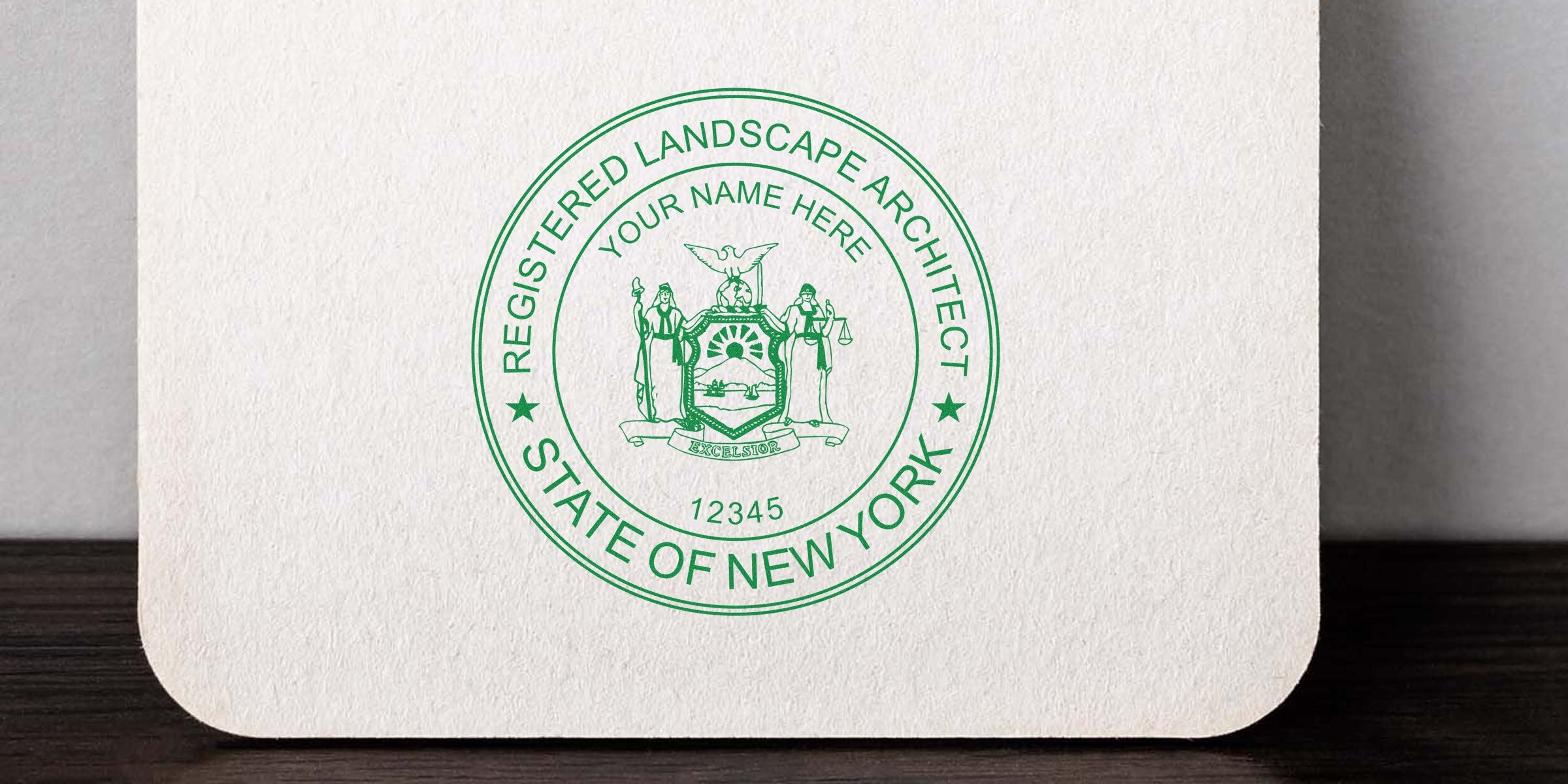
In your day-to-day work as a landscape architect, you know how critical it is to deliver plans that look polished and satisfy all professional standards. But have you considered how a New York landscape architect seal embosser can elevate your designs even further? This tool does more than leave a nice, raised impression. It also speaks volumes about your credibility, ensures compliance with state regulations, and offers a finishing touch that clients and agencies appreciate.
Below, you will find everything you need to know about choosing and using your seal embosser in New York. We will explore the legal requirements, the key features to look for, and a few helpful usage tips. You will also discover why trusting a reputable provider, like Acorn Sales, makes all the difference. Let us jump in.
Elevate Your Professional Image
Appearances matter, especially when you are presenting your final landscape plans. Delivering official documents with a crisp, raised seal shows that you take every part of your job seriously. It also allows your clients, contractors, and regulatory agencies to see, at a glance, that your drawings are properly approved.
One of the best parts about using a New York landscape architect seal embosser is that it instantly conveys professionalism without any extra work on your end. Once you have the right embosser in hand, a quick press of the device is all it takes. Let us be honest, your efforts deserve that finishing flourish.
- A raised seal implies legitimacy
- Clients trust documents that look official
- You stand out among competitors who rely on less-formal marks
When your plan or drawing lands on someone’s desk, they will remember that professional seal. Over time, it becomes part of your personal brand.
Why You Need a Seal Embosser
You might be asking, “Is an embosser required, or can I just use a rubber stamp?” In many scenarios, both a stamp and embosser are acceptable marks for your official documents. However, an embosser offers a distinct advantage. Because it creates a physical indentation, it is pretty hard to duplicate or falsify. This helps protect your professional reputation, ensuring that each set of drawings remains uniquely yours.
You also benefit from:
- Better Security: Raised seals deter tampering and reassure clients that they have original, verified documents.
- Compliance Clarity: Many regulatory bodies prefer embossed documents, though you can check official guidelines if you have any doubts.
- Added Aesthetics: Embossers leave a crisp, tactile imprint that looks sharp in presentations.
If you see yourself regularly filing or sharing official design documents, a properly formatted embosser can make your life simpler. It can quickly become one of those “I did not realize how much I needed this” tools.
Key Requirements in New York
New York state has specific guidelines that dictate what goes on your professional seal. You should make sure these details appear clearly on your embosser or stamp. Commonly, the following elements are included:
- Your name as it appears in your license records
- The phrase “Licensed Landscape Architect”
- Your license number
- Any additional text mandated by the state
For a comprehensive breakdown of these regulations, you might want to review the New York landscape architect stamp requirements. By staying in line with state laws, your documents will stand up to scrutiny, whether they are being filed at the local municipality or used as reference points on a job site.
Double-Check the Regulations
Always confirm that you have the most up-to-date information. Rules can shift over time, and you do not want to invest in an embosser that needs replacement because it no longer meets regulations. A quick search of official state guidelines or consulting seasoned professionals can save you the hassle.
How to Choose the Right Tool
Picking out your New York landscape architect seal embosser takes some thought. It is not just about picking the first model you see online. You want something durable, easy to use, and perfectly aligned with state requirements. Let us break down the essentials.
Look for Durability
An embosser is essentially a small press. With repeated use, cheaper options might wear down or fail to create crisp impressions. High-grade metal construction and sturdy handles can keep your embosser working smoothly for years.
Ensure a Clear Impression
You want your text to stand out clearly. Nobody wants to squint or guess what letters are supposed to be beneath the raised design. A well-constructed die and balance mechanism are crucial for producing legible results. Before settling on a model, check product reviews to see what others have experienced.
Think About Ergonomics
If you are frequently stamping plans, that repetitive motion can take its toll. Models with an ergonomic handle and an easy-squeeze design can make your daily routine more comfortable. Some embossers also try to reduce the force needed, making them friendlier to your wrists.
Consider Pocket or Desk Styles
Depending on how you work, you can choose between:
- Pocket Embosser: Compact and convenient for on-the-go stamping. Ideal if you often travel to clients or job sites.
- Desk Embosser: Sturdier and typically easier on the hand. Perfect if you primarily do your stamping in the office.
There is no right or wrong choice, just what fits your workflow best.
Tips for Proper Use
Once you have selected the perfect embosser, the real question becomes, “How do I get the most out of it?” Though embossing is straightforward, a few best practices can keep your documents looking top-notch.
- Align the Paper: Make sure you place the page consistently, especially if you are embossing multiple pages in one set. Slight shifts in alignment can lead to uneven or hard-to-read impressions.
- Practice Pressure Control: Too little pressure can create a faint seal, while too much can tear the paper. Experiment on a scrap sheet until you find the sweet spot.
- Watch Your Margins: Some official documents have recommended margins where your seal should appear. If that is the case, measure to ensure compliance.
- Keep It Clean: Residue or paper dust can accumulate on your embosser plates. Wipe them down occasionally to maintain crisp details.
- Store Properly: Keep your embosser in a clean, dry spot. This not only extends its life but also helps prevent scratches on the die.
Avoid Overuse
While an embosser looks great, not every single page of a submission needs it. Use your seal judiciously. Typically, you only stamp or emboss the cover sheet, official title pages, or specific areas indicated by local rules. If you overload your documents with raised impressions, it can feel excessive and distract from the content.
Why Go With Acorn Sales
Choosing an embosser is a personal decision, but it is worth looking at trusted brands that have been in business for a long time. Acorn Sales, for instance, has been around since 1964, offering reliable solutions for professionals across various industries. Because we provide a free digital seal with every order, you can handle both physical and electronic documentation with ease.
A Trusted Supplier
If you want an embosser you can rely on for years, turning to an established company makes sense. Acorn Sales prioritizes high-quality construction and design details that ensure each seal is both compliant with New York guidelines and legible. In the long run, you will save money by not having to replace your embosser due to broken handles or a worn-down die.
Support and Service
Beyond the product itself, Acorn Sales stands by its offerings with a staff ready to answer your questions. Let us be honest, navigating state guidelines can feel a bit tricky, especially if it is your first time ordering a new embosser. Having a knowledgeable contact to guide you through the ordering process is a real plus.
Digital Seal Included
In today’s digital world, you may need an electronic version of your seal for digital submissions or electronic plan sets. Instead of paying extra or hunting around for a separate digital seal service, Acorn Sales packages one with each purchase. That means you can confidently handle both paper documents and electronic files, all with the same official seal design.
Wrapping It All Up
Having a proper seal embosser is more than just a state requirement. It is also an investment in your image, your workflow, and your peace of mind. By marking your documents with a raised emblem, you reaffirm your professionalism, discourage unauthorized reproductions, and neatly comply with the guidelines set forth for New York landscape architects.
Whether you choose a compact pocket embosser for client visits or a sturdier desk model, make sure the device meets your specific needs. Keep an eye on state rules, prioritize durability, and always aim for a clear seal impression. Working with a reputable supplier, such as Acorn Sales, gives you a head start in finding an embosser that you can trust for years to come.
In the end, a New York landscape architect seal embosser is a small tool that can have a big impact. If you are ready to bring a touch of professional flair to every plan you stamp, it is time to pick the one that fits your style. After all, you put a lot of care into crafting designs that beautify our shared spaces, so why not give them the official seal of approval they deserve?
Frequently Asked Questions
Do I Need an Embosser or a Stamp?
” You have the freedom to choose. Both are valid, but an embosser offers a raised, more secure impression. If you want an official, professional look that is harder to replicate, go with an embosser. If you prefer a quicker, flat impression, a regular stamp might suffice.
What Happens if I Move Out of New York?
” If you relocate, you will need to follow the sealing requirements of your new state. It may mean obtaining a new embosser that meets the updated rules. Keep your old embosser only if you maintain your New York license and plan to submit drawings there.
How Often Do I Need to Replace My Embosser?
” A quality embosser can last for many years. Most people only replace theirs if personal information changes (like a name or license number) or if state regulations update the required seal format. Routine maintenance and good storage can keep your embosser in top shape.
Is There a Specific Size Requirement?
” New York often recommends or mandates certain diameter sizes for the seal. Typically, this runs around 1.75 to 2 inches, but it is wise to confirm the exact measurement. Check official guidelines or review the New York landscape architect stamp requirements to verify that information.
How Does the Free Digital Seal Work?
” Acorn Sales provides a digital file featuring your custom seal. You can insert this image into electronic files, so your digital submissions also carry your official mark. This ensures consistency between your paper and online documentation.








