
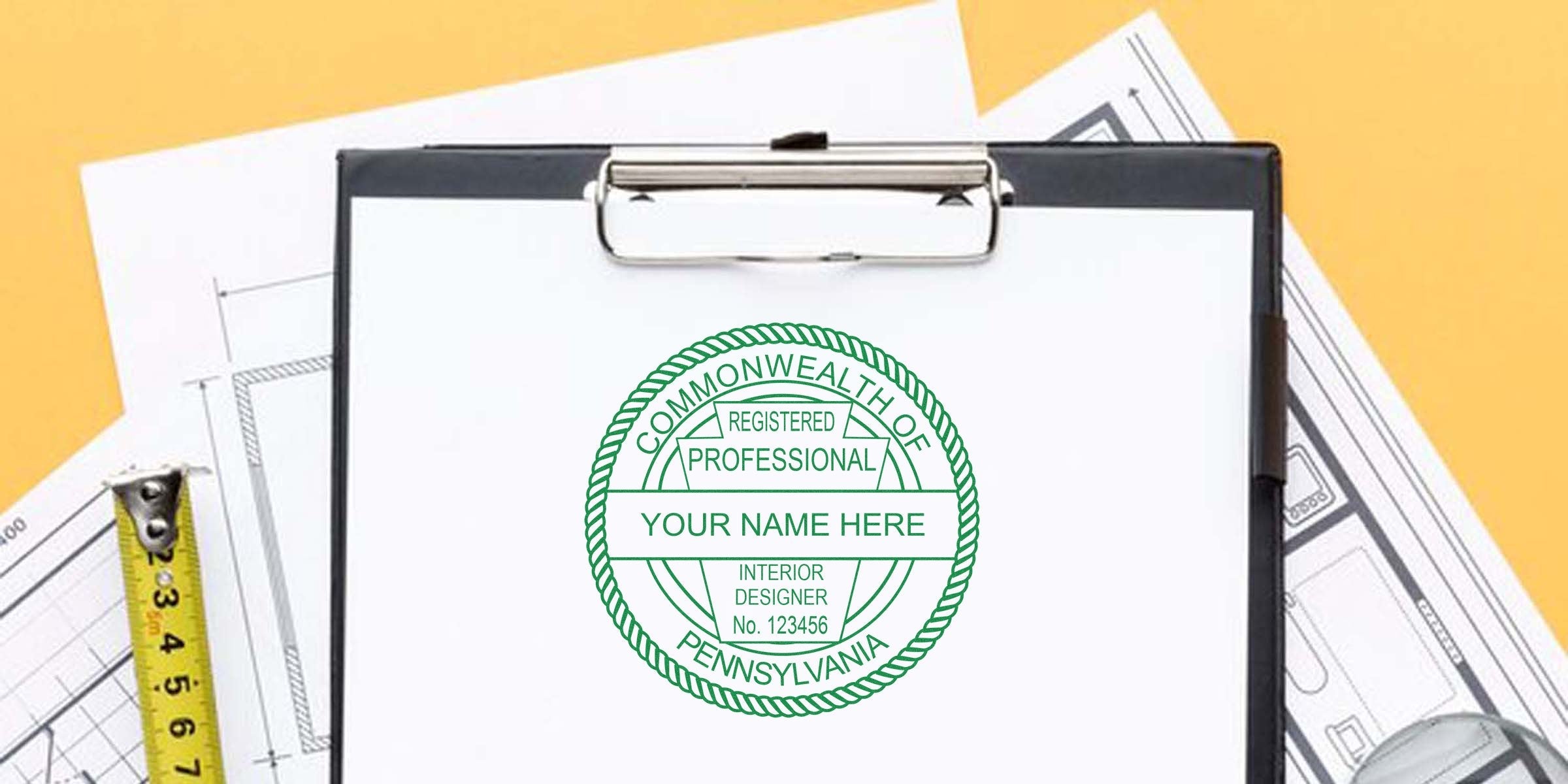
Whether you’re a seasoned interior designer or just starting out in the state, you’ve probably come across the concept of a Pennsylvania interior designer seal embosser. This small yet impactful tool helps you authenticate your design documents, ensuring compliance with Pennsylvania’s professional standards. But how exactly do you use it to its full potential, and what steps should you take to stay in line with state requirements? Let’s walk through each essential detail so you can confidently stamp and seal your creative projects.
Recognize the Importance of an Embosser
Before diving into specific regulations, it helps to understand why an embosser is critical to your professional journey. As a Pennsylvania interior designer, you’re not just picking stylish color palettes or sourcing comfortable furniture. You’re also responsible for ensuring your designs meet safety standards, adhere to local codes, and reflect a responsible level of accountability. That’s where an official seal comes in.
When you apply your unique embosser to drawings, plans, or specifications, you’re adding a layer of legitimacy to your work. It basically says, “Yes, a qualified professional did this, and I stand by it.” That trust factor matters to clients, building inspectors, and anyone else reviewing your plans. Even if you’re working on smaller-scale projects, the seal offers peace of mind. It can also help establish your name in a field where credibility counts just as much as creativity.
Beyond trust, an embosser often ensures you conform to Pennsylvania’s requirements for interior designers. Some local jurisdictions request proof of your professional status before giving the green light to a project. Having a seal that meets all legal specifications is a fast way to check an important item off your project to-do list.
Learn Pennsylvania Guidelines for Interior Designer Seals
In Pennsylvania, interior designers face specific guidelines aimed at keeping the profession consistent and transparent. While exact details can change over time, most requirements center on two main points: the regulation of your seal’s design and how you use it. If you haven’t already, you might want to check out official instructions provided by the Pennsylvania licensing board or local authorities.
-
Seal design should usually include:
-
Your name
-
Your professional designation or license number, if relevant
-
Appropriate state references (like “Registered Interior Designer,” if recognized in your area)
-
Usage typically follows:
-
Only stamp or emboss final drawings or specifications you’ve directly supervised or created
-
Keep a record of where and when you used your seal to track your professional involvement
When in doubt, it’s wise to look into additional resources or speak with a professional organization. You can also explore pennsylvania interior designer stamp requirements to deepen your understanding of official guidelines. Staying well-informed helps you avoid compliance hiccups so you can focus on designing beautiful spaces.
Choose the Right Pennsylvania Seal Embosser
Your embosser isn’t just a gadget, it’s a direct reflection of your professional identity. If you’re investing in one for the first time, consider these main features:
-
Type of Embosser
- Hand-held embossers are portable and easy to store, but might require a firm grip.
- Desk embossers sit on your workstation and typically give you consistent impressions with minimal effort.
-
Impression Quality
- Look for an embosser that delivers sharp, clean lines. A blurred seal won’t look professional.
- Test a sample if possible, or read up on product reviews.
-
Durability
- Lightweight plastic designs can be cost-effective, but if you’re planning to use your seal often, invest in sturdy materials like metal.
- You’ll save time and money in the long run by not replacing worn-out parts.
-
Professional Design Compliance
- Make sure the layout accommodates your name and designation properly.
- Confirm that the seal size aligns with Pennsylvania’s standards.
It’s also wise to purchase your embosser from a reputable supplier like Acorn Sales, which has been in business since 1964 and offers reliable solutions for Pennsylvania interior designer stamps and seals. Acorn Sales provides a free electronic seal along with physical embossers, so you can receive the benefits of both a classic impression and a modern digital version.
Use the Seal Correctly on Your Designs
Sealing a document might sound straightforward—press your embosser against the paper, and you’re done. However, subtle techniques can make a difference in how professional the final stamp appears. You always want clarity and a crisp finish, so here are practical tips to guide you:
-
Prep Your Surface
- Smooth out your drawing sheets or specifications so there are no wrinkles.
- If possible, place them on a sturdy table or flat surface that won’t shift.
-
Position with Care
- Align your embosser properly before you apply pressure.
- Double-check you’re stamping the right spot, usually near your signature or title block.
-
Apply Even Pressure
- You don’t want to overdo it or underdo it. Practice on a scrap sheet first.
- If you’re using a desk embosser, press steadily until the impression feels secure.
-
Inspect for Readability
- Look at your newly embossed seal under good light. All text and lines should be legible.
- If you notice smudges or faint lettering, adjust your technique or consider re-inking if you’re using a stamped ink seal as well.
Each time you use your embosser, maintain a log of the project name, date, and any relevant notes. This habit not only keeps you organized but can also serve as important documentation for your records if any questions arise later.
Maintain Professional Standards and Ethics
An official seal carries an ethical dimension—it’s your pledge that the work you’re stamping is accurate and safe. That’s why it pays to remain consistent with how and when you use your seal. Always confirm that the documents are complete and up to code before sealing them. Ensure your plans and specifications accurately reflect the project’s structural, functional, and aesthetic needs.
If you collaborate with other interior designers, draft a policy on who seals which documents to avoid confusion. You’ll also want to stay transparent with clients about the significance of the seal. Let them know that it confirms your compliance with Pennsylvania’s rules and that your design upholds professional standards.
The same principle applies if you’re revising a set of drawings that were previously sealed. In many cases, you may need to re-emboss the updated pages. Keep your project information well organized, and date new versions clearly to avoid mixing old drawings with newly stamped ones.
Stay Updated with Changes in State Requirements
Interior design regulations can shift. Over the years, Pennsylvania has adapted guidelines to ensure professionals meet modern design and safety principles. One of the smartest ways to protect yourself is to regularly check for updates from reputable sources, such as:
- The Pennsylvania Department of State (or relevant licensure boards)
- Local or regional interior design associations
- Industry publications and newsletters
Make it a habit to review these sources annually or every time you renew your professional credentials. That way, you’ll be the first to know if there are changes regarding who can seal documents, what your seal must look like, or how frequently you need to renew licenses. You don’t want to find out during a project that you’ve been using an out-of-date seal or missing a critical piece of text on your impression.
Benefit from Acorn Sales’ Expertise
Choosing the best seal embosser goes hand in hand with picking the right supplier. At Acorn Sales, we pride ourselves on providing high-quality and durable embossers tailored to Pennsylvania interior designer needs. We’ve been serving design and business professionals since 1964, so we know what matters most:
- Reliability: Our embossers stand up to heavy use, giving you crisp markings time after time.
- Free Electronic Seal: Along with a physical embosser, you can get a convenient electronic seal for digital documents.
- Personalized Assistance: We help you confirm that names, numbers, and layout meet Pennsylvania guidelines.
By partnering with a trusted name in the field, you can focus on creative work instead of fretting over whether your official seal meets all the requirements. If you want to explore more on the technicalities behind stamping or simply want a high-quality embosser shipped to your doorstep, Acorn Sales has you covered.
Conclusion and Next Steps
Securing a Pennsylvania interior designer seal embosser isn’t just a formality—it plays a crucial role in establishing your credibility and meeting state regulations. By taking the time to research guidelines, invest in a quality embosser, and properly apply your seal, you’re setting yourself up for smoother design approvals and stronger client trust.
Always stay aligned with Pennsylvania’s rules for interior designers, regularly check for updates, and document every embossed submission. If you stick to these best practices, your seal will function as a reassuring stamp of confidence on every project you produce. All that’s left is to keep designing spaces that both delight and meet professional standards.
Frequently Asked Questions
Why Do I Need a Pennsylvania Interior Designer Seal Embosser?
You need the embosser to authenticate and validate your design documents according to Pennsylvania’s standards. It confirms that you, as a qualified professional, vouch for the safety, accuracy, and integrity of the plans you’re submitting.
Can I Use My Embosser for All Types of Plans and Documents?
Typically, yes. You can apply it to final drawings, specifications, or any formal submissions that demand proof of your professional oversight. However, ensure you only seal work you’ve directly created or supervised to stay consistent with ethical guidelines.
How Do I Keep My Seal Up to Date with Changing Rules?
It’s best to monitor announcements from Pennsylvania’s Department of State or your local licensing board. You can also follow professional organizations and check pennsylvania interior designer stamp requirements for additional guidance. Regularly reviewing these resources helps you catch any updates to seal design or usage requirements.
What Makes Acorn Sales a Trusted Supplier?
Acorn Sales has served professionals since 1964, offering reliable stamp and seal solutions. With every embosser purchased, you get a free electronic seal that complements your physical device. Our products are designed to last, giving you clear, crisp impressions every time. If you want personalized support to ensure your seal meets Pennsylvania’s guidelines, Acorn Sales is here to help.








