
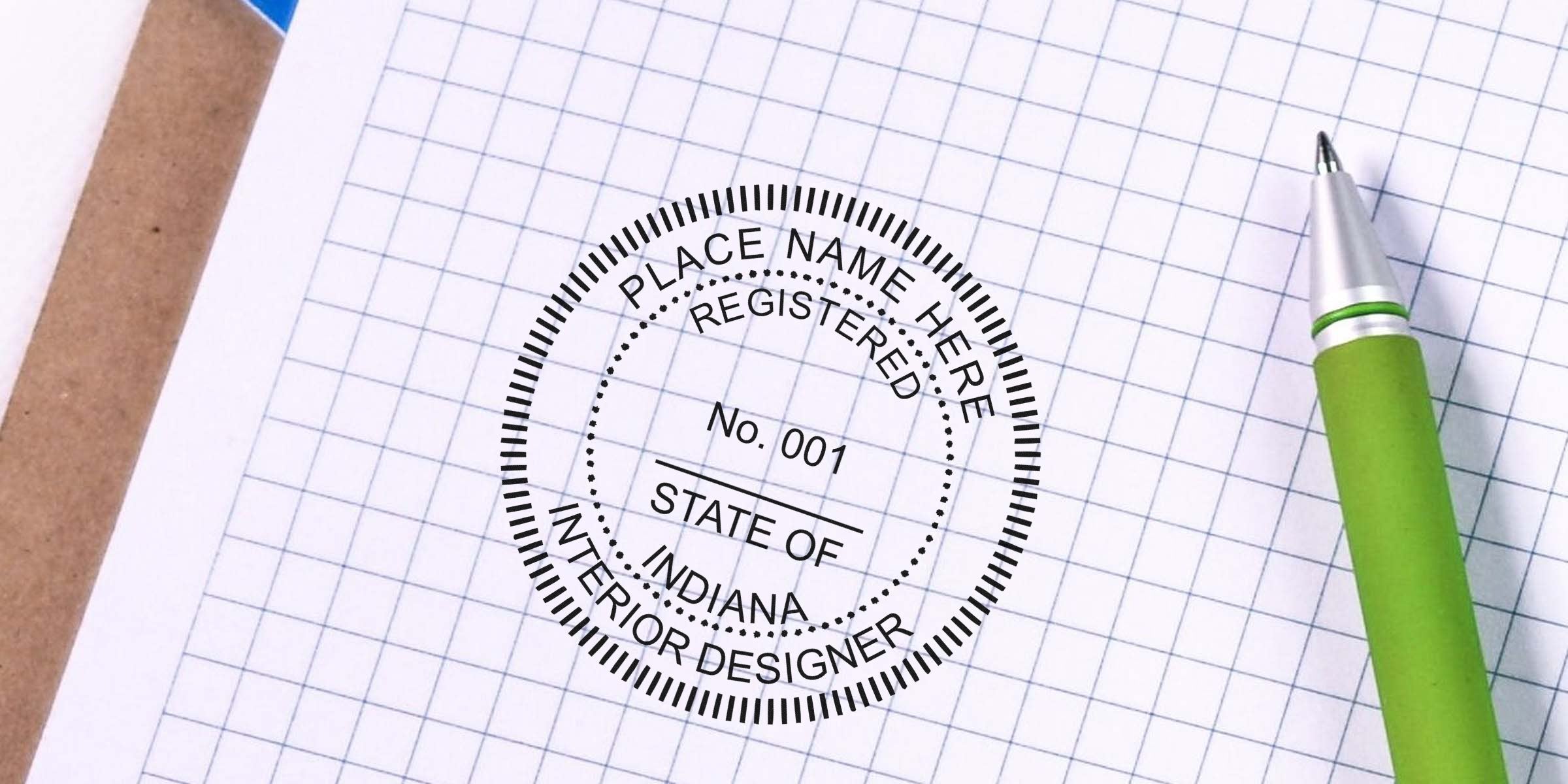
Whether you are renovating an older home or tackling a brand-new project, having an official indiana interior design seal embosser can give your drawings a polished, professional edge. It is a small tool with a big impact, giving you a tangible way to authenticate your work while meeting Indiana’s regulatory expectations. If you have been curious about how to get started, you are in the right place. This article will walk you through the significance of this seal, the steps to order it, and best practices for using it so you can keep your design projects running smoothly.
Understand The Basics
When you think of an interior design seal, you may picture a clean imprint on a set of plans or a crisp raised impression left by an embosser. Either way, it is an essential mark of approval, showing that a qualified interior designer has reviewed and endorsed key project documents. While the “look” of the seal can vary, the central purpose is to help maintain professional standards and ensure public safety in Indiana.
On a practical level, this seal is sometimes required by local authorities or state boards, depending on the specific nature of your design work. Even if it is not mandatory for all your drawings, it often acts as proof that you have complied with local regulations. Short on time or worried about ordering details? Do not stress, because reputable suppliers make the entire process clear. There are many design professionals like you who discovered just how much easier planning becomes once they have their Indiana interior design seal embosser in hand.
Compare Stamps And Embossers
If you are new to the world of professional certifications, it may look like you have two main choices: a rubber stamp or the classic embosser. Both create a seal, but they have a few key differences that are worth considering:
- A stamp uses ink to leave a clear impression on various surfaces. It is super convenient if you need multiple copies of your design documents.
- An embosser, on the other hand, leaves a raised impression. This approach is visually striking and adds a layer of security because raised seals are harder to forge or falsify.
Some designers like to keep both, using a stamp for everyday documentation and bringing out the embosser when they want that extra level of authenticity. Others prefer strictly one or the other, depending on their workflow. If you already handle lots of design sketches or final plans, think about your typical volume before making the choice. Having the embosser does feel more formal and professional. The crisp raised image often impresses clients and reviewers alike, signaling you take the project’s integrity seriously.
Navigate Indiana Requirements
Indiana has specific guidelines that interior designers must follow to practice legally in the state. You might already know this if you have been through the certification process, or you may be right at the start of your journey. Either way, here are some general points to keep in mind:
- Check Licensing Rules: Verify that you have the necessary qualifications the state requires. If you are unsure where to look, consult the Indiana Professional Licensing Agency for details.
- Confirm Seal Format: The state board typically provides specifications for how the seal should look, including required text like your name and license number. This ensures consistency and authenticity across all official documents.
- Use The Right Materials: Seals should remain legible over time. That means selecting high-quality products so the impression will not smudge, fade, or become indiscernible years later.
You might also need an accompanying indiana interior designer stamp in certain cases, particularly if you frequently submit printed or digital design plans for approval. Although the paths to compliance can vary, keep in mind that the extra effort ensures you meet Indiana’s rules and protect your professional reputation.
Choose A Reliable Supplier
When it is time to order your seal, picking the right supplier can make the difference between a smooth journey and a headache. A good supplier will:
- Understand Indiana’s Specific Needs: They keep an eye on changing regulations and can confirm your design meets current requirements.
- Offer Quality Products: Look for durable materials that stand up to repeated use. You do not want your embosser to jam or break after just a few months.
- Provide Customer Support: Ordering professionals appreciate having a support team on hand to answer any questions about shipping, design specs, or product usage.
If you have never purchased a seal before, it really helps to find a vendor with a longstanding reputation. That way, you get the peace of mind that comes from professionals who have handled countless orders like yours. One name to know is Acorn Sales, which has been in business since 1964 and is trusted by many designers for their Indiana interior design stamps and seals. It is always reassuring when the company you pick understands exactly what you need, even if you are not entirely sure yourself.
Order Your Indiana Interior Design Seal
Let us break down the ordering process step by step. Even if you have never done this before, you will find it is simpler than it might seem:
-
Gather Project Details
First, figure out exactly what your seal needs to say. Typically, this includes your name, your license number, and possibly an approved statement indicating you are an Indiana interior designer. -
Confirm Requirements
Take a look at Indiana’s rules to ensure the wording, sizing, and layout align with official guidelines. If you are unsure, ask your supplier to confirm that you have the right format. -
Choose Stamp Or Embosser
As we discussed, an embosser is popular for a raised, omnipresent impression, while a stamp uses ink and often works faster for high-volume tasks. You can pick one or both. -
Review Production Time
Standard turnaround can range from a couple of days to a couple of weeks. During your preparation phase, be mindful of any project deadlines. You will want your seal ready for final approvals. -
Provide Contact And Payment
Complete your purchase by giving the supplier your delivery address, payment info, and your official design details.
Once you finalize these steps, you will usually receive a preview or proof before they make your seal. This is your chance to verify all spelling and number placements. After that, your embossed seal is off to production, and you are on your way to a more official, streamlined workflow.
Practice Proper Usage
Once your indiana interior design seal embosser arrives, it is tempting to jump in and start stamping everything. But there are best practices you will want to adopt right from the start:
- Apply Consistently: Use the seal on every official plan that requires it. This consistent approach shows uniformity and ensures no confusion about which documents are truly approved.
- Store Securely: Keep your embosser in a safe but accessible place. If you misplace it, you risk unauthorized use or having to reorder. A simple locked drawer can do wonders for your peace of mind.
- Keep Records: It helps to maintain a log of when you have used your seal and on which documents. This practice can protect you if you ever need to verify your role in a project’s approval.
Beyond that, always check your impressions carefully. If you see a faint or incomplete image, add a bit more pressure or switch to a smoother surface. Over time, you will get a feel for the sweet spot that yields a crisp, raised mark.
Discover Digital Advantages
If you are facing tight turnarounds or you often send out digital copies, consider making use of a digital seal. Many reputable suppliers, including Acorn Sales, offer a free digital seal with every order so you can embed it directly on electronic documents. Think about how convenient it is to attach an officially recognized seal to any file you share via email.
Some design firms combine both physical and digital seals. They use the embosser for the final, printed copies, while a digital seal speeds up the process of circulating preliminary drafts. This dual strategy keeps projects moving and satisfies stakeholders who prefer digital workflows.
Conclusion And Next Steps
Having an authorized Indiana interior design seal embosser makes a world of difference when you want your projects to stand out. It is not just about compliance; it is also a mark of quality and authenticity that your clients and colleagues will notice. Once you have an embosser, you can confidently submit your final designs, safe in the knowledge that you are meeting local regulations.
If you are not sure which seal format suits your workflow, try talking to a reputable provider who can guide you through the decision. Acorn Sales, known for trustworthy service since 1964, offers stamps, embossers, and a free digital seal with every order, so you can equip yourself for almost any design scenario. Ordering can be done in a few clicks, and before you know it, you will have a professional seal to take your interior design work to new heights. Feel free to make the most of both physical and digital options, and enjoy that extra peace of mind in every project you complete.
Frequently Asked Questions
What are the general rules for using a seal in Indiana?
You must ensure your seal meets state guidelines regarding layout and size. It should contain your name, your license number, and any specified wording. Always apply it only to documents you have actually reviewed and approved.
Do I need to renew my seal periodically?
While the physical seal itself does not need renewal, your interior designer license does. Once your license is renewed, verify that your seal still has accurate information. If the wording or numbers have changed, you may need an updated stamp or embosser.
Why choose an embosser over a stamp?
An embosser leaves a raised impression, which is less prone to tampering or unauthorized reproduction. Many professionals feel it looks more official and credible. A stamp can be faster, but it does not offer the same tactile security.
Will a digital seal be legally recognized?
In most cases, digital seals are acceptable for electronic submissions, provided they meet state guidelines. Always double-check what your local agencies require. If the agency asks for a raised seal, you will likely need the physical embosser too.
How do I maintain my embosser?
Store it in a clean, dry space, away from extreme temperatures. A soft cloth can keep dust off. If you feel the impression is getting weaker, check the pressure settings. A quick tune-up or adjustment may bring back the crispness.








