
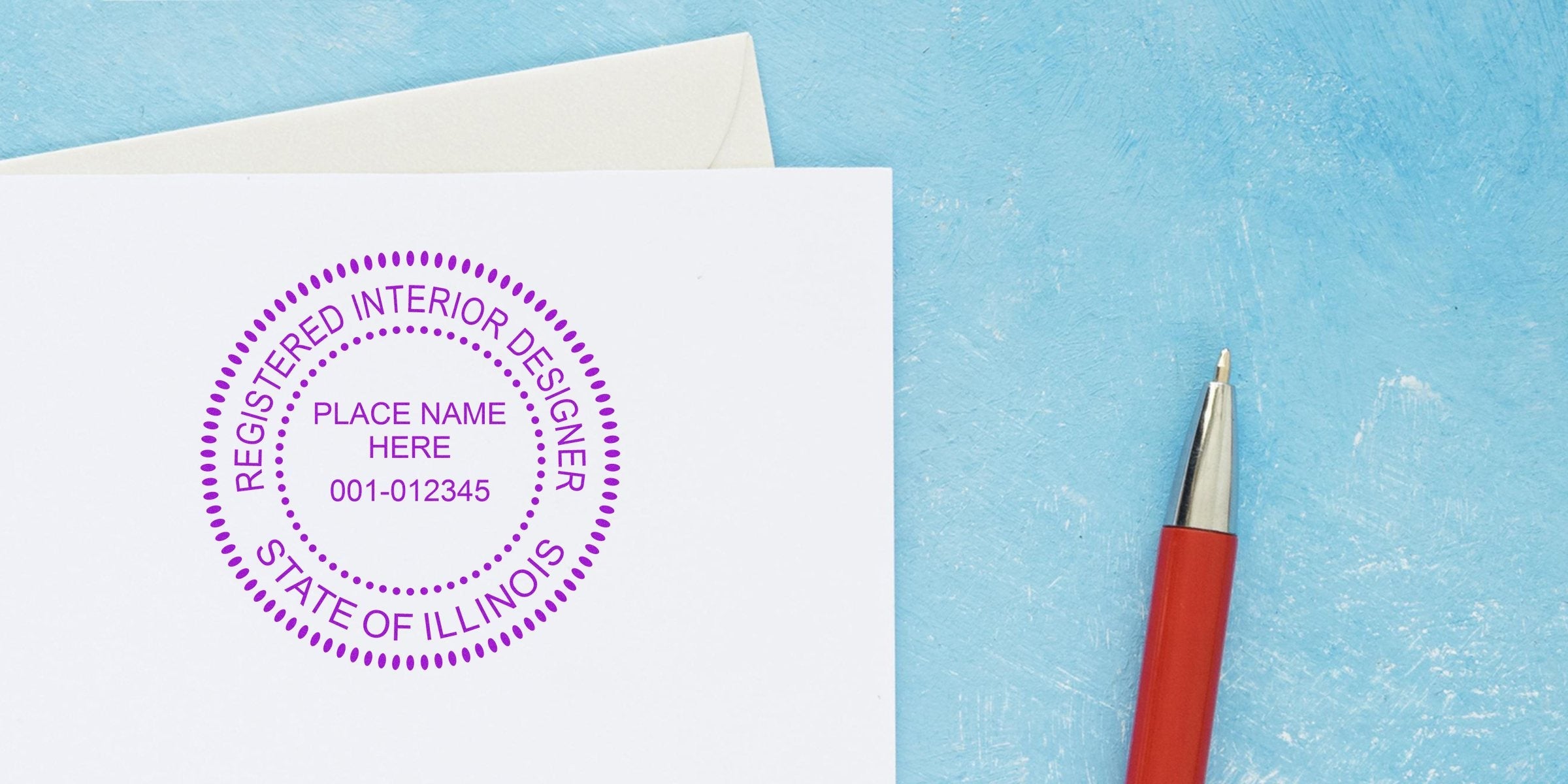
Are you an Illinois-based interior designer trying to keep your projects in line with state regulations? Chances are you’ve come across illinois interior designer stamp embossing tools along the way. These specialized accessories verify the authenticity of your design documents, meet legal guidelines, and showcase your professional standing. Let’s walk through exactly how these stamps and seals work, plus how to pick the ideal options for your needs.
Sure, dealing with official seals and stamps might seem intimidating at first. But once you understand the basics, they become second nature. Below, you’ll learn the key rules, discover the types of stamping tools available, and see why partnering with a trusted supplier makes all the difference in ensuring a seamless design approval process.
Navigate Illinois Requirements
Staying compliant with Illinois rules on interior designer stamping isn’t just about ticking boxes. It’s about presenting your work confidently and ensuring that all your blueprints, layouts, and sketches carry the correct credentials. Let’s dig into what this means for you.
Understand Mandatory Steps
If you’re preparing documents that require an official seal, you’ll want to familiarize yourself with the Illinois guidelines governing professional design documents. These state regulations outline when and where your stamp is needed, as well as how your seal should appear. In a nutshell, your stamp must be valid, reflect your current credentials, and be placed on all required pages or sheets.
For a detailed run-through of official guidelines, take a look at the Illinois Interior Designer Stamp Requirements. This resource offers an overview of what the state expects so you can feel confident every time you apply your seal.
Avoid Common Pitfalls
You’d be surprised how many designers accidentally misuse their stamps. One common slip is forgetting to include a legible impression. If the ink is too light or the embossing isn’t clear, your work could be questioned or even delayed. Another pitfall is placing the stamp in the wrong spot, which might block crucial design details.
To steer clear of these issues, keep your stamp in good shape, and always check your impressions as you go. A quick practice run on a scrap sheet helps confirm everything is crisp before you finalize the layout.
Choose Your Stamp Tools
Now that you know how essential it is to follow the rules, let’s talk about the tools themselves. There isn’t a single, one-size-fits-all stamp solution. Instead, you’ve got multiple formats and designs, each with distinct pros and cons.
Pre-Inked Or Self-Inking
Pre-inked stamps come loaded with ink inside the stamp body, giving you sharp impressions and minimal mess. Meanwhile, self-inking stamps feature an internal ink pad that re-inks the stamp die each time you press down. Both types are convenient, especially when you’re doing repetitive stamping. If you’re working on many pages in quick succession, these tools help you breeze through the process without constantly recharging your ink pad.
Think about the size, color, and clarity of the mark you need. Pre-inked options usually produce slightly crisper details, while self-inking versions are often more budget-friendly. Either way, both are time-savers when you have multiple documents to seal.
Try A Traditional Embosser
If you love a classic, professional look, the traditional embossing seal might be your go-to. Unlike ink-based stamps, embossers press a raised seal into the paper. This three-dimensional effect visually sets your work apart. Plus, it’s tough for anyone to replicate or alter an embossed design.
However, an embosser isn’t always the quickest route. If you have many pages to finalize, manually pressing each impression can turn into a mini arm workout. Still, embossers are excellent when you want a timeless, official finish. They also make a strong impact on clients who appreciate tangible proof of authenticity.
Know Your Seal Options
Yes, your choice of stamp matters, but don’t overlook the seal formats available. In Illinois, you typically need a seal that displays key details, like your name and license information. You can opt for a physical seal, an electronic seal, or both.
Electronic Seal Perks
An electronic seal is a digital file you can add to your drawings before printing or sending them electronically. It’s especially handy if you’re importing your designs into a PDF or sharing them via email. Because everything is in a digital format, you reduce paper waste and streamline your workflow.
In many scenarios, an electronic seal is widely accepted as long as it meets the state’s criteria. Always double-check that the digital seal you’re using contains the precise design specified by Illinois authorities. Keeping an electronic version on hand lets you avoid last-minute scrambles when deadlines loom.
Physical Seal Details
Physical seals come in either rubber stamp or embossing form. A rubber stamp can be simpler to apply and easier to replicate, as long as you keep your ink pad refreshed. An embossed seal, on the other hand, leaves a permanent impression that looks highly professional.
Choosing between rubber and embossed seals can hinge on how you typically present your work. If you frequently mail documents or appear in person for sign-offs, an embossed seal can lend your projects an elevated feel. If speed and convenience rule your day, a self-inking rubber stamp often works better.
Work With Acorn Sales
You don’t have to figure out all these details on your own. Tapping into decades of experience from a reliable stamp maker can remove a lot of guesswork. That’s where Acorn Sales comes in.
A Stamp Maker Legacy
Acorn Sales has specialized in creating official stamps and seals for over 60 years. That means we understand not only the tools themselves but also the compliance regulations in different states, including Illinois. If you ever feel uncertain about which product is best or how to stay aligned with state standards, an experienced supplier can offer targeted advice.
Working with a reliable company means you’ll receive a high-quality impression every time you press down. Your designs deserve to look polished, and clients should see a clear professional mark that leaves no room for confusion.
Free Seal Incentives
When you place your order with Acorn Sales, you can receive a free electronic seal, which is a huge plus if you’re juggling both digital and physical documents. This perk can save you money and time, allowing you to embed your seal into electronically shared projects and keep a physical version for when you need to assemble hard-copy portfolios.
Inventory reliability is another reason to partner with a long-standing stamp maker. There’s nothing worse than needing to reorder an essential stamping supply in a pinch, only to find it’s out of stock or delayed. With Acorn Sales, you’re covered.
Apply Stamps Carefully
Having the right stamp or seal is one piece of the puzzle. Knowing how, where, and when to apply it seals the deal (pun intended). Let’s highlight a few techniques to ensure consistent, professional results.
Right Placement Methods
If you’re dealing with scaled drawings, keep the stamp away from vital layout details. Try stamping in a corner or near the title block so the impression is visible but not obstructing any design elements. If you prefer an embosser, line it up with the area you want to mark, then apply steady pressure to get a clean, raised seal.
For interior design documents, you might have more than one sheet in a set. Make sure each relevant sheet gets your stamp or seal, as required by the Illinois board. Skipping even one page can lead to questions or hold-ups, so double-check your set before final submission.
Proper Storage Tips
Stamps and seals often come with protective cases or covers, and you’ll want to use them to keep dust and debris away. Store them in a cool, dry place. If you’re using an ink-based stamp, it’s good practice to replace or refill your ink pad at the first sign of fading impressions.
Embossers may need an occasional wipe down with a soft cloth, especially in crevices where paper flecks can gather. The better you care for your stamping tools, the longer they’ll last and the clearer your seal will look on each document.
Staying current with Illinois regulations, selecting top-quality illinois interior designer stamp embossing tools, and working with a reputable supplier can elevate both your professional credibility and your project efficiency. With solid knowledge and the right products in hand, you’ll be able to focus on the creative side of interior design, knowing you’re fully covered on all the official requirements. If it’s time to update or invest in a new stamp and seal, remember there are trusted partners who’ve got your back every step of the way.
Frequently Asked Questions
Can I Use My Stamp Right After Ordering It?
Yes. Once you receive your physical stamp (or electronic seal), you can begin using it immediately as long as all details match your license information. Just be sure to follow the specific guidelines you can find in Illinois regulations to ensure proper placement.
Do I Really Need A Specific Illinois Stamp?
Absolutely. Each state sets its own rules for interior designer seals and stamps. An Illinois-specific stamp includes essential state commission details, so it’s different from stamps required in other locations. Using the correct stamp prevents any misinterpretation of your qualifications.
What If My Stamp Impression Fades Over Time?
For ink-based stamps, you can refresh or replace the ink pad. If you use an embosser, you won’t have to worry about fading ink, but keep your embosser clean. Either way, routine maintenance helps maintain a crisp seal.
Does Acorn Sales Offer Bulk Orders?
Yes. If you're buying for a whole design firm or you simply want a backup for busy seasons, Acorn Sales accommodates bulk orders. Reach out to them directly to discuss your specific needs and get the right quantity at a fair price.








