
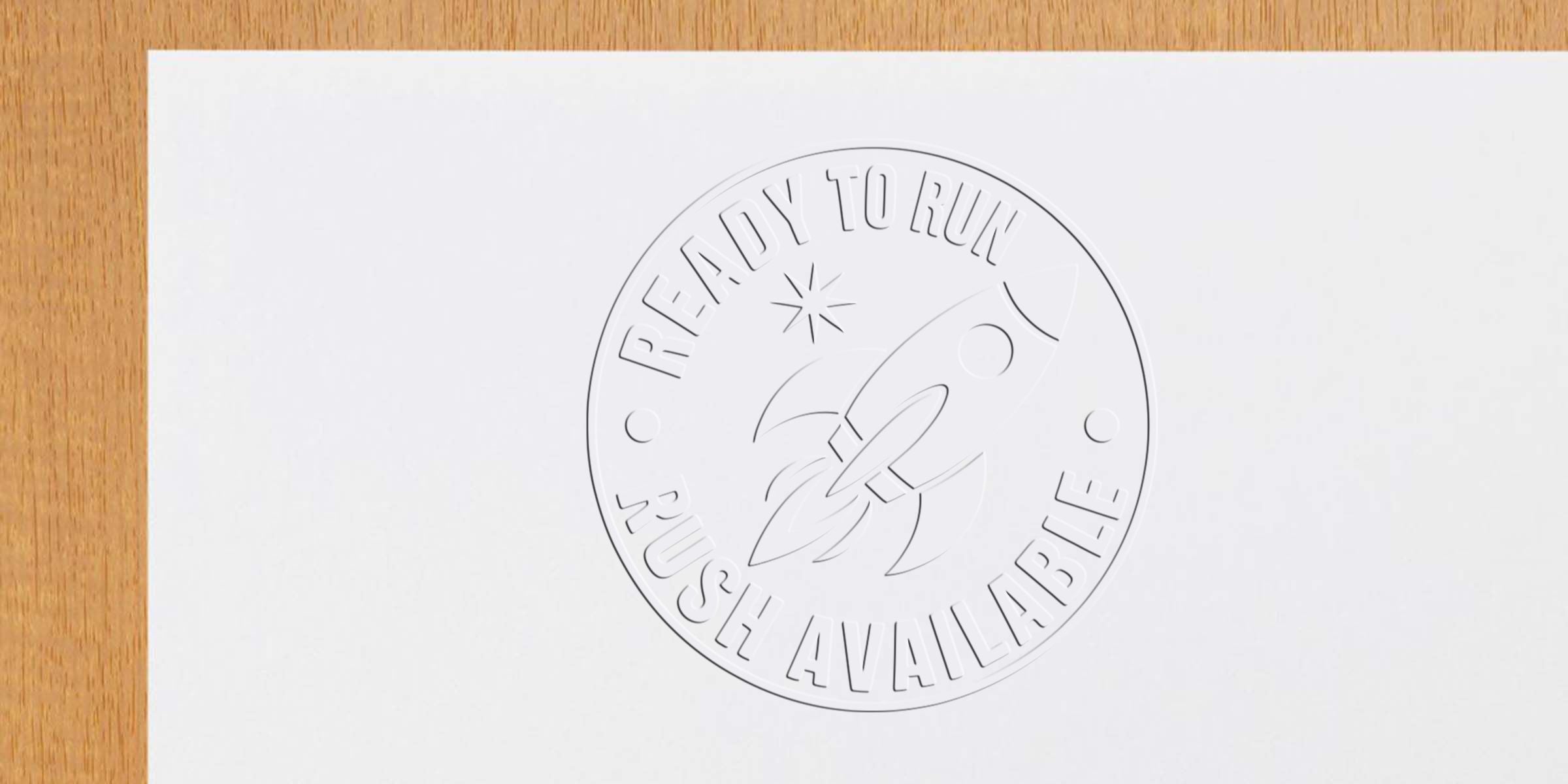
If you’ve been searching for a unique way to add an official flair to your documents, custom notary embossers could be exactly what you need. They create raised impressions that stand out, lending a professional look without sacrificing personal style. Whether you’re notarizing paperwork for clients or personalizing letters for friends, a high-quality embosser helps you highlight your name, title, or logo with ease.
A single press leases an unmistakable seal of credibility on paper, cardstock, and more. You can personalize the design to reflect your role or brand, turning everyday forms into eye-catching materials. By understanding how custom notary embossers work and why they’re valuable, you can elevate your documents, impress your recipients, and maintain clear authenticity along the way.
Understand Custom Notary Embossers
If you’re new to embossers and want to avoid confusion, it’s helpful to see them as specialized tools that shape paper fibers. Rather than simply stamping ink, they actually press into the material, creating a raised image that’s both tactile and visually distinct. This process offers elegance, as well as a straightforward way to confirm that you’ve certified or verified a specific document.
The Art Of Embossing
Embossing isn’t just about official use, it’s also about aesthetics. When you press your design into a document, you’re essentially leaving a crafted impression, almost like a personal signature. The raised surface is subtle, yet noticeable enough to prevent tampering. In a professional context, this level of detail often communicates trustworthiness and care. Plus, you don’t have to limit yourself to formal designs. You can experiment with artwork or even a custom logo that you can easily adapt to your notary requirements.
Why It Differs From Regular Stamps
Regular ink stamps work well for quick identification, but they lack dimension. An embosser creates depth, giving your seal a sophisticated, three-dimensional feel. Plus, if you’re dealing with legal documents or official paperwork, an engraved impression can help reduce the risk of forgery. Ink stamps can be replicated more easily, but an embossed seal is far harder to duplicate convincingly. This difference alone can be a game-changer if you want to preserve the integrity of the forms and certificates you handle.
Choose The Right Design
A well-chosen embosser design sets the stage for clarity, legality, and even brand consistency. If you’re a professional who handles secure documents, you’ll want an official layout that fits your notary seal requirements. On the other hand, if you’re highlighting a personal brand, you can let your creativity shine. Regardless of your approach, do a little planning before finalizing any templates or layouts.
Consider Artwork Or Logo
You might love the idea of featuring your name and notary commission details on the seal, but don’t forget you can also add elements like a crest, border, or small motif that represents your practice. If you have a logo, you can incorporate its design to ensure that whatever you have embossed is unmistakably yours. When done right, these details help transform an ordinary document into a personal statement of authenticity.
You can also explore other options, like custom embossing stamps for non-notary purposes. If you run a small business, for example, you might enjoy adding a raised impression of your company’s emblem on product packaging or stationery. That’s the beauty of personalization, you can tailor each aspect to fit your preferences.
Explore Practical Uses
Custom notary embossers serve a broad range of purposes beyond standard notarization. Anytime you need a raised seal to highlight information, your embosser can come into play. From creating a sense of security on sensitive paperwork to jazzing up your holiday envelopes, it’s a surprisingly versatile tool.
Official Notarization
When dealing with official documents, including property deeds or legal certificates, your notary seal is usually an absolute necessity. Adding a crisp, embossed imprint helps your clients or recipients know they’re looking at a document that has been properly verified. If you’re a traveling notary, it’s especially helpful to have a lightweight embosser on hand to perform quick certifications wherever duty calls. The tactile impression also proves beneficial for institutions that want further verification beyond an ink stamp.
Document Security And Authenticity
Aside from notary use, a raised seal can help reduce the possibility of tampering or duplication. Potential forgers or imitators could recreate an ink stamp fairly easily, but matching a precise embossed design is much tougher. Even if they try to photocopy or scan your documents, the reproduced image won’t have the raised texture. From official letters to awards and certificates, this extra layer of security builds trust among recipients.
Rely On A Trusted Supplier
Quality matters when you’re staking your professional reputation—or personal brand—on a tool like a custom notary embosser. It’s not just about the initial impression you create, but also about the longevity of your device. A well-made embosser should stay durable through countless documents and require minimal upkeep. If you go with a second-rate supplier, you risk misaligned seals, difficult pressing mechanisms, or poor-quality plates that break down.
Acorn Sales’ Legacy
At Acorn Sales, we’ve been perfecting the art of stamp and seal making since 1964. That’s more than 60 years of committing ourselves to helping individuals and businesses get reliable, high-quality embossers. We’ve worked with countless notarizing professionals, creative entrepreneurs, and everyone in between. When you order from us, you can draw on a longstanding tradition of craftsmanship and customer satisfaction.
Quick Turnaround And Stellar Customer Service
In addition to top-tier manufacturing, you can count on our expertise to guide you from first inquiry to final design. If you have questions about how big your logo should be or whether a certain border translates well into a raised impression, we’re here to help. Our turnaround times are efficient, too, so you can start stamping—or should we say embossing—sooner rather than later. By combining speed and attentive service, we’ve established a loyal following that extends throughout all kinds of industries, from legal offices to stationery brands.
Proper Care And Maintenance
Once you have your embosser in hand, you’ll want to keep it at its best. A few simple care tips can help prolong its life, so you can enjoy crisp impressions over and over.
- Store your embosser in a cool, dry place when not in use. Excessive humidity could affect the metal parts or cause rust.
- Clean off any paper dust or small particles from the die plate or lower plate. A simple wipe with a soft cloth should do.
- Avoid applying too much pressure. Most embossers, especially those built by experts, only need a moderate grip to form a sharp impression.
- If you notice difficulty pressing down or misalignment of the die, contact your supplier or a professional for possible adjustments.
Maintaining your custom notary embosser isn’t difficult, but a little attention goes a long way toward preserving the device’s performance. You’ll be glad you did, especially if you rely on it for your daily business.
Feel free to experiment with new ways of using your custom notary embossers, whether infusing official documents with a subtle personal flair or securing administrative forms with a refined raised seal. With solid guidance, a reliable manufacturer, and a sparked imagination, you’ll find endless ways to add a thoughtful touch to every page you stamp—er, emboss. And if you ever need help navigating design decisions or state notary rules, Acorn Sales is just a friendly chat away.
Frequently Asked Questions
What Paper Weight Works Best With A Notary Embosser?
Most embossers handle standard 20–24 lb office paper well, plus heavier certificate paper. However, if you plan to emboss extra-thick cardstock, check your embosser’s specifications or ask your supplier. A high-quality tool should manage a range of options without compromising the clarity of your seal.
Can I Use An Embosser With Colored Paper Or Textured Surfaces?
Absolutely. An impression can look fantastic on colored or slightly textured paper, as long as the surface is not so rough that it disrupts the raised pattern. Just ensure your design stands out by choosing contrasts that highlight the raised details.
How Do I Confirm My Embosser Meets My State’s Notary Requirements?
Many states set guidelines for notary seals, including diameter or specific text requirements. If you’re unsure, you can consult your state’s notary handbook or official website. A trusted supplier like Acorn Sales will also be familiar with various state regulations and can guide you toward a compliant design.
How Quickly Can I Receive My Custom Embosser After Ordering?
Turnaround times vary, but a streamlined process can often have your embosser shipped in just a few days. If you need extra help in finalizing a design, factor that into your timeline. Working closely with a dedicated team ensures you won’t have to compromise speed for quality.
Is Maintenance For An Embosser Complicated Or Expensive?
Not typically. You can extend your embosser’s life through simple steps like storing it properly, giving it the occasional wipe-down, and avoiding unnecessary force. If any part becomes misaligned, a quick adjustment is usually enough to correct minor issues. In general, embossers are long-lasting tools that don’t require constant upkeep.
Can I Emboss Non-Paper Items, Like Foils Or Thin Plastics?
Certain well-made embossers can handle light foils or thin plastic sheets. Still, it depends on the thickness and durability of the material. If in doubt, do a quick test or contact your supplier to confirm. Remember that too much thickness or rigidity might strain your embosser, so proceed carefully.








