
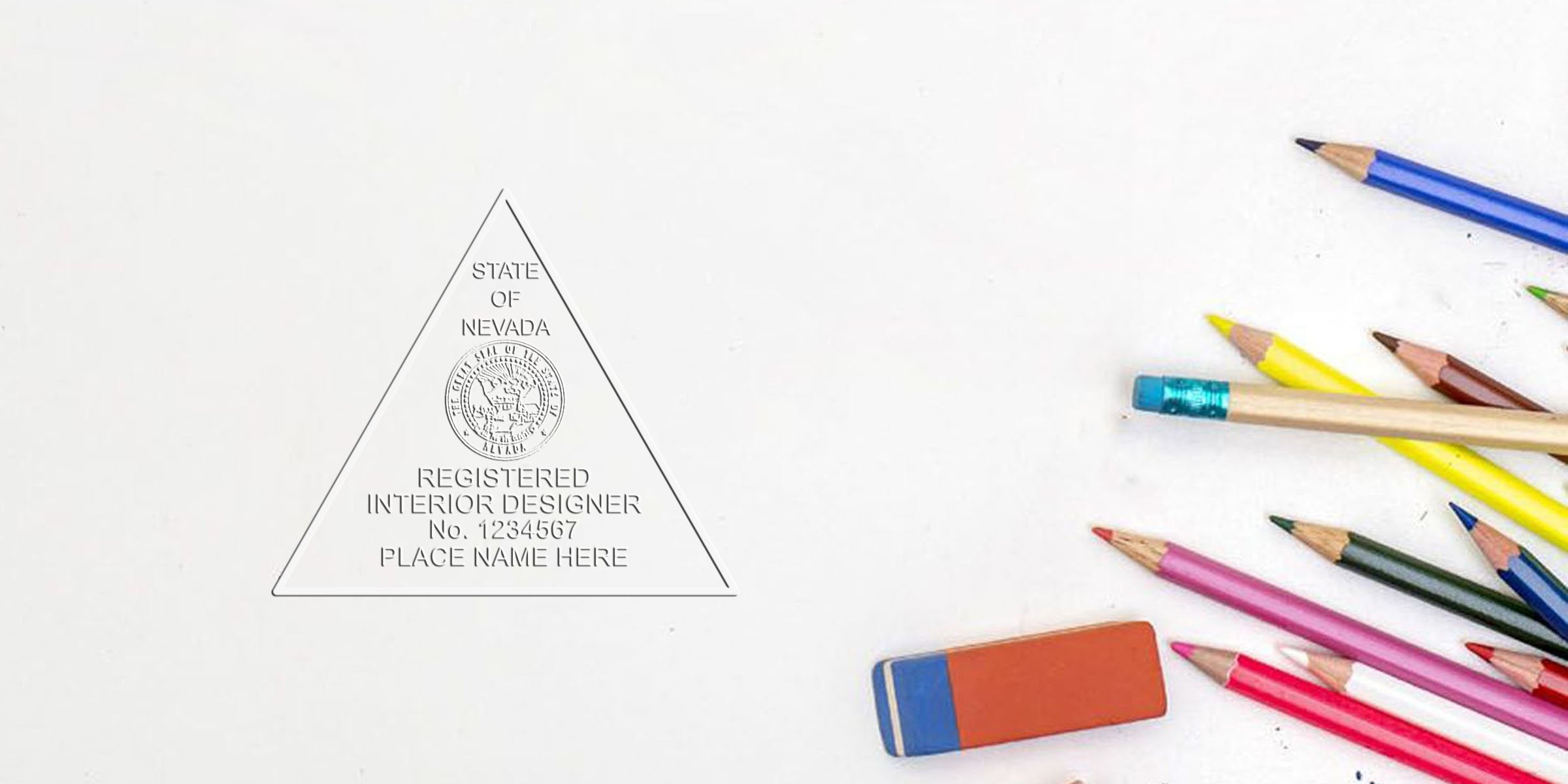
Are you wondering how a strong Nevada interior designer stamp design can help you stand out and comply with important rules? Creating and using a proper stamp or seal might feel like just another administrative step. However, that small mark can be the difference between a smooth project approval and a rejected application. In Nevada, a well-executed and regulation-compliant stamp serves as both a legal necessity and a professional stamp of quality. By designing and using your stamp properly, you’ll reinforce your credibility in front of clients, building officials, and even your peers.
In this post, you’ll learn what makes a Nevada Interior Designer Stamp unique, how to follow essential state requirements, and where to find a reliable partner for creating a design that meets every guideline. Get ready to discover tips that will elevate your everyday workflow and keep your practice on solid, compliant ground.
Discover Nevada Requirements
Nevada, like many states, sets specific standards for interior designers’ stamps and seals. These requirements ensure that professionals meet a recognized level of expertise, which in turn protects public safety. You might already know that Nevada requires licensed interior designers to use a state-approved seal or stamp on official drawings. But do you know exactly why?
Using a stamp isn’t just about checking boxes. It’s about presenting official documentation that proves you’ve met Nevada’s qualification standards. Municipalities, agencies, and clients want reassurance that the interior designer in charge of a project is properly credentialed. For you, it becomes a powerful visual reminder of your authority.
Why a Stamp Matters
At first glance, the stamp might look like a basic placeholder. Scratch beneath the surface, though, and you’ll see it’s a crucial step in managing professional responsibilities. Whenever you submit plans for approval, add your stamp to demonstrate:
- Verifiable Expertise: Clients and officials instantly know you’re properly licensed.
- Regulatory Compliance: It shows you’ve followed the pertinent Nevada regulations.
- Design Accountability: The stamp links project decisions to a named, licensed individual.
By using a Nevada Interior Designer Stamp correctly, you fulfill a central requirement set by state law. Each stamp includes essential details such as your name, license number, and “State of Nevada” or related wording that indicates your authority to practice. If you’re unsure about the exact format, you can consult official documentation from Nevada’s regulatory board to confirm the mandated elements.
Basic Requirements Overview
To give you a quick sense of what a Nevada interior designer stamp typically shows:
- Your Full Name: Must match your official licensing documents.
- License Number: Ensures a direct connection to state records.
- The Words “Registered Interior Designer” or the relevant term: Identifies your licensed status.
- The Phrase “State of Nevada:” Clarifies jurisdiction.
- Appropriate Sizing: Large enough for clarity, small enough to fit neatly on design sheets.
Keeping these points in mind will help you stay on track with state guidelines. Missing any part, or formatting it incorrectly, could lead to project delays.
Differentiate Stamp and Seal
Some professionals say “stamp” while others say “seal,” so it’s important to understand the difference. In Nevada, a stamp usually refers to an inking device that leaves a clear impression on paper. A seal, on the other hand, might be an embosser that makes a raised mark without ink or a simple digital file you apply to PDFs. Both can satisfy requirements, depending on the specific rules set by the state or licensing board.
Traditional Ink Stamp
The main advantage of a traditional ink stamp is its speed and clarity. You quickly mark your drawings, and the impression is easy to reproduce. Plus, an ink stamp is typically less expensive than an embosser, and it’s lightweight enough to carry between meetings. When you’re pressed for time, all you need is the stamp and a sturdy surface.
Embosser or Digital Seal
Embossers give a raised impression and sometimes appear more formal. However, you have to use the correct pressure for a legible raised pattern. If you deal mainly with hard copies, the embossed look can be quite striking. A digital seal, meanwhile, is ideal if you regularly submit electronic documents. Nevada recognizes digital stamps in many cases, but always confirm with the relevant authority to ensure your e-seal meets official guidelines.
By understanding these differences, you can pick the method that feels most comfortable for your workflow. Some designers maintain both an ink stamp and a digital file. No matter which you choose, be sure each version matches state requirements.
Design Your Stamp
“What exactly goes into creating the perfect Nevada interior designer stamp design?” you may ask. The simplest answer: clarity, compliance, and concise wording. If your design becomes too cluttered, it risks becoming illegible and may not be accepted by the building department or your client. On the flip side, if it’s too spare, it might not satisfy legal guidelines.
Essential Elements
Just as you pay attention to scale, color, and layout in your design projects, you’ll want to ensure your official stamp includes:
- Clear Text: Your name, license number, and the words “State of Nevada” or required phrases must be legible.
- Proper Abbreviations: If the licensing board allows abbreviations, make sure they’re consistent and validated by official language.
- Durable Materials: Order a stamp that can handle repeated use without dulling or smudging.
Visual Considerations
Even though some of the text is determined by regulations, you can still ensure the final appearance feels polished. Lean toward fonts that are easy to read, such as a simple sans-serif. If color is allowed, choose one that looks professional, like navy or black. Here are a few quick tips for designing a look that helps you stand out:
- Double-Check Readability: Print a sample at 100% size to see if every letter is crystal clear.
- Keep It Simple: A crowded stamp can be hard to read. Leave white space around the text.
- Consistent Branding: If you have a personal logo or brand identity, consider complementing your official seal style with your other brand assets, as long as it doesn’t conflict with state rules.
When in doubt, you can share a draft with a trusted advisor or colleague. In many cases, it’s also beneficial to submit a sample to the regulatory board if allowed. That way, you can catch any issues before investing heavily in printed stamps or embossed seals.
Follow Mandatory Regulations
Before finalizing your design, take a step back and confirm you’ve met all the core rules set by Nevada’s licensing board. The last thing you want is to order your stamp, only to realize you’ve overlooked a tiny detail that invalidates it. Below are a few quick regulations to keep in mind. Always remember that codes can change, so keep an eye on official updates.
Key Points to Check
- License Status: Ensure your license is active and in good standing.
- Exact Wording: Don’t rearrange or omit any required text.
- Approved Dimensions: Confirm your stamp’s size is within acceptable limits.
- Renewal Schedules: Some states require you to renew your stamp if your license number or status changes.
It can be frustrating to stay on top of these details, but the additional effort pays off. After all, you’d rather refine your design once than scramble later to fix a printed error or chase down re-approvals.
Compliance Tips
- Keep Copies of Regulations: Download the official Nevada guidelines so you can refer to them anytime.
- Talk to Colleagues: Learn from seasoned interior designers who’ve already navigated the stamp puzzle.
- Ask for Clarification: If something is unclear, call or email the state interior design board. They’d prefer you ask questions rather than make an unapproved version of your seal.
By double-checking these steps, you significantly reduce your chances of a misunderstanding or compliance snag.
Work With Acorn Sales
You might be wondering where to get a reliable, professional stamp that aligns with every nuance of Nevada’s requirements. That’s where Acorn Sales comes in. We’ve been in business since 1964, crafting high-quality stamps and seals for architects, engineers, interior designers, and various professionals. Our team understands how crucial it is to meet state guidelines right from the start.
Along with our standard offerings, we also provide you with a free electronic seal, which can be a lifesaver when you’re submitting digital documents. From quick shipping options to expert support, we’re here to simplify the entire ordering process. If you’d like to see how this might look in action, check out Nevada Interior Designer Stamp. You can easily find a design template that matches the latest rules and works seamlessly with your day-to-day needs.
Why Work With Us?
- Decades of Experience: Since 1964, we’ve stayed current with changing regulations and best practices.
- Quality Materials: Each stamp is built to last, so you can rely on consistent, crisp impressions.
- Friendly Service: Our support team is happy to guide you every step of the way, from confirming the right text to placing a bulk order.
- Free E-Seal: You get a digital version at no extra cost, perfect for electronic documents.
Getting the stamp or seal you deserve should never be complicated. By choosing a seasoned provider, you cut down on guesswork and speed up your workflow.
Boost Your Professional Edge
Securing a top-notch stamp is more than a formality, even if regulations can make it feel that way. Once you have everything in place, your projects can move forward more smoothly. Review committees in different municipalities will see the official stamp or seal and know you bring legitimate, state-recognized expertise to the table.
Impress Clients and Colleagues
When you present stamped plans, you’re making a statement: you don’t just talk interior design, you live and breathe it. You’ve obtained the necessary credentials, and that’s not something everyone can say. Clients and potential business partners will feel more confident in your professionalism when they see your official mark. Even if a client doesn’t know the intricacies of state laws, they’ll sense the credibility represented by a formally recognized stamp.
Save Time on Approvals
Even small missteps, like a missing license number or incorrect wording, can lead to significant delays. Why wait all over again for approvals when you can go in with a foolproof stamp the first time around? Many building officials and planning departments have to manage countless requests daily, so they appreciate documents that adhere to the required standards on the first go. You’ll spare yourself—and them—a ton of extra work.
In the design world, time is money. By incorporating a properly designed stamp into your routine, you keep your projects running on schedule and streamline your interactions with city or county approval boards.
Regulatory boards occasionally update requirements, but it’s not usually an overnight shift. If you hear about impending changes, contact a reputable supplier like Acorn Sales or the Nevada licensing board to see how the new rules might affect your existing stamp. Sometimes, an update might be as small as adjusting a phrase or adopting a slightly different format. Whatever the changes might be, it’s best to stay proactive so you remain compliant without missing project deadlines.
Conclude and Take Action
At this point, you’re well-prepared to make a confident choice about your stamp or seal. By focusing on a well-structured Nevada interior designer stamp design, you satisfy the critical legal aspects and enhance your credibility in the eyes of every stakeholder. Whether you lean more toward a simple ink stamp, a refined embosser, or a digital version, the overarching goal is to display your qualifications right on your project drawings.
When you’re ready to take the next step, remember that Acorn Sales is here to help. With our decades of experience and free electronic seal option, we’ll make sure you get a stamp you can rely on for countless submissions. After all, every signature, every blueprint, and every seal you place on your work is a reflection of your dedication to the craft. By choosing a professional and compliant Nevada Interior Designer Stamp, you’re giving your projects the solid footing they deserve. Good luck creating a mark that truly represents your passion and expertise!
Frequently Asked Questions
Do I Need a Stamp if I’m Already Licensed?
Absolutely. Even if you have a valid license, Nevada regulations may require you to use an official stamp or seal on prepared drawings before submission. Licensing alone proves your qualification, but the stamp acts as a visible marker of compliance. Without it, you could run into documentation issues that force you to redo or resubmit your plans.
What’s the Difference Between an Embosser and a Pre-Inked Stamp?
An embosser raises the paper surface to create a tactile, indent-like impression. This method is popular for decorative or formal documents. A pre-inked stamp, by contrast, uses ink to leave a clear, immediate mark. Both can be valid in Nevada, as long as they display your required text correctly. It mostly comes down to your personal preference and how you typically submit design documentation. If you handle a lot of digital files, an electronic seal might be your best bet.
How Should I Place the Stamp on Official Documents?
Place your stamp in an area that is legible but doesn’t obscure critical information on the document. Typically, this goes in a corner or near the title block, where building officials and others can spot it at a glance. Double-check that the impression doesn’t overlap text or important line work—smudges or partial imprints can render the stamp invalid.








