
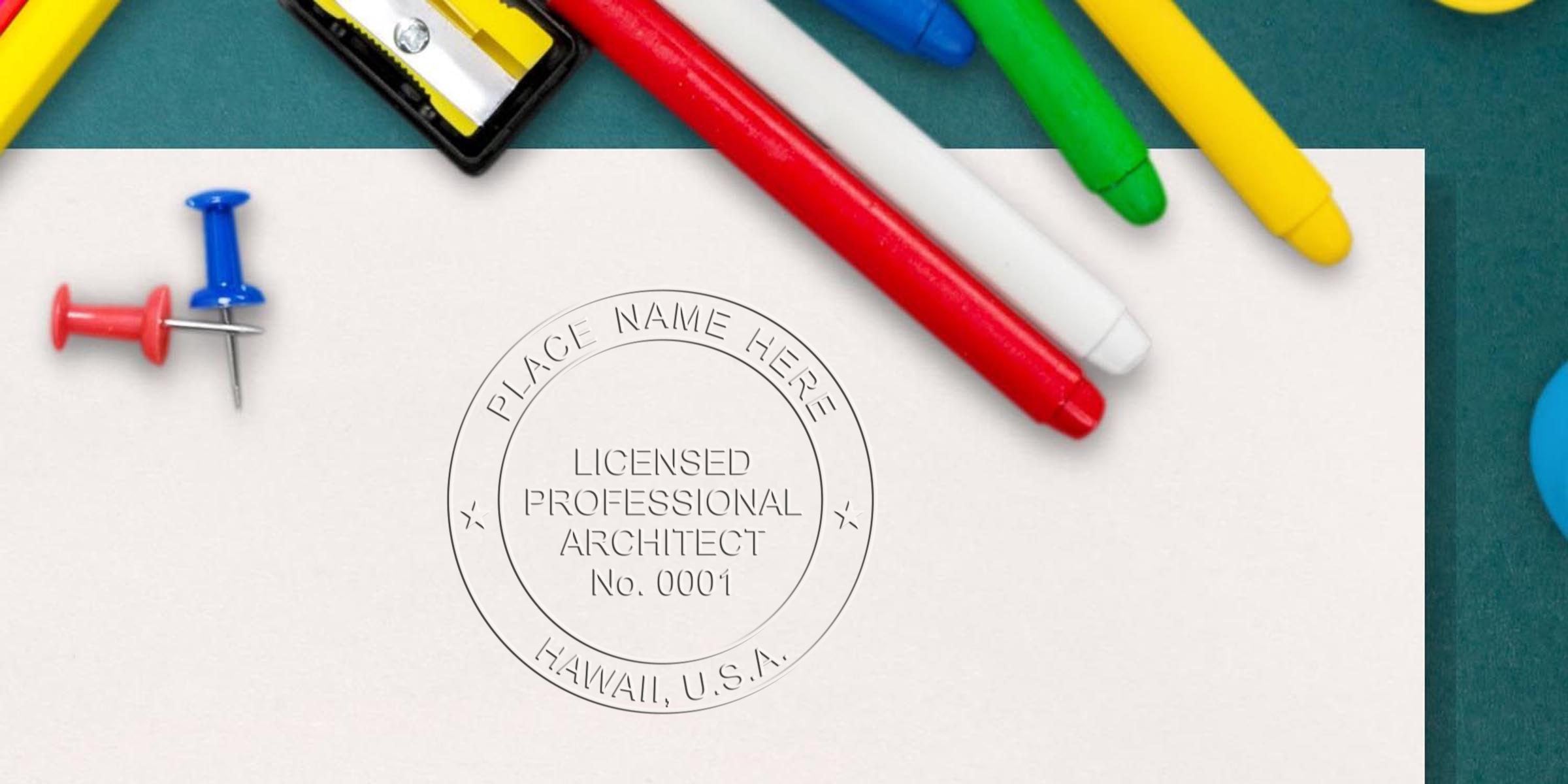
Are you feeling a bit unsure about Hawaii architect seal regulations and how they affect your projects? Whether you’re new to the field or simply want a refresher, this guide will walk you through the essentials so you can stay on the right side of the rules. Let’s clarify exactly what you need to keep in mind, from basic legal requirements to choosing a stamp supplier you can count on.
Understand The Basics
Before we dive deeper, it helps to know why the seal matters in the first place. Think of your seal as an official signature that verifies your work. It communicates your professional standing, the validity of your design documents, and your commitment to standards set by the state.
For you, the seal isn’t just a formality. It’s also a layer of assurance for clients, contractors, and plan reviewers. If you want to learn more about specifications, you can check out the Hawaii Architect Stamp Requirements for additional details on size, shape, and design elements.
Meet State Requirements
Hawaii sets specific guidelines to ensure architects practice responsibly. So, what does that involve?
- Obtaining the right credentials: Make sure you hold a valid Hawaii architect license.
- Staying current: Keep your information up to date with the relevant licensing board.
- Using your seal properly: Emphasize clarity and legibility when affixing your seal.
Yes, these guidelines might feel a bit administrative, but meeting them shows you’re serious about your profession. Plus, following Hawaii architect seal regulations helps protect both you and your clients from any legal hiccups.
Pick The Right Seal Format
Seals come in various formats, including traditional rubber stamps and digital versions. The state typically allows both, but take the time to verify which one your project requires. Here’s what you need to know:
- Rubber Stamps: These are tried-and-true, leaving a crisp impression on paper.
- Embossing Seals: Create a raised imprint that feels official and secure.
- Digital Seals: Increasingly common, especially for online submissions and remote projects.
Pro tip: Whether you’re e-signing or stamping, always ensure your seal is state-compliant and easy for others to read.
Choose A Trusted Supplier
Selecting a reliable supplier is key if you want a high-quality seal that stands up to frequent use. This is especially important if you’re juggling multiple projects and scrutiny from various agencies.
- Look for experience: Acorn Sales has been crafting state-compliant seals and stamps for more than 60 years.
- Check turnaround times: Quick turnaround means you won’t be caught waiting on critical project deadlines.
- Verify compliance: A good supplier stays up to date on evolving Hawaii seal regulations, ensuring your stamp meets every requirement.
You’re putting your professional credentials on the line, so make sure your tools reflect that same level of professionalism.
Keep It Compliant
The regulations don’t stop once you purchase the seal. You also need to know when and where to use it. Some situations call for you to seal every page, while others only require a seal on the cover sheet. Always review your project scope, check local ordinances, and confirm the guidelines with your licensing board if you’re unsure.
- Seal documents consistently: Decide whether each page needs stamping or if a single page per set is enough.
- Store your seal properly: Especially if you’re using an embossing seal. Keep it clean, dry, and free from anything that could damage the impression.
- Review updates regularly: Hawaii may update its requirements from time to time, so stay in the loop.
Feel free to apply these best practices as you plan your next project. When you fully understand Hawaii architect seal regulations, you’re not just following the rules, you’re also building trust and credibility with every design you sign. If you have more questions about specific requirements or need a new seal fast, you know exactly where to turn. Happy designing, and may your next project flow smoothly!
Frequently Asked Questions
How Often Do I Need To Renew My Hawaii Seal?
Your seal generally doesn’t expire, but your Hawaii architect license does. Make sure to renew your license as required, because an expired license invalidates your seal’s legitimacy.
Can I Have Multiple Seals For Different Projects?
Yes, you can. However, each seal must be linked to your valid architect license and follow the same design guidelines.
Do I Need To Use A Digital Seal On Online Submissions?
Many local agencies accept digital seals. Always confirm that your digital seal is secure and state-compliant before submitting documents electronically.
Where Can I Get A State-Compliant Seal?
Acorn Sales provides high-quality Hawaii architect seals and stamps with quick turnaround times, so you can meet your deadlines without worry.








