
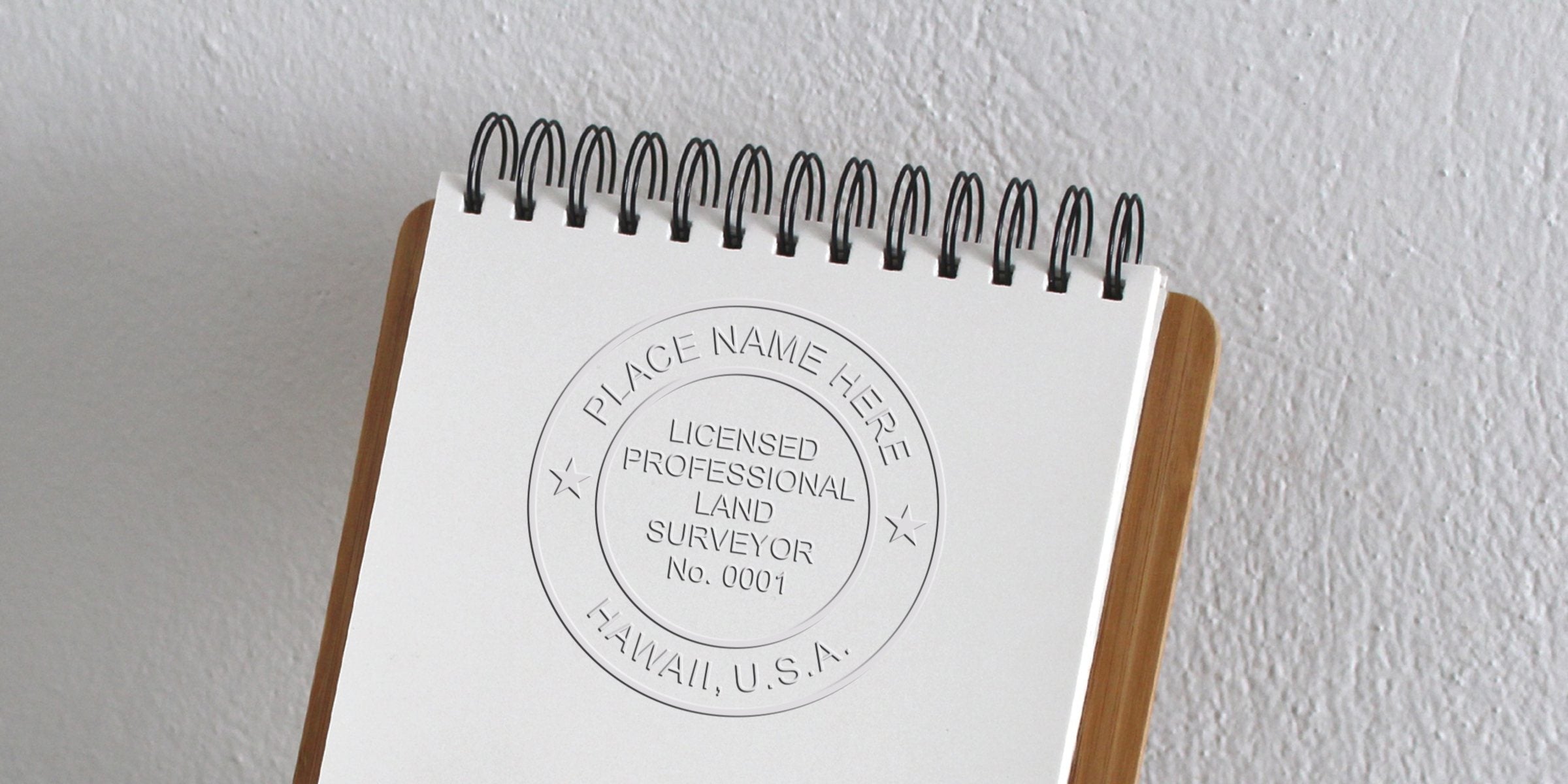
If you’re navigating the world of land surveying in the Aloha State, you’ve probably encountered a few questions about Hawaii land surveyor stamp guidelines. Since the right stamp or seal is more than just ink on paper, it’s essential to understand exactly what’s required and why it matters. Whether you’re brand-new, or you’ve been working in the field for decades, this guide will help you comply with state regulations, protect your professional reputation, and maintain accurate records for your clients.
By the end of this post, you should have a clear sense of how to select and use your land surveyor stamp, the role and responsibilities tied to it, and a few practical tips to ensure you’re always aligned with best practices. So, if you’re ready, let’s dig into everything that will keep you on track.
Understand State Requirements
Nailing down the correct specifications is crucial before you invest in any seal or stamp. Hawaii, like every other state, has specific rules that govern a surveyor’s responsibilities. The requirements ensure uniform standards and protect the integrity of your work.
The Role Of The Board
In Hawaii, the Board of Professional Engineers, Architects, Surveyors, and Landscape Architects oversees the licensing, renewal, and disciplinary actions for surveyors. This board is responsible for setting the criteria that determine the authenticity and legal standing of your stamp. If you’re not following their guidelines, you risk facing penalties, project delays, or even challenges to your professional license.
Here’s what the board typically emphasizes:
- Proper size and legibility of your seal or stamp
- Clear identification of your license number
- Confirmation that each imprint is unique to the surveyor, preventing misuse
It’s a smart idea to regularly check the board’s website for updates or additional clarifications. Requirements can evolve over time, so a quick annual review helps you stay on the safe side.
Key Documentation You Need
Whenever you sign and seal a document, you’re attesting to the accuracy of the information. That’s why every stamped sheet must include vital details such as:
- The date of the survey’s completion
- Your license number and name
- Your official seal imprint, matching state guidelines
If you want a deeper dive into what might be required on particular project types, you can learn more at hawaii land surveyor stamp requirements. This resource clarifies how to format your stamp on legal documents and which records you want to keep on file after each project.
Choose The Right Stamp
Selecting your seal is more than a quick pick from an office supply store. It’s a decision that affects your day-to-day workflow and how your professional documents hold up in court or under peer review. You’ll encounter both physical and digital options, so understanding the pros and cons of each will help you make the best decision.
Physical Stamps Vs. Digital Seals
Traditional physical stamps are popular for their tactile and visual authenticity. You can use a rubber stamp or an embosser. Rubber stamps often have the advantage of cost-effectiveness and simplicity, while embossers create a raised impression for a more official feel.
Digital seals, on the other hand, are convenient if you work remotely or manage large volumes of electronic documents. They can reduce printing costs and speed up the review process. Some surveyors prefer digital for the quick turnaround, but it’s worth confirming that your local authorities accept electronic documents.
In Hawaii, many surveyors find it beneficial to have both. That way, you’re covered for paper-based tasks yet remain flexible for modern workflows.
Durability And Compliance Factors
If you’re leaning toward a physical stamp, durability is a major factor. You’ll likely use the seal repeatedly, sometimes across multiple job sites in a single day. Look for options that can withstand regular use and deliver a crisp impression every time.
For digital seals, ensure any electronic signature platform you choose meets legal standards. A robust platform will incorporate encryption and authentication measures, making sure each digital seal can’t be manipulated or altered without your knowledge.
Follow Proper Usage
Having the correct stamp or seal is important, but equally critical is how you apply it. Even a perfectly sized seal might be invalid if used improperly. From placement to final sign-off, each step should align with Hawaii’s guidelines.
Placement On Official Documents
State regulations spell out where your stamp needs to go on a drawing or survey plan. In many cases, it belongs in the lower-right corner, though exact placements can vary. The logic is straightforward: the stamp should be immediately visible and logically connected to any related sign-offs, signatures, or disclaimers.
Here are a few tips to keep in mind:
- Keep the seal design unaltered and unobstructed by any text or images.
- Make sure the impression is clear, especially if you use an embosser.
- Double-check spacing so important details aren’t covered by the seal.
Common Mistakes To Avoid
It’s easy to slip up if you’re stamping in a rush, but simple mistakes can lead to rework or even legal complications. Here are some pitfalls:
- Overlapping your seal with other design elements, making it partially illegible
- Forgetting to sign or date next to the stamp
- Using a faded ink color that’s not easy to photocopy
- Applying the wrong date, especially if your project spans multiple calendar years
Avoid these by setting aside a consistent block of time to review, stamp, and finalize documents. A steady, repeatable process helps you maintain accuracy.
Maintain Professional Standards
Once you’ve mastered the basics of Hawaii land surveyor stamp guidelines, you’ll want to keep your professional standards high. Staying consistent requires ongoing attention to state regulations and best practices that go beyond the initial licensing phase.
Renewals And Expiration
Your license probably comes up for renewal every few years. During this process, it’s wise to verify that your seal still conforms to the latest rules. If Hawaii modifies the required stamp text or style, you’ll need to update your stamp right away. Ignoring any rule changes can result in invalid documents or, in extreme cases, a suspension of your license.
It’s also a good idea to track your continuing education credits and other ongoing professional development. That way, you’ll stay informed about evolving technology, new regulations, and industry best practices, maintaining a clean professional record and a solid seal of trust.
Collaborating With Acorn Sales
If you’re shopping for a Hawaii land surveyor seal or need a reliable place to update your existing one, consider Acorn Sales. We’ve been in business since 1964, which means decades of experience go into every stamp and seal we produce. We also include a free digital seal with your order, helping you bridge the gap between traditional and electronic workflows.
Working with a trusted supplier ensures you won’t have to worry about compliance or durability issues. When you partner with a company that understands Hawaii’s specific guidelines, you can focus on delivering quality work. The ordering process is straightforward, and you’ll have peace of mind knowing your stamp meets all the required specifications.
Wrapping Up
Staying on top of these Hawaii land surveyor stamp guidelines will boost your credibility, safeguard your work, and ensure each project meets the highest professional standards. By choosing the right stamp, paying attention to placement, and following board regulations, you’ll have the peace of mind that comes with doing things the right way.
Remember, if you’re looking for a durable, compliant stamp or seal, Acorn Sales can help. We’ve been working with surveying professionals since 1964, and each order comes with a free digital seal to keep you ready for any documentation format. Keep refining your processes, stay vigilant about regulatory updates, and you’ll be well-positioned for success in Hawaii’s land surveying landscape. Good luck stamping!
Frequently Asked Questions
Do I Need Both A Physical Stamp And A Digital Seal?
It depends on your workflow. Physical stamps are useful for paper-based projects, while digital seals streamline electronic submissions. Many professionals find that having both is the best way to accommodate various client preferences.
How Often Should I Update My Stamp?
You should update whenever the state revises requirements or when your stamp starts showing wear that makes it difficult to read. It’s also a good practice to review the board’s regulations each time you renew your license, to ensure you stay aligned.
Is My Seal Valid For Other States?
Typically no. Each state has unique guidelines for land surveyors. If you plan to practice outside Hawaii, you’ll need to obtain the proper credentials and seals for that state. Check those local rules before beginning any project.
What Happens If My Stamp Impression Isn’t Clear?
An unclear stamp impression can be deemed invalid, leading authorities to question the authenticity of your work. Always review documents after stamping. If you see smudges or partial impressions, re-stamp a fresh copy or clarify with a note explaining the situation.








