
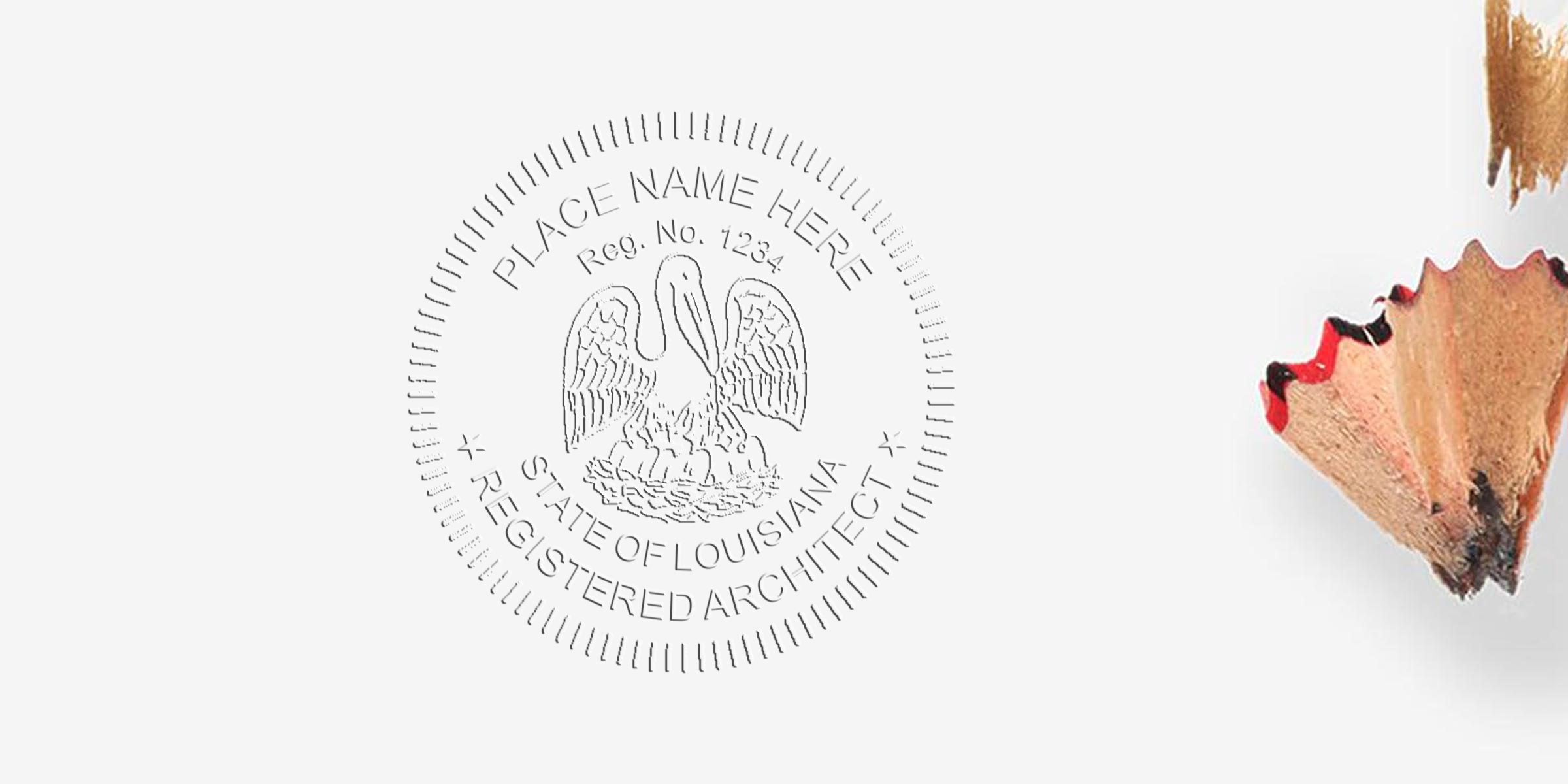
If you’re about to start practicing architecture in Louisiana, you might have questions about the louisiana architect stamp requirements. You’re not alone. Navigating the guidelines can feel a bit confusing at first, but understanding the process will help you get your seal of approval faster. Here’s how you can meet essential rules, stay compliant, and ensure your projects go off without a hitch.
Explore Louisiana Architect Stamp Basics
Every practicing architect in Louisiana requires an official stamp, sometimes called a seal. This mark authenticates your drawings and paperwork, letting everyone know you stand behind the design’s safety and accuracy. That said, details like format, size, and ink color matter. If you ever need extra clarity on what your seal should look like, take a look at the louisiana architect stamp design page.
Why It’s Important
- Guarantees legal validity for your architectural documents
- Reflects your commitment to professional standards
- Helps clients and inspectors quickly identify official paperwork
Follow Regulatory Guidelines
Louisiana has specific rules for what your stamp or seal must include. You’ll typically see your name, your license number, and the phrase “Registered Architect.” If you’d like to dive deeper, check out the louisiana architect stamp laws to confirm you’re meeting code requirements.
Quick Tips
- Always keep the correct wording on your stamp
- Confirm your license number is valid and up to date
- Know when and where you must place the stamp (often on final drawings)
If you’re comparing the legality of different stamp formats, the louisiana architect stamp legality guide can add extra assurance.
Pick The Correct Dimensions
Ever wonder if the size of your seal matters? It does. Your stamp needs to be easily readable while still fitting neatly on your documents. You’ll find recommended measurements in the louisiana architect seal size specifications. These specs make sure your seal won’t look cramped or illegally large.
What About Embossers?
If you prefer an embosser to an ink stamp, consider a louisiana architect seal embosser. It creates a raised impression that looks professional and meets state guidelines.
Choose A Trusted Supplier
The right supplier makes all the difference. Acorn Sales has been making dependable stamps and seals for over 60 years. We pride ourselves on quick turnaround times and state-compliant designs. So if you’re in the market for a new stamp or seal, you can always explore our offerings and even check the louisiana architect stamp cost to plan your budget.
Things To Look For
- Guaranteed compliance with state regulations
- Durable materials to stand up to repeated use
- Fast shipping, so you’re not stuck waiting around
Have you figured out all the steps to register your seal officially? The louisiana architect stamp application process spells everything out for you, from filling out forms to final approval.
By following these louisiana architect stamp requirements, you’ll ensure your seal meets all regulatory standards and clearly signifies your professional credibility. After all, it’s not just a formality, it represents your commitment to quality and safety. If you have more questions, reach out to Acorn Sales for guidance or browse our range of fully compliant stamps and seals. Good luck on your projects!
Frequently Asked Questions
When should I update or renew my seal?
Typically, you’ll need to renew your seal each time your professional license is renewed. Check out the louisiana architect seal renewal for specific timeframes and requirements.
Do I need a separate stamp for digital submissions?
Many architects use a digital stamp for electronic documents. Acorn Sales offers digital solutions too, so you can stay compliant no matter the submission format.
Can I alter the design of my seal?
Customization is fine as long as it meets state guidelines. This usually means keeping the required text, license number, and official wording intact.
Is an embossed seal equally valid as an ink stamp?
Yes, embossed seals are recognized as valid. Just ensure the raised impression is clear and follows the same guidelines as an ink-based stamp.








