
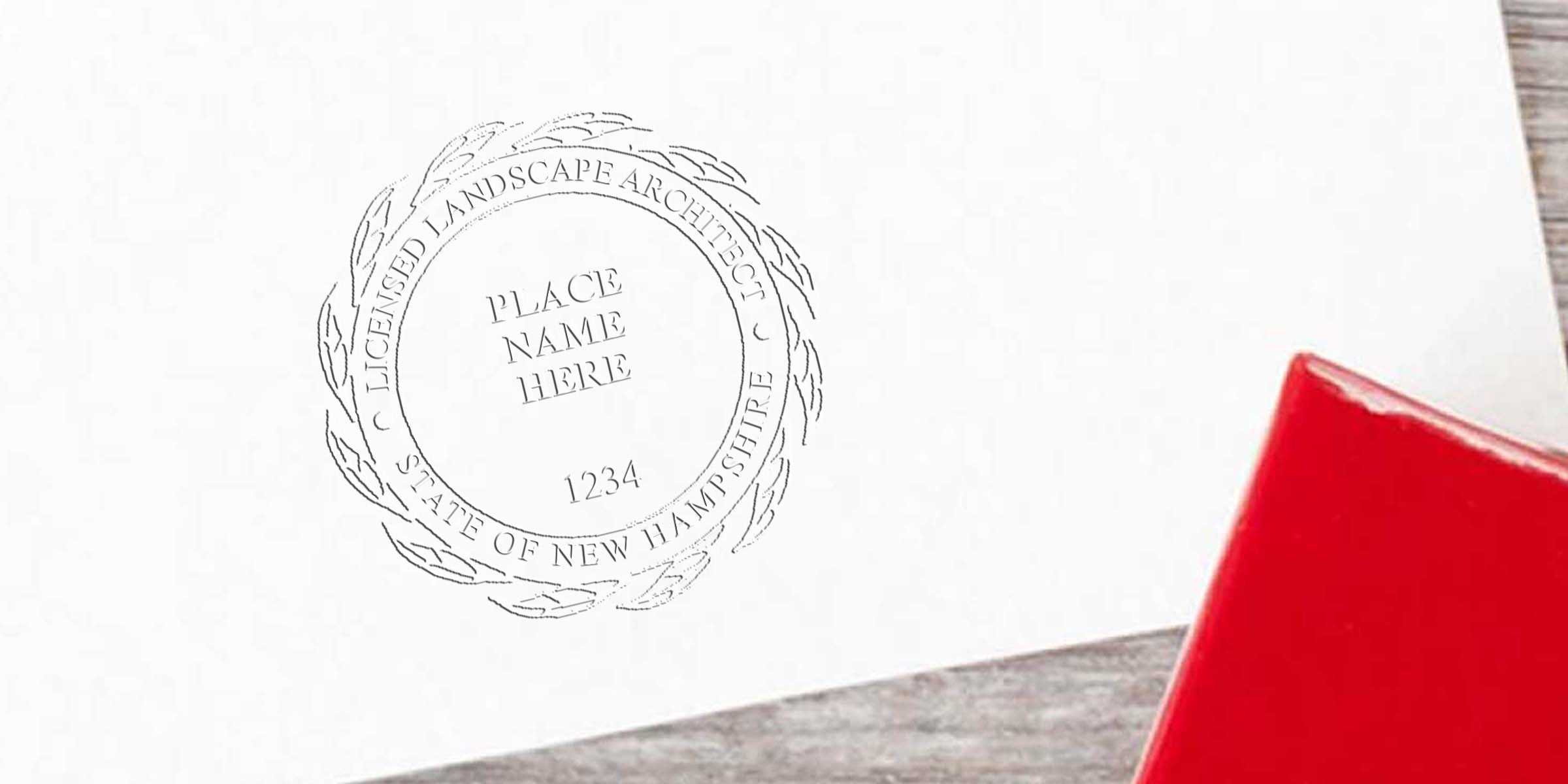
If you’re eager to practice landscape architecture in New Hampshire, you’ve likely come across various requirements for your official seal or stamp. Here’s the thing: meeting the right specifications for your seal is not just a formality, it shows your dedication to professional standards. To help you feel prepared, let’s walk through these essential New Hampshire landscape architect seal specifications. By the time you’re done reading, you’ll know everything you need regarding design aspects, sizing rules, usage guidelines, and even where to buy a high-quality seal so you can focus on creating beautiful, functional landscapes.
Your key takeaway: a seal that’s properly designed, accurately sized, and completely in line with state guidelines will save you hassle in the long run. So, let’s jump right in.
Grasp the Basics
One of the first things you should know is that every registered landscape architect in New Hampshire must use a seal on official documents. This seal verifies your credential, ensures your designs and plans can be traced back to you, and provides a level of protection for both you and your clients. It indicates that your work complies with state regulations and that you’re ready to stand by your professional output.
Why Seals Matter
Think of your seal as a handshake. It’s that personal touch that says you’re the real deal in this field. While it might seem like a simple imprint, that design says so much more than “Approved.” It helps uphold industry integrity, assures clients they’re working with a credible professional, and aligns you with the standards set by the New Hampshire licensing board.
Check Required Design Elements
When it comes to creating your New Hampshire landscape architect seal, there are specific design elements set by the state. Typically, the seal must include:
- “State of New Hampshire” clearly stated.
- Your name as it appears on your license.
- Your official license number for identification.
- The words “Licensed Landscape Architect” or “Landscape Architect.”
You’ll commonly see a circular design, but check the current New Hampshire rules for any recent changes that might affect how your seal should look. These guidelines can sometimes update, and you never want to risk stamping your precious drawings with an out-of-date design.
Adhere to Dimensions
The physical size of your seal matters more than you might think. New Hampshire generally requires the seal to be a certain diameter (often around 1¾ to 2 inches). This ensures the details are readable on official plans or documentation. A tiny seal could be misread, while an oversized seal might come across as unprofessional. Here’s a simple table to help you remember these dimension basics:
| Element | Typical Requirement |
|---|---|
| Diameter | ~1¾ – 2 inches |
| Outer Circle Text | Must be legible |
| Inner Circle Text | Should clearly show numbers |
| Visibility | Crisp lines, no smudges |
If you’re unsure about your seal’s dimensions, checking directly with the New Hampshire Board of Licensure for Landscape Architects is always a wise move. You can usually find updates on their website or official guidelines.
Understand Usage Rules
Owning the right seal or stamp isn’t enough. You also need to know when and how to use it. In many cases, you must affix your seal to:
- Final drawings, including site layout and planting plans.
- Technical documents that require your official sign-off.
- Any documents where you need to certify your professional responsibility.
Remember, stamping a half-finished design is generally frowned upon, and you typically need to sign and date next to that seal to ensure authenticity. Once placed, the seal states that you take legal responsibility for the document. That’s why it’s crucial to use it correctly and only for legitimate, final work under your professional scope.
Appreciate Quality Materials
If you’re thinking of picking up the cheapest seal you can find, you might want to reconsider. Quality impacts how well the seal impression reads, especially after repeated use. Inexpensive materials can wear out quickly, resulting in blurred or inconsistent impressions that undermine your credibility.
Look for:
- Durable metal frames that don’t bend easily.
- Crisp, high-definition die plates for clarity.
- Comfortable handles, especially if you’ll be stamping multiple pages.
- Verified compliance with state regulations.
Quality might feel like an investment, but it pays off. Each time you use that seal, you’re reinforcing your professional reputation. A crisp, consistent impression suggests you take your role seriously. And if you’re shopping online, verify that the supplier knows the New Hampshire regulations so your seal arrives in compliance right from the start.
Find a Trusted Supplier
If you want peace of mind, go with suppliers who specialize in seals for landscape architects. At Acorn Sales, we’ve been trusted makers of professional stamps and seals for over 60 years. We understand the unique considerations that go into creating an accurate, durable New Hampshire landscape architect seal. You also get a free digital seal with every order, making it easy to incorporate your official seal on electronic documents.
Along with that, reliable providers often offer:
- A guarantee that your stamp meets state rules.
- Efficient turnaround times.
- Customization options if you need a specific layout or design tweak.
If you’d like to learn more about meeting state requirements, you can check out our helpful guide on new hampshire landscape architect stamp requirements. It covers common questions about licensing, design specs, and usage tips.
Avoid Common Pitfalls
Seals might look straightforward, but small errors can lead to big problems down the road. You could face administrative delays or even fines if your seal doesn’t match up with state requirements. Here are a few common pitfalls to keep in mind:
- Outdated Design: Always confirm if New Hampshire has updated its design elements or text requirements.
- Illegible Impressions: If the seal is too faint or blurred, it might not pass scrutiny. This typically happens when the materials are of lower quality or the seal has worn out over time.
- Misuse of Electronic Seals: Digital seals should be password-protected or embedded securely so only the right person can apply them.
- Wrong Sized Text: If your font is too small, enforcement officials might consider the seal invalid.
Of course, it’s easy to overlook these issues when you’re juggling client meetings, site visits, and design revisions. But giving careful thought to your seal from the start helps you avoid multiple headaches down the line.
Align with Regulations
New Hampshire’s Board of Licensure for Landscape Architects sets the regulations you need to follow for your stamp or seal use. They outline whether you can use a seal before your license is finalized, how to handle seal usage if you move firms, and best practices for electronic documents. The key, as you’ve probably realized, is knowing these guidelines like the back of your hand. Staying up to date will prevent compliance hiccups, and it also inspires trust in clients who want to see you’re on top of the latest rules.
If you’re ever uncertain, don’t be shy about contacting the state board. It’s better to ask a question now than correct a time-consuming mistake later.
Summary and Next Steps
Getting your seal right is a small but vital piece of thriving in landscape architecture. You’re not just stamping paperwork, you’re reinforcing your dedication to lawful, professional practice in the Granite State. By focusing on solid design elements, correct sizing, and quality manufacturing, you’ll set yourself up for smooth sailing.
Ready to place your order? Make sure you choose a supplier like Acorn Sales, who has been a trusted name in professional stamps for over six decades. That way, you know your seal is in line with state requirements, and you’ll even receive a free digital seal. Also, if you’d like to explore in more detail the broader rules around stamping your projects, you can dive into our new hampshire landscape architect stamp requirements resource.
If you’re meticulous about your designs, you should be equally meticulous about your official seal. It’s an extension of your professional brand and your commitment to your craft. So, give your documents the finishing touch they deserve.
Feel free to reach out if you’re unsure about any step in this process. Once you have that well-crafted, legally compliant seal in hand (and on screen), you’ll be all set to stamp your creative vision across projects in the great state of New Hampshire. Happy sealing!
Frequently Asked Questions
Do I Need to Register My Seal with the State Board?
In many states, including New Hampshire, you don’t usually have to “register” your seal itself, but your license is on record. Your seal is strictly tied to that license. Always confirm if you need to notify the board when you update or replace your seal design.
Can I Use an Electronic Seal for Official Documents?
Yes, electronic seals are often allowed, especially if your drawings and consultations are done digitally. However, make sure the board permits electronic usage and that your file is secure from unauthorized use. With Acorn Sales, you receive a free digital seal that’s easy to integrate into PDFs or other electronic formats.
How Often Should I Replace My Stamp or Seal?
This depends on wear and tear. If you notice faint impressions or if your seal is physically cracked, it’s time for a new one. Some architects replace stamps periodically just to maintain top-notch quality. With a trusted maker, you can enjoy a longer lifespan before needing a replacement.
Where Can I Get Professional Guidance for My Seal Design?
The most reliable source is the New Hampshire licensing board’s guidelines. You can also consult professional organizations or check with your stamp provider. At Acorn Sales, we’re always ready to clarify questions, whether you’re concerned about size requirements or want to confirm design elements.








