
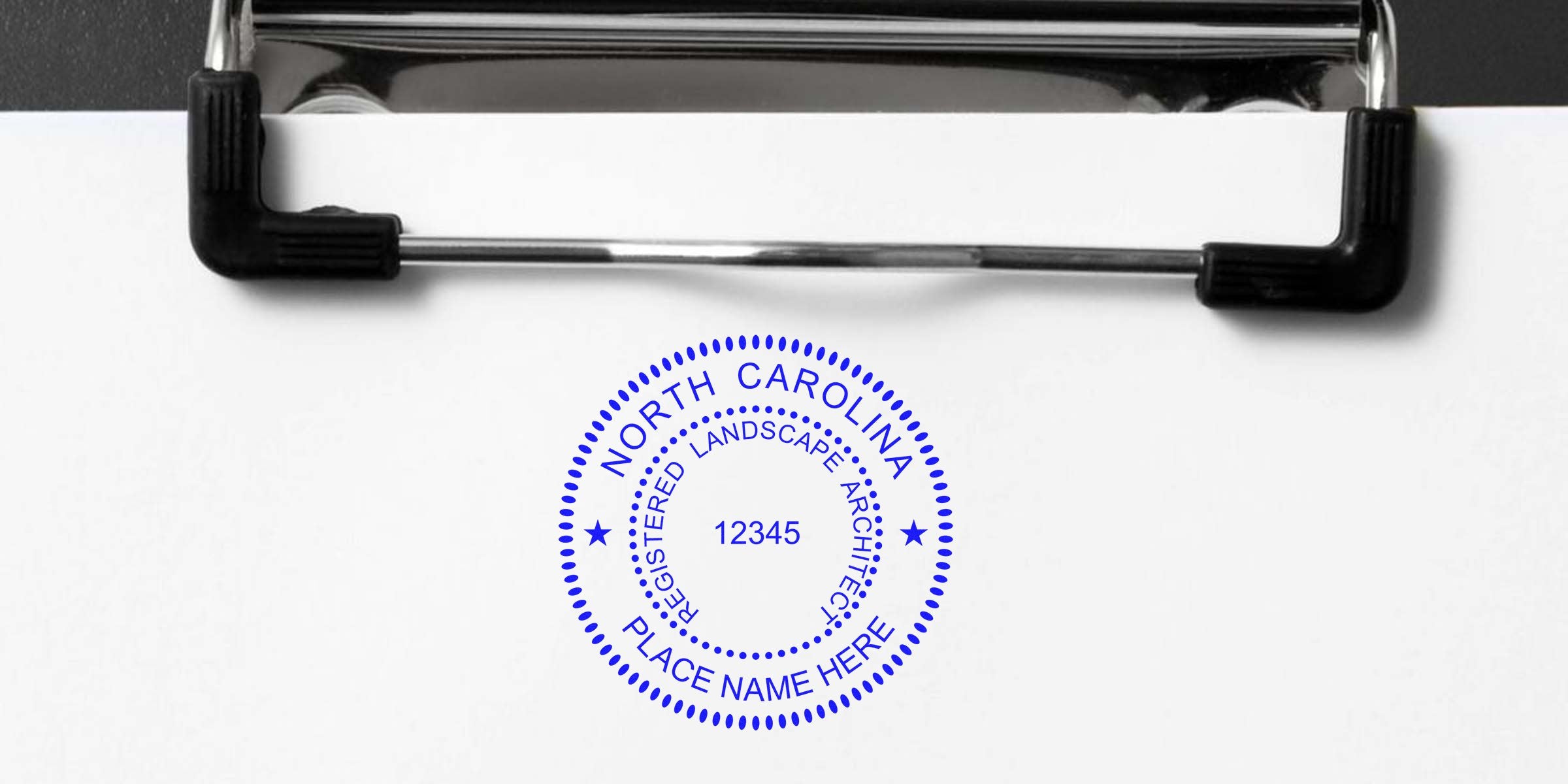
If you’re a practicing landscape architect in North Carolina, you’ve probably noticed there’s a detailed set of requirements for your professional seal. These North Carolina landscape architect seal guidelines ensure your official plans, drawings, and reports meet the regulatory standards set by the state. In other words, your seal isn’t just a rubber stamp; it’s a visible marker of your professional credibility. Let’s walk through what you need to know to stay fully compliant, maintain your reputation, and simplify your daily workflow.
Learn The Basics
What exactly is this seal, and why does it matter so much for your North Carolina landscape architecture career? The seal is often a round or oval impression that includes your name, license number, and sometimes the state. It’s essentially your guarantee that any work bearing it is up to par, both in design and compliance with state rules.
Why The Seal Matters
Using a seal is about more than simply stamping your name on a document. In North Carolina, each time you sign off on a plan or drawing with your stamp or digital seal, you’re taking professional responsibility for that work. Clients see the seal as a sign they can trust your judgment and skill. Likewise, state boards view it as evidence that you’re adhering to established technical and ethical guidelines.
- Establishes credibility, assuring clients you’re a licensed pro.
- Signifies you’re responsible for the safety, accuracy, and overall quality of the project.
- Helps maintain consistent standards across projects and firms.
Design Elements To Know
The state board in North Carolina typically requires that the seal be legible and faithful to predefined measurements. While the exact specs can vary, you’ll often see:
- A circle or other clear boundary enclosing your name and license info.
- The words “Registered Landscape Architect” and “State of North Carolina” (or a close variant).
- A clear roman or sans-serif font for easy readability.
These elements ensure your seal meets basic standards and communicates the same official message across different documents. If you want a closer look at the design specs, you can also check out the north carolina landscape architect stamp requirements for additional details like size parameters and acceptable layouts.
Follow The State Rules
Rules around seal usage aren’t just suggestions. They are legal requirements that can result in disciplinary action if not followed. So let’s talk specifics to keep you in the clear.
Seals Must Meet Size Regulations
The dimensions of your seal matter, because the state wants them large enough to be easily read when reproduced on plans or other documents. Most guidelines call for a diameter ranging from one to two inches. If you find your seal is too small or unclear, it might be time to upgrade.
- Make sure the lettering is clear and visible.
- Reduce or enlarge the stamp proportionally, keeping the layout intact.
- Test print to confirm your seal’s readability on different paper sizes.
Use The Seal Correctly
North Carolina requires your seal on each sheet that includes the final drawings, calculations, or details you’ve prepared. It’s not enough to simply slap a seal on the cover page and call it a day. You also need to date the seal when you finalize a project or make any revisions worth noting. In practical terms, each sheet that exhibits your design expertise should carry:
- Your seal, physical or digital.
- Your signature (ideally near the seal).
- The date of issuance or revision, ensuring a clear timeline.
Respect Digital Seal Requirements
Digital seals, also called electronic seals, have become more common now that so much work takes place online. While they’re a huge convenience, you still have to ensure your electronic seal matches state requirements for design, size, and labeling. Always store your digital seal in a secure location and attach it to documents in a way that can’t be easily altered. Even though it’s in a digital format, the responsibility it signifies is every bit as real as a physical impression.
Maintain Proper Documentation
Your seal alone isn’t the whole story—documentation plays a key role in keeping you compliant and safeguarding your reputation. When the state board reviews your work, they look at whether you’ve followed standard procedures for recordkeeping, from initial design sketches to final, sealed documents.
Record-Keeping Best Practices
Think of documenting a project like telling its story from start to finish. You want to capture every key decision, revision, and detail so that anyone checking your work can trace the project’s progression. Aim to keep:
- A digital or printed file of all stamped documents, in chronological order.
- Revision logs that indicate what changed, when, and why.
- Backup copies in a secure, offsite location, whether that’s a cloud server or an external hard drive.
Organizing your documents this way can save you hours—if not days—any time a client or state official asks for verification of your plans.
Project-Specific Requirements
Some North Carolina towns or counties have additional rules for landscaping projects. You might need to include specific elements in your design, use certain types of plants, or address stormwater management in a particular way. Each of these local requirements adds another layer of documentation you’ll attach your seal to.
- Always check local zoning or municipal guidelines.
- Tie each local requirement to a sheet or plan in your final submission.
- Ensure you fully seal and sign every aspect of the design that falls under your professional purview.
Taking these extra steps shows that you’re thorough about following not just state regulations, but also local rules—an important distinction that separates a solid professional from an average one.
Pick A Trusted Supplier
One of the most common headaches for landscape architects is dealing with subpar seals or stamps that leave a fuzzy, uneven impression. Not only does this look unprofessional, but it could cause you compliance trouble if the vital information is hard to read. To avoid these pitfalls, choosing the right supplier for your stamp or seal is essential.
What To Look For
When you’re shopping for a seal supplier, consider the following factors:
- Precision in craftsmanship: You want crisp impression lines every single time.
- Quick turnaround: Deadlines are tight enough, so you need a supplier who won’t make you wait weeks.
- Digital seal inclusion: More and more boards permit electronic seals. Having a digital version ready can save you from scrambling later.
Focus on suppliers who understand North Carolina’s specific design requirements. Look for them to offer a range of styles (self-inking, traditional, or electronic) so you can pick the format that feels right for your workflow.
Why Acorn Sales Is A Great Choice
For over 60 years, Acorn Sales has been a go-to for North Carolina landscape architects needing reliable stamps and seals. Our experience means we know exactly how to meet the official guidelines, and our precision manufacturing process ensures your stamp will be both clean and durable. We also provide a free digital seal option, which is perfect for electronic submissions. Plus, you’ll have peace of mind knowing that each seal meets the measurements and labeling requirements crucial for state compliance.
Wondering why decades of experience matter? Over time, suppliers learn the common pitfalls of design, such as fonts that smudge or seals that fade. With Acorn Sales, you get a product made by people who’ve navigated these issues countless times. The result is a seal you can trust on every set of project drawings, no matter how many times you stamp.
Failing to keep your seal updated is a big no-no. Whether you change your name, license status, or anything else that appears in your seal, you should get a revised stamp promptly. Continuing to use an outdated seal could raise questions about your compliance level and potentially lead to disciplinary action. If your license has expired, you legally shouldn’t be sealing documents until you’ve completed the renewal process.
Final Thoughts
By now, you have a clearer picture of why these North Carolina landscape architect seal guidelines aren’t just formalities. They’re part of a broader system designed to maintain professional standards, ensure client trust, and protect the integrity of the architectural landscape field. By securing the right seal, keeping scrupulous records, and double-checking local requirements, you’ll streamline your workflow and uphold a high level of credibility.
And remember, choosing a reputable supplier like Acorn Sales goes a long way in making sure your seal meets every requirement set forth by the state. By investing in a well-made seal—complete with a free digital copy—you’ll save yourself the headache of blurred impressions or last-minute compliance concerns. Ultimately, it’s all about presenting yourself as the reliable, detail-oriented professional your clients want and deserve. Happy stamping!
Frequently Asked Questions
How Do I Know My Seal Meets The Official Standard?
In North Carolina, your seal should clearly show your name, license number, and the words “Registered Landscape Architect” along with the state name. You usually have guidelines on size, typically around one to two inches in diameter. When you order from a specialized provider like Acorn Sales, you’ll receive a seal that follows these measurements and includes all required text. Checking the final proof or test imprint is also a smart way to confirm everything is correct.
When Should I Use My Seal?
You should use your seal on any final documents for which you’re taking professional responsibility. This often includes plan sheets, sketches, revisions, and calculations tied to the project’s overall scope. Some architects also prefer to seal interim documents if they reflect significant changes or if a client requests assurance at multiple stages. However, keep in mind that many state boards prefer you only seal final or highly developed plans, not early drafts.
Can I Use A Digital Seal In Place Of A Physical Stamp?
Yes, you can use a digital seal if it meets the board’s rules. In North Carolina, digital seals should be fully secure and tamperproof, bearing the same information as a physical stamp would. Many professionals appreciate the convenience of an electronic seal for emailing clients or submitting plans online. Just be sure to store your digital file securely so that only you can access and apply it.








