
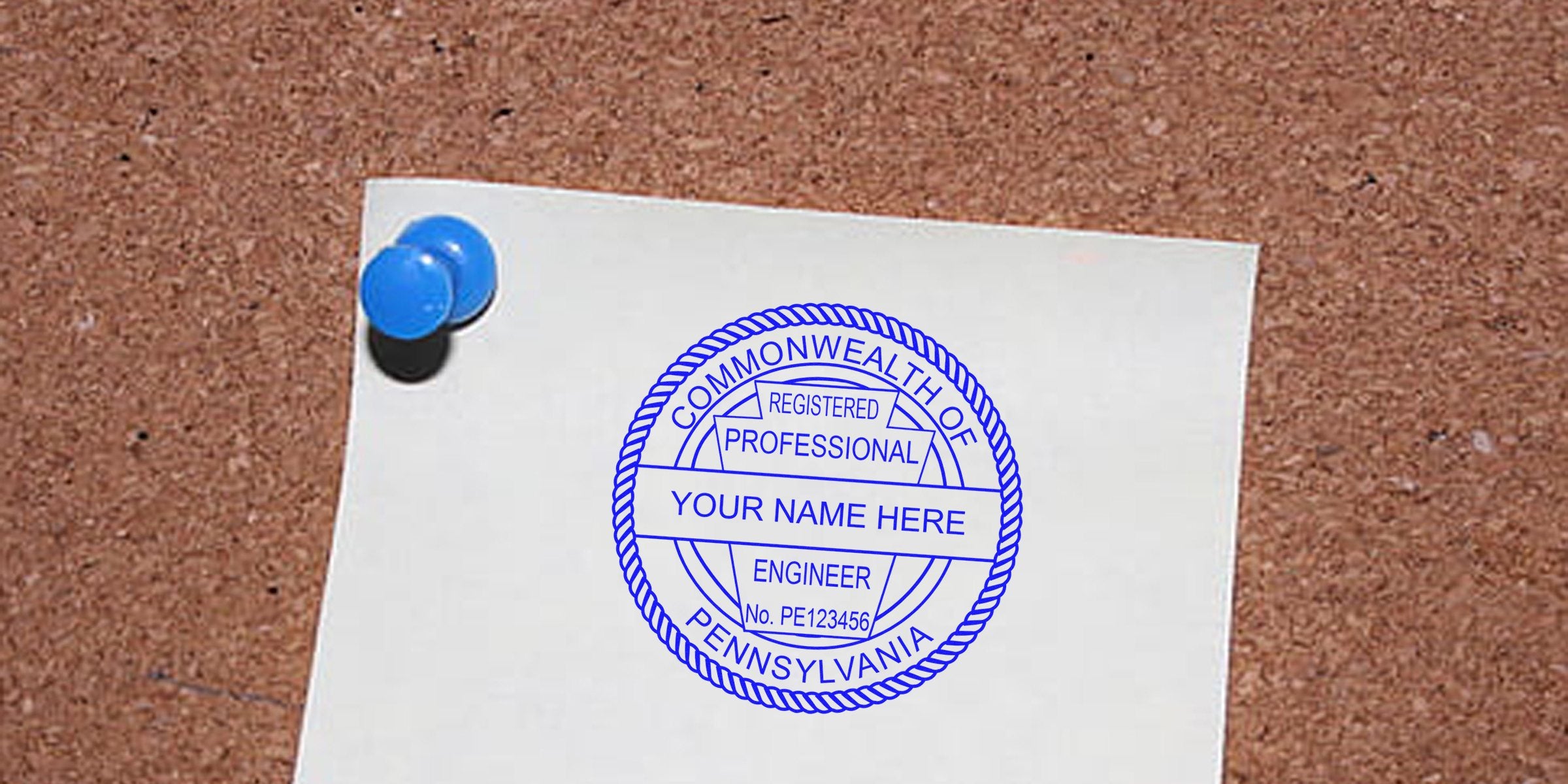
Meeting Pennsylvania engineer seal requirements is a must when you’re practicing as a licensed Professional Engineer in the Commonwealth. Without the proper seal, your documents could be rejected, and your reputation might take a serious hit. In this post, you’ll find a clear explanation of these requirements so you can keep your projects running smoothly and protect your professional standing.
If you’ve ever wondered exactly what goes into designing, obtaining, and using a Pennsylvania engineer seal, you’re in the right place. Let’s walk through everything step by step to ensure you know how to comply with state regulations, choose the right seal type, and maintain your license in good standing.
Understanding your legal responsibilities
In Pennsylvania, only registered Professional Engineers are permitted to stamp and seal drawings, reports, or other official documents in the engineering field. The state’s guidelines aim to maintain high standards and protect public safety. So, when you apply your seal to a set of plans, you’re essentially vouching for the accuracy of the work, the integrity of the design, and your compliance with professional ethics.
Still, you might wonder: how strict are these rules? They’re fairly strict. The Pennsylvania State Registration Board for Professional Engineers, Land Surveyors, and Geologists expects anyone issuing sealed documents to hold an active license. That includes verifying your license status before using the seal. If your license lapses or faces disciplinary action, you must refrain from sealing documents until your status is fully restored.
One key responsibility involves ensuring that you maintain control over any work that bears your seal. You should personally oversee or supervise all relevant project tasks. This means you can’t simply lend your seal to a colleague or subcontractor. Proper supervision requires consistent involvement in decision-making, design reviews, and final approvals.
It’s equally important to remember the law mandates the specific use of an embossed or stamped seal that meets size, format, and wording requirements. The aim is to make your credentials easily verifiable and eliminate pesky confusion. Even if you prefer digital workflows, you’ll want to keep a physical seal at hand in case state agencies or clients request physical documents.
Recognizing essential seal designs
The seal you use to stamp or emboss must reflect certain design elements that Pennsylvania authorities deem valid. Generally, these include:
- A circular outline that measures around 1 5/8 to 2 inches in diameter.
- The words “Professional Engineer” or the abbreviation “P.E.” clearly visible.
- References to “Commonwealth of Pennsylvania” or “State of Pennsylvania.”
- Your full legal name, matching the licensure records.
It’s also key to ensure the seal’s markings remain legible. If the lettering is too tight or the design looks cluttered, your documents might be difficult to interpret. Some engineers try to squeeze in more detail than necessary, but in truth, your seal simply needs to show the basics: your name, your professional designation, the state, and any required license number.
Pennsylvania does allow a seal that includes additional design flair, such as small border lines or decorative flourishes, provided it doesn’t obscure the critical text. But a fancier design won’t carry more legal weight. What truly matters is that the state-required wording is clean and easily identified.
If you use an electronic version of your seal, confirm that it has the same essential elements. The digital seal should replicate the official look and text of your embossed or stamped seal. This is vital when submitting e-documents for approvals, as agencies want assurance that your digital seal is not just a random graphic but a genuine mark signifying your licensure.
Choosing the right seal type
Do you prefer a rubber stamp, an embosser, or an electronic seal? Each has its perks, and the best choice boils down to personal preference and the nature of your practice.
- Rubber ink stamps: Quick and neat. You can press them on documents in seconds. They’re often self-inking, so you won’t have to fiddle around with a separate ink pad.
- Embossers: Ideal if you want that professional, raised impression. Some clients and state agencies appreciate the tactile seal, as it’s more challenging to replicate or forge. Just keep in mind that embossed seals might not scan or copy well, so you might need to pair them with ink or an electronic seal for digital submissions.
- Electronic or digital seals: Convenient for those working primarily in a paperless environment. These seals are typically approved for online submissions and e-files. That said, you must ensure your digital signature is secure and that your engineering board recognizes it as valid.
Some engineers opt for more than one type. For instance, you might keep a rubber stamp in your office for immediate use and an embosser in your briefcase for on-site visits. Or you might rely on your digital solutions for everyday workloads, supplementing them with a physical stamp when clients specifically ask for a hard-copy set of documents. One popular option to consider is a pennsylvania engineer stamp if you value quick and consistent imprinting.
Obtaining your Pennsylvania engineer seal
Acquiring your official seal isn’t complicated, but you do need to work with a trusted supplier that knows Pennsylvania’s specific requirements. That’s where Acorn Sales comes in. We’ve been making quality stamps and seals for over 60 years, so we know exactly what the state needs in terms of layout, lettering, and durability.
When you purchase a seal from Acorn Sales, you also get a free digital seal. This digital file duplicates the precise look of your physical seal, giving you both convenience and legal compliance for e-submissions. Plus, we understand you might need your seal in a hurry (like when a client calls late in the day needing stamped documents the next morning). That’s why we strive for fast service times to keep your projects on track.
Many engineers run into trouble ordering seals from companies that aren’t familiar with Pennsylvania’s rules. They discover that the seal is the wrong diameter or missing key details. This leads to frustration, wasted time, and sometimes rejections from reviewing authorities. To avoid that headache, make sure you opt for an established provider. Your seal should be ready to place on official documents, with no risk of having to reorder a different design later.
Applying your seal properly
Once you’ve got the right seal, you need to know where, when, and how to place it. Typically, you’ll stamp or emboss the cover page of drawings, specifications, or other official paperwork. Many engineers also place a seal near their signature on each relevant sheet within a plan set. This helps stakeholders quickly verify your professional approval of the entire design.
There’s also the matter of timing. Pennsylvania regulations can be strict about ensuring you only seal documents that are final, or at least represent your engineer-of-record endorsement. For instance, you wouldn’t place your seal on a preliminary concept sketch or something you haven’t personally reviewed. If you revise the plans significantly after sealing them, you might need to update the seal or add an addendum clarifying changes.
Keep in mind that the seal alone doesn’t magically turn an incomplete design into a final one. Your professional signature, along with a date next to the seal, shows that you’ve taken full responsibility. By dating your sealed documents, you provide clarity for future reference—anyone looking at your plans years down the line will see when you certified them.
When working digitally, ensure your electronic seal is placed in a consistent spot on PDF or CAD sheets. You don’t want recipients hunting for your credentials. If you’re emailing documents to clients or agencies, double-check that your digital seal remains visible, retains its clarity, and isn’t shifted or scaled incorrectly during file conversion.
Maintaining compliance over time
Meeting Pennsylvania engineer seal requirements isn’t a one-time event. You’ve got to keep your license current, stay on top of any changes in state rules, and continue your professional development. If state regulations shift—even subtly—you may need to update your seal or adjust how you place it.
One pitfall is forgetting to renew your professional license. While it might sound simple, life and work can get busy. If your license expires, you aren’t permitted to seal documents until you renew. So, set reminders or use an online tool to keep track of renewal dates. The same principle applies if you’re required to complete continuing education (often called PDHs, or Professional Development Hours). By fulfilling these hours on schedule, you ensure you’re legally allowed to maintain and use your seal.
Record-keeping is another key point. Whenever you seal and sign a document, keep a copy in your archives. Whether you store it digitally or in a traditional filing system, have it organized by project so you can easily pull it up if there’s ever a dispute or audit. In Pennsylvania, you could be asked to provide evidence of your involvement, so keep well-documented records of your official submittals, design changes, and associated correspondence.
At times, the state board may update its guidelines on digital seals, specialized project types, or alternative signing methods. By monitoring newsletters from professional associations, you reduce the risk of missing a regulatory shift. If you notice any confusion in new guidelines, reach out to experienced peers or the Pennsylvania board for clarification. It’s always better to ask a question early than face compliance issues down the road.
Avoiding common mistakes
Even seasoned engineers stumble into pitfalls with sealing documents. Here are some of the most frequent issues and how to bypass them:
- Not verifying license status: Sometimes, an engineer inadvertently seals documents after a license has lapsed due to a missed renewal. Quick fix? Mark your calendar for renewal deadlines or sign up for automated reminders.
- Sealing incomplete work: If a design isn’t finalized or you haven’t personally reviewed all aspects, steer clear of placing your seal. Always confirm the content is ready for professional sign-off before sealing.
- Overstamping: Some engineers apply their seal on every single page, whether it’s relevant or not. This might dilute the seal’s official significance. Instead, consult your local board’s recommendation to figure out which pages genuinely need stamping.
- Poor-quality impressions: Ink smudges or faint embossing can make your seal unreadable. Doing a quick test on a blank piece of paper before sealing your official documents can save you from a messy final result.
- Incorrect seal size or text: This is a big one. If your seal doesn’t match the board’s specifications, your documents could be rejected. Always confirm that the design meets Pennsylvania’s dimension and text requirements.
Learning from these common mishaps helps you maintain a stellar professional reputation. After all, your seal is a direct reflection of your expertise. Keep it clean, updated, and only use it when appropriate.
Summarizing key takeaways
Staying on top of Pennsylvania engineer seal requirements protects both your license and the safety of the public who rely on your engineering expertise. Here’s a quick recap to keep things fresh:
- Know your responsibilities: You must be an active, licensed Professional Engineer to use the seal.
- Ensure your seal follows state guidelines: Use a clear, legible design that includes “Professional Engineer,” “Commonwealth of Pennsylvania,” and your name.
- Pick a seal type that fits your workflow: Rubber stamps for speed, embossers for that raised impression, and digital seals for paperless projects.
- Source your seal from experienced suppliers: Acorn Sales offers both physical and digital seals with fast service and full compliance.
- Seal only completed, reviewed work: Apply it strategically, sign and date near the seal, and never delegate sealing to unlicensed or unsupervised individuals.
- Stay up to date on regulations: Renew your license on time, track continuing education requirements, and adjust to new state guidelines.
With these pointers, you’re well on your way to keeping your engineering documents valid and respected.
Look for a reliable company knowledgeable about Pennsylvania requirements. Acorn Sales, for instance, has over 60 years of experience crafting professional seals and stamps. We provide a free digital seal with every order, plus quick turnaround times, which let you focus on your work instead of waiting for office supplies.
Feel confident sealing your documents, knowing your practice meets the expectations of Pennsylvania’s licensing board. By following the rules and choosing reputable resources, you’ll keep your professional stamp of approval both legal and credible.
Frequently Asked Questions
Do I need multiple seals if I work in more than one state?
If you hold licenses in multiple states, you’ll likely need separate seals for each jurisdiction. Each state sets its own seal format and text requirements. Make sure you obtain the correct design for each place you practice.
Can I use an electronic seal for all submissions?
Pennsylvania accepts electronic seals for many document types, but certain clients or agencies might still require a physical impression. Check with the local authority or project owner to confirm. Maintaining both a physical and digital seal allows you to handle any situation.
Is my seal invalid if I change my name?
You’ll need to update your official records with the Pennsylvania board if you change your name. After that, you should obtain a new seal bearing your updated legal name. Using a seal under a name not on file with the board can cause confusion or even rejection of documents.
How do I know if my seal is sized correctly?
Double-check the diameter. Common practice is around 1 5/8 to 2 inches. If you’re unsure, measure the outer edge of the circular design. Also, ensure the text fits within that space so it remains crystal clear. If you need help, ask your seal provider to confirm sizing guidelines.








