
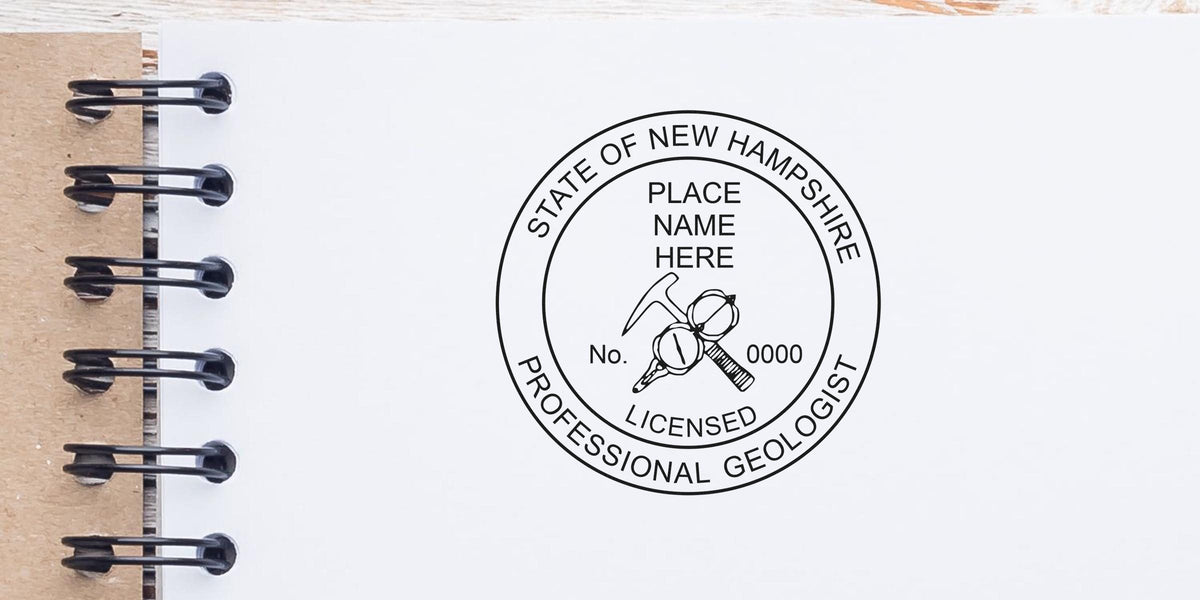
You’re here because a big question is on your mind: “How do I handle my New Hampshire Geologist Seal purchase correctly?” That seal carries more weight than the ink or embossed metal. It’s your official ticket to validating reports, plans, and other professional documents. Plus, there are specific guidelines you must follow in the Granite State to keep your work fully compliant. This guide walks you through everything, from confirming legal statutes to getting your seal squared away. Ready to make your professional mark in New Hampshire? Let’s jump in.
Understand State Requirements
Before you finalize any seal, it’s important to know what the state expects of you regarding geologist credentials. New Hampshire has precise laws for geologists so that everyone can trust the reports, charts, and documents they encounter.
Why the Seal Matters
Your seal is not decoration; it’s your official endorsement that every detail in your submission is accurate. If you ever have to present data to government agencies, businesses, or clients, your seal shows you’re an approved professional bound by the ethical standards of your field. In practical terms:
- It authenticates your work for compliance checks.
- It assures clients that you’ve met state licensing requirements.
- It legally protects your submissions if questions ever arise.
When to Use Your Seal
Many geologists wonder, “Do I need to stamp every single page?” The short answer is no. Typically, you’ll apply the seal (and possibly your signature) on the final or cover page of your official documents. If you’re submitting numerous plates, drawings, or annex pages for major projects, you might use multiple seals or an embossed imprint for clarity.
Know Your Seal Format
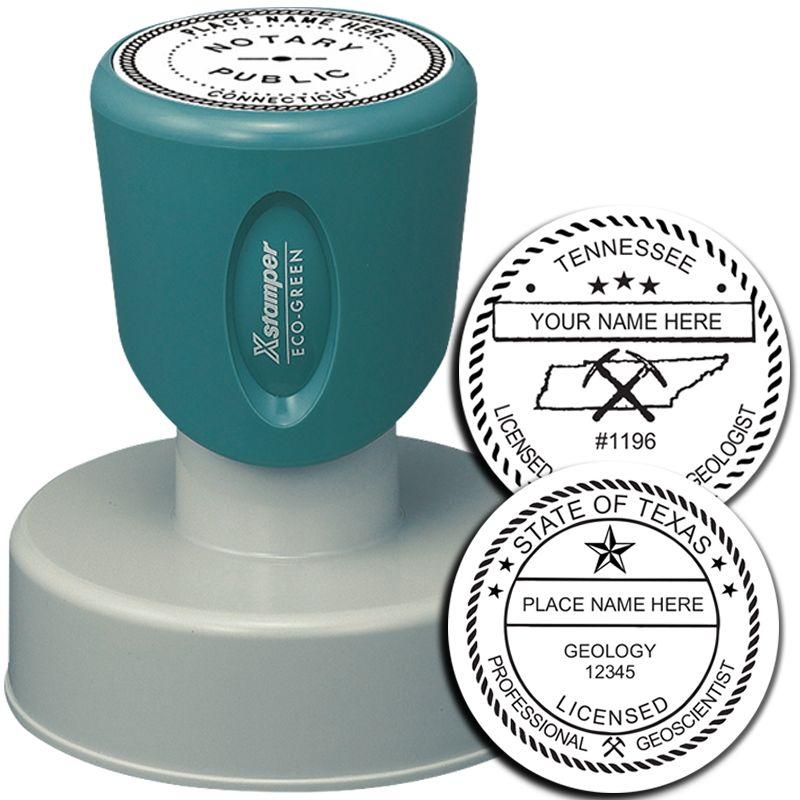
Once you understand the rules, your next task is to identify the correct stamp or embosser style. The state guidelines usually specify size, shape, and wording, but you have options regarding ink color and the type of device.



Common Seal Types
-
Rubber Stamp Seal
A quick, cost-effective way to stamp your documents. Often used when you need to apply seals for frequent or high-volume paperwork. -
Embossing Seal
Uses a metal die to create a raised impression on paper. Ideal for official documents that you want to stand out, but it can be trickier to photocopy. -
Electronic Seal
Used on digital PDFs or online documentation. Larger agencies and corporations may accept these seals, especially if they include security measures like encrypted signatures.
Many geologists opt for a combination of a rubber stamp and an embossing seal. That way, you can suit any situation, whether it’s an in-person meeting or a digital file submission.
Pick a Trusted Supplier
With all the official standards in mind, your next step is to select a reputable supplier. After all, a defective or incorrect seal could put your entire project at risk.
Why Acorn Sales Stands Out
Acorn Sales has been in the seal-making business for 60+ years, supplying stamps and embossers to professionals nationwide. They also include a free digital seal with your purchase, which is perfect if you want maximum flexibility for your documents. In other words, they make it easy for you to get exactly what you need, all in one place.
Here’s what you can expect from them:
- Longevity and Expertise: More than half a century in the industry means they know how to craft seals that stay crisp for years.
- Compliance Guarantee: They keep track of changing state regulations, so your stamp or embosser follows the latest rules.
- Digital Convenience: Free digital seal included for quick e-document stamps.
- Friendly Customer Support: You can contact us for advice on which model is best.
And if you’re looking for a matching stamp to complement your seal, you might check out the New Hampshire Geologist Stamp. This ensures both your stamp and seal match any state specs for spacing, size, or wording.


Prepare Your Documents
Now that you’ve picked out a vendor and have a sense of which type of seal you need, it’s time to gather the paperwork. This step is often overlooked, but it can save you countless headaches later.
What You Might Need
- License Number: Make sure you have your official geologist license number handy. This usually appears on your seal.
- State Mandates: Some states, including New Hampshire, have specific text that must appear on the outer ring of the seal, often your name and professional title.
- Date of License Renewal: Knowing your renewal date helps you keep your seal current and valid.
Make a quick checklist to confirm all these details are correct:
- Spelling of your name (exactly as on your license).
- Correct license or registration number.
- Proper title or credential spelled out (e.g., “Licensed Professional Geologist”).
Any errors here can cause a delay, so double-check before you hit “order.”
Complete the Purchase Steps
Once you’ve done your homework, the actual buying process will be straightforward. Most online store pages, like those from Acorn Sales, guide you through each stage. Here’s a quick rundown:
-
Choose Your Seal Type
Decide whether you want a traditional rubber stamp, an embosser, or a digital version. Many geologists go for a combo of an ink stamp and an embosser, to be ready for any format. -
Enter Customization Details
You’ll typically fill in your name, license number, and professional title. Double-check for spelling errors to avoid reprints later. -
Select Desired Options


- Ink color for stamps (commonly black or blue).
- Orientation for embossers (bottom-loading or top-loading).
- Extra handles or carrying cases, if you travel often for fieldwork.
-
Review Shipping and Payment
Enter your billing details, choose your shipping preference, and confirm your personal information is correct. -
Check for Digital Options
If your supplier offers a free digital seal, look for the download link or instructions. That way, you can quickly incorporate it into your PDF submissions.
Once you’ve placed your order, you’re typically looking at a minimal turnaround time, depending on shipping. Soon enough, you’ll have a seal in hand, and a digital file to match.
Confirm Proper Usage
After your new seal arrives, your next step is to ensure you’re using it in line with state rules. Nothing is worse than finding out your carefully sealed documents are invalid because you missed a small detail.
Testing Your Seal
- Try a Practice Page: Stamp or emboss a blank piece of paper and see if it’s crisp. An uneven impression might indicate you need to adjust your technique or press harder.
- Check Legibility: Each letter and number must be clear to be considered valid. If anything looks smudged, contact your supplier for a correction.
- Compare to State Guidelines: If your seal must be a specific diameter, measure it to confirm compliance.
Storing and Maintaining Your Seal
- Keep It Clean: Wipe ink off the rubber stamp after each use with a slightly damp cloth. For the embosser, a quick dusting in the crevices prevents build-up.
- Safe Storage: Many professionals lock up their seals at home or in the office to avoid misuse.
Using Your Free Digital Seal
If you have a digital seal, store it in a secure folder on your computer. Some geologists embed a password-protected signature within the file. That way, no one else can stamp documents in your name.
Buying your seal
By covering the must-know points, like verifying state regulations, selecting a trusted supplier, and getting the right seal format, you’ll find that the process for your New Hampshire Geologist Seal purchase is surprisingly straightforward. Just remember to double-check every detail on your seal, from your name’s spelling to your license number. That’s the best way to stay on the right side of state regulations and ensure your documents stand out as professionally authorized.
Once you test your new seal at home or in the office, you’ll feel a sense of relief knowing your paperwork is fully compliant. Need to do it all again when you renew your license? Keep your notes handy, and it will be smooth sailing next time around. In the meantime, if you have any lingering questions, feel free to reach out to your seal supplier or even the state board for the latest requirements.
With your seal taken care of, you can focus on what truly matters: delivering top-notch geologic insights and data that help shape the future of projects across New Hampshire. Go ahead, seal those documents with confidence, you’ve earned it!
Frequently Asked Questions
How Do I Know Which Seal to Get. Embosser or Stamp?
It often depends on your typical workload and personal preference. An embosser offers a professional raised impression, suited to official forms. A rubber stamp is faster and easier if you frequently sign multiple pages. Many geologists use both.
Is a Digital Seal Legal for Official Documents?
In many cases, yes. New Hampshire’s governing rules have adapted to modern technology, so electronic seals are generally acceptable if they meet secure formatting standards. However, it’s wise to check with clients or agencies in advance.
What if My Seal Doesn’t Match Updated State Requirements?
Whenever regulations change, you might need a fresh seal. Acorn Sales monitors these developments and updates designs accordingly, so you’re unlikely to end up with an outdated seal if you order from them.
How Soon Can I Get My Seal After Ordering?
Production time varies, but most standard seals ship within a few business days. Faster rush options are usually available for an extra fee, which can be a lifesaver if you have a looming deadline.








