
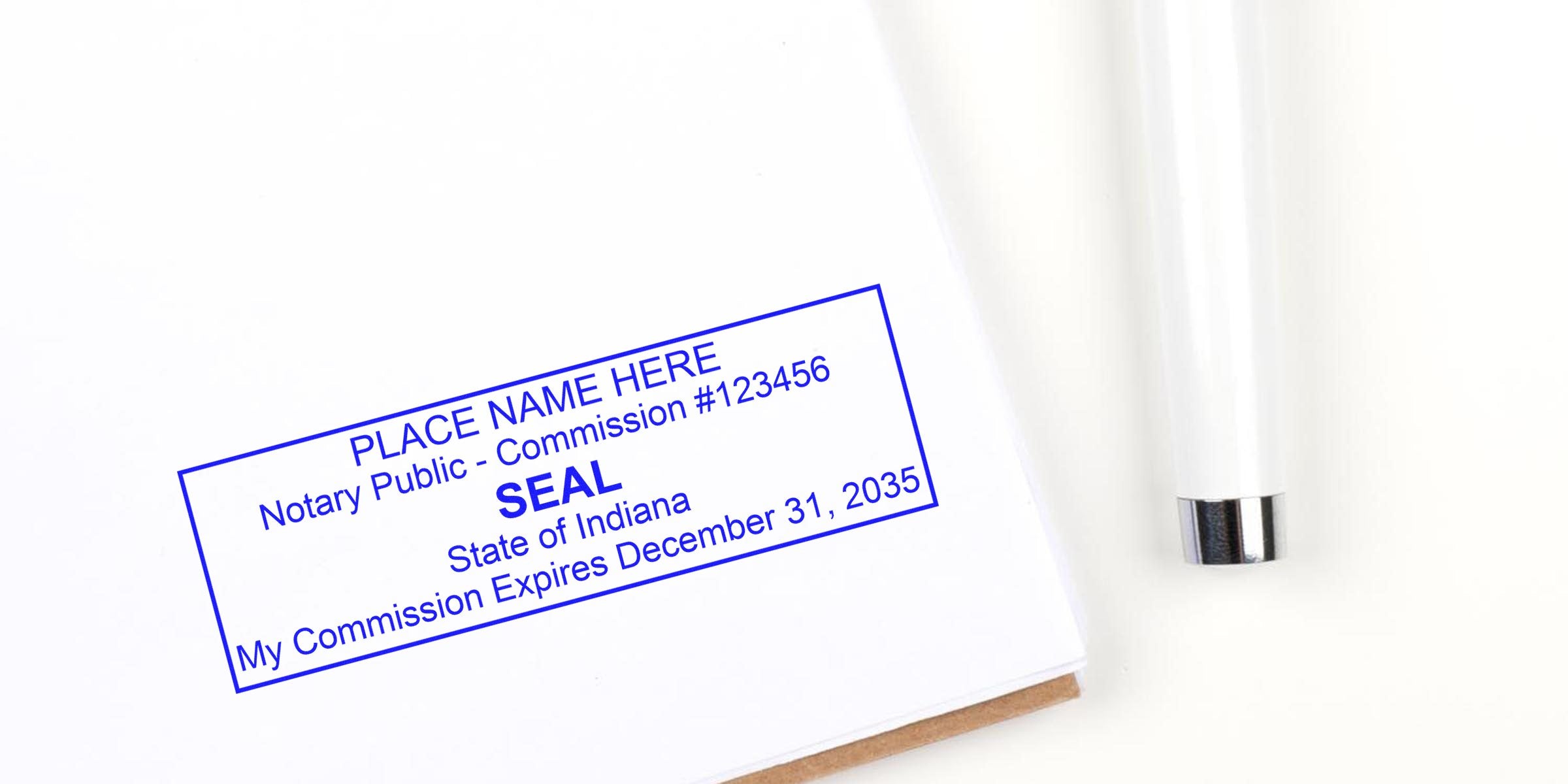
When you’re setting up your official Indiana notary public seal, it’s essential to have the right supplies on hand. After all, you want every document you notarize to follow the proper rules and look perfectly professional. Below, you’ll find a helpful overview of what you need, along with a few tips on keeping your notarial tasks running smoothly.
Understand your essential tools
To fulfill your Indiana notarial duties, you’ll need a few core items. These tools not only help you perform your responsibilities but also ensure your paperwork meets Indiana’s legal requirements.
- Notary seal or stamp: This is the critical instrument used to authenticate your official signatures.
- Record book or journal: While not always mandated, it’s a practical way to keep a record of each notarization.
- Ink refills or replacement pads: If you use a self-inking stamp, you’ll want extra ink on hand.
- Embosser (optional): Some notaries prefer having a raised seal in addition to an inked impression.
Many choose an all-in-one indiana notary kit for the convenience of having everything together. Whichever route you take, always double-check supplies to make sure they’re up to date and in good working order.
Follow the right guidelines
Indiana has specific laws about what your seal should include. If you’re unsure about size or format, it’s a good idea to check the updated indiana notary stamp requirements. Small details, like correct wording around your name and county, can mean the difference between a valid notarization and one that gets rejected.
You should also be aware of ongoing regulatory updates. For a quick summary of best practices, see the indiana notary public seal guidelines. This resource offers tips on making sure your seal impression is always crisp and easy to read.
Choose a trusted supplier
Shopping for your stamp shouldn’t be complicated, especially when every detail matters. At Acorn Sales, we’ve spent 60+ years creating top-quality, compliant seals and stamps. We know you’re busy, so we offer quick turnaround times and reliable products you can count on for your notarizations.
It’s important to invest in a supplier that understands Indiana’s laws and keeps your deadline in mind. If you need guidance on selecting the right inking style or verifying compliance, our team is always happy to talk through your options.
Make the most of your notary seal
Once you receive your seal or stamp, it’s time to put it to work. You’ll find it helpful to:
- Practice stamping: Test on scrap paper to ensure a clean, legible impression.
- Keep your stamp safe: Protect it from unauthorized use by storing it in a secure spot.
- Stay organized: Log each notarization in your journal or record book.
- Check for wear: Stamps can fade over time, so replace ink pads regularly.
Within Indiana’s legal specifications, you can choose certain design elements such as font style or added borders. Just ensure every required detail is clearly visible.
With the right supplies, you’ll be well-equipped for any document that comes your way. From the must-have seal to optional accessories, selecting dependable products and staying informed about Indiana’s requirements will set you up for success. If you’re looking for quick turnarounds and a reliable partner, Acorn Sales is here to help you find exactly what you need. Happy stamping!
Frequently Asked Questions
Do I need an embosser or ink stamp for my Indiana notary seal?
Indiana generally accepts ink stamps that meet legal guidelines. Embossers are optional but can add a professional look for certain documents.
How often should I replace my notary seal in Indiana?
Your seal’s replacement depends on the product’s wear and tear. If you notice blurred impressions or fading ink, consider a new stamp to maintain clarity.
What if my name changes during my commission?
You’ll usually need to update your commission information. Contact the appropriate state authorities, and then order a new seal to match your updated credentials.
How can I confirm my seal meets state guidelines?
Check official resources like the Secretary of State’s website or consult references such as the indiana notary public seal guidelines. A trusted supplier can also help verify compliance.
Is a notary record book mandatory?
While it might not be mandatory in all cases, it’s highly recommended to keep a record book to enhance organization and protect yourself if questions arise about a notarization.








